Lahore is the cultural capital of Pakistan and the heart of Punjab. For centuries it was a seat of Mughal emperors, and that past still fills the old city with forts, mosques, gardens and tombs. Add the bazaars, the food streets and the famous Lahori warmth, and it is easy to see why this city tops so many Pakistan trips.
In short, the places not to miss are the Badshahi Mosque, the Lahore Fort, the Shalimar Gardens, the Wazir Khan Mosque, the Lahore Museum and the Wagah border ceremony. This guide covers the 11 places we would send any first time visitor to, with the entry fee, the hours and the honest catch for each one. It sits inside our bigger guide to the beautiful places in Pakistan, so read that too for a full country trip.
Most of the big sights sit close together in and around the Walled City, so two or three full days cover this list well.
The 11 places at a glance
| No. | Place | Where in Lahore | Entry fee |
|---|---|---|---|
| 1 | Badshahi Mosque | Walled City, by Hazuri Bagh | Free |
| 2 | Lahore Fort and Sheesh Mahal | Walled City, Fort Road | About PKR 100 local, PKR 1,000 foreign |
| 3 | Shalimar Gardens | Baghbanpura, Grand Trunk Road | About PKR 50 to 100 local, PKR 300 to 500 foreign |
| 4 | Wazir Khan Mosque | Inside Delhi Gate, Walled City | Free |
| 5 | Lahore Museum | The Mall | PKR 50 adult, PKR 1,000 foreign |
| 6 | Minar-e-Pakistan and Greater Iqbal Park | By the Walled City, Circular Road | Free |
| 7 | Tomb of Jahangir | Shahdara, across the Ravi | About PKR 50 local, PKR 500 foreign |
| 8 | The Walled City and Anarkali Bazaar | Old city and by the Mall | Free |
| 9 | Wagah Border Ceremony | Grand Trunk Road, east of the city | Free |
| 10 | Data Darbar | Near Bhati Gate, Lower Mall | Free |
| 11 | Fort Road Food Street | By Roshnai Gate, Walled City | Free, pay for food |
1. Badshahi Mosque
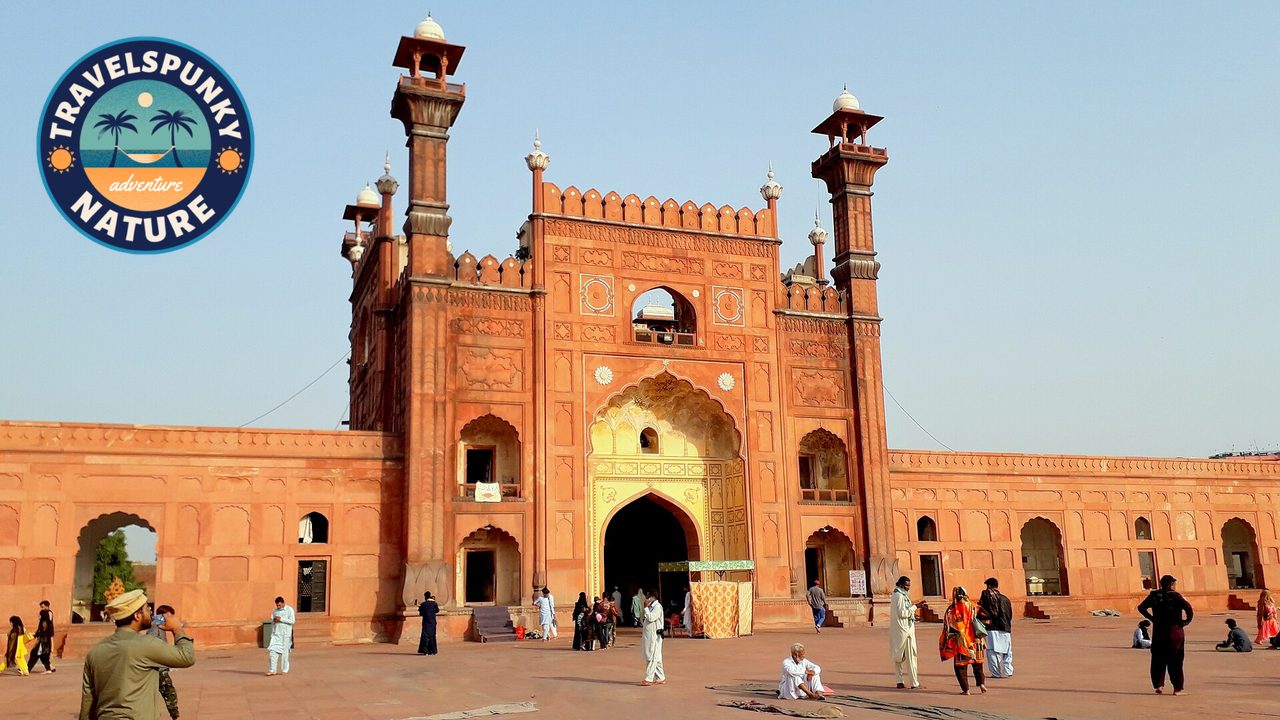
The Badshahi Mosque is the image of Lahore that the whole world knows. Emperor Aurangzeb built it in just two years, from 1671 to 1673, and for more than three centuries it stayed the largest mosque in the world. The Faisal Mosque in Islamabad only passed it in 1986.
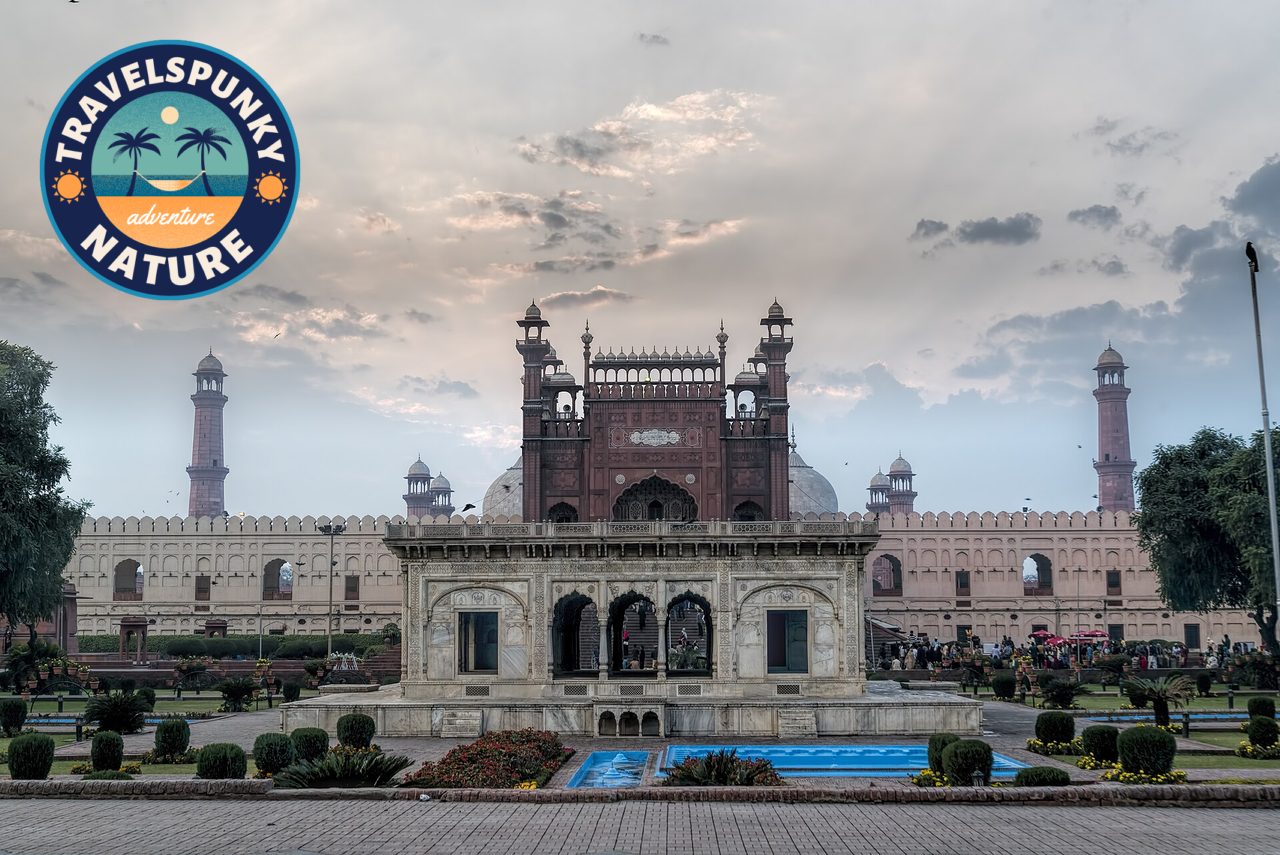
The mosque stands on a raised platform across Hazuri Bagh from the Lahore Fort. Red sandstone walls, three white marble domes and four tall minarets make it beautiful, but the soft light of early morning and the glow before sunset suit it best.
This is a working mosque, not a museum. Dress modestly, cover your head if you are a woman, and hand your shoes to the keeper at the gate. The mosque fills up on Friday at midday, so plan around that.
Entry fee: Free for all visitors, with a small charge to leave your shoes at the gate.
Hours: Open daily from morning to evening, and visitor entry pauses during prayer times.
How to reach it: Take a ride-hailing car or rickshaw to Hazuri Bagh by the Lahore Fort.
Good to know: The fort and the mosque sit a two minute walk apart, so almost everyone sees both in one visit.
2. Lahore Fort and Sheesh Mahal
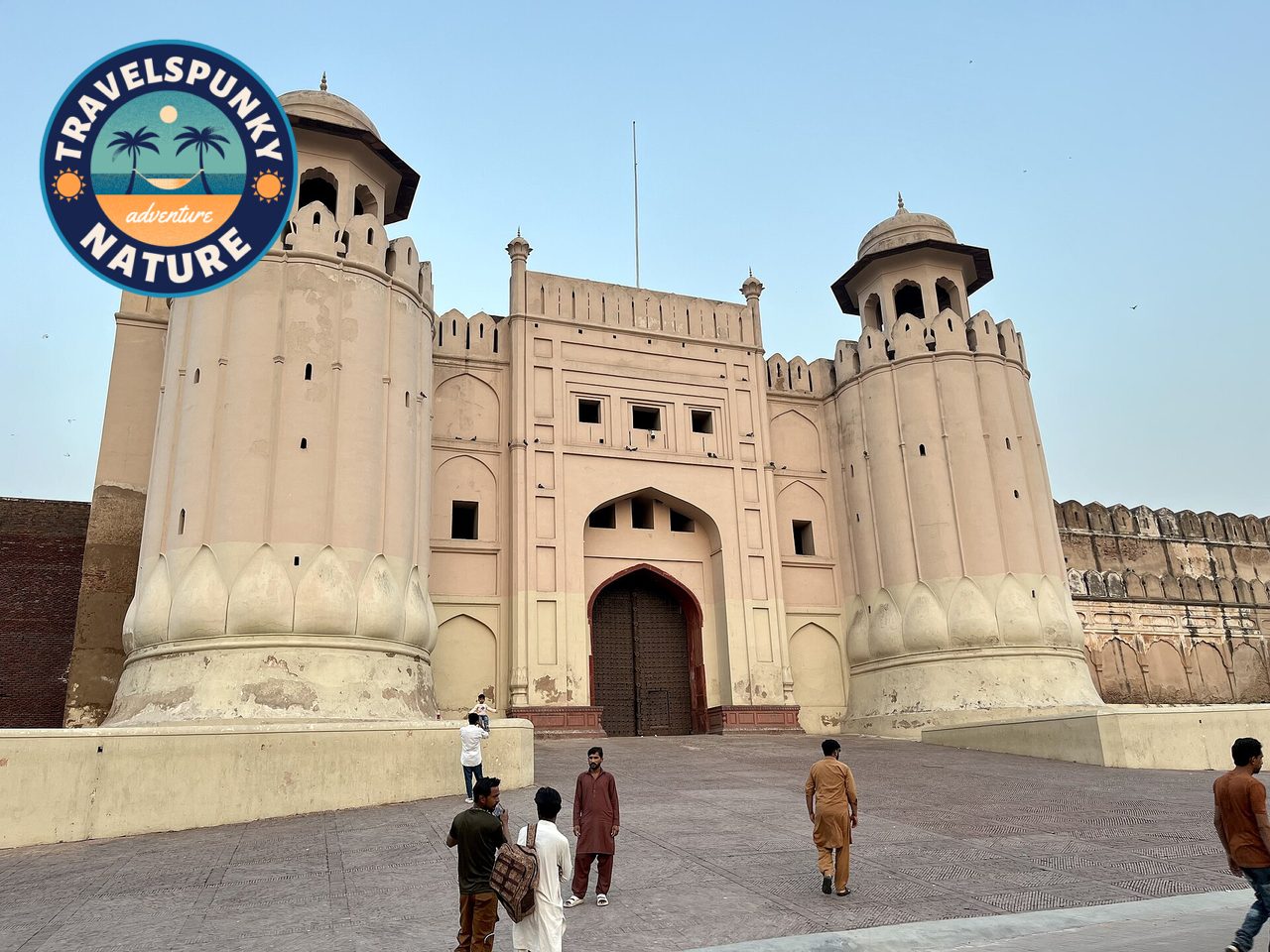
The Lahore Fort, the Shahi Qila, is the royal heart of old Lahore. The present fort began under Emperor Akbar in 1566, and each later emperor added his own palaces and courts. Shah Jahan gave it the Sheesh Mahal, the palace of mirrors, in 1631 and 1632, and Aurangzeb added the great Alamgiri Gate in 1674.
UNESCO put the fort on the World Heritage list in 1981, together with the Shalimar Gardens. Inside the walls you walk through audience halls, marble pavilions and quiet quadrangles, and along the famous Picture Wall, a long outer wall covered in tile and mosaic work. The Sheesh Mahal is the star room, its walls and ceilings set with thousands of small mirrors that catch the light. Allow two to three hours, because the complex is far bigger than it looks from the gate.
An evening opening of the fort has been announced, with the main sights lit after dark, but reports gave no fixed start date, so ask locally before you plan a night visit.
Entry fee: About PKR 100 for Pakistani adults and about PKR 1,000 for foreign visitors, and the Sheesh Mahal may carry a small separate charge, so confirm both at the ticket counter.
Hours: Open daily from 8 am until about half an hour before sunset.
How to reach it: The fort stands on Fort Road by Hazuri Bagh, next to the Badshahi Mosque.
Good to know: Go in the first two hours for the best light, and look for the Picture Wall on the outer wall near the entrance steps.
3. Shalimar Gardens
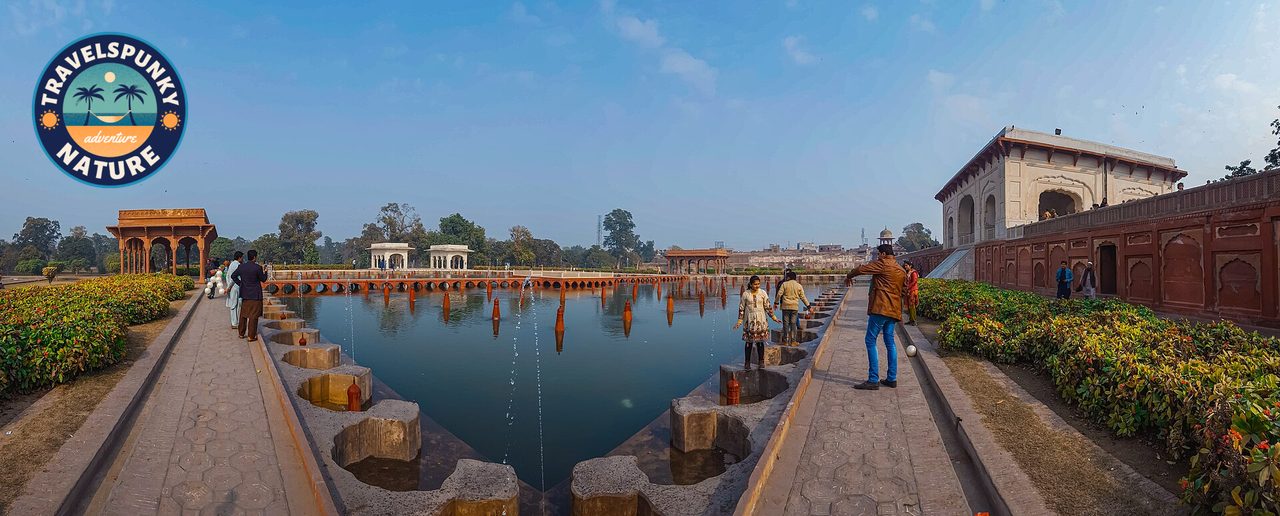
The Shalimar Gardens are the Mughals at their most relaxed. Shah Jahan built them in 1641 and 1642 as a Persian style paradise garden. UNESCO listed the gardens in 1981, on the same listing as the Lahore Fort.
The garden drops down in three wide terraces, with marble pavilions, water channels and rows of fountains between the lawns and old trees. Families picnic on the grass, and the whole place feels slow in the best way. It is less grand than the fort and mosque, and that calm is exactly the point.
The gardens sit on the Grand Trunk Road in Baghbanpura, about 5 km east of the Walled City, so most visitors give them their own trip rather than adding them to a fort day.
Entry fee: About PKR 50 to 100 for Pakistani visitors and about PKR 300 to 500 for foreign visitors, so confirm the current rate at the gate.
Hours: Open daily from about 8 am to 6 pm.
How to reach it: Take the Metrobus or a car along the Grand Trunk Road to Baghbanpura, where the main gate opens off the road.
Good to know: The fountains do not run all day, so ask at the gate when they switch them on.
4. Wazir Khan Mosque
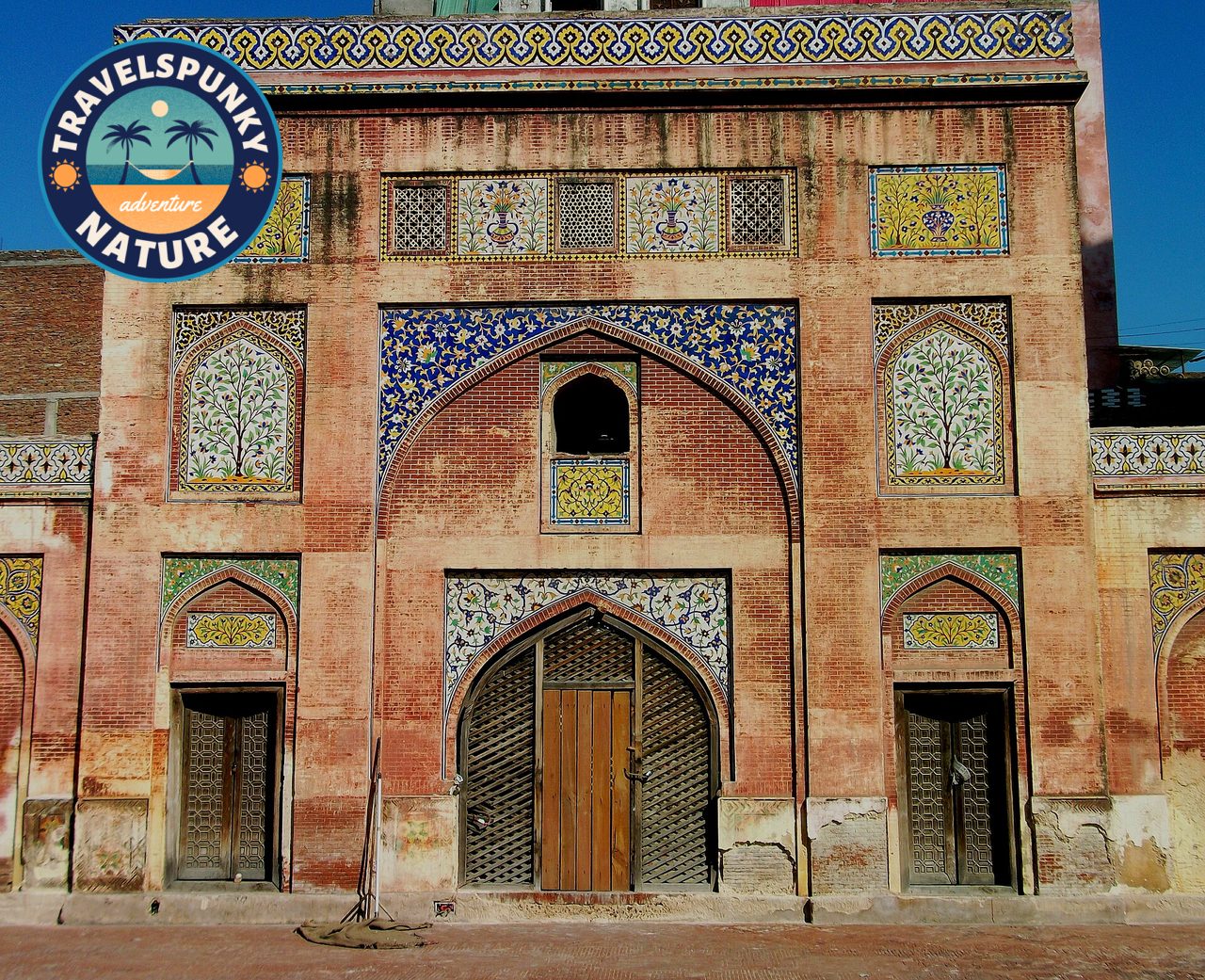
If the Badshahi Mosque is Lahore at its biggest, the Wazir Khan Mosque is Lahore at its most beautiful. It was built from 1634 to 1641 by Hakim Ilmuddin Ansari, the royal physician and governor of Lahore known by his title, Wazir Khan. It stands inside Delhi Gate.
Almost every surface carries decoration. Glazed tile mosaics cover the walls in blues, greens and yellows, and fresco paintings fill the arches and domes inside. It is often called the most richly decorated mosque of the Mughal age, and standing in the courtyard it is hard to argue. A row of small shops, the calligraphers bazaar, lines the entrance, and their rent once paid for the upkeep of the mosque.
Come in the morning, when the light falls on the tiles and the courtyard is still quiet.
Entry fee: Free for all visitors, and donations toward the upkeep are welcome.
Hours: Open daily from morning to evening, and visitors should come between prayer times.
How to reach it: Take a rickshaw to Delhi Gate and walk about five minutes along the Royal Trail.
Good to know: Dress modestly and carry a scarf if you are a woman, and a local guide from the gate can explain the tile work for a small fee.
5. Lahore Museum
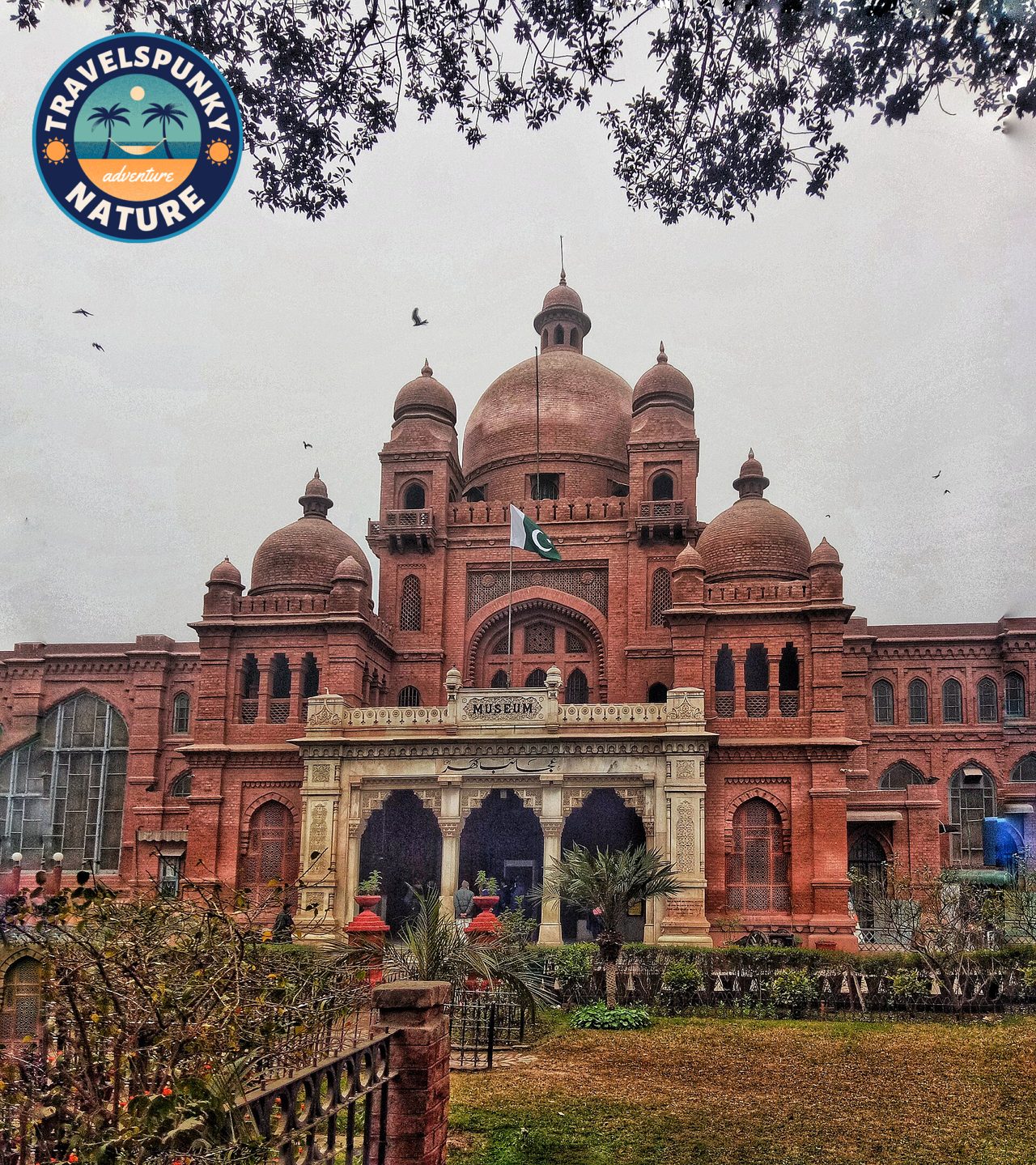
The Lahore Museum is the best place in the city to make sense of everything else you will see. The museum was founded in 1865 and moved into its present home in 1894, a grand red brick building on the Mall.
Inside, the galleries run from the Indus Valley civilisation through Gandhara, the Mughals and the Sikhs, up to the colonial years. The star of the collection is the Fasting Buddha, a Gandhara statue of the starving Buddha that is famous across the world. Mughal miniatures, coins and textiles fill the other halls.
The museum is also a good choice for a hot afternoon, since the halls stay cool while the streets bake.
Entry fee: PKR 50 for adults, PKR 20 for students and children and PKR 1,000 for foreign visitors, as listed on the museum website.
Hours: Open from 9 am to 4 pm in winter and 9 am to 5 pm in summer, and closed on Fridays and on the first Monday of each month.
How to reach it: The museum stands on the Mall, Shahrah-e-Quaid-e-Azam, facing Anarkali, and the Orange Line and Metrobus both stop within walking distance.
Good to know: Check the day before you go, because the Friday and first Monday closures catch many visitors out.
6. Minar-e-Pakistan and Greater Iqbal Park
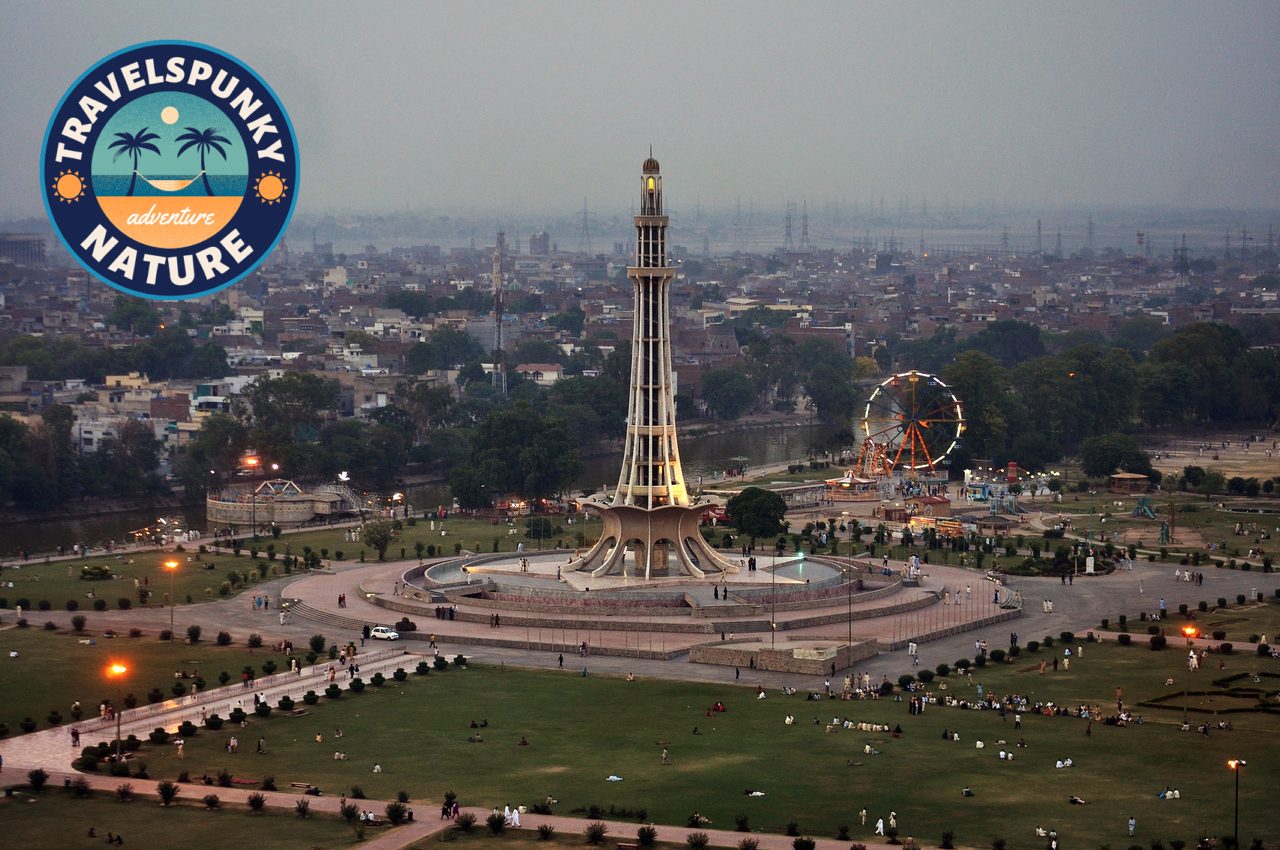
Minar-e-Pakistan is the tower that marks the birth of the country. On 23 March 1940, on this ground, the All-India Muslim League passed the Lahore Resolution, the demand that led to Pakistan seven years later. The foundation stone of the tower was laid on the same date in 1960, and the monument was finished in 1968.
The architect, Nasreddin Murat-Khan, shaped the base like a five pointed star and a crescent, and the tower rises above lawns, fountains and a boating lake. The park was expanded and reopened in 2016 as Greater Iqbal Park, and in the evening it fills with families, food stalls and children on the rides.
Be honest with your expectations here. The top of the tower has been closed to the public for years, so this is a place to walk around, read the inscriptions at the base and enjoy the park, not a viewpoint to climb.
Entry fee: Free to enter the park and walk around the monument, and the park museum and boating charge separately.
Hours: Open daily from early morning to about 10 pm.
How to reach it: The park stands by Azadi Chowk on Circular Road, a short walk from the Badshahi Mosque.
Good to know: Come in the late afternoon and stay until the tower lights come on, which is when the park is at its liveliest.
7. Tomb of Jahangir
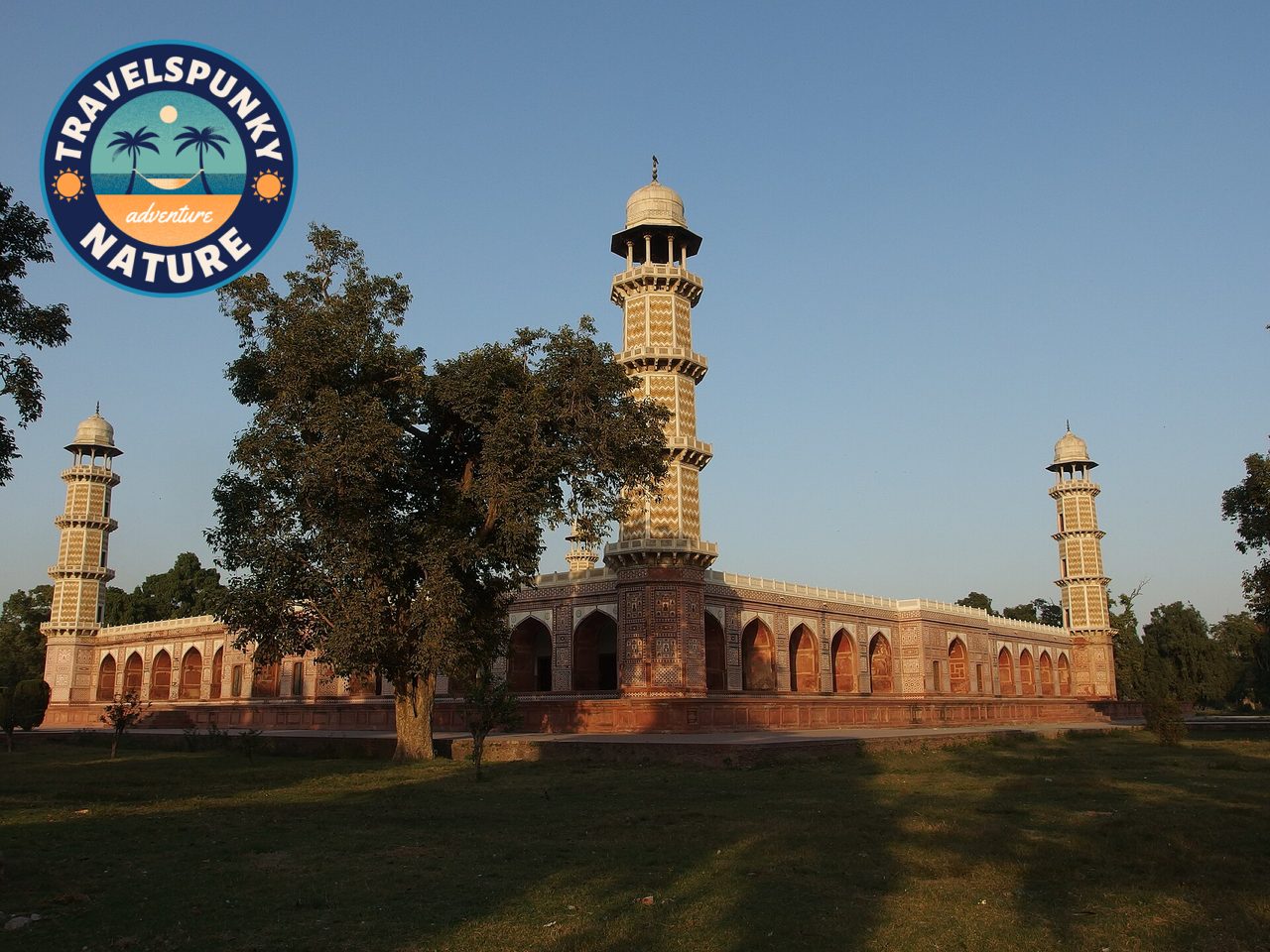
Across the River Ravi at Shahdara stands the tomb of Jahangir, the fourth Mughal emperor. He died in 1627, and his tomb was finished ten years later, in 1637, in the reign of his son Shah Jahan. It is the quietest of the great Lahore sights, and for many visitors the most moving.
The tomb sits in the middle of a huge walled garden, laid out in squares with water channels and paths. The building itself is a single wide storey of red sandstone, inlaid with marble and coloured stone, with four tall minarets at the corners. Inside, the tomb chamber is covered in painted frescoes and fine stone inlay. The tombs of his brother in law Asif Khan and of his wife Nur Jahan stand nearby in the same complex.
Shahdara is about 6 to 7 km from the Badshahi Mosque, so the visit takes a half day with travel. Go in the morning and enjoy having a world class monument almost to yourself.
Entry fee: About PKR 50 for Pakistani visitors and about PKR 500 for foreign visitors, so confirm the current rate at the gate.
Hours: Open daily from morning to early evening.
How to reach it: Take a ride-hailing car across the Ravi to Shahdara Bagh, or ride the Metrobus to Shahdara and a rickshaw from there.
Good to know: Take water and a hat, because the garden is large, open and short on shade in the middle of the day.
8. The Walled City and Anarkali Bazaar
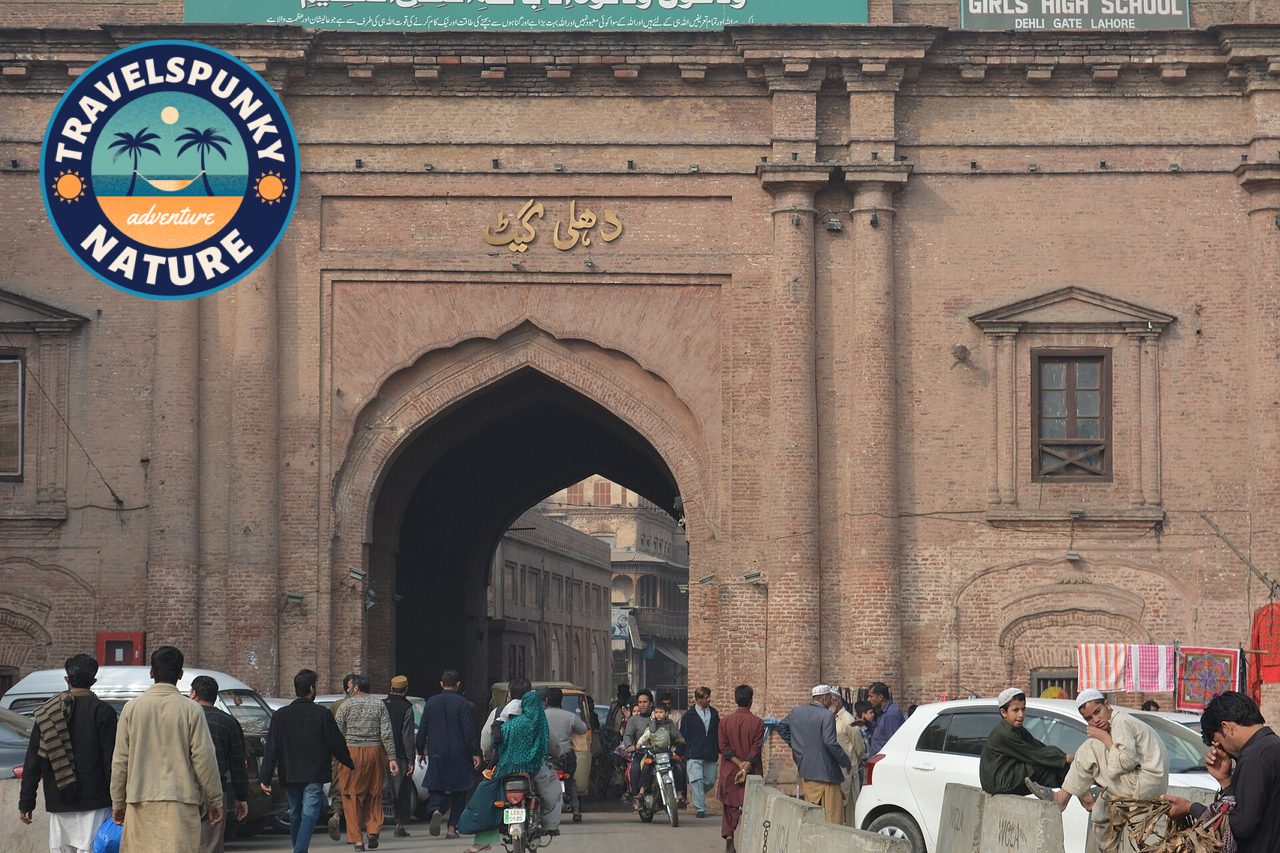
Not every place on this list is one building. The Walled City, the Androon Shehar, is old Lahore itself, a dense maze of lanes, bazaars, shrines and carved wooden balconies that has been lived in for centuries. In the Mughal period a wall with 13 gates ringed the city. Six gates still stand, and the rest were lost in the British period.
The best way in is Delhi Gate. From there the restored Royal Trail, the Shahi Guzargah, runs past the royal bathhouse, the Shahi Hammam, and the spice shops of Akbari Mandi, and ends at the Wazir Khan Mosque. Walking is the only way to see it, because cars cannot enter most of the lanes.
Then cross to Anarkali, by the Mall near the museum. Anarkali is one of the oldest surviving bazaars in South Asia, split into an Old and a New part, and it sells everything from bridal clothes and jewellery to books, shoes and street food. It is busy, loud and very Lahore.
Entry fee: Free, the old city and the bazaars are open streets that anyone can walk into.
Hours: Open at all hours, and the bazaars are busiest from late morning to late evening.
How to reach it: Start at Delhi Gate, which rickshaws reach easily, and reach Anarkali from the Mall, opposite the Lahore Museum.
Good to know: A licensed guide from the Walled City authority can save you from getting lost in the lanes.
9. Wagah Border Ceremony
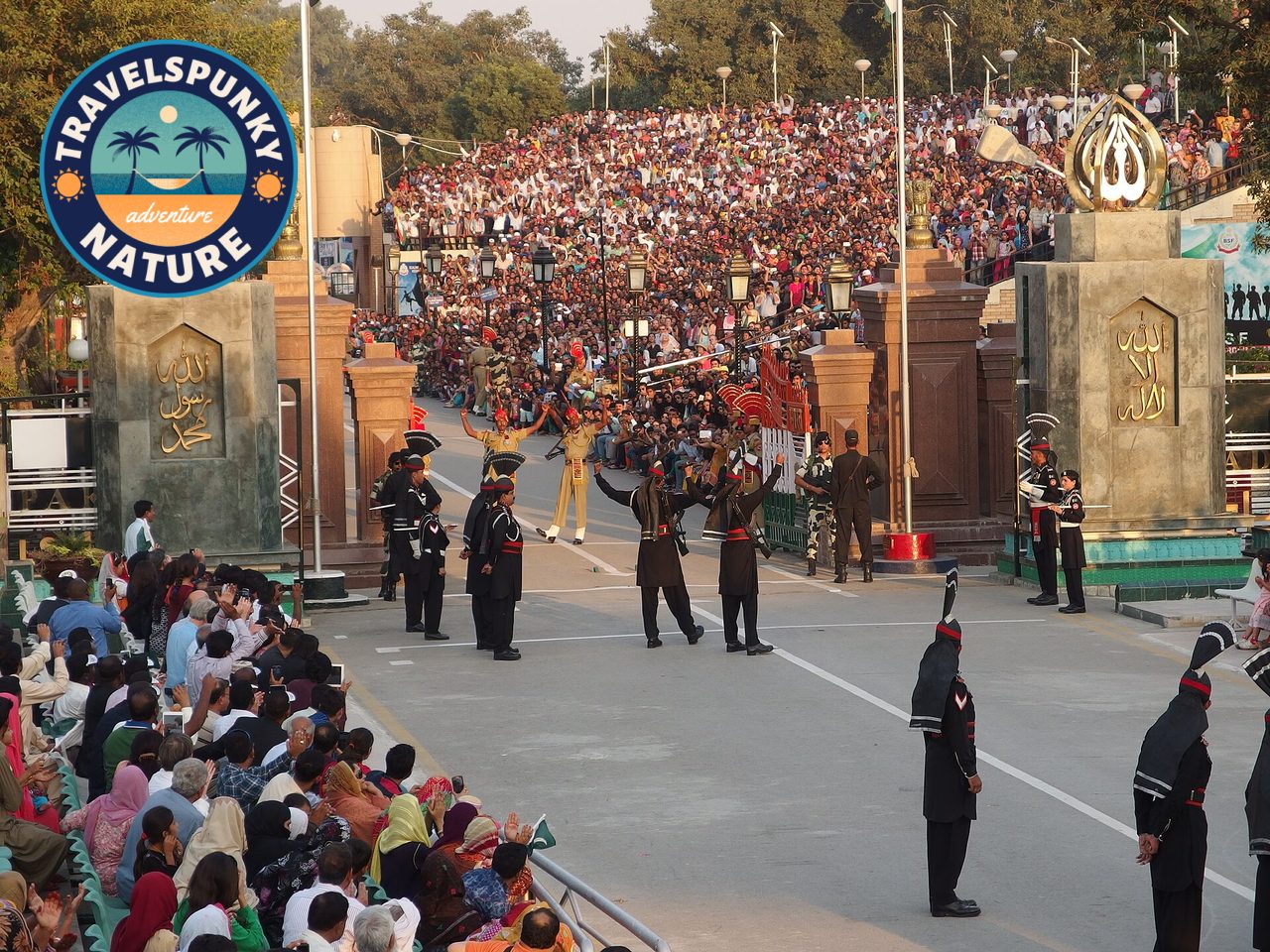
Every evening, about an hour before sunset, the gates at Wagah swing open for one of the strangest and loudest ceremonies in the world. Wagah is the road border between Pakistan and India on the Grand Trunk Road, and since 1959 the soldiers of both countries have lowered their flags here in a drilled, high kicking parade that is half ceremony and half contest.
The Pakistan Rangers march in black, the Indian soldiers face them a few metres away, and the stands on both sides cheer like a cricket crowd. It lasts about half an hour, and the build up is half the fun.
Wagah is about 25 to 30 km east of central Lahore, and the drive takes about an hour with traffic and security checks. Seating is free and first come, first served, so arrive at least an hour before the start. Foreign visitors should carry their passports.
Entry fee: Free, there is no ticket for the ceremony on the Pakistan side.
Hours: Held daily before sunset, starting at about 4.15 pm in winter and about 5.15 pm in summer.
How to reach it: Book a ride-hailing car or taxi for the round trip and ask the driver to wait.
Good to know: Weekends and public holidays are packed, so a weekday visit gives you a better seat and a calmer entry.
10. Data Darbar
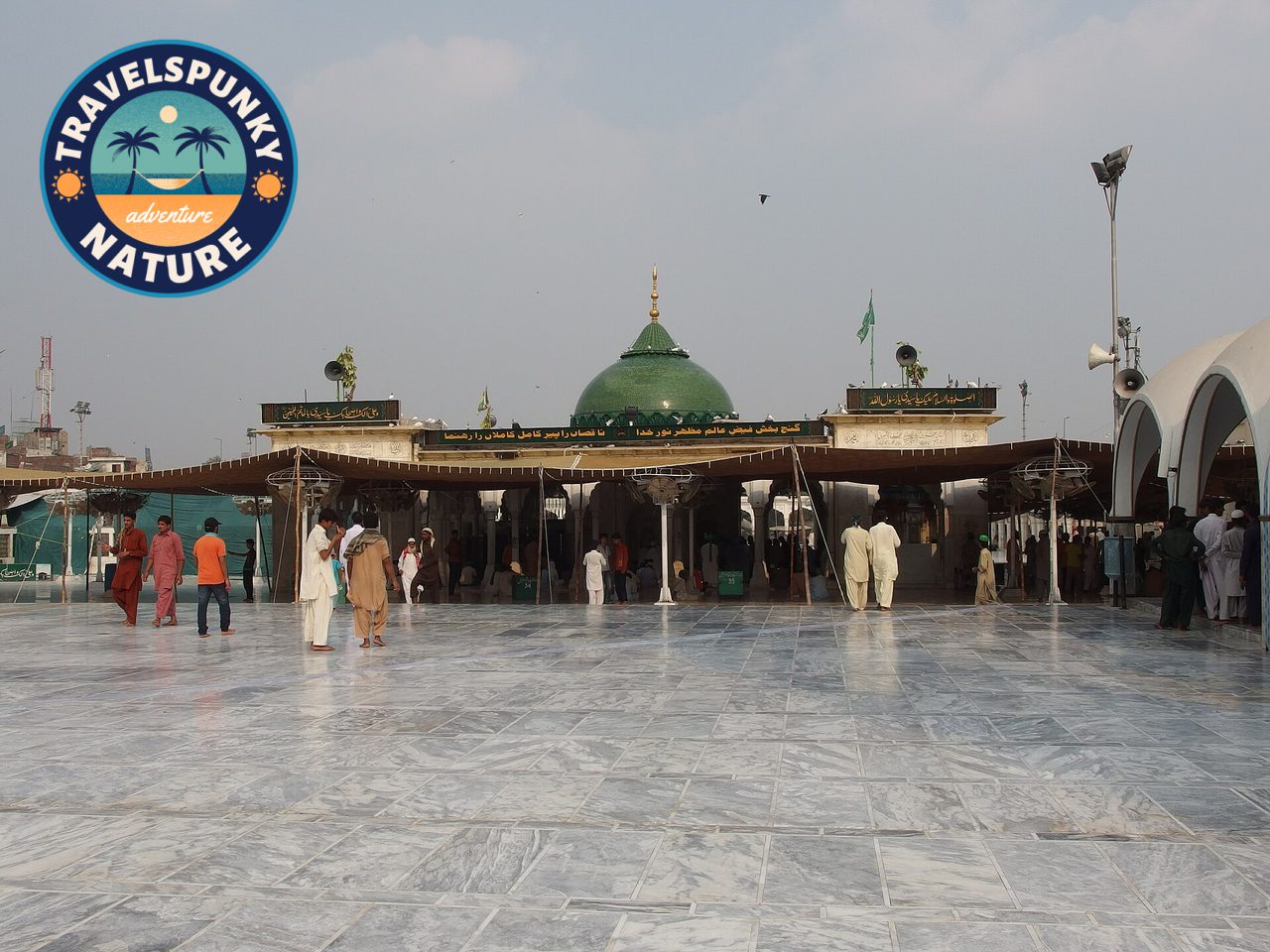
Data Darbar is the shrine of Ali Hujwiri, the 11th century Sufi saint known across Pakistan as Data Ganj Bakhsh. He came from Ghazni, settled in Lahore and wrote one of the earliest books on Sufism. His shrine near Bhati Gate is the largest Sufi shrine in South Asia and the most sacred place in the city.
The complex stays open day and night. Devotees pray, qawwali singers perform, and the kitchen serves free food, the langar, to anyone who comes, a tradition that has run for centuries. Thursday evenings are the traditional time to visit a shrine, and the courtyard fills with people, flowers and rose petals.
Visitors of any faith are welcome. Dress modestly, cover your head, leave your shoes at the counters, and expect a security check at the entrance.
Entry fee: Free for all visitors, and any donation you wish to make is voluntary.
Hours: Open 24 hours a day, every day of the year.
How to reach it: The shrine stands by Bhati Gate on Lower Mall Road, and the Bhatti Chowk station of the Metrobus stops close by.
Good to know: The annual Urs festival draws the largest crowds of the year, so check the dates if you want either the festival or a quiet visit.
11. Fort Road Food Street
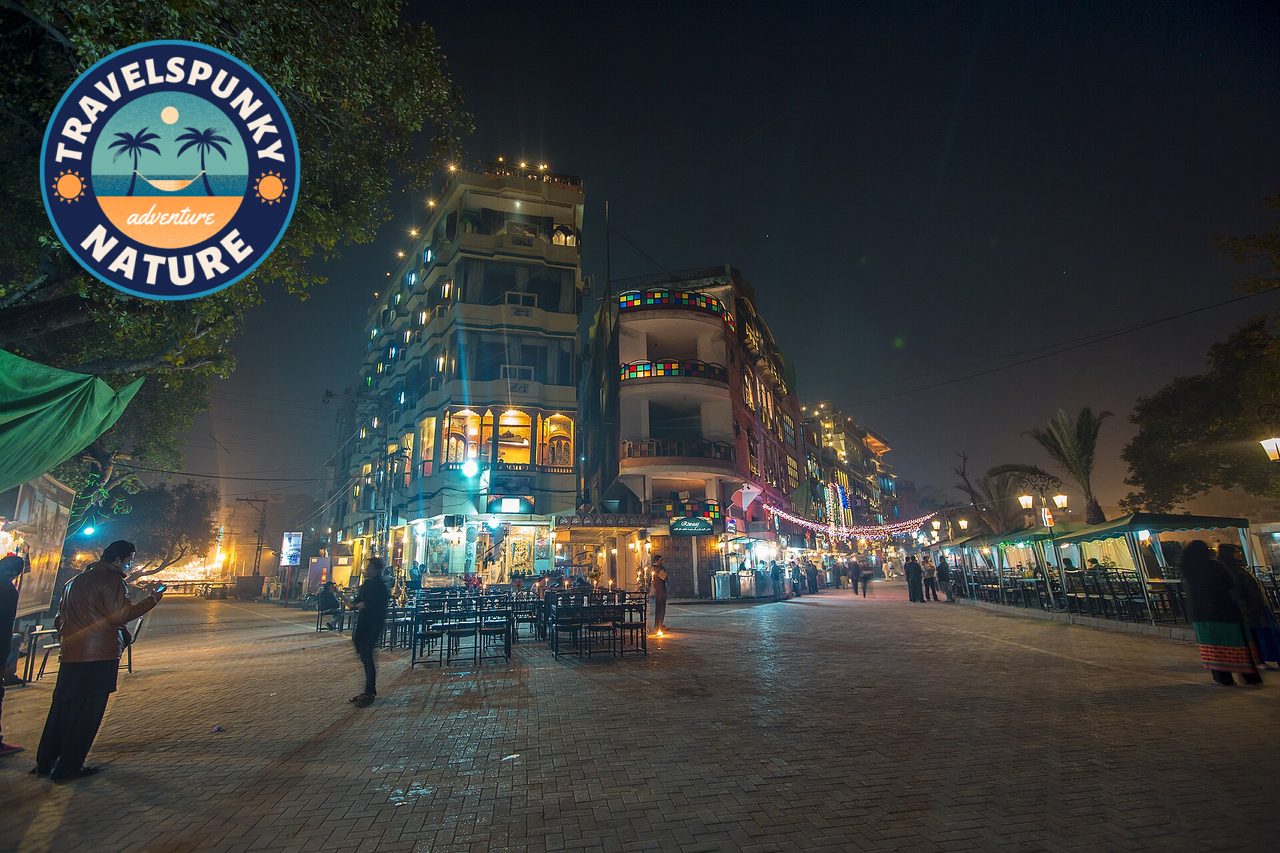
Lahore is famous across Pakistan for its food, and the Fort Road Food Street is the best place to taste it in one evening. The street runs by Roshnai Gate, below the walls of the fort, and it opened in its restored form in January 2012. Old havelis along the street were repaired and turned into restaurants, many with rooftop terraces.
Those rooftops are the reason to come. You eat Lahori chargha, karahi, kebabs and paya while the Badshahi Mosque glows across the square in front of you, lit up for the night. Well known names on the street include Cuckoo’s Den, Haveli Restaurant and Andaaz. Prices change often, so check the menu before you order.
The natural plan is to see the fort and the mosque in the day, rest, and come back here for dinner.
Entry fee: Free to enter the street, and you pay each restaurant for what you eat.
Hours: Restaurants serve from lunch time, and the street is busiest from about 6 pm to midnight.
How to reach it: The food street stands on Fort Road by Roshnai Gate, a few minutes walk from the Badshahi Mosque and the fort.
Good to know: Rooftop tables with the mosque view go first on weekends, so arrive before sunset or book ahead.
Best time to visit Lahore
The honest answer is that Lahore has two seasons to aim for and two to avoid. The pleasant window runs from about October to March, when days are mild and the gardens are green. Within that window, October and the weeks from February to March are the clearest and most comfortable of all.
Summer is the hard season. In May and June the temperature regularly reaches 42 to 45 degrees. The monsoon rains follow from about July to September, with heavy rain and sticky air.
Winter has its own catch. From about November to January, Lahore suffers some of the worst smog in the world, as crop smoke, traffic and still cold air mix over the city. On bad days the air turns hazardous and flights can be delayed by fog. If you visit in those months, check the air quality forecast, carry a good mask and keep outdoor plans flexible.
How to get around Lahore
Lahore has the best public transport of any city in Pakistan. The Orange Line Metro Train, the first metro train in the country, opened in 2020 and runs about 27 km from Ali Town to Dera Gujran, with stations near Anarkali and the old city. The flat fare is about PKR 40. The Metrobus runs on its own corridor from Shahdara to Gajju Mata for a flat fare of about PKR 30.
For most visitors, ride-hailing apps do the heavy lifting. InDrive is the most used app in Lahore, and Yango also operates in the city. Older guides still name Careem and Uber, but both have stopped running rides in Pakistan, so do not rely on them. Auto rickshaws fill the gaps for short trips, and you agree the fare before you climb in.
Allama Iqbal International Airport sits about 15 km east of the city centre, and the drive takes about 25 to 50 minutes depending on traffic. No metro line reaches the airport, so a ride-hailing car or a taxi is the normal way in. If you are pairing Lahore with the capital, our guide to the places to visit in Islamabad is the natural next read, and the motorway trip takes about four hours.
Conclusion
Lahore rewards anyone who gives it time. The fort and the Badshahi Mosque show the power of the Mughals, the Wazir Khan Mosque shows their art, the Walled City shows how people still live inside that history, and the food street shows why Lahoris love their city so much.
Treat this guide as one part of a bigger trip. It links back to our beautiful places in Pakistan guide, pairs with the capital through the Islamabad post, and sits at the start of the road north to Hunza and to Skardu, where the mountains take over from the Mughals.
Frequently asked questions
1. How many days do you need in Lahore?
Two full days cover the fort, the mosques, the museum and the Wagah ceremony without rushing. Three days is better, because it leaves room for Shahdara and the gardens.
2. Can you see the Lahore Fort and the Badshahi Mosque in one visit?
Yes. The two stand on either side of Hazuri Bagh, a two minute walk apart, and one morning or afternoon covers both well.
3. What is the best month to visit Lahore?
October and February to March give the best mix of mild weather and clear air. November to January is cool but carries the smog season, and May and June are best avoided for the extreme heat.
4. What time does the Wagah ceremony start?
The ceremony runs every day before sunset. It starts at about 4.15 pm in winter and about 5.15 pm in summer, and you should be in your seat at least an hour before it begins.
5. What should visitors wear at the mosques and shrines?
Wear modest clothes that cover the shoulders and legs, and women should cover their heads with a scarf. At the Badshahi Mosque, coverings are provided at the gate, and shoes are left with the keeper at every mosque and shrine.
6. How do you get from Lahore airport to the city centre?
The airport is about 15 km from the centre. A ride-hailing car through InDrive or Yango, or an airport taxi, takes about 25 to 50 minutes, and there is no direct metro link.
Researched and verified in November 2026.