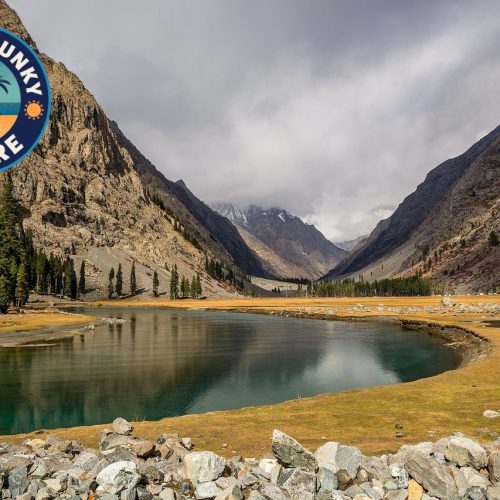
With more than 7,600 islands, the Philippines has more beaches than anyone could visit in a lifetime, which makes choosing where to go the real problem. This guide narrows it to the 10 best beaches in the country, from Boracay’s famous white sand to a protected island in the far north that most Filipinos have never seen.
For each beach you get what actually decides a trip, how to reach it, what it costs in 2026, including the environmental fees that older guides get wrong, the best months to go, and one honest downside. A quick note on fees, El Nido’s environmental fee rose to ₱400 (many pages still say ₱200), and Boracay charges foreign visitors ₱300. Both are covered in the entries below.
The 10 best beaches at a glance
| No. | Beach | Where | The draw | Effort to reach | Best months |
|---|---|---|---|---|---|
| 1 | White Beach, Boracay | Aklan, Visayas | The country’s benchmark white-sand beach | Easy (flight + 15-min boat) | Nov–May |
| 2 | El Nido lagoons & Seven Commandos | Palawan | Lagoons and limestone scenery | Moderate (boat tours) | Dec–May |
| 3 | Nacpan Beach | El Nido, Palawan | 4 km of quiet golden sand | Moderate (45 min from town) | Dec–May |
| 4 | Malcapuya Island | Coron, Palawan | Postcard beach day trip | Moderate–high (1.5-hr boat) | Nov–May |
| 5 | Alona Beach | Panglao, Bohol | Dive base with a lively strip | Easy (airport on the island) | Nov–May |
| 6 | Kota Beach | Bantayan, Cebu | Quiet sandbar island | Moderate (bus + ferry) | Dec–May |
| 7 | White Beach | Puerto Galera, Mindoro | Manila’s no-flight beach weekend | Easy (bus + ferry) | Nov–May |
| 8 | Cloud 9 & Pacifico | Siargao | World-class surf | Moderate (flight + van) | Surf Aug–Nov |
| 9 | Saud Beach | Pagudpud, Ilocos Norte | “Boracay of the North”, uncrowded | High (far north) | Nov–May |
| 10 | Palaui Island | Santa Ana, Cagayan | Protected, undeveloped wild card | High (boat + guide) | Mar–Jun |
1. White Beach, Boracay

Boracay’s White Beach is still the beach every other Philippine beach is measured against, 4 km of powder-fine white sand, calm shallow water, and a complete resort strip behind it, sunset paraw sailing, restaurants and nightlife, all walkable. If you want the easiest, most polished beach holiday in the country, this is it.
How to reach it: There is no airport on Boracay itself. Fly to Caticlan (about 10 minutes from the jetty) or Kalibo (about 2 hours by road), then take the 10–15 minute boat from Caticlan Jetty to the island. Fees at the jetty (per person): environmental fee ₱300 for foreign visitors (₱150 with a Philippine ID), terminal fee ₱150, boat ₱50, roughly ₱500 on arrival, paid cashless through the Boracay iPass QR system. A confirmed hotel booking is required for entry, and the island officially caps tourists at about 19,215 at any one time.
Best months: November to May.
The honest downside: It is the most crowded and developed beach in the Philippines, at peak holidays it fills to its cap, and green algae (lumot) can cloud the shallows roughly February to May.
2. El Nido’s lagoons and Seven Commandos Beach, Palawan

El Nido’s magic is not one beach but a seascape, cathedral-like limestone lagoons you enter by kayak, hidden coves, and white-sand stops like Seven Commandos Beach, all visited on the classic Tour A boat trip (Big Lagoon, Secret Lagoon, Shimizu Island, Seven Commandos). A bonus for 2026, El Nido’s Entalula Beach (a Tour B stop) was named the world’s best beach for 2026 by the World’s 50 Best Beaches panel.
How to reach it: Fly to El Nido’s Lio Airport, note that since March 2026 these flights depart from Clark, not Manila, or fly to Puerto Princesa and take the 5–6 hour van (₱720–790). Tour A joiner trips cost about ₱1,200–₱1,500 per person.
Fees: the El Nido environmental fee (ETDF) is now ₱400 per person, and Big Lagoon charges a separate ₱200 user fee, keep both receipts. Kayak rental adds ₱150–400.
Best months: December to May.
The honest downside: Nothing here is walk-to, every sight is a paid boat tour, the fees stack on top of the tour price, and Big Lagoon at midday in peak season is a queue of kayaks.
3. Nacpan Beach, El Nido
Nacpan is the beach El Nido town itself lacks, 4 km of open golden sand on the outer coast, one half of the Nacpan–Calitang twin beaches, with a fraction of Boracay’s density, long, quiet and properly swimmable.
How to reach it: About 45 minutes north of El Nido town. A tricycle round trip with waiting costs ₱700–₱1,500 per vehicle, shared shuttles run ₱300–₱600 per person, or rent a scooter (₱350–₱700/day). The last stretch of road is rough. There is no entrance fee, ignore anyone at the roadside who says otherwise (a small local fee is occasionally reported, but there is no gate and no ticket).
Best months: December to May.
The honest downside: The rough road, surf and riptides at times (this is open coast, not a lagoon), sandflies, and very few places to eat or stay compared with town.
4. Malcapuya Island, Coron

Coron town is famous for lakes and WWII wreck diving, Malcapuya is its one true postcard beach, powder-white sand, palms, and clear water, visited on the Island Escapade day tour together with Banana Island and the Bulog Dos sandbar, about 1.5 hours by boat each way.
How to reach it: Fly to Busuanga Airport (USU), flights now run from Clark and Cebu, then a shared van (₱150–300) to Coron Town. The Island Escapade joiner tour costs about ₱1,700–₱1,900 per person.
Fees: Coron’s environmental and tourism fee is ₱200 per person, and Malcapuya’s island entrance is roughly ₱200–₱300, sometimes bundled into the tour price and sometimes collected in cash at the stop, carry small bills either way.
Best months: November to May.
The honest downside: Three hours of boating round trip for one beach, no overnight stay for most visitors, and per-stop cash fees that keep appearing on top of the tour price.
5. Alona Beach, Panglao, Bohol

Alona is best understood as a base rather than a destination beach, a lively 1.5 km white-sand strip on Panglao Island with a house reef at its doorstep, turtles at Balicasag Island 20 minutes by boat, and Bohol’s land sights (Chocolate Hills, tarsiers) within day-trip range.
How to reach it: Bohol-Panglao International Airport is on the island itself, Alona is 10–20 minutes away by tricycle (₱150–200). From Cebu, the fast ferry to Tagbilaran takes about 2 hours (₱800–1,200 tourist class), then 25 minutes by road.
Fees: the beach itself is public and free. The fee that matters is offshore, Balicasag Island charges about ₱250 per diver/snorkeller and caps visitors at 150 a day, bookable in advance.
Best months: November to May.
The honest downside: The strip has become loud, dense and tout-heavy, the beach narrows at high tide and boats crowd the swimming area, for a pure swim, locals point visitors to nearby Dumaluan Beach instead.
6. Kota Beach, Bantayan Island, Cebu
Bantayan is the Visayas’ quiet favourite, Boracay-grade white sand and a photogenic shifting sandbar at Kota Beach in Santa Fe, with waist-deep clear water, at small-island prices and pace.
How to reach it: From Cebu City, bus to Hagnaya Port (₱299, about 3–3.5 hours), then the RoRo ferry to Santa Fe (₱370–₱392, about 1–1.5 hours), then a tricycle (₱30 shared). All-in, roughly ₱730–₱750 one way, and leave Cebu by about 1 p.m., because the last ferry goes around 5:30 p.m. A ₱30 environmental fee is collected on arrival at Santa Fe Port. Visit the sandbar at low tide. At high tide it submerges. (Two notes for 2026: Bantayan town itself is operating normally, but Ogtong Cave and the interior of the old Sts. Peter and Paul Church remain closed following the September 2025 earthquake. Don’t plan around either.)
Best months: December to May.
The honest downside: The 5–6 hour door-to-door journey. That’s the price of the quiet, and most visitors decide it’s worth it.
7. White Beach, Puerto Galera
Puerto Galera is Manila’s default beach weekend for one reason, no flight required. Its White Beach is about a kilometre of light, sunset-facing sand, swimmable, lively, and cheaper than any fly-to island, with the dive scene of Sabang minutes away.
How to reach it: Bus from Manila to Batangas Port (₱250–350, 2–3 hours), then ferry to Balatero Port, fastcraft ₱750–782 (1 hour) or RoRo ₱544–550 (up to 2 hours), then a tricycle to White Beach (₱40–60 shared). Total from Manila: roughly ₱850–₱1,300. An environmental user fee of ₱120 per person is paid on entry via the PG-Pass QR system.
Best months: November to May.
The honest downside: The strip is commercialised and noisy in season, the sand is coarser than Boracay’s or Palawan’s, and the June–September monsoon makes the crossing rough, with cancellations.
8. Cloud 9 and Pacifico, Siargao

Siargao belongs on this list as a surf destination first. Cloud 9 is a world-class barreling reef break with an iconic boardwalk and viewing tower, home of the Siargao Cup each October, while Pacifico, about 1.5 hours north, is its quieter, greener sibling. The classic swim-and-sand day here is actually the tri-island boat trip (Naked, Daku and Guyam islands).
How to reach it: Fly to Sayak Airport (from Cebu or Clark), then a shared van to General Luna (₱300–400, 45–60 minutes).
Fees: Cloud 9 boardwalk entry is ₱100 per person, and island-hopping trips pay a ₱100 local tourism fee (joiner tri-island tours about ₱1,500). Surf lessons with a board run ₱500–₱1,000 an hour.
Best months: For surf, August to November (peak September–November). For calm seas and island hopping, March to June. Siargao’s wettest stretch is November–January, the mirror image of Palawan.
The honest downside: Cloud 9 is intermediate-to-advanced only, over a shallow sharp reef (beginners are steered to the Jacking Horse break), and General Luna’s own shoreline is rocky rather than swimmable sand.
9. Saud Beach, Pagudpud, Ilocos Norte

Saud is the “Boracay of the North” without the crowds, a long crescent of fine cream-white sand shaded by casuarina trees instead of beach clubs. The journey in is half the experience, past the Bangui windmills and along the Patapat Viaduct.
How to reach it: Fly Manila to Laoag (about 1 hour), then bus or van to Pagudpud (₱80–₱200, 1–2 hours), or take the direct overnight bus from Manila (10–12 hours). A tricycle from town to Saud costs ₱100–150. The beach is public. At most a small municipal environmental fee (around ₱20) may be collected.
Best months: November to May (coolest December–February). Avoid July–October on this typhoon-exposed coast.
The honest downside: It is far, there is no shortcut, and the restaurant and hotel scene is thin compared with the resort islands.
10. Palaui Island, Santa Ana, Cagayan

The wild card. Palaui is a 7,415-hectare protected landscape and seascape off Luzon’s northeastern tip, the Spanish-era Cape Engaño lighthouse, empty coves, the Survivor filming location, and a beach CNN once ranked among the world’s ten best, still genuinely undeveloped.
How to reach it: This is the highest-effort trip on the list. Bus from Manila to Santa Ana (about ₱1,490–1,500, 13–15 hours) or fly to Tuguegarao and transfer by van, tricycle to San Vicente Port (₱15–25), register with the boat association, boats are priced per boat, ₱1,800 to Cape Engaño, or ₱3,500 for the full combo trip (Cape Engaño, Anguib Beach, Crocodile Island, Punta Verde). A guide is mandatory (₱300–500 per group), and small registration, entrance and environmental fees (roughly ₱50 each) plus a partly refundable garbage deposit apply.
Best months: March to June and the dry season generally. The Babuyan Channel crossing cancels in rough weather.
The honest downside: Boat-only access, weather permitting, no real infrastructure, bring supplies and cash, and expect homestays, not hotels.
Which beaches combine in one trip?
- El Nido + Coron is the classic Palawan pair, a fast ferry links them in 3.5–4 hours (₱2,600–₱3,784 depending on operator, confirm sailings before relying on them, as schedules have been limited), or a 40-minute flight. Budget both towns’ fees: ₱400 in El Nido and ₱200 in Coron.
- Cebu is the Visayas hinge, fly into Cebu for Alona (2-hour ferry to Bohol) and Bantayan (bus + ferry north) in one trip, and Cebu now has direct flights to El Nido, Coron and Siargao, so a 10–14 day trip can add one Palawan or surf stop.
- Boracay and Puerto Galera are standalones, Boracay by air (a direct Caticlan–El Nido flight now exists if you want to bookend it with Palawan), Puerto Galera as a Manila weekend.
- Saud + Palaui pair into one far-north Luzon road trip, but with nothing else on this list. They need their own journey.
- One warning, Siargao’s best season (Aug–Nov surf) is Palawan’s wet season, and vice versa. A combined Siargao + El Nido trip means compromising one of them.
Conclusion
The Philippines doesn’t have a single “best beach”, it has a best beach for each kind of trip. Boracay for ease and polish, El Nido for scenery, Malcapuya for the postcard, Siargao for surf, Bantayan and Saud for quiet, Palaui for wilderness, and Puerto Galera when you only have a weekend. Pick by the journey you’re willing to make and the season you’re travelling in, budget the environmental fees honestly (₱400 in El Nido, ₱300 in Boracay, ₱200 in Coron), and any of the ten will deliver the beach the brochures promise.
Researched and last verified: November 2026, using Philippine tourism and municipal sources. Fees, ferry schedules and flight routes change often, please re-check before you travel.
FAQs
1. What is the number one beach in the Philippines?
Boracay’s White Beach is the country’s benchmark and most-visited beach. For scenery, El Nido’s lagoons beat it, and El Nido’s Entalula Beach was named the world’s best beach for 2026 by the World’s 50 Best Beaches panel.
2. What month is best for Philippine beaches?
November to May is the dry season for most of the country, with December to February the coolest. The big exception is Siargao, its surf peaks August to November and its wettest months are November to January.
3. Is Boracay still worth it after the rehabilitation?
Yes, the 2018 rehabilitation cleaned the beach and water noticeably, and entry is now controlled (confirmed hotel booking required, a tourist cap applies). Go outside peak holidays if crowds bother you, and expect green algae in the shallows roughly February to May.
4. How much is the El Nido environmental fee?
₱400 per person for visitors from outside Palawan. It was raised from ₱200, any guide still quoting ₱200 is out of date. Big Lagoon charges a separate ₱200 user fee on top.
5. What fees do you pay to enter Boracay?
At Caticlan Jetty, per person: ₱300 environmental fee for foreign visitors (₱150 with a Philippine ID), ₱150 terminal fee and ₱50 for the boat, about ₱500 in total, paid through the iPass QR system, plus your confirmed hotel booking.
6. Are Philippine beaches safe?
Generally yes, in the established destinations on this list. The practical risks are sun, boat crossings in monsoon weather, and riptides on open-coast beaches like Nacpan, swim where locals swim, and respect weather cancellations rather than pressing boatmen to sail.