Kona is the sunny side of Hawaii Island, the Big Island, a dry leeward coast where the rain mostly falls somewhere else. It is also the island’s visitor base, with the airport, the main town and most hotels strung along one coast road.
This guide lists the ten experiences that matter most on a first trip, with what each one costs, the rules that catch people out and where each one falls short. Two are national historical parks, one is a night swim with manta rays, and one is a long day trip to an erupting volcano. If your trip pairs the Big Island with Oahu, our guide to the best things to do in Oahu covers that island.

At a glance
| No. | Experience | Where | Cost for an adult | Booking |
|---|---|---|---|---|
| 1 | Manta ray night snorkel | Keauhou Bay or Makako Bay | About $110 to $180 | Yes, book ahead |
| 2 | Kealakekua Bay and the Captain Cook Monument | South Kona | Boats about $125 to $195, kayak tours about $95 to $135 | Yes, permits rule the bay |
| 3 | Pu’uhonua o Honaunau, the Place of Refuge | South Kona | $20 per car for 7 days | No booking |
| 4 | Kaloko-Honokohau and the honu turtles | North of town, by the airport | Free | No booking |
| 5 | Kona coffee farm tours | The coffee belt above the coast | Greenwell free, Living History Farm $20 | Mostly no booking |
| 6 | Kailua-Kona town and Hulihe’e Palace | Ali’i Drive | Palace $16, church free | Palace walk-ins welcome |
| 7 | Hapuna and the Kohala Coast beaches | Kohala Coast | $5 entry plus $10 parking for non-residents | No booking, arrive early |
| 8 | Mauna Kea, summit or stargazing | Saddle Road | Visitor station free, summit tours about $300 to $350 | Book tours ahead |
| 9 | Whale watching | Kona coast | Tours about $100 to $140 | Seasonal, December to April |
| 10 | Hawaii Volcanoes National Park day trip | The far side of the island | $30 per car for 7 days | No booking, a long day |
1. Manta ray night snorkel
After dark, the Kona coast puts on the wildlife show Hawaii is famous for. Boats anchor over a sandy bottom and set lights into the water, the light draws plankton, and the plankton draws manta rays that barrel roll through the beams with their mouths open, sometimes inches from your mask.
You watch from the surface, floating flat and holding a lit board. Two long-running sites host the swim, Manta Village off Keauhou Bay in front of the Outrigger Kona Resort, and Makako Bay near the airport. Many rays are known individuals, identified by the spot patterns on their bellies, and they have no teeth, no stingers and no barbs.
Cost: Night snorkel tours run about $110 to $180 per adult for about 2 to 2.5 hours, with up to about 45 minutes in the water. Certified divers can watch from the bottom on a night dive at about $175 to $250.
The rules: Never touch a manta, even one that brushes past you. Touching strips the protective coating on its skin and can leave it open to infection, and guides will pull a guest who reaches out. Stay flat, do not dive down toward the rays, and keep cameras close to your body.
Worth knowing: You must be able to swim. Rebook policies differ, some operators offer a free second night if no mantas appear and others offer nothing, so check before you pay.
The honest downside: Sightings are likely but never guaranteed, because the rays are wild. The water feels cold after half an hour even in a wetsuit, and a choppy night makes for a rough boat ride in the dark.
2. Kealakekua Bay and the Captain Cook Monument
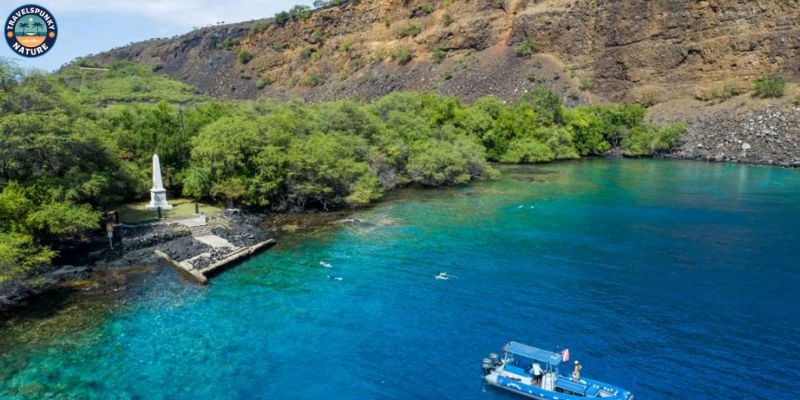
Kealakekua Bay is a Marine Life Conservation District about 12 miles south of Kailua-Kona, and the reef below the Captain Cook Monument is the best snorkeling on the island. The water is clear, the coral is healthy and the protected fish are plentiful. The white obelisk on the far shore, 27 feet tall, marks the spot where Captain James Cook was killed in 1779.
There is no road to the monument, and the bay runs on a strict state permit system, so how you go decides what you get.
By boat: Snorkel cruises leave from Keauhou Bay and moor in front of the monument. The long-running Fair Wind morning cruise costs about $175 to $195 per adult, with breakfast, lunch and about 2.5 hours in the water, and smaller raft trips run about $125. Boat guests snorkel from the boat, nobody lands at the monument.
By kayak: Every vessel on the bay needs a State Parks permit, and rental kayaks carry their operator’s permit. On a rental you paddle across and snorkel from your kayak, because rentals may not land at Ka’awaloa. Only guided kayak tours, run by the few operators with landing permits, may pull ashore by the monument, at about $95 to $135 per person.
On foot: The Ka’awaloa Trail drops about 2 miles and about 1,300 feet from the highway down to the monument. It is the free route in, and the climb back up in full sun is the price.
The honest downside: The rules confuse almost everyone, and an ordinary kayak rental never includes landing at the monument, whatever the sales pitch implies. Spinner dolphins rest in the bay, and federal law keeps boats and swimmers 50 yards away from them.
3. Pu’uhonua o Honaunau, the Place of Refuge
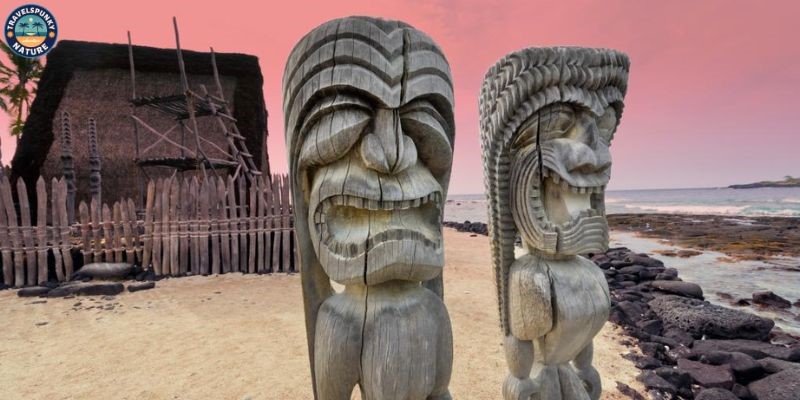
South of the bay stands the most important Hawaiian cultural site on the Kona coast. A pu’uhonua was a place of refuge. In old Hawaii, a person who broke a kapu, a sacred law, faced death, unless they reached the pu’uhonua first and were absolved by its priests. Defeated warriors and civilians sheltered here in wartime too.
The park holds the Royal Grounds, where chiefs lived, and the pu’uhonua itself, guarded by the Hale o Keawe temple and its carved wooden ki’i. A massive stone wall, about 1,000 feet long and 10 feet high, separates the two. The whole visit is self-guided and quiet.
Cost: Entry costs $20 per private vehicle, $15 per motorcycle or $10 per person on foot or by bicycle, and the pass lasts 7 days. Children aged 15 and under enter free, and the gate is cashless, so bring a card. The Hawai’i Tri-Park Annual Pass also covers this park, Hawaii Volcanoes and Haleakala.
Hours: The park opens at 8:15 AM and closes at sunset, and the visitor center is open from 8:30 AM to 4:30 PM.
Worth knowing: You cannot swim or snorkel inside the park, because the grounds are sacred. The famous snorkeling spot called Two Step sits right next door on Honaunau Bay, outside the park boundary, with entry over a flat lava shelf and parking in a small paid lot.
The honest downside: There is little shade and no food inside the park, so bring water and plan Two Step or a beach for the swim part of the day.
4. Kaloko-Honokohau and the honu turtles
Five minutes south of the airport, behind a plain lava field, sits the coast’s easiest free sight. Kaloko-Honokohau protects an old Hawaiian settlement shore, with two great fishponds, house platforms, petroglyphs and a beach where green sea turtles, honu, haul out to rest.
The turtles are the draw. They graze on algae in the shallows at ‘Ai’opio, by Honokohau Beach, and climb onto the sand to bask, most reliably in the morning. Behind the beach, the Kaloko Fishpond and its huge stone seawall show how Hawaiians farmed the sea, and the ‘Aimakapa Fishpond is now a wetland full of native birds.
Cost: Entry and parking are completely free.
Hours: The visitor center, Hale Ho’okipa, is open daily from 8:30 AM to 4 PM, and the Kaloko Road gate runs from 8 AM to 5 PM. The beach can also be reached on foot from Honokohau Harbor.
The turtle rule: Stay at least 10 feet from every turtle and never touch one. They are protected by federal law, and a resting turtle needs its space.
The honest downside: The park is hot, dry and almost shadeless, and the trails cross rough lava. The beach is a turtle beach, not a swimming beach, so come early, carry water and treat the visit as a walk and a wildlife stop.
5. Kona coffee farm tours
Above the coast road, on the green slopes of two volcanoes, a belt of small farms about 30 miles long grows one of the most famous coffees in the world. Kona coffee commands its price because the belt is small and every cherry is picked ripe by hand, in several passes over the same trees.
Farms along the Mamalahoa Highway open their gates, and a farm stop pairs well with the drive south to Kealakekua Bay and Pu’uhonua.
Greenwell Farms: The easiest first stop, in Kealakekua. Free guided tours run daily from 8:30 AM to 2 PM, leaving every 30 minutes, lasting about an hour and ending with a tasting. No booking is needed.
Kona Coffee Living History Farm: A working 1920s farmstead run by the Kona Historical Society, where interpreters show how a Japanese immigrant family farmed and lived. Admission costs $20 per adult, and the farm opens only on Tuesdays and Fridays from 10 AM to 2 PM, so plan around those days and check before you go.
Buying beans: A bag labelled 100 percent Kona is all Kona. A Kona blend can legally be as little as 10 percent Kona beans, so read the label before you pay Kona prices.
The honest downside: The farm shops know what they have, and 100 percent Kona is some of the priciest coffee in the world. The tours are also partly a sales funnel, a friendly one, but a funnel all the same.
6. Kailua-Kona town and Hulihe’e Palace
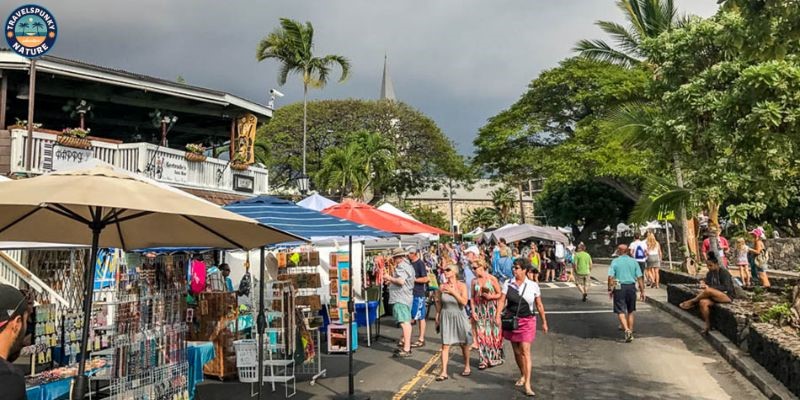
Kailua-Kona is the coast’s town, and its waterfront strip, Ali’i Drive, holds the restaurants, bars and shops along one walkable seawall. The Ironman World Championship swim starts at Kailua Pier each October, and the restored Ahu’ena Heiau at Kamakahonu, King Kamehameha’s last residence, stands on the point just north of the pier.
Two historic buildings face each other across the drive. Hulihe’e Palace, built in 1838, was the seaside vacation home of Hawaiian royalty and is now a museum of royal furniture, portraits and artifacts. Across the street, Moku’aikaua Church, built of lava rock in the 1830s, is the oldest Christian church in Hawaii and still an active church.
Cost: The palace charges $16 per adult for a self-guided visit and $20 for the docent-led tour. The church is free to enter.
Hours: The palace opens only from Wednesday to Saturday, from 10 AM to 3 PM, with the last entry at 2:30 PM. It is closed from Sunday to Tuesday, so a weekend plan can miss it completely.
The honest downside: Ali’i Drive is a tourist strip, with cruise ship crowds on port days and paid parking that fills fast. The palace’s short hours are the real trap, so check the day before you walk over.
7. Hapuna and the Kohala Coast beaches
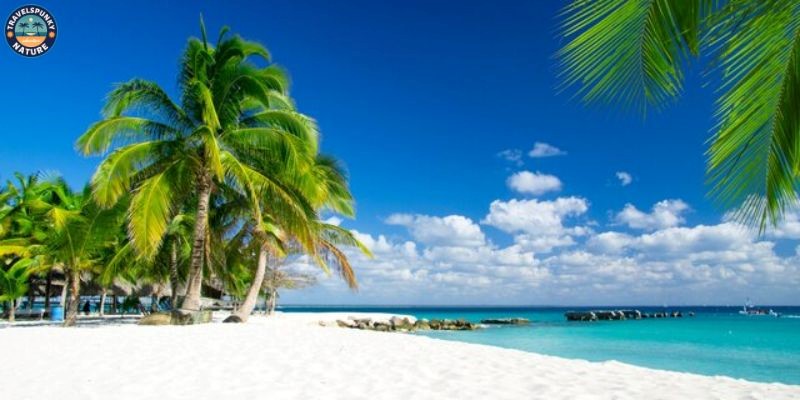
Most Kona beaches are small coves cut into black lava. Hapuna is the exception, about half a mile of wide white sand up the Kohala Coast, and the best classic beach day on the island. It has lifeguards, restrooms and showers, and the swimming is gentle for much of the year.
Waialea Bay, called Beach 69 for its old pole marker, sits inside the same state recreation area, with shade trees and better snorkeling. Kauna’oa Bay, in front of the Mauna Kea Beach Hotel, is the other postcard beach, and its public parking is limited and first come.
Cost: Hapuna charges non-residents $5 per person to enter and $10 per vehicle to park, and payment is by card only. Hawaii residents with state ID enter and park free, and children aged 3 and under are free.
Hours: The park is open from 7 AM to 7:30 PM, and the gates close at 8 PM.
The honest downside: In winter the surf turns, and Hapuna’s shorebreak can pound hard enough to hurt people, so swim near the lifeguard stand and obey the flags. The lot also fills on weekends and holidays, so arrive in the morning.
8. Mauna Kea, summit or stargazing
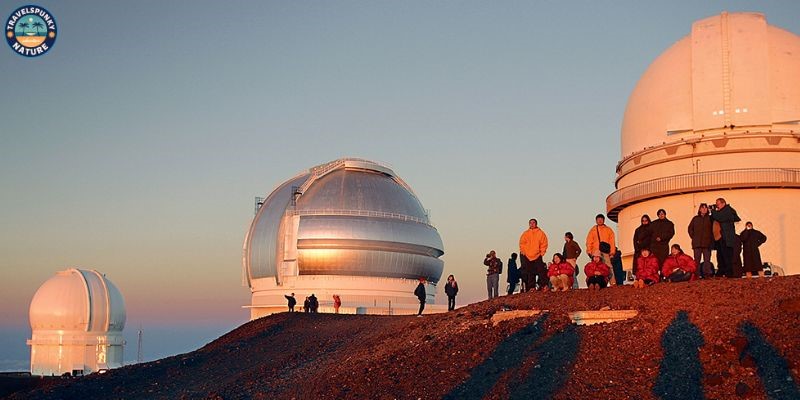
Mauna Kea is the tallest mountain in Hawaii at 13,803 feet, and measured from its base on the ocean floor it is the tallest mountain on earth. Its summit holds the world’s great observatories, under one of the clearest night skies on the planet. It is also a sacred mountain to Native Hawaiians, and the visit runs on strict rules.
Most visitors stop at the Visitor Information Station at 9,200 feet, which any car can reach on a paved road off the Saddle Road. The station has exhibits, hot drinks and sunset views above the clouds.
The summit rules: Only proper four-wheel drive vehicles may go above the visitor station, and ordinary rentals are barred by the rule and by most rental contracts. Stop at the station for at least 30 minutes to adjust to the altitude first. The summit is open from 30 minutes before sunrise to 30 minutes after sunset, so nobody stargazes from the top.
Who should not go: Children under 13, pregnant women and anyone with heart or breathing problems should stay at or below the visitor station. Nobody should go up within 24 hours of scuba diving.
Cost: Driving yourself to the visitor station is free. Guided summit tours, which handle the vehicle, the parkas and the telescopes, run 8 to 9 hours and cost about $300 to $350 per person, for ages 13 and up.
The honest downside: The visitor station no longer runs the free nightly telescope program it was once known for, so the telescopes now come with a paid tour. Altitude sickness is common even at the station, the summit is near freezing when the beach below is hot, and weather can close the summit road without warning.
9. Whale watching
From about mid December to mid April, the Kona coast becomes a whale nursery. Thousands of North Pacific humpbacks migrate down from Alaska to mate, calve and nurse in Hawaii’s warm, sheltered water, and the peak months are January to March.
Whale watching boats leave from Honokohau Harbor, just north of town, and from the Kohala Coast. A typical trip runs 2 to 3 hours, with naturalist guides and, on some boats, a hydrophone so you can hear the males singing below the surface. Boats must keep at least 100 yards from the whales by federal law, so the whales decide how close the encounter gets.
Cost: Tours run about $100 to $140 per adult in season. Some operators promise a free return trip if no whales are seen, so check the guarantee before you book.
The honest downside: Outside the season there are no humpbacks to watch, whatever the brochures imply, and even in season a quiet trip of distant spouts is possible. Spinner dolphins are here all year, and many trips see them instead.
10. Hawaii Volcanoes National Park day trip
Hawaii Volcanoes National Park is not on the Kona coast, and it is still the island’s biggest sight. The park protects Kilauea, one of the most active volcanoes on earth. Kilauea has been erupting in episodes since December 2024, throwing lava fountains inside Halema’uma’u crater and then pausing, so what you see depends on the week you come.
The drive from Kailua-Kona runs about 95 miles each way on Highway 11, roughly 2 to 2.5 hours around the south of the island. Inside the park, a day covers the Kilauea Visitor Center, the Steam Vents, the Kilauea Iki Overlook, the Nahuku lava tube and a drive down Chain of Craters Road toward the sea.
Cost: Entry costs $30 per private vehicle, and the pass lasts 7 days. The park is open 24 hours, and there is no booking system for general entry.
Worth knowing: Check the USGS Hawaiian Volcano Observatory update on the morning you go, it reports whether an episode is active, paused or forecast, and the park’s conditions page lists closures.
The honest downside: It is 4 to 5 hours of driving inside a day trip, and an eruption pause can mean a cold crater and no glow at all. Many visitors sleep a night in Volcano village or Hilo instead, and if the volcano matters most on your trip, that is the better plan.
Best time to visit Kona
Kona is the dry side of the island, in the rain shadow of its volcanoes. It stays warm all year, with daytime temperatures in the low to mid 80s Fahrenheit, a sea that is swimmable in every month and far less rain than the Hilo side.
The calendar still shapes the trip. Whales run from December to April. The calmest snorkeling water usually comes in summer, while winter surf roughens exposed beaches like Hapuna. Coffee harvest runs roughly from late summer into January, and the Kona Coffee Cultural Festival takes over the coast each November. In October the Ironman World Championship fills the town, and rooms and cars book out. Volcanic smog, called vog, drifts over Kona on some days and can irritate sensitive lungs.
How to reach Kona, and getting around
Flights land at Ellison Onizuka Kona International Airport, usually just called Kona airport, about 7 miles north of Kailua-Kona. The drive into town takes about 15 minutes.
Rental car: Rent one. Everything in this guide spreads along about 40 miles of coast, there is no shuttle network, and the parks, the coffee farms and Hapuna are all drive-to visits. Book early for Ironman and Christmas, when cars sell out.
The bus: The county Hele-On bus runs along the coast and into town, and it is cheap. It is also infrequent, so it works only for travellers with simple plans and plenty of patience.
Taxis and rideshare: Both exist around the airport and town, and both thin out fast away from the centre. They suit an airport run or a dinner, not a day of sightseeing.
Worth knowing: Kailua-Kona town itself is walkable. Stay near Ali’i Drive and the town section of this guide needs no car at all.
Where to stay in Kona
Kailua-Kona town: The default base. Hotels and condos line Ali’i Drive and the streets behind it, the restaurants and the pier are on foot, and the manta boats at Keauhou are about 15 minutes south.
Keauhou: A quieter resort area just south of town, built around Keauhou Bay, where the Manta Village night snorkel runs. It suits travellers who want the mantas on their doorstep.
Waikoloa and the Kohala Coast: The big resort hotels sit up the coast, about 30 to 40 minutes north of town, close to Hapuna and the island’s best beaches. The trade is distance, everything to the south becomes a longer drive.
Vacation rentals: Condos and houses spread along the coast and up into the coffee belt, and they suit longer stays and groups. Check the parking and the drive time to the coast road before you book, because the hillside streets are steep.
FAQs
1. What should I book first for Kona?
The manta ray night snorkel, because the best small boats sell out, and a Mauna Kea summit tour if you want one. The parks, the coffee farms and Hapuna need no booking, just an early start.
2. How many days do you need in Kona?
Four to five days covers this list at a sane pace. Give the south coast a day for Kealakekua and Pu’uhonua, the north a day for Kaloko-Honokohau and Hapuna, an evening to the mantas and a long day or an overnight to the volcano.
3. Can you visit Kona without a rental car?
For the town itself, yes. For the island, not really. The sights spread along about 40 miles of coast, the bus is infrequent and no shuttle runs to the parks or the bay. Tours with hotel pickup cover the mantas and Mauna Kea, and that is the workable no-car plan.
4. When can you see manta rays in Kona?
All year. The night snorkel runs in every month, because the rays feed on the plankton drawn to the lights and stay on this coast. Sightings are likely on most nights and never guaranteed.
5. Is Kealakekua Bay worth the permit hassle?
Yes. It is the best snorkeling on the island, and the permit system is exactly why the reef is in such good shape. Take a boat cruise if you want it easy, and a guided kayak tour if you want to stand at the monument.
6. What is the best month to visit Kona?
For whales and cooler evenings, January to March. For the calmest sea and the easiest snorkeling, May to September. For coffee harvest and the festival, November. October belongs to Ironman, and the town is at its fullest then.
Researched and verified: November 2026. This guide is research-based, compiled from official visitor information, maps and traveller reports. Prices, hours and permit rules change, so confirm them locally before travelling.