Swat Valley is a green river valley in Khyber Pakhtunkhwa, in the foothills of the Hindu Kush, and it is often called the Switzerland of Pakistan. The best places to visit in Swat Valley run in one line up the Swat River. Mingora and Saidu Sharif hold the museum, the great Buddhist stupa and the White Palace. Malam Jabba adds the ski slopes. The road north through Madyan and Bahrain ends at Kalam, the base for Ushu Forest and Mahodand Lake.
In short, the places not to miss are the Swat Museum, the Butkara Stupa, the White Palace at Marghazar, Malam Jabba, Kalam and Mahodand Lake. This guide covers the 10 places we would send a first time visitor to, with the entry fee, the honest catch and the road facts for each one. It sits inside our bigger guide to the beautiful places in Pakistan, so read that too for a full country trip.
Give the valley at least three or four days, because the sights spread along about 100 km of mountain road. And read the safety section below before you plan anything, because the official travel advice for Swat is serious at the moment.
The 10 places at a glance
| No. | Place | Where in Swat | Best for |
|---|---|---|---|
| 1 | Mingora and Fizagat Park | Lower valley, the main town | Transport, hotels and the river park |
| 2 | Swat Museum | Saidu Sharif Road | Gandhara history |
| 3 | Butkara Stupa | Gulkada, by Mingora | Ancient Buddhist site |
| 4 | White Palace | Marghazar, 13 km from Saidu Sharif | Royal heritage hotel |
| 5 | Malam Jabba | 40 to 45 km from Mingora | Skiing and the chairlift |
| 6 | Madyan and Bahrain | Mid valley, on the Kalam road | Riverside towns and bazaars |
| 7 | Kalam | Upper valley, about 100 km from Mingora | Hotels and side trips |
| 8 | Ushu Forest | 8 km from Kalam | Deodar forest walks |
| 9 | Mahodand Lake | 35 to 40 km from Kalam | Boating and trout |
| 10 | Jarogo Waterfall | Matta side valley, about 55 km from Mingora | Often called Swat’s tallest falls |
How to reach Swat
Almost every visitor reaches Swat by road from Islamabad. The drive to Mingora is about 230 to 250 km and takes about 4 to 5 hours in normal traffic. You take the M-1 motorway and then the Swat Expressway, the M-16, to Chakdara, and from there the N-95 road runs up the valley through Mingora and Bahrain to Kalam. Our guide to the places to visit in Islamabad covers the usual starting point of the trip.
Coaches and shared cars run to Mingora from Islamabad and Peshawar, and Peshawar to Mingora is about 100 to 110 km, about 2 to 2.5 hours by road. Saidu Sharif has a small airport, but flights have been rare in recent years, so plan on the road.
The upper valley runs on jeeps. Shared jeeps and vans climb from Mingora to Bahrain and Kalam, and for Mahodand Lake and the side valleys you hire a local 4×4 with a driver in the bazaar and agree the fare before you set off. Do not count on the city ride-hailing apps up here, because they belong to the big cities and do not cover the valley in any useful way.
One honest warning about the Kalam road. The floods of 2022 damaged the N-95 at several points between Bahrain and Kalam, and parts of it were only temporarily restored. The road is open, and the National Highway Authority posts regular updates saying it is clear for all vehicles, but the damaged sections are still rough and slow, and full reconstruction was still being processed in 2026. Allow about 3 to 5 hours from Mingora to Kalam and travel in daylight.
Safety and travel advice
This section matters more than any other in this guide. The UK Foreign Office, the FCDO, currently advises against all travel to Swat district, and that advice was updated on 18 November 2026. The United States government also advises against travel to this area. We are not going to call Swat safe in the face of that advice, and no scenery is worth ignoring it.
Travelling against FCDO advice can invalidate your travel insurance. In October 2026, emergency measures and Governor’s Rule were also introduced in Khyber Pakhtunkhwa province, and disruption to roads and services has been reported in parts of the province.
So the rule is simple. Check your own government’s current advice for Swat before you book anything, and check it again before you travel, because advisories change. If your government advises against travel, treat that as the answer, whatever any blog, this one included, says about the valley.
1. Mingora and Fizagat Park
Mingora is the gateway to Swat, the valley’s main town and transport hub, sitting at about 1,000 metres where the lower valley meets the road north. Every trip up the valley starts or passes through here, and Fizagat Park, a green stretch on the bank of the Swat River just outside the town, is its easiest pleasure.
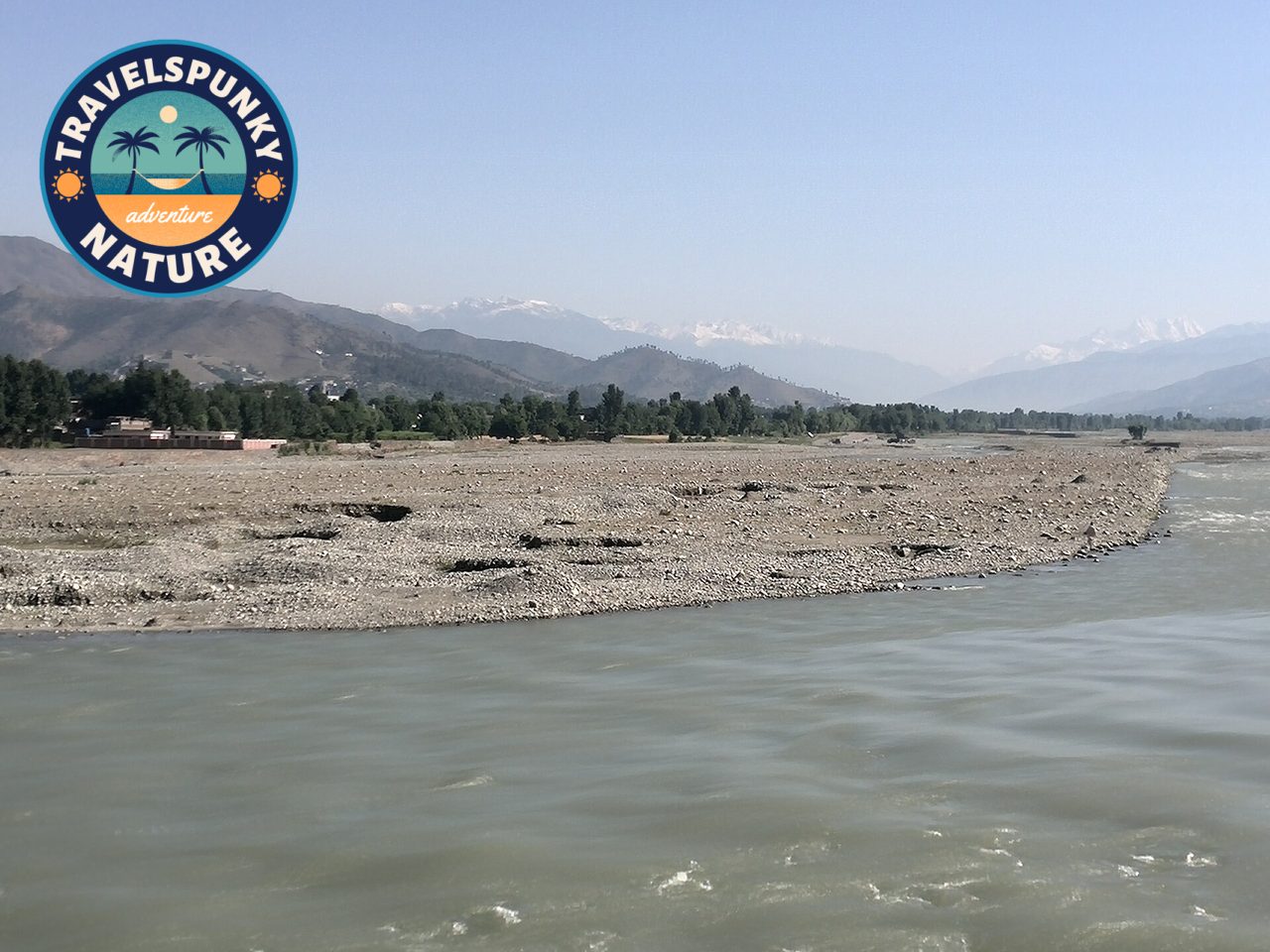
Fizagat is where Mingora comes to breathe. Lawns and paths run along the river, families picnic on the grass, and hotels and restaurants line the bank with tables facing the water. The river runs fast and cold here, straight down from the mountains.
Mingora itself is a working town, not a sight. Use it for buses, jeeps, hotels at every budget and the last big bazaar before the road climbs. Saidu Sharif, the old princely capital and now the administrative centre, sits about 2.5 km away and holds the museum and the stupa, the next two stops on this list.
How to reach it:
Coaches and shared cars from Islamabad and Peshawar end in Mingora, and Fizagat is a short rickshaw ride from the town centre.
Good to know:
Do the museum and the stupa in the morning, then come back to Fizagat for the evening, when the riverbank is at its best.
2. Swat Museum
The Swat Museum in Saidu Sharif holds one of the finest Gandhara collections in Pakistan, more than 3,000 artefacts gathered from sites across the valley. If you see only one indoor sight in Swat, make it this one, because it explains everything else on this list.
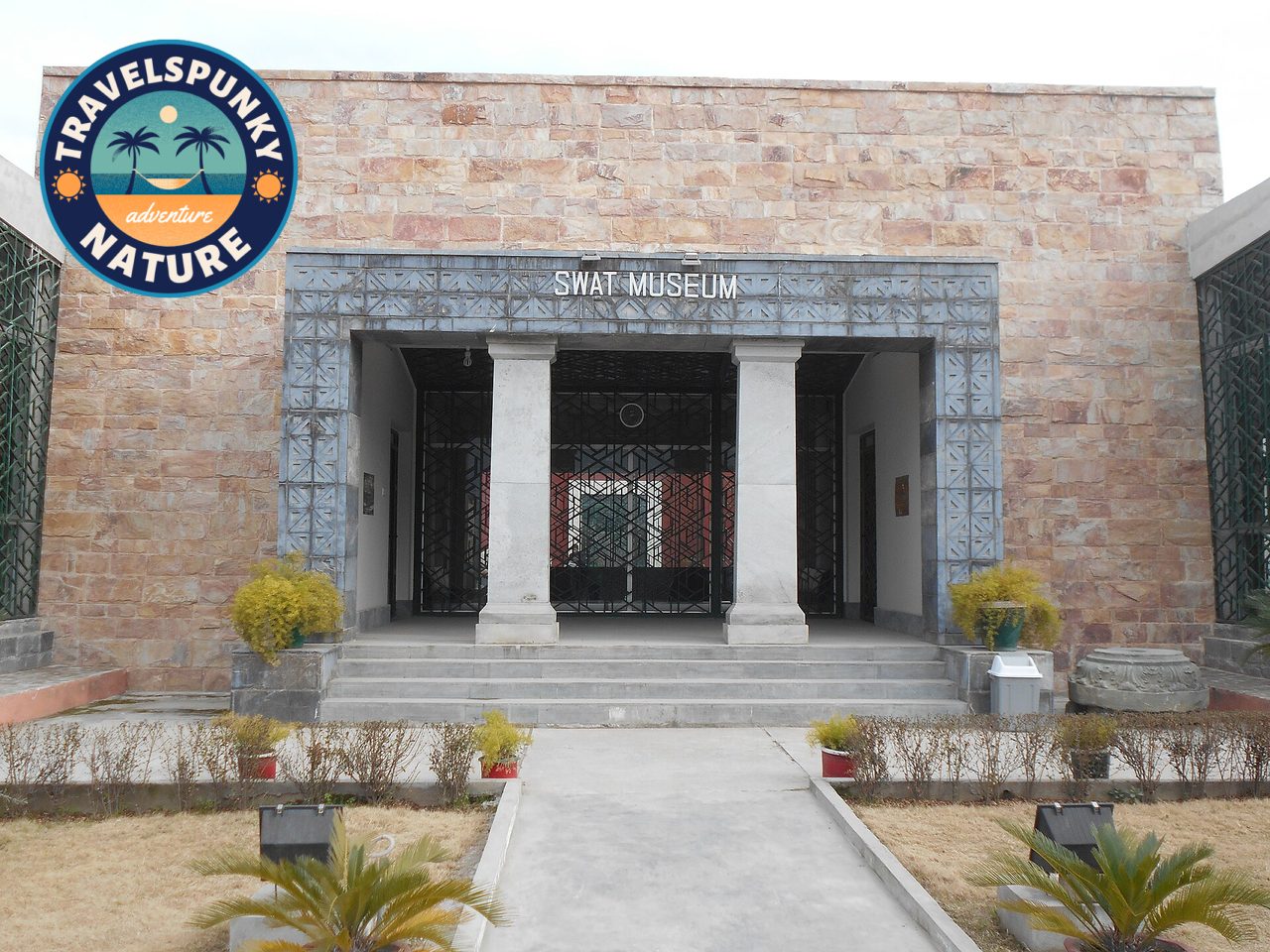
The museum was set up by the Wali of Swat with the Italian Archaeological Mission and opened in 1963. Seven galleries run from Buddhist sculpture and carved reliefs to coins, pottery and everyday objects. The star pieces are the Gandhara Buddhas, carved in grey stone with a clear Greek touch, from the centuries when Swat was a centre of Buddhist learning.
Give it one to two hours. The museum stands on Saidu Sharif Road between Mingora and Saidu Sharif, so it pairs naturally with the Butkara Stupa, which is a few minutes away and is where much of this collection was dug up.
Entry fee:
Small, about PKR 30 to 60 for Pakistani adults and about PKR 200 to 500 for foreign visitors in recent listings, with photography charged separately, so confirm at the counter.
Hours:
About 9 am to 5 pm on most days, but the hours are not officially published and listings disagree on the weekly closing day, so check locally before you plan around it.
How to reach it:
Take a rickshaw or taxi along Saidu Sharif Road from Mingora, about 3 km from the main bazaar.
Good to know:
Visit the museum before the Butkara Stupa, because the finds on display make the ruined stupa itself far easier to read.
3. Butkara Stupa
Butkara Stupa, at Gulkada just outside Mingora, is one of the oldest and most important Buddhist monuments in Swat. Tradition links its first building to the Mauryan emperor Ashoka in the 3rd century BCE, and two early inscriptions found here support that link, though archaeologists generally date the oldest surviving core a little later, to the 2nd century BCE.
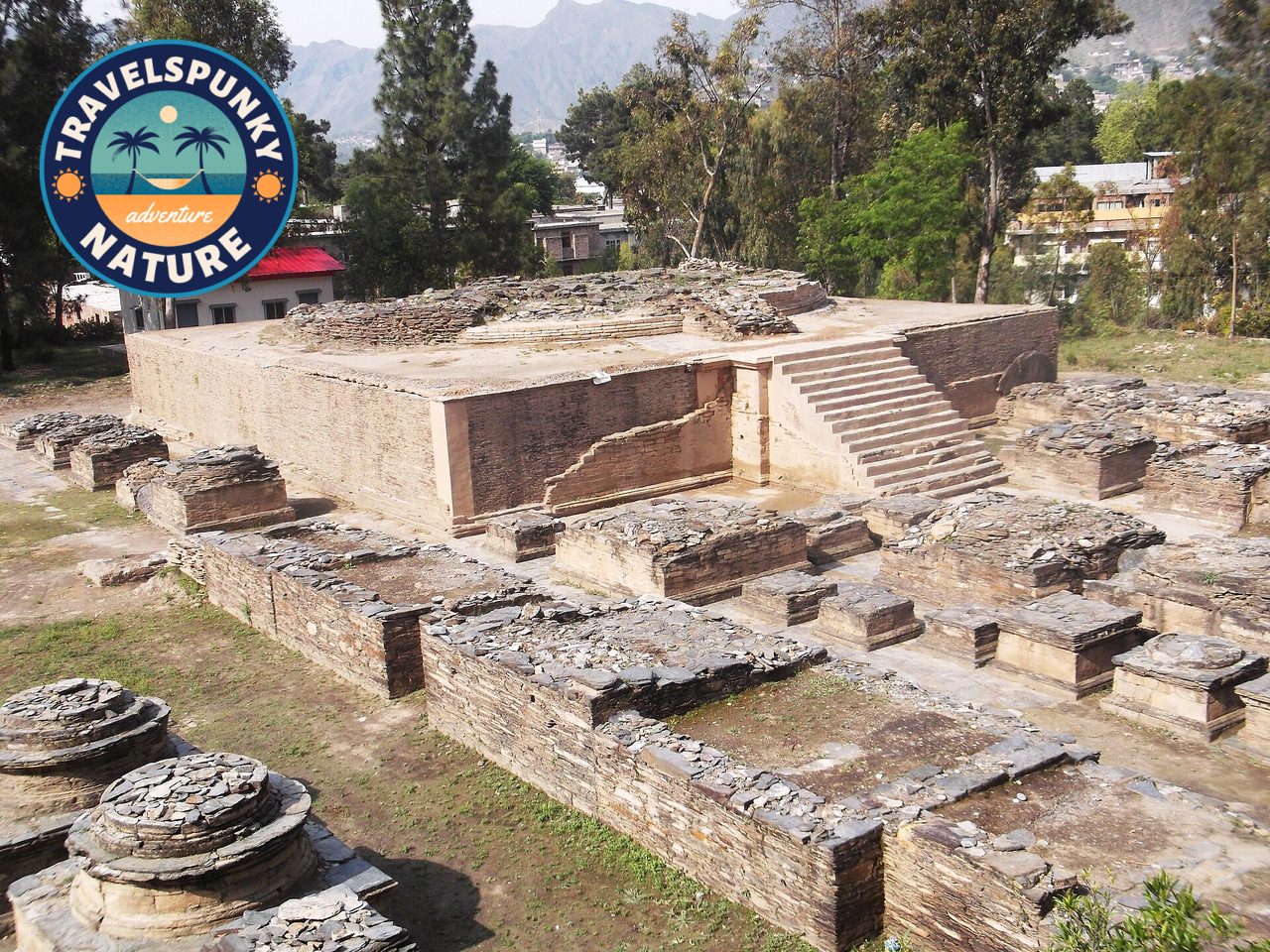
What you see today is a large round stupa on a square base, ringed by the stumps of more than 200 smaller stupas and shrines built by pilgrims over the centuries. The Italian Archaeological Mission, led by Domenico Faccenna, excavated the site from 1956 to 1962 and found that the main stupa had been enlarged five times, each new shell built over the last, and that the site stayed in use until about the 10th century. Most of the carved treasure found here now sits in the Swat Museum, so the stupa rewards visitors who saw the museum first.
Entry fee:
Free, as the stupa stands on open ground with no ticket gate.
How to reach it:
The site is at Gulkada, a few minutes by rickshaw from the Swat Museum on the edge of Mingora.
Good to know:
There is little shade and no facilities, so go in the morning or late afternoon and carry water.
4. White Palace, Marghazar
The White Palace at Marghazar is the summer palace of the old Swat state, built in 1940 by Miangul Abdul Wadud, the first Wali of Swat, out of white marble that gives it its name. It stands about 13 km from Saidu Sharif, up a winding road in green hills, and it now works as a heritage hotel.
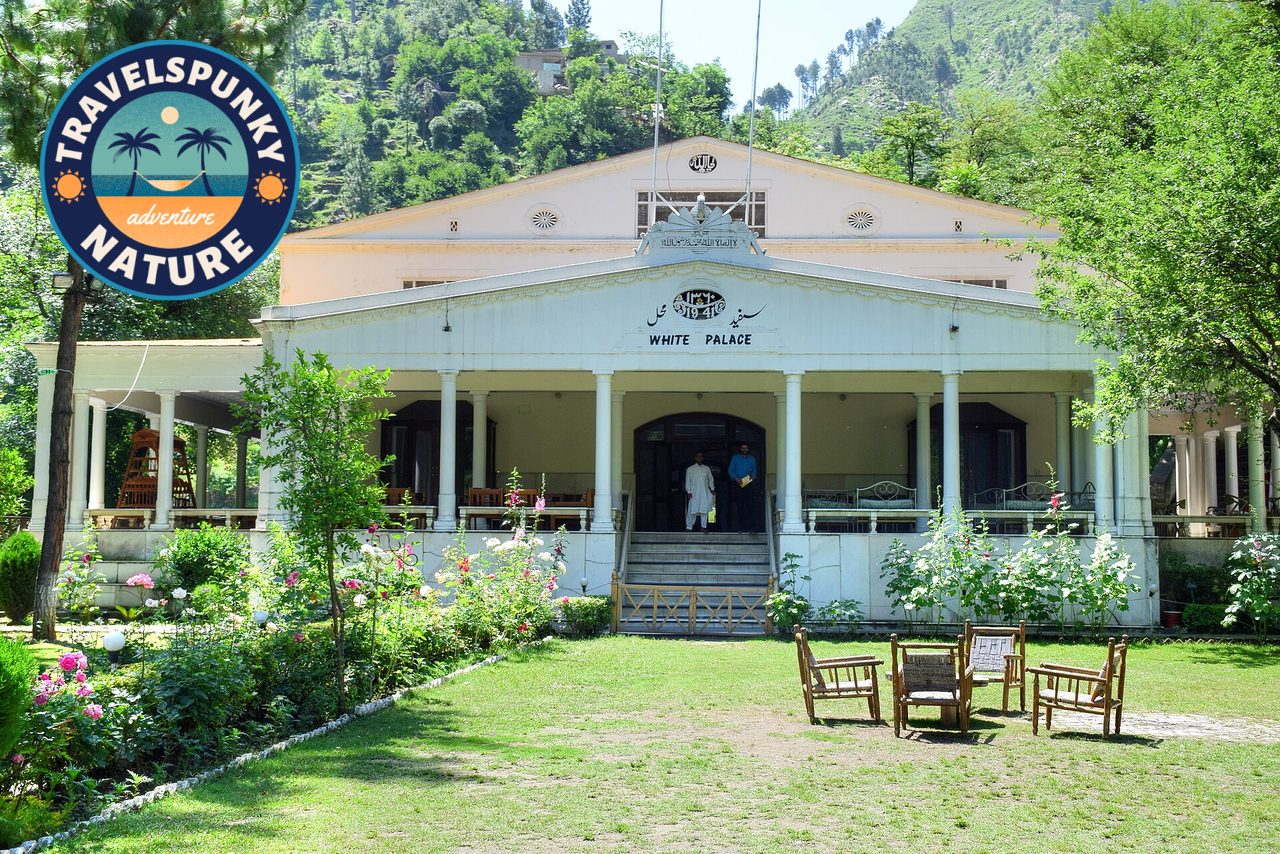
The palace is a single elegant building around gardens and tall trees, cooler than the valley floor below. Queen Elizabeth II visited in 1961, during the years when Swat was still a princely state with its own ruler. Day visitors can walk the grounds and see the main rooms, and guests can sleep in the palace. Marghazar village below has its own small bazaar, so the trip up makes a relaxed half day from Mingora.
Entry fee:
About PKR 200 to 500 per person for day visitors in recent reports, so confirm the current rate at the gate.
Hours:
Open to day visitors during the day, and as a working hotel it can close to visitors for private events, so check before you make the trip.
How to reach it:
Drive or take a hired car from Saidu Sharif up the Marghazar road, about 13 km of hill road.
Good to know:
Combine it with the museum and the stupa on the same day, because all three sit on the Mingora side of the valley.
5. Malam Jabba
Malam Jabba is Pakistan’s best known ski resort, a mountain top at about 2,750 to 2,800 metres, about 40 to 45 km from Mingora on a steep and winding road. In winter it is the one place in the country with a proper ski slope, a chairlift and snow deep enough to play in, and in summer the same chairlift carries sightseers over green slopes.
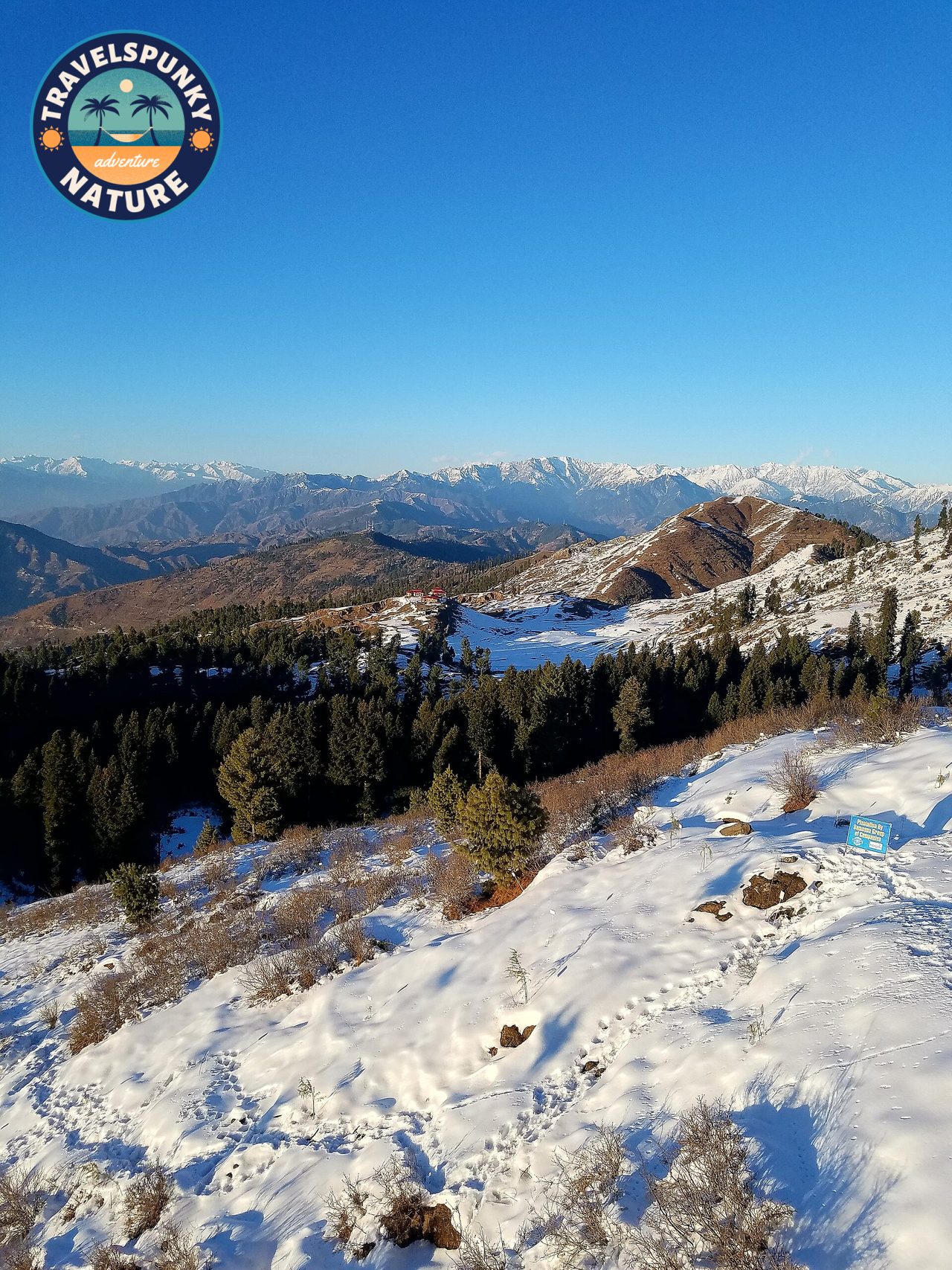
The ski season usually runs from late December to the end of February, when the slope opens for skiing and snowboarding and the road fills with families seeing snow, many of them for the first time. Outside the snow months, the chairlift and the zipline still run, the air is cool, and the views run back down over the whole lower valley.
Prices here move often, and guides disagree about them, so treat every figure as a range. The honest catch is the slow, rough road up, and the weekend crowds at the chairlift in season.
Entry fee:
Entry to the resort runs about PKR 1,200 to 2,300 per person, and the chairlift runs about PKR 1,500 to 2,500 per person, and both are often bundled with activity tickets, so confirm the current prices at the gate or on Bookme before you pay.
Hours:
The chairlift runs in the daytime in every season, weather allowing, and the ski slope opens only in the snow months.
How to reach it:
Hire a car or jeep in Mingora for the mountain road up, about 40 to 45 km, and agree the return fare before you set off.
Good to know:
Go on a weekday in ski season if you can, and carry warm layers even in summer, because the top is high and the wind is cold.
6. Madyan and Bahrain
Madyan and Bahrain are the two riverside towns where almost every traveller stops on the road from Mingora to Kalam, about 56 to 60 km up the valley at about 1,300 to 1,400 metres. They are not single sights, they are the valley showing its everyday face, bazaars, bakeries, trout farms and hotels stacked along the river.
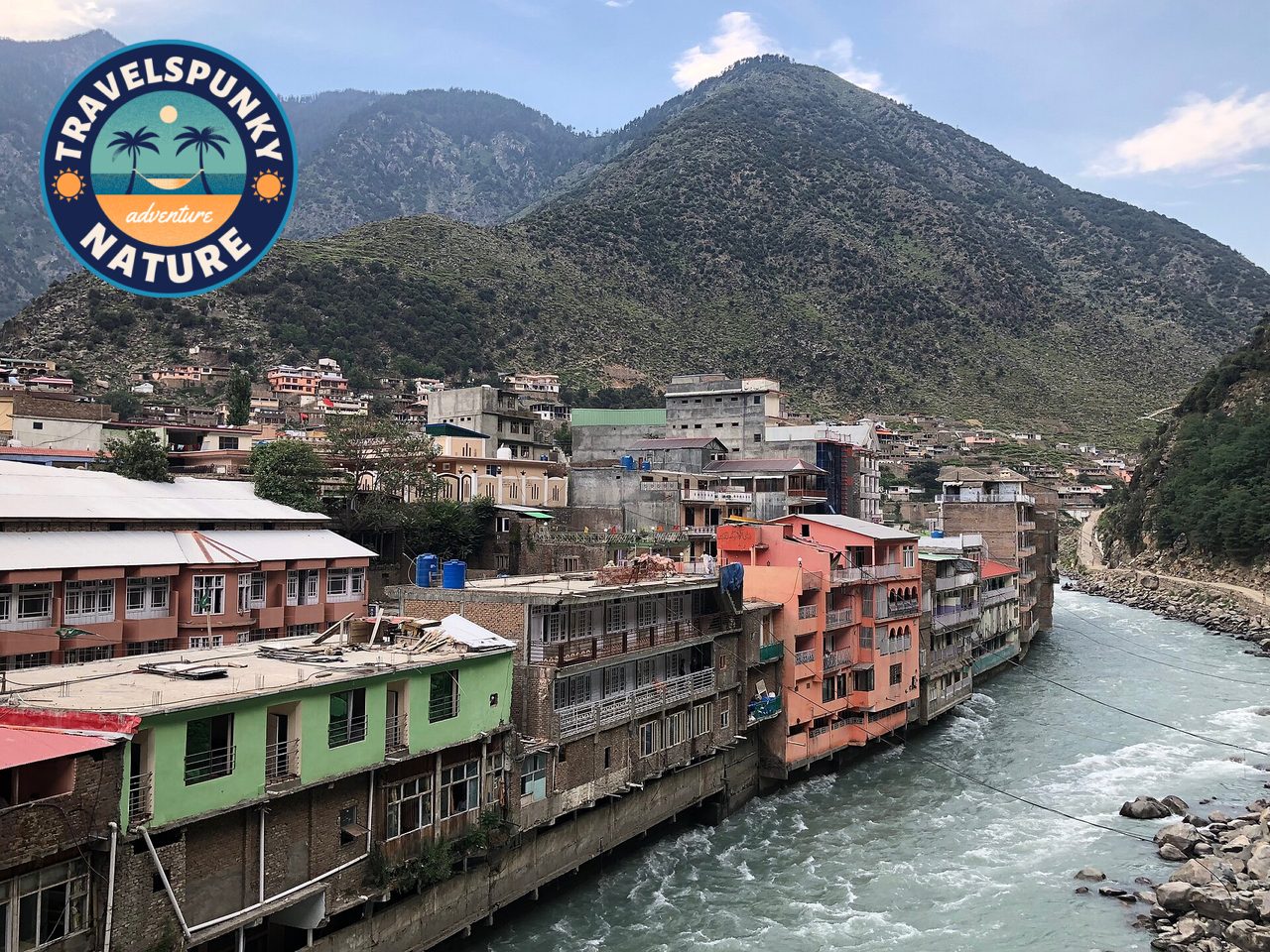
Bahrain takes its name from the meeting of two rivers, where the Daral River joins the Swat River under the town bridge. Its bazaar is the liveliest in the upper valley, known for carved wood, shawls and gemstones, and its restaurants hang over the water on wooden decks. Madyan, a little below Bahrain, is quieter, known for its trout farms and riverside hotels. Treat the pair as the natural lunch stop of the drive north, and as a cheaper, calmer base than Kalam for anyone short on time.
Entry fee:
Free, these are working towns on the main road, not ticketed sights.
How to reach it:
Shared jeeps and vans from Mingora to Kalam stop at both towns, and drivers will happily pause here on a hired trip.
Good to know:
Eat trout at a riverside restaurant in Bahrain, and agree any shopping price before the wrapping starts, because bazaar prices here assume bargaining.
7. Kalam
Kalam is the hub of upper Swat, a mountain town at about 2,000 metres, about 100 km north of Mingora, where the Ushu and Utror rivers join to form the Swat River. Almost every upper valley trip sleeps here, because Kalam has the bazaar, the jeep stands and the biggest choice of hotels in the high valley.
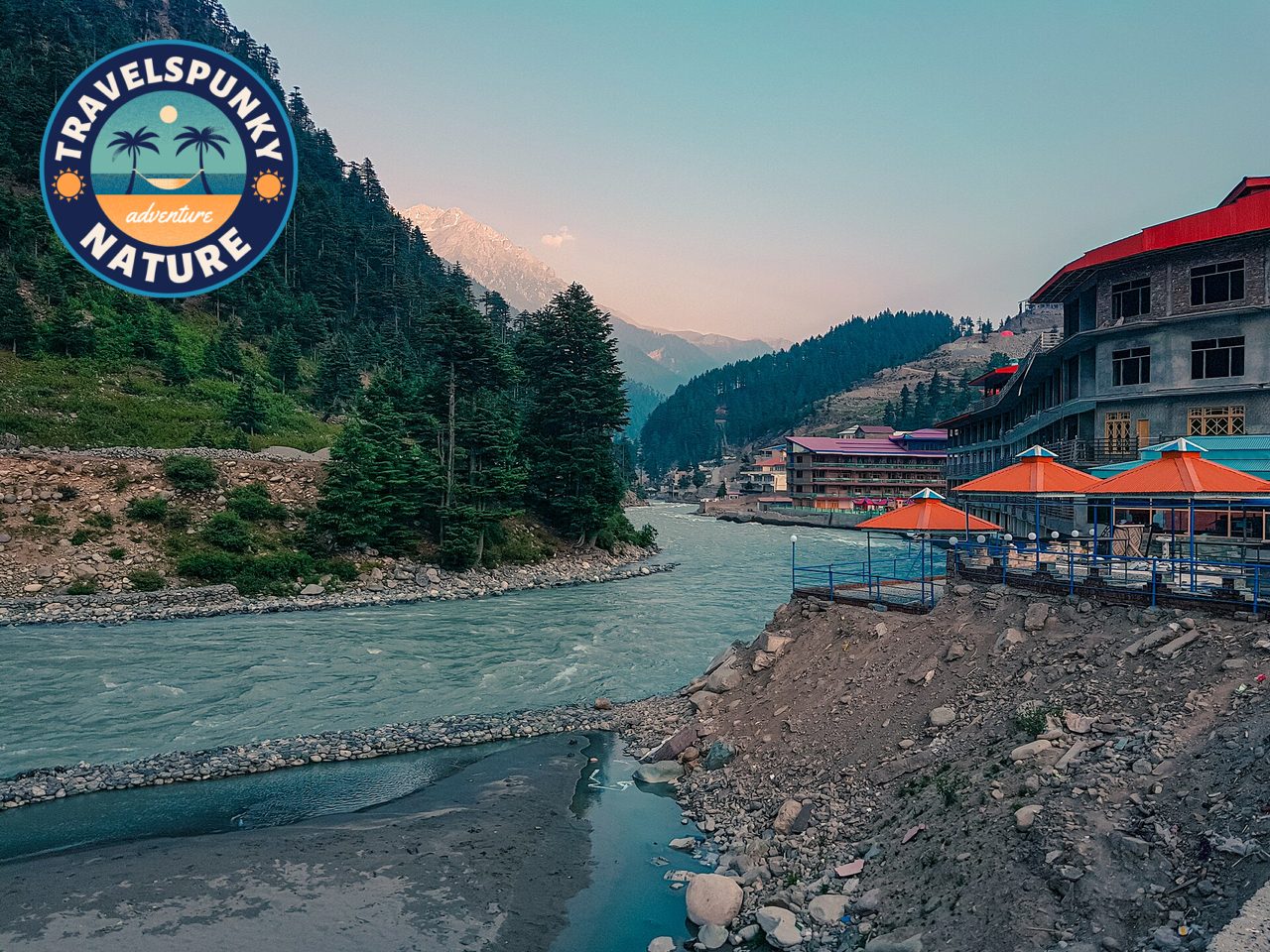
The town sits in a bowl of pine covered slopes, with the high snow peak of Falak Sar rising above the head of the valley. The bazaar street runs with hotels, restaurants and shops selling shawls, caps and dried fruit, and booking ahead matters in July and August. Kalam itself is the base, not the destination. From here the jeeps fan out to Ushu Forest and Mahodand Lake on one side and to Utror and Gabral on the other, and most visitors give the town two or three nights.
Entry fee:
Free, Kalam is a town, not a ticketed sight, and your costs here are the hotel, the food and the jeeps.
How to reach it:
Drive the N-95 from Mingora through Madyan and Bahrain, about 100 km and about 3 to 5 hours on the current road, or take a shared van from Mingora.
Good to know:
Hire jeeps at the bazaar stands and fix the full return fare, the waiting time and the stops before you climb in.
8. Ushu Forest
Ushu Forest is a dense stand of deodar and pine on the road from Kalam to Mahodand Lake, about 8 km from Kalam at about 2,300 metres. It is one of the most photographed forests in Swat, and the easiest wild place on this list, because the road runs straight through it.
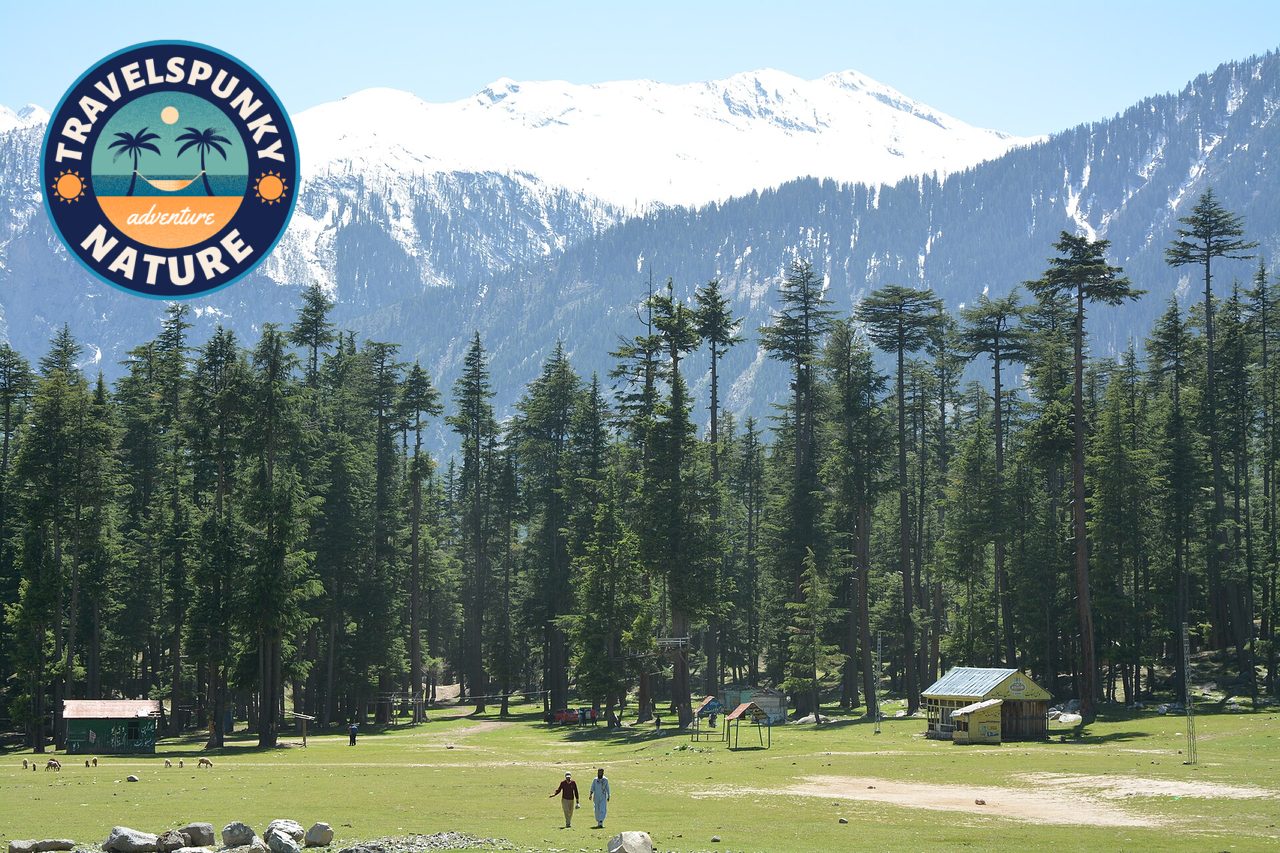
The trees here are huge and old, the light falls in shafts, and the Ushu River runs beside the road in a series of small falls and pools. Small tea stalls and camping spots sit in clearings, and families stop to picnic in the shade. Most visitors see the forest on the way to Mahodand Lake, but it deserves an hour of its own.
Entry fee:
Free, the forest lines the public road to Mahodand and has no ticket gate.
How to reach it:
Every jeep from Kalam to Mahodand Lake passes through it, about 8 km out of town, and any driver will stop on request.
Good to know:
The forest floor can be muddy after rain, so wear shoes you do not mind getting dirty, and carry any litter back to Kalam.
9. Mahodand Lake
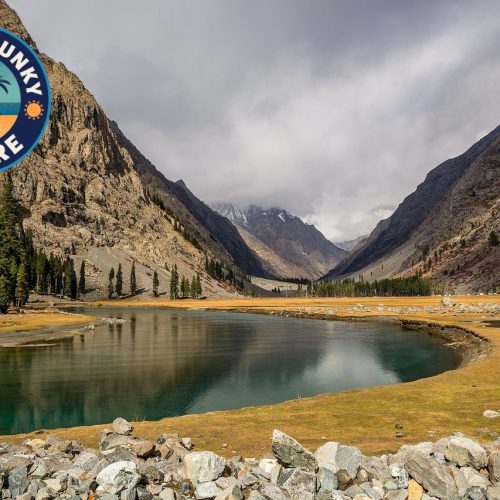
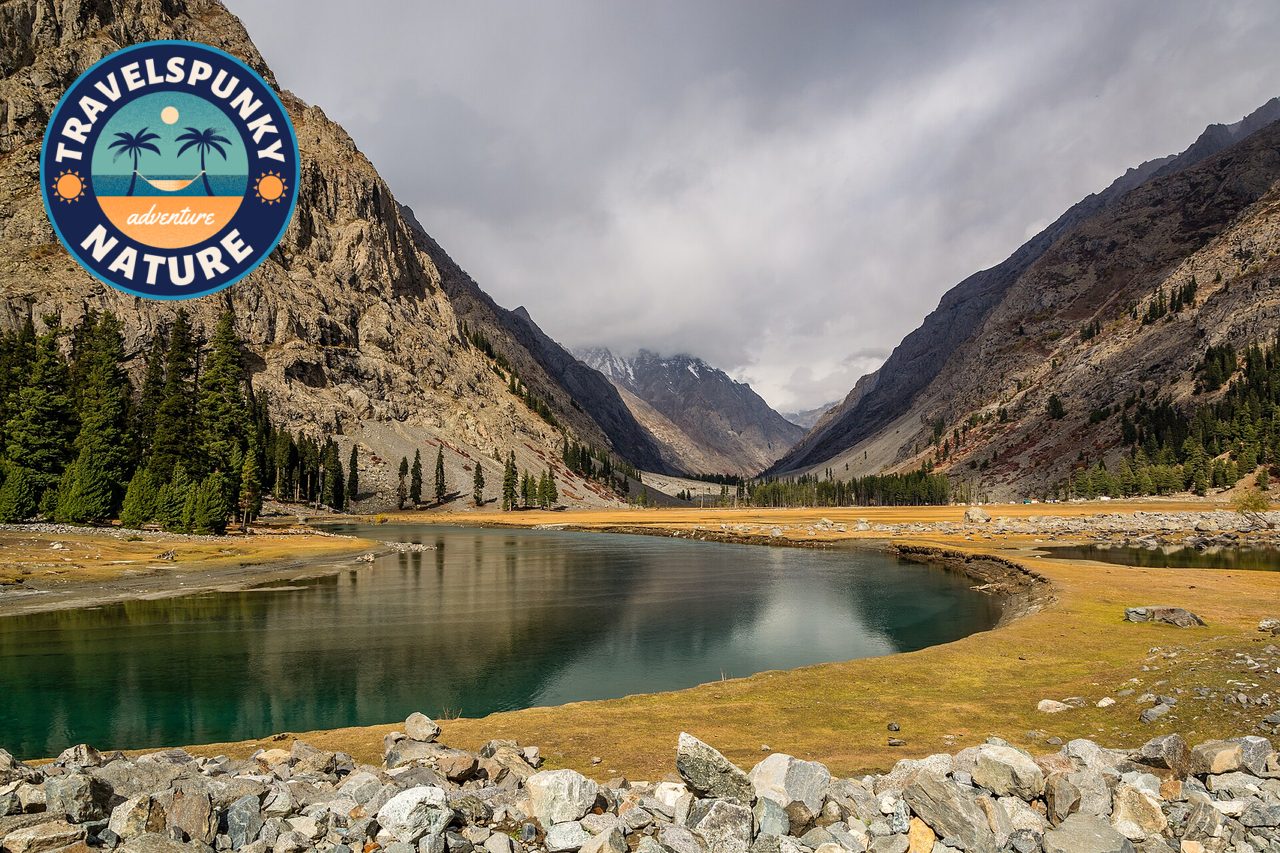
Mahodand Lake is the great prize of upper Swat, a long blue lake at about 2,865 metres in the upper Ushu Valley, about 35 to 40 km from Kalam. Its name means the lake of fishes, and it is known across Pakistan for its trout, its boats and its ring of snow peaks.
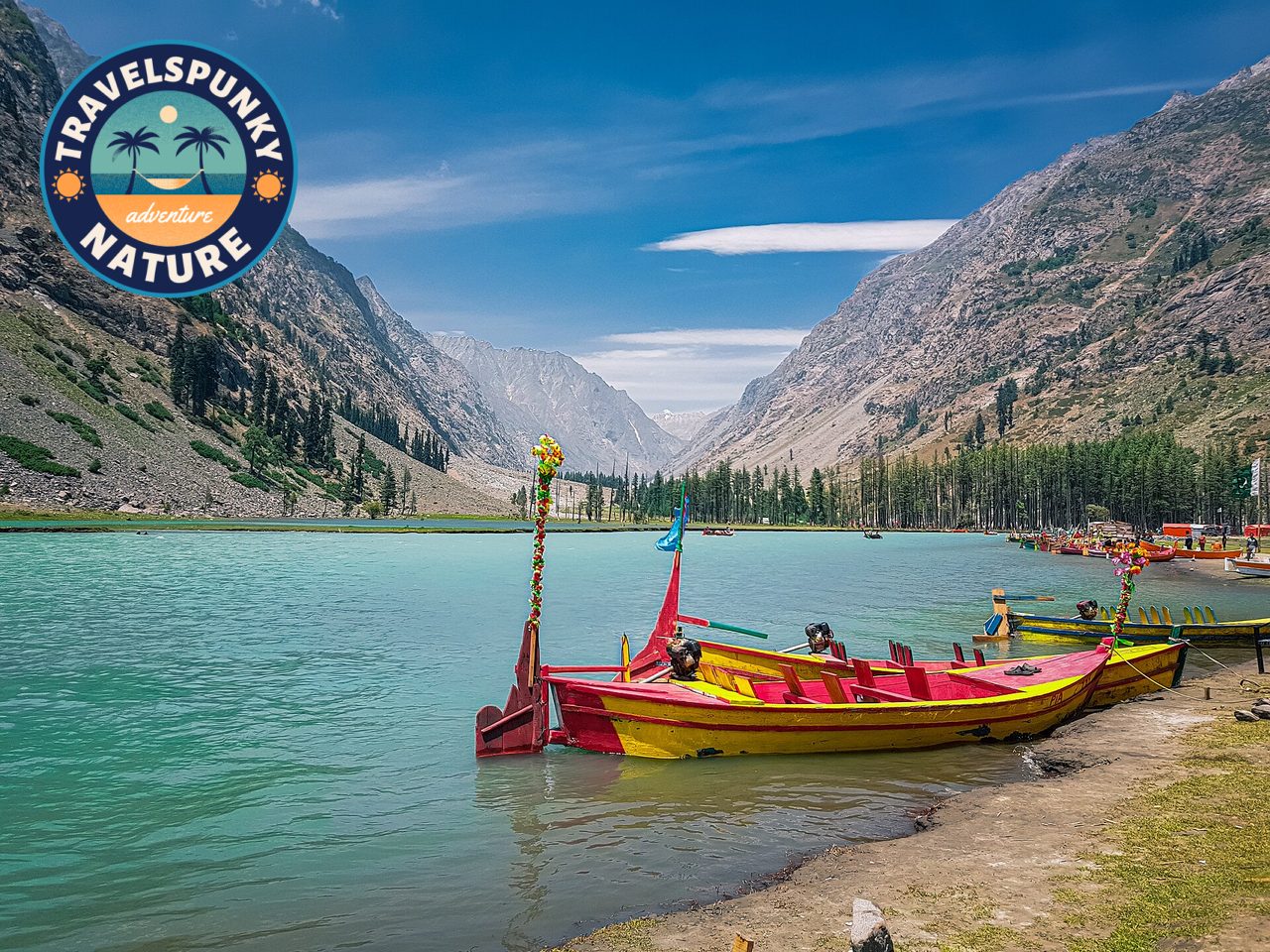
There is no road for ordinary cars. A rough jeep track climbs from Kalam through Ushu Forest and Matiltan, and the drive takes about 1.5 to 2 hours each way over rocks and stream crossings. At the lake you can take a boat out, fish for trout, ride a horse along the shore or sit in a lakeside cafe with tea.
The season is short. The track opens when the snow melts, roughly June to September, and the lake freezes and shuts in deep winter. Go early in the day for the calmest water and the clearest reflections, and expect a full day for the round trip.
Entry fee:
Free at the lake itself, and the real cost is the jeep, about PKR 7,000 to 15,000 per jeep for the return trip depending on the season, agreed at the Kalam bazaar before you set off.
How to reach it:
Hire a 4×4 with a local driver in Kalam, because no ordinary car can do the track, and shared jeeps gather passengers at the bazaar in season.
Good to know:
Take warm layers and sun protection, because at this height the sun is strong and the wind off the water is cold even in July.
10. Jarogo Waterfall
Jarogo Waterfall is often called the tallest waterfall in Swat, a white curtain of water dropping through thick pine forest in the Chatekal Valley above Matta, about 55 km from Mingora. This one is a side trip off the Matta road, not a stop on the way to Kalam, and it is the valley’s best answer to anyone who thinks Swat is only lakes and bazaars.
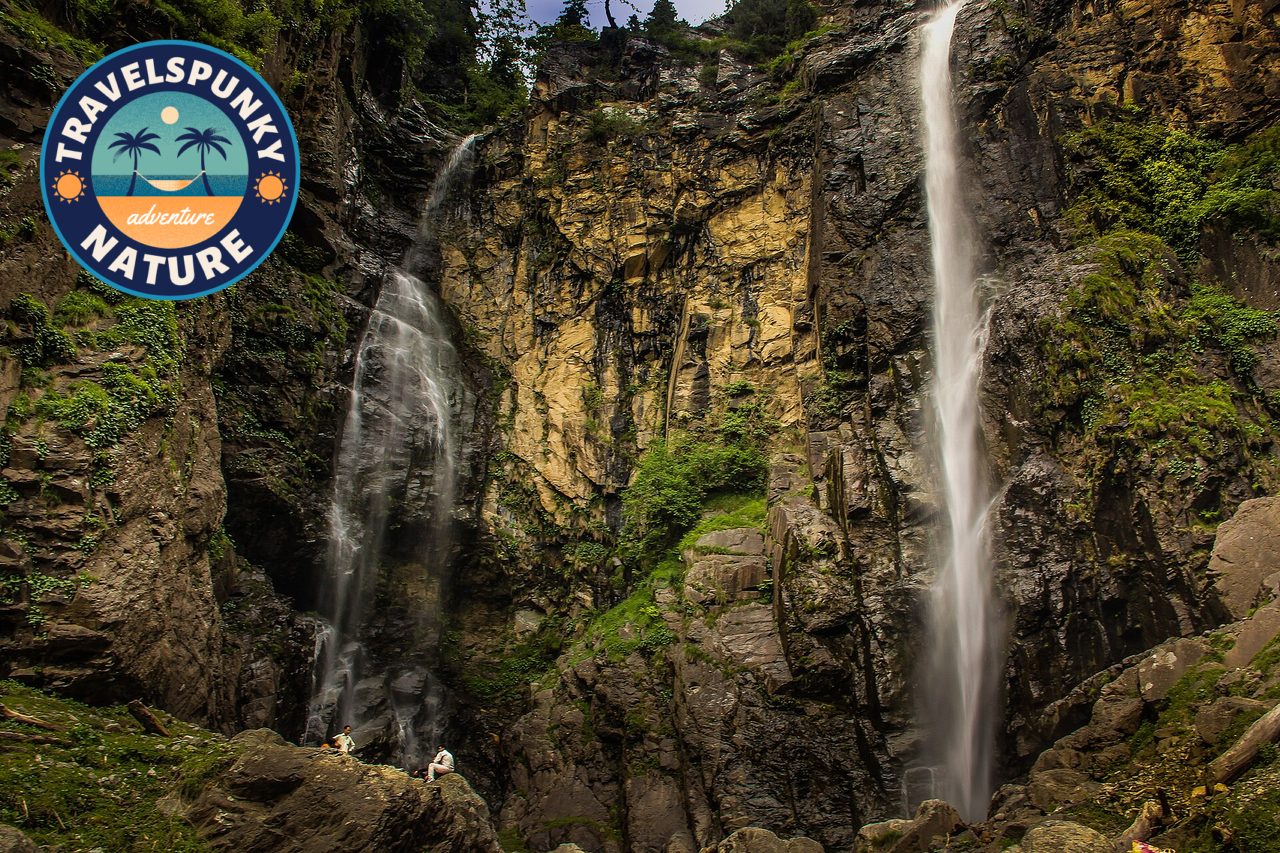
The drop is usually put at about 400 feet, about 120 metres, though the falls have never been formally measured and taller claims circulate locally. The water comes down in one long plunge into a pool, and snowmelt feeds it, so it runs strongest in late spring and summer and thins down in winter.
Reaching it takes effort, and that keeps it quiet. The drive from Matta runs about 30 km through Fazal Banda and Beha on a mountain road, and from the end of the road a path of about half an hour to an hour on foot, reports vary, brings you to the falls.
Entry fee:
Free, there is no ticket gate, and no facilities either, so carry water and anything you need from Matta.
How to reach it:
Drive from Mingora to Matta, then follow the Fazal Banda and Beha road for about 30 km and walk the last stretch on foot.
Good to know:
Go between late spring and early autumn for the full flow, start early, and wear shoes with grip, because the path and the rocks by the pool are wet.
Best time to visit Swat
For most of the valley, April to October is the visiting window, with green fields, open roads and mild weather. Within it, May and June and then September and October are the sweet spots, warm and clear without the worst crowds.
The upper valley runs shorter. Kalam, Ushu Forest and Mahodand Lake are at their best from about May to September, and the Mahodand track only opens when the snow melts, roughly June to September. July and August are peak season, when hotels fill, prices rise and the monsoon brings showers and a real landslide risk on the mountain roads.
Winter belongs to Malam Jabba. From about December to February the ski slope opens and the lower valley stays cold but mostly clear, while Kalam turns snowy and quiet and the high lakes shut completely. Whatever the month, read the safety section above again before you commit.
Conclusion
Swat packs a whole country of travel into one river valley. Mingora gives you the museum, the stupa and the palace of a lost princely state. The road north gives you riverside bazaars, a working ski resort and the forest town of Kalam. Mahodand Lake and Jarogo Waterfall give you the wild edges, one at the top of a jeep track and one hidden in a side valley.
Treat this guide as one part of a bigger northern trip. It pairs with Lahore at the start of the road north, and beyond Swat the same mountains continue into Hunza and to Skardu, where the valleys grow bigger and the peaks grow higher.
Frequently asked questions
1. Is Swat safe to visit?
We cannot tell you that it is. The UK Foreign Office currently advises against all travel to Swat district, in advice updated on 18 November 2026, and the United States advises against travel to the area as well. Check your own government’s current advice before you plan, and remember that travelling against that advice can invalidate your travel insurance.
2. How many days do you need in Swat?
Three to four days is the honest minimum. One day covers Mingora, the museum, the stupa and the White Palace, one day covers Malam Jabba, and one to two days cover the drive to Kalam and the Mahodand Lake trip.
3. What is the best month to visit Swat?
May, June, September and October give the best mix of open roads, green scenery and manageable crowds. December to February is the time for skiing at Malam Jabba, and July and August are the busiest and wettest months.
4. How do you get to Swat from Islamabad?
By road. The drive to Mingora is about 230 to 250 km and takes about 4 to 5 hours, using the M-1 motorway and the Swat Expressway to Chakdara and then the N-95 up the valley. Coaches also run from Islamabad and Peshawar to Mingora.
5. Can you visit Mahodand Lake in winter?
No. The jeep track closes under snow and the lake freezes, so Mahodand is a summer trip, roughly June to September, with the exact opening set by the snow each year.
6. How much does the Malam Jabba chairlift cost?
Reports put the chairlift at about PKR 1,500 to 2,500 per person and resort entry at about PKR 1,200 to 2,300, and the prices change often, so confirm the current rates at the gate or on Bookme before you pay.
Researched and verified in November 2026.