Skardu is the main town of Baltistan in Gilgit-Baltistan, sitting at about 2,228 metres where the Indus and Shigar rivers meet. It is the base for K2 and Karakoram expeditions, but most visitors come for what sits within an easy drive of the town, high lakes, old forts, cold deserts and one of the highest plateaus on earth.
This guide covers the 10 best places to visit in Skardu, with honest notes on what each place is really like. Skardu also appears in our guide to the beautiful places in Pakistan, and it pairs well with the valley covered in our things to do in Hunza Valley guide, so the two trips can be planned together.
Every fact below comes from research checked in November 2026. Prices move often in the mountains, so we give about figures where sources disagree and say where you should confirm on the day.
At a glance
| No. | Place | Best for | Best months |
| 1 | Shangrila Resort and Lower Kachura Lake | The classic Skardu photo and an easy first stop | April to October |
| 2 | Upper Kachura Lake | Quiet water, boats and village cafés | April to October |
| 3 | Satpara Lake | A short trip and the road towards Deosai | April to October |
| 4 | Deosai National Park and Sheosar Lake | Wildflowers, open plains and brown bears | June to September |
| 5 | Shigar Fort and Shigar Valley | Balti heritage in a restored fort | April to October |
| 6 | Khaplu Palace and Khaplu Valley | A royal palace and a quieter valley | April to October |
| 7 | Kharpocho Fort | The best free view over Skardu town | April to October |
| 8 | Katpana Cold Desert | Dunes at sunset, close to town | April to October |
| 9 | Sarfaranga Cold Desert | Bigger dunes and desert activities | April to October |
| 10 | Manthal Buddha Rock and Skardu Bazaar | Ancient history and local shopping | All year |
1. Shangrila Resort and Lower Kachura Lake
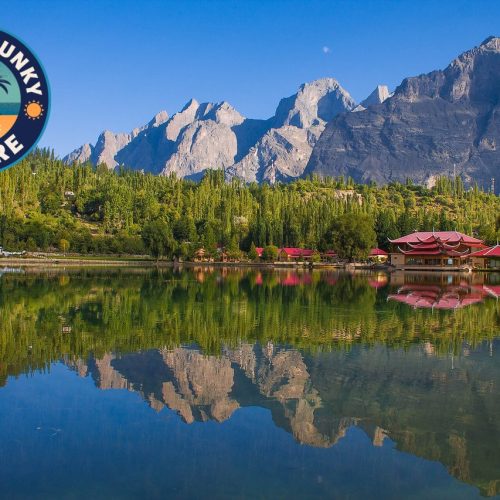
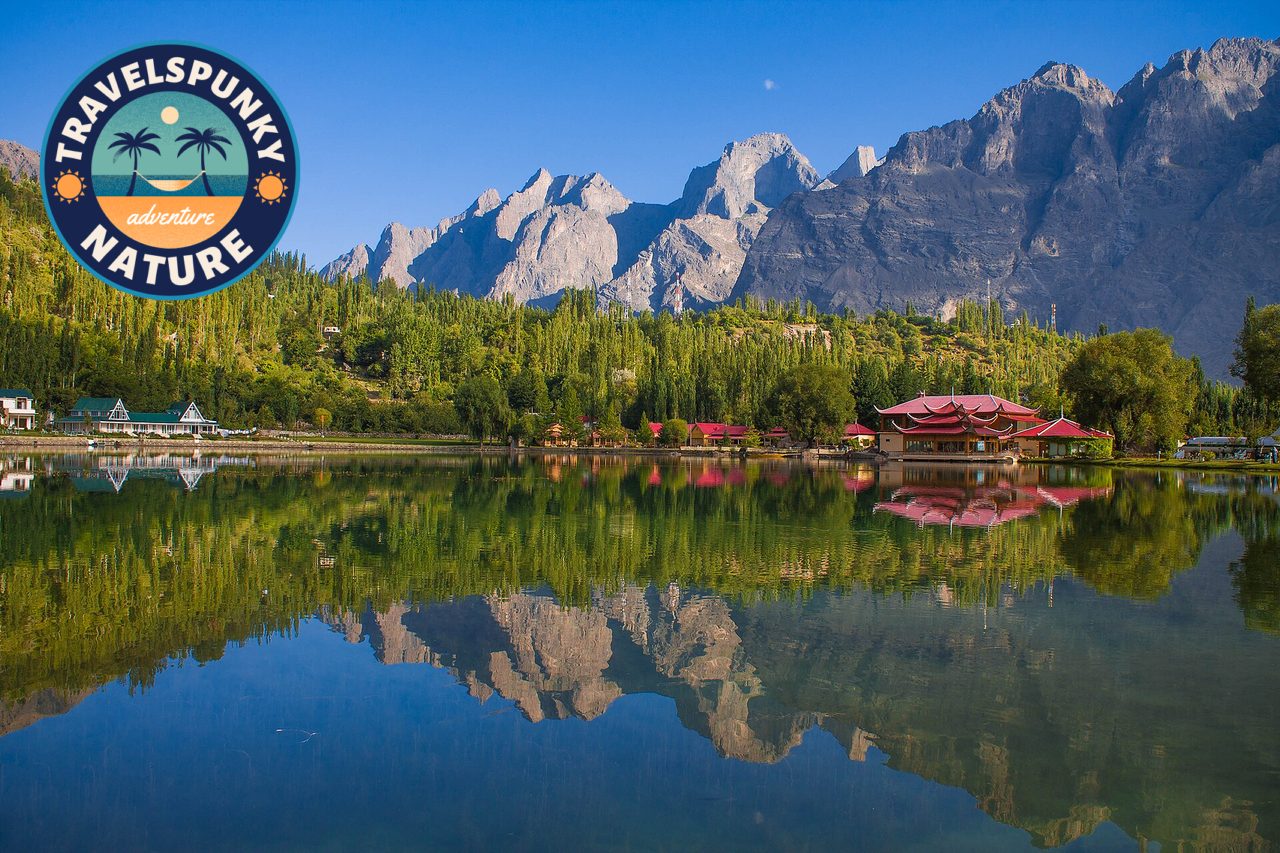
Lower Kachura Lake is the most famous view in Skardu. The Shangrila Resort stands on its shore, with red roofed cottages, neat gardens and a calm green lake held between bare mountains. The resort opened in 1983 and its best known feature is a restaurant built inside the body of an old DC-3 aircraft, parked by the water.
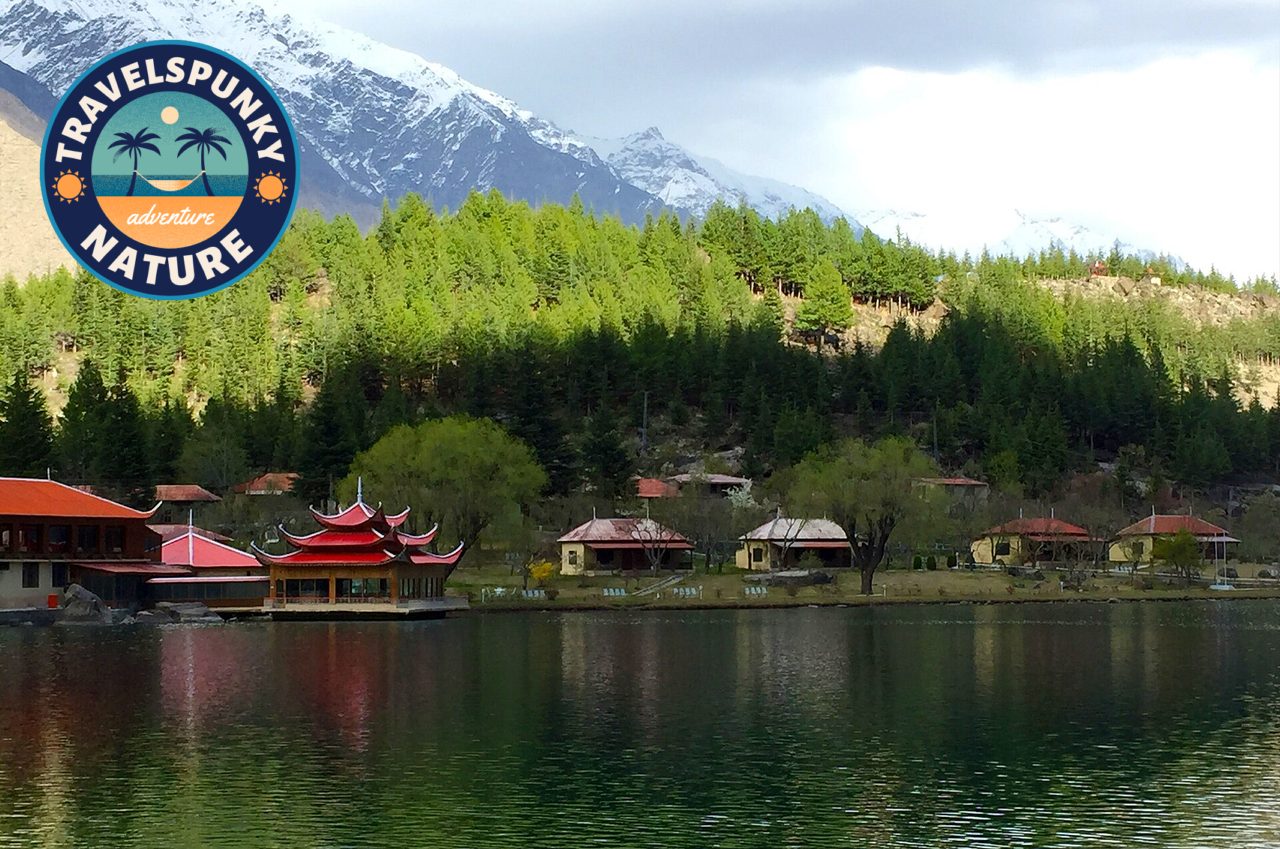
The name Shangrila comes from the idea of a hidden paradise, and on a clear morning the lake lives up to it. Visitors walk the shore paths, take a boat out on the water and sit in the gardens. It is the easiest big sight in Skardu and the one most first time visitors see on day one.
You do not need to stay at the resort to visit. Day visitors buy a ticket at the gate and can use the grounds and the lake walk during the day.
How to reach it: The lake is about 20 to 25 km from Skardu town, around 30 to 45 minutes by car or taxi on a paved road, and it is usually combined with Upper Kachura Lake on the same trip.
Best months: April to October, when the resort is fully open and the lake is not frozen.
Entry fee: About PKR 1,000 to 1,500 per person for day visitors, and reports vary by season, so confirm the current price at the gate.
The honest catch: It is a private resort, so the visit feels managed rather than wild, it gets busy with tour groups in the middle of the day, and food inside costs more than the same meal in town.
2. Upper Kachura Lake
Upper Kachura Lake, called Foroq Tso in Balti, is the quiet sister of Shangrila. It sits above Kachura village in a bowl of steep rocky slopes and apricot orchards. The water is deep, around 70 metres at its deepest, and a strong blue green colour.
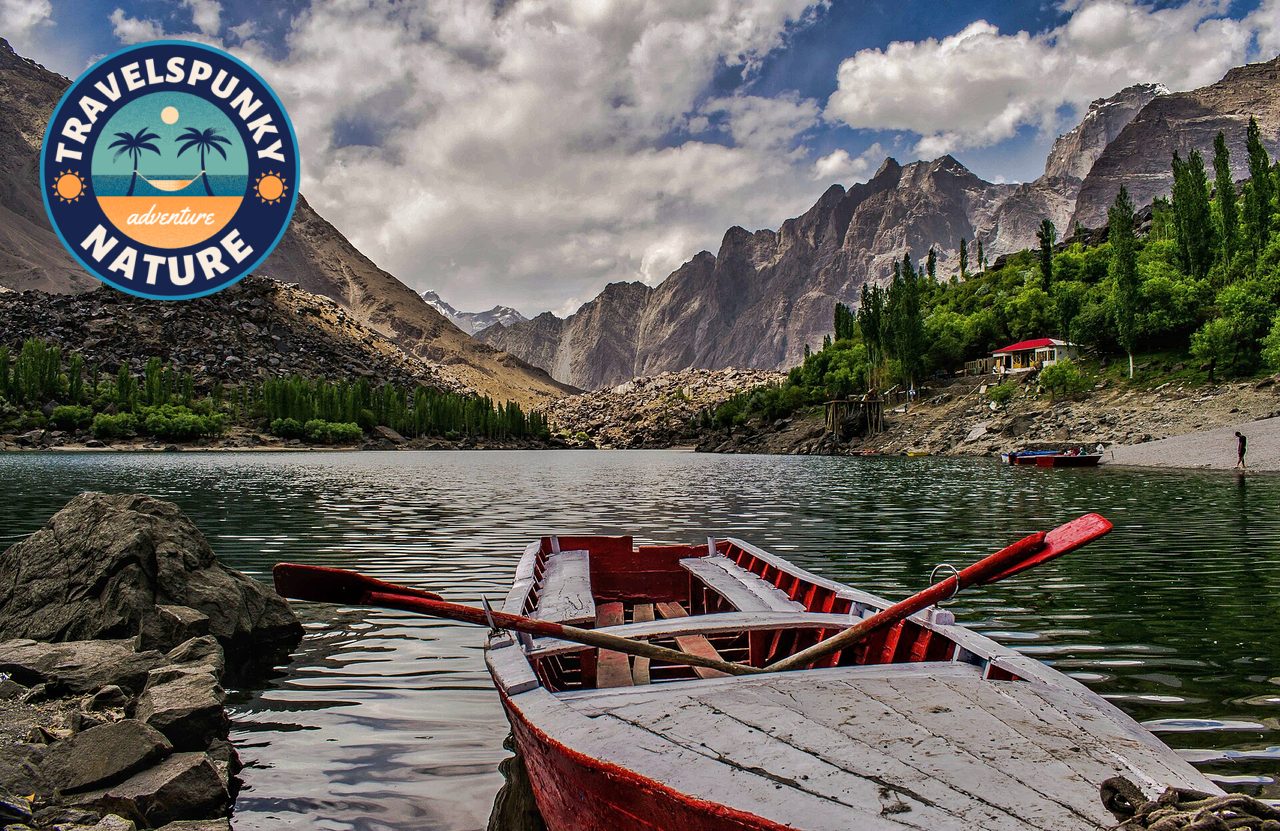
There is no big resort here. A short path leads down from the road through village houses and orchards to the shore, where wooden boats wait and small cafés serve tea and trout. It feels like a working village lake, and that is exactly its charm.
Come in the morning if you can. The water is calmest early, the reflections are at their best, and you may have the shore almost to yourself before the day visitors arrive from town.
How to reach it: The lake is about 28 to 30 km from Skardu, around 35 to 45 minutes by road to Kachura village, then a walk of about 10 to 20 minutes down to the shore.
Best months: April to October, with the orchards at their greenest from May to September.
Entry fee: There is no entry fee for the lake itself, and boats and fishing are arranged and paid for at the shore.
The honest catch: The path down is unpaved and can be slippery after rain, the water is very cold even in summer, and facilities are simple village cafés rather than proper restaurants.
3. Satpara Lake
Satpara Lake is the closest lake to town and the one Skardu depends on most. It lies in the hills south of Skardu at about 2,636 metres. The Satpara Dam at its outlet raised the water level, and the lake now supplies drinking water to the town and generates electricity for the valley.
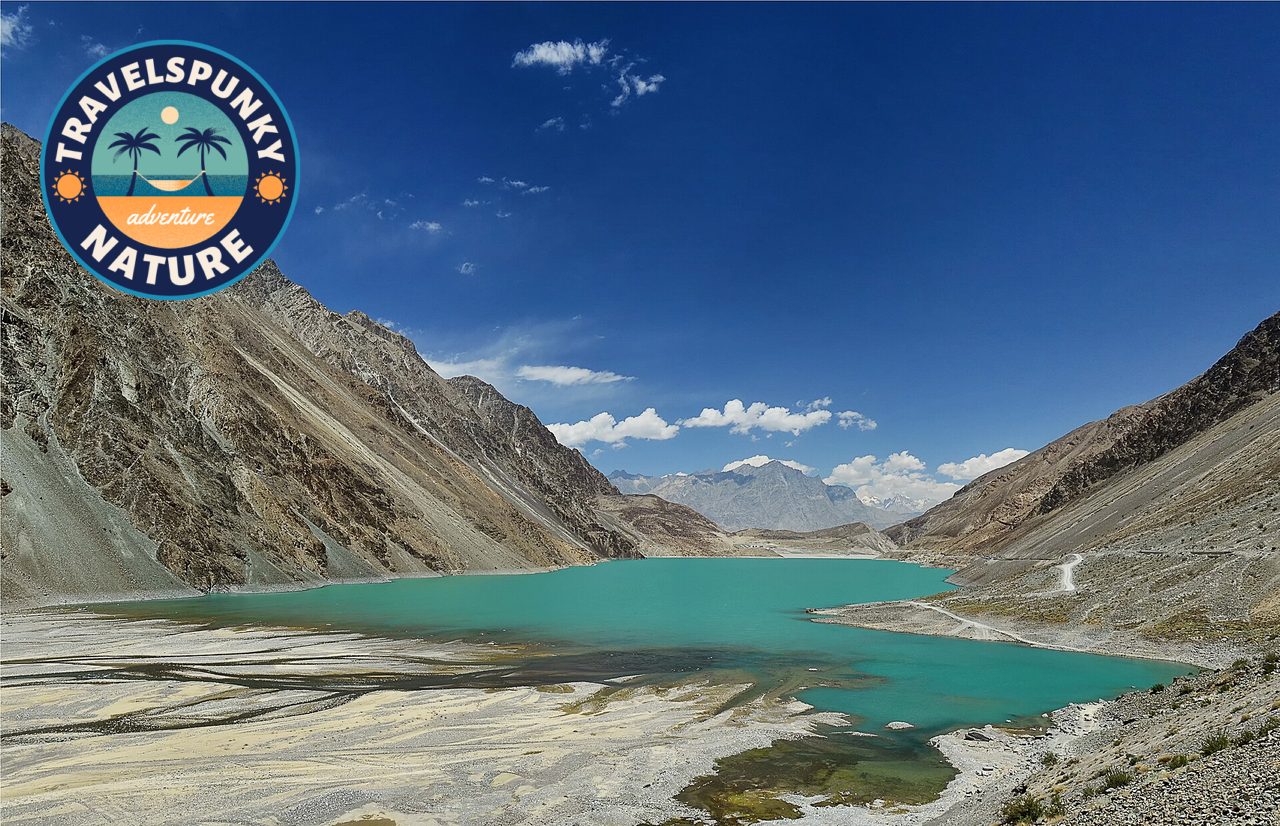
For visitors it is an easy and pretty stop. Boats go out from the shore in season, anglers try for trout, and simple lakeside restaurants serve tea with a wide view over the water. The colour changes through the day, from grey blue in the morning to a deep turquoise in afternoon sun.
Satpara is also the start of the road to Deosai. Many visitors stop here on the way up to the plateau, or pair it with the Manthal Buddha Rock, which stands just off the same road.
How to reach it: The lake is about 9 km south of Skardu, around 20 minutes by car on the Satpara road.
Best months: April to October, when boats run and the road beyond the lake towards Deosai is open.
Entry fee: There is no entry fee for the lake, and anyone who wants to fish needs a permit from the fisheries department, which local boat operators can point you towards.
The honest catch: It is working infrastructure as well as a beauty spot, so parts of the shore are plain and functional, and boat services are simple and seasonal rather than organised tours.
4. Deosai National Park and Sheosar Lake
Deosai is the biggest landscape near Skardu. It is a high plateau of about 3,000 square kilometres at an average height of about 4,114 metres, which makes it one of the highest plateaus in the world. The park was created in 1993 to protect the Himalayan brown bear, and the bears still roam the plains along with foxes, marmots and herds of grazing animals.
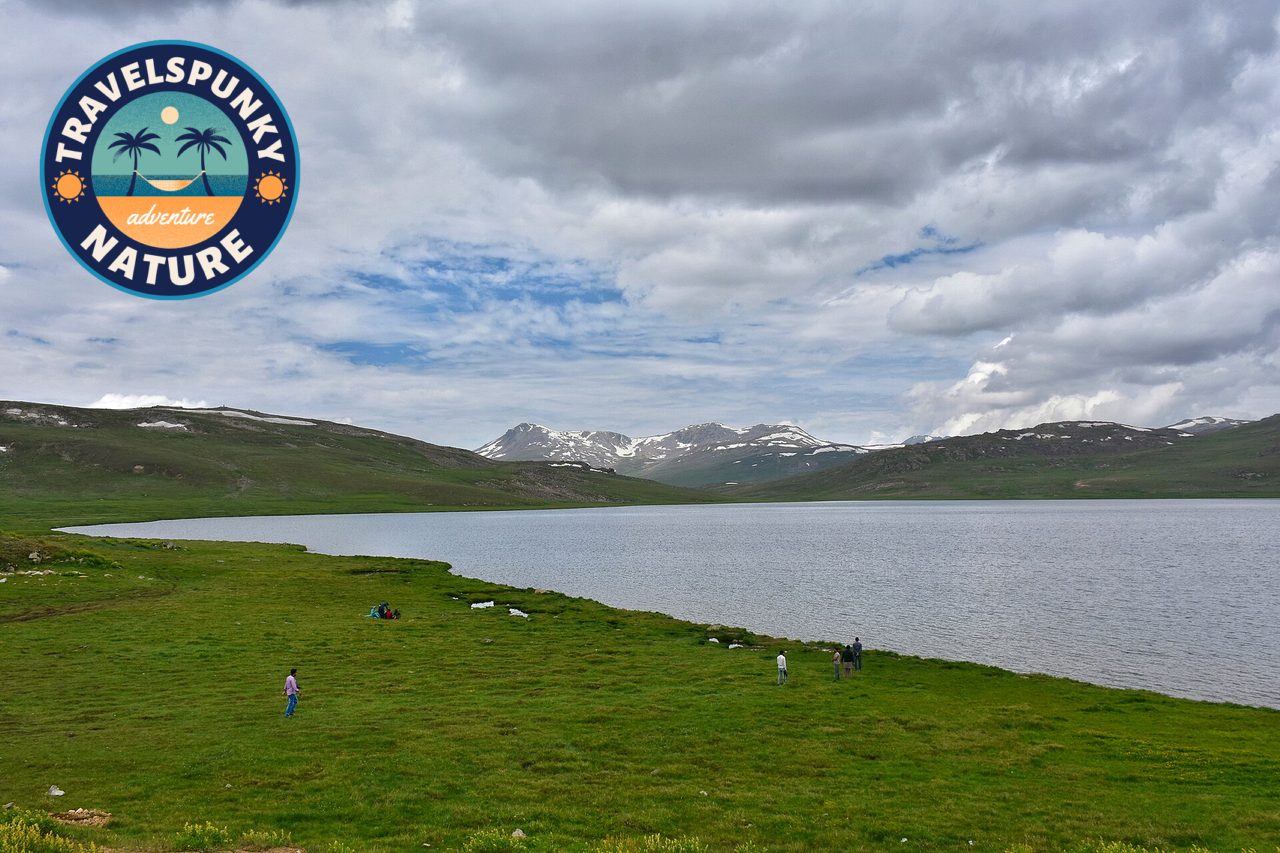
In July and August the plateau turns green and fills with wildflowers. Rivers cut across the open grassland, and Sheosar Lake, at about 4,142 metres, sits at the western edge with wide views back over the plains. On a clear day the scale of the place is hard to take in, with no village, no hotel and no fuel station anywhere on the plateau.
A Deosai trip is a full day out from Skardu in a 4×4 jeep. Most visitors cross from the Skardu side and turn back the same way, while longer trips continue over the plateau and down to Astore.
How to reach it: By 4×4 jeep only, about 2 to 3 hours from Skardu via Satpara to the checkpost on the Skardu side, or across the plateau from Chilam on the Astore side.
Best months: June to September, and the exact opening depends on when the snow clears, with wildflowers at their best in July and August.
Entry fee: About PKR 500 per person for Pakistani visitors and about PKR 3,100 per person for foreign visitors in recent reports, paid at the checkpost, and the rate changes, so confirm on the day and keep the ticket for the exit check.
The honest catch: The altitude hits hard and can make visitors sick, the weather turns cold and wet very fast, and snow closes the plateau for most of the year, so a Deosai plan always needs a flexible day around it.
5. Shigar Fort and Shigar Valley
Shigar Fort, known locally as Fong Khar, which means the palace on the rock, is a 17th century royal fort built on a huge boulder above the Shigar River. The Aga Khan Trust for Culture restored it between 1999 and 2005, and it now works as a Serena heritage hotel with a museum and gardens open to day visitors.
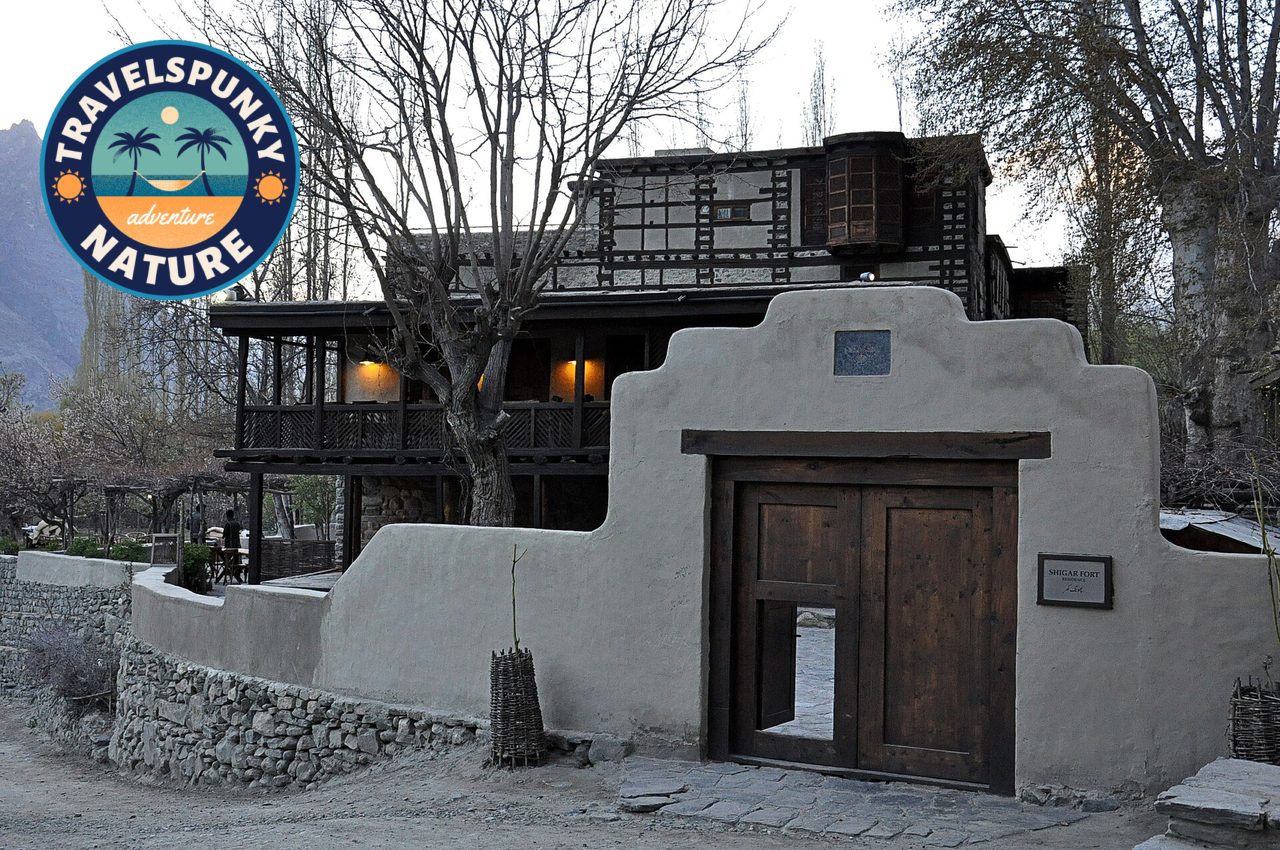
Inside, the museum rooms hold Balti clothing, household objects and carved woodwork, and the guided walk gives a clear picture of how the rajas of Shigar lived. The garden and the riverside setting are as much a part of the visit as the building itself.
The drive is half the pleasure. The Shigar Valley is green and fertile, lined with orchards and old villages, and the road continues past the fort towards Askole, the last village before the K2 treks. The 14th century Amburiq Mosque, one of the oldest in Baltistan, stands nearby in Shigar town.
How to reach it: The fort is about 30 to 32 km north of Skardu, about 1 hour by car on a paved road through the Shigar Valley.
Best months: April to October, with apricot blossom in spring and golden trees in autumn.
Entry fee: About PKR 800 to 1,000 per person for the museum and gardens, and the price differs by visitor type, so confirm at the gate.
The honest catch: It is a hotel first, so some rooms and areas are for staying guests only, the guided tour inside is short, and lunch at the fort restaurant is good but priced well above town rates.
6. Khaplu Palace and Khaplu Valley
Khaplu Palace, known as Yabgo Khar, is a 19th century royal residence built in the 1840s for the Raja of Khaplu. It mixes Balti and Tibetan building styles, with carved wooden balconies and a tall tower looking over the town. The Aga Khan Trust restored it, the work won a UNESCO Asia Pacific Award of Distinction in 2013, and Serena now runs it as a heritage hotel.
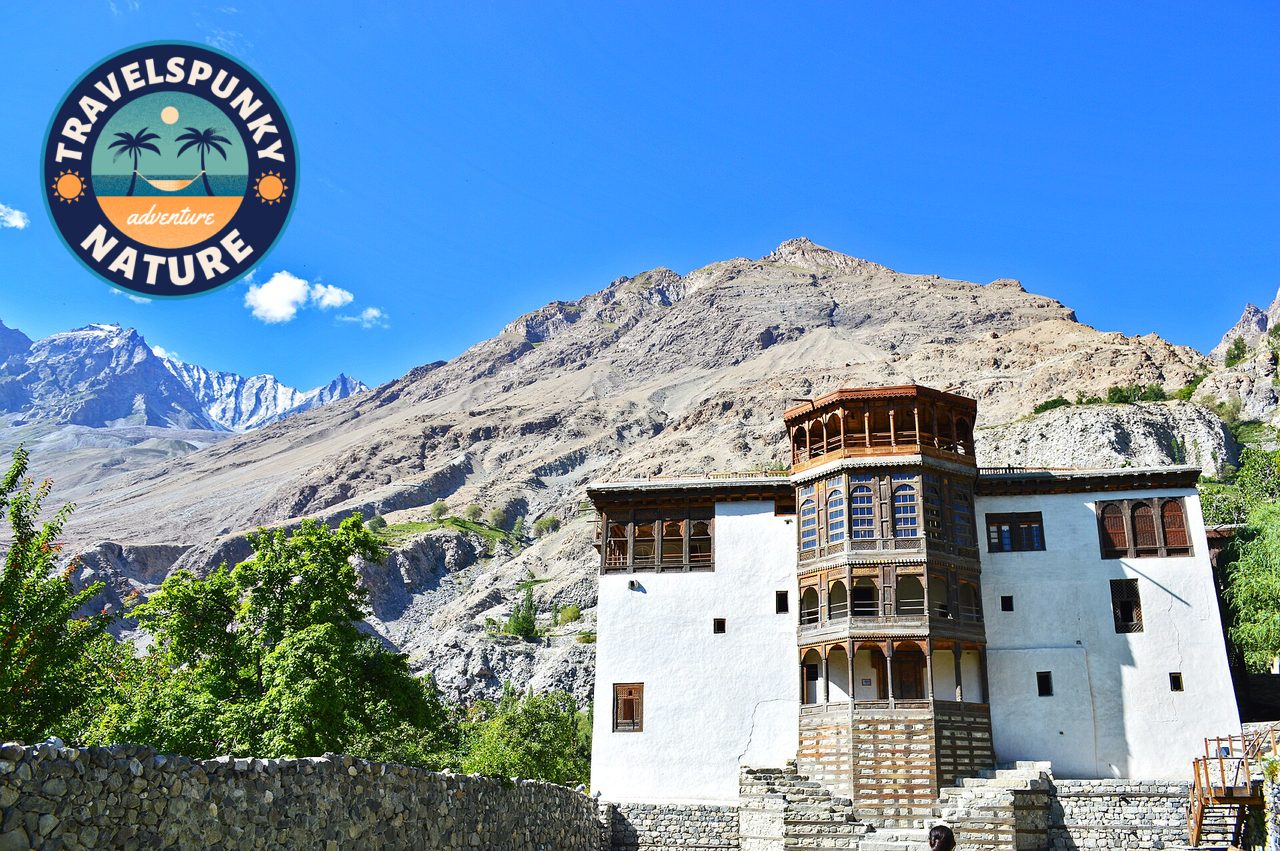
Day visitors can tour the palace rooms and museum, which cover the history of the Yabgo rajas and daily life in the valley. Khaplu town itself is worth the walk, with old lanes, a historic mosque and orchards in every direction.
Khaplu is the main town of the Ghanche district and feels calmer and less visited than Skardu. The drive east follows the Shyok River through a wide valley, and many visitors stay a night rather than rushing back.
How to reach it: The palace is about 103 km east of Skardu, roughly 3 hours by car along the Shyok River, so it works best as a long day trip or with a night in Khaplu.
Best months: April to October, when the road is clear and the valley orchards are in leaf or fruit.
Entry fee: A small day visit fee applies, recent tickets range from about PKR 200 to 800 per person, so confirm the current price on the day.
The honest catch: It is a long day of driving for one palace if you do not stay over, and like Shigar it is a working hotel, so parts of the building stay private for guests.
7. Kharpocho Fort
Kharpocho Fort, also called Skardu Fort, stands on the great rock that rises over the town. Its name means the king of forts, and records date its earliest structure to the 16th century, built by Ali Sher Khan Anchan, the Maqpon ruler who united Baltistan.
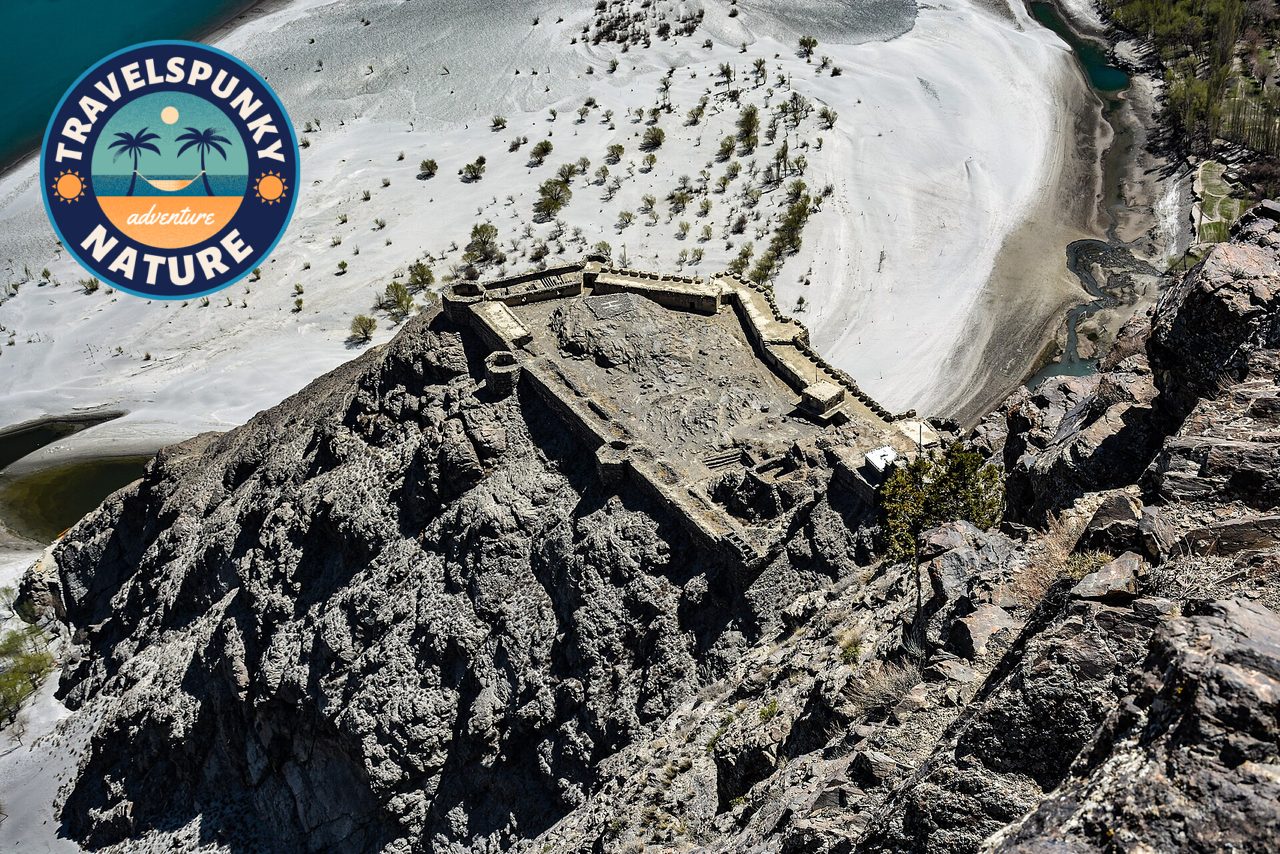
Nobody has restored Kharpocho, and that is the point of it. The walls, towers and an old mosque stand as a ruin, and the reward is the view. From the top you can see the whole of Skardu town, the Indus bending around the rock, the airport strip and the desert dunes beyond.
The climb is short but steep, up a stony path from the bazaar side of the rock. Go early in the morning or in the last hour of light, when the heat is down and the valley colours are at their best.
How to reach it: On foot from Skardu bazaar, a steep climb of about 30 to 45 minutes up the rock, with no vehicle needed.
Best months: April to October, and in summer the early morning and evening hours are far more comfortable than midday.
Entry fee: Free, there is no ticket office and nobody charges to walk up.
The honest catch: It is an unrestored ruin with no shade, no water, no signs and no safety rails, so take water, wear shoes with grip and keep children close at the edges.
8. Katpana Cold Desert
A short drive from the town centre, the ground beside the Indus turns to sand. The Katpana Cold Desert is a field of pale dunes near Skardu airport and Katpana Lake, sitting at about 2,226 metres. Deserts at this height are rare, and Katpana is counted among the highest cold deserts in the world.
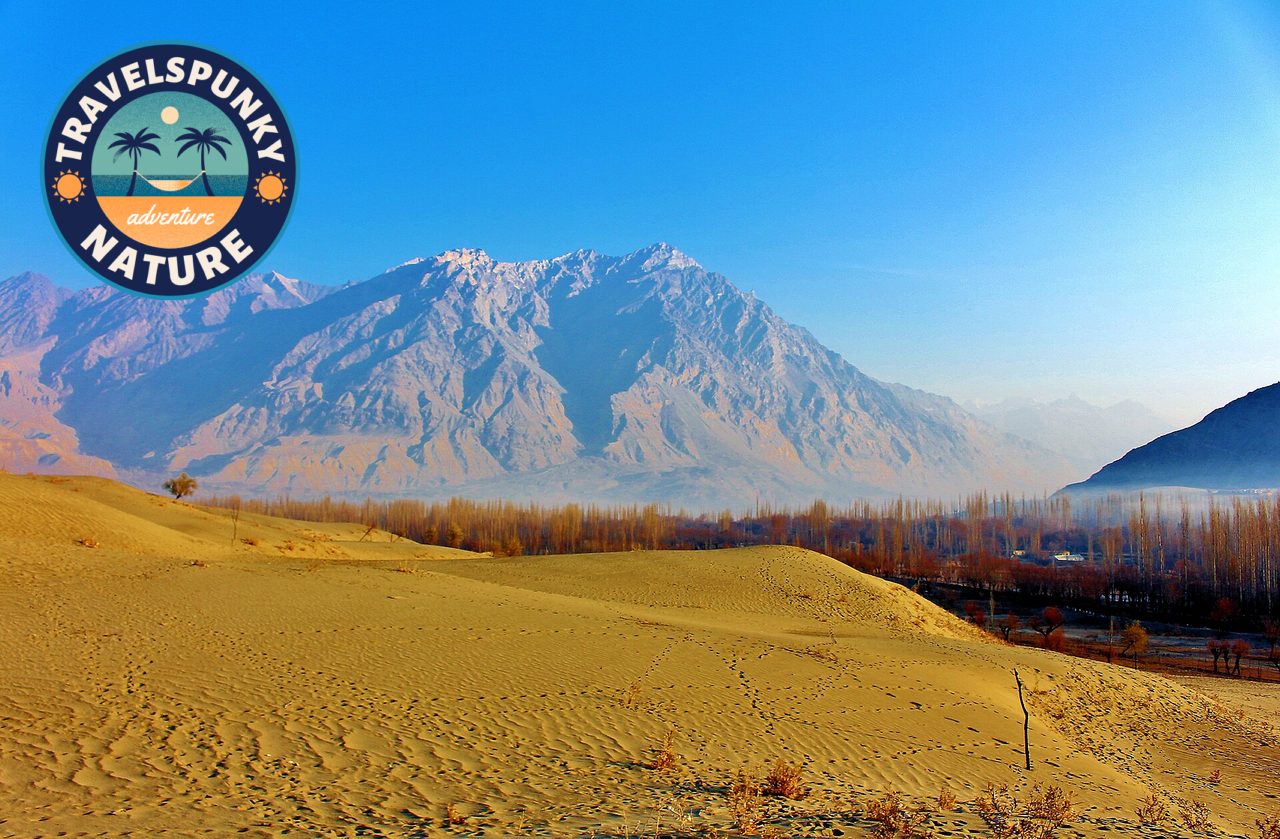
The dunes are at their best in the last part of the day. The light turns gold, the sand holds the footprints of the day, and the snow peaks behind the dunes catch the sunset. In winter the same dunes can carry a dusting of snow, which is a strange and beautiful sight.
Local operators offer jeep rides, quad bikes and other activities near the road. Walk a few minutes further into the dunes and it becomes quiet very quickly, with just sand, wind and mountains.
How to reach it: The dunes are about 5 km from the town centre, around 15 to 20 minutes by car or taxi on the airport side of town.
Best months: April to October, and sunset is the best hour of the day in any month.
Entry fee: The dunes are open and there is no fixed entry fee, and local operators charge separately for jeep rides and other activities.
The honest catch: The part near the road is small and can feel busy and commercial, so the peaceful desert of the photos takes a short walk to find.
9. Sarfaranga Cold Desert
Sarfaranga is the second cold desert, farther out along the Shigar road where the Shigar River meets the Indus. The dunes here are bigger, the space feels wilder, and the desert runs in a long belt between the river and the mountains.
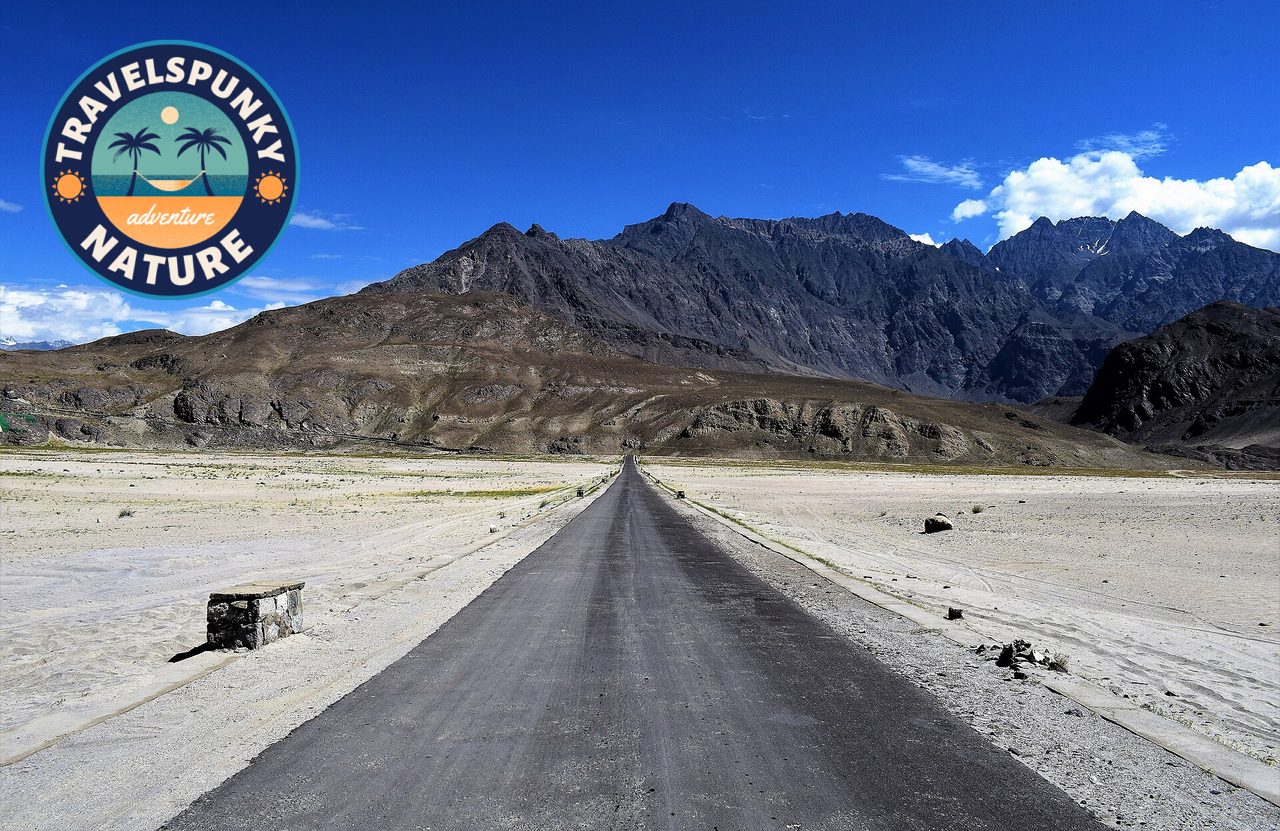
This is the desert that hosts the annual Sarfaranga jeep rally, when drivers race across the sand in one of the highest motorsport settings anywhere. Outside rally days it is a quiet place, good for a long walk on the dunes and for photos of sand against snow peaks.
Because it sits on the Shigar road, Sarfaranga combines easily with Shigar Fort in one trip. Many visitors stop here on the way back to Skardu in the late afternoon, when the light is soft and the dunes show their shapes.
How to reach it: The desert is about 25 to 30 km from Skardu on the Shigar road, roughly 30 to 45 minutes by car.
Best months: April to October, with the clearest light in the early morning and late afternoon.
Entry fee: There is no fixed entry fee for the desert, and activities such as jeep safaris are charged by operators on site.
The honest catch: There is almost no shade, shelter or drinking water out on the sand, and the wind can turn cold very fast, so carry water and a warm layer even in summer.
10. Manthal Buddha Rock and Skardu Bazaar
Long before Islam reached Baltistan, the valley was Buddhist, and the Manthal Buddha Rock is the clearest sign of that time. A large granite rock in Manthal village carries a carved Buddha at its centre, with two standing future Buddhas beside him and twenty smaller disciples around them. Sources date the carving to the 8th century, and it is one of the most important Buddhist relics in the region.
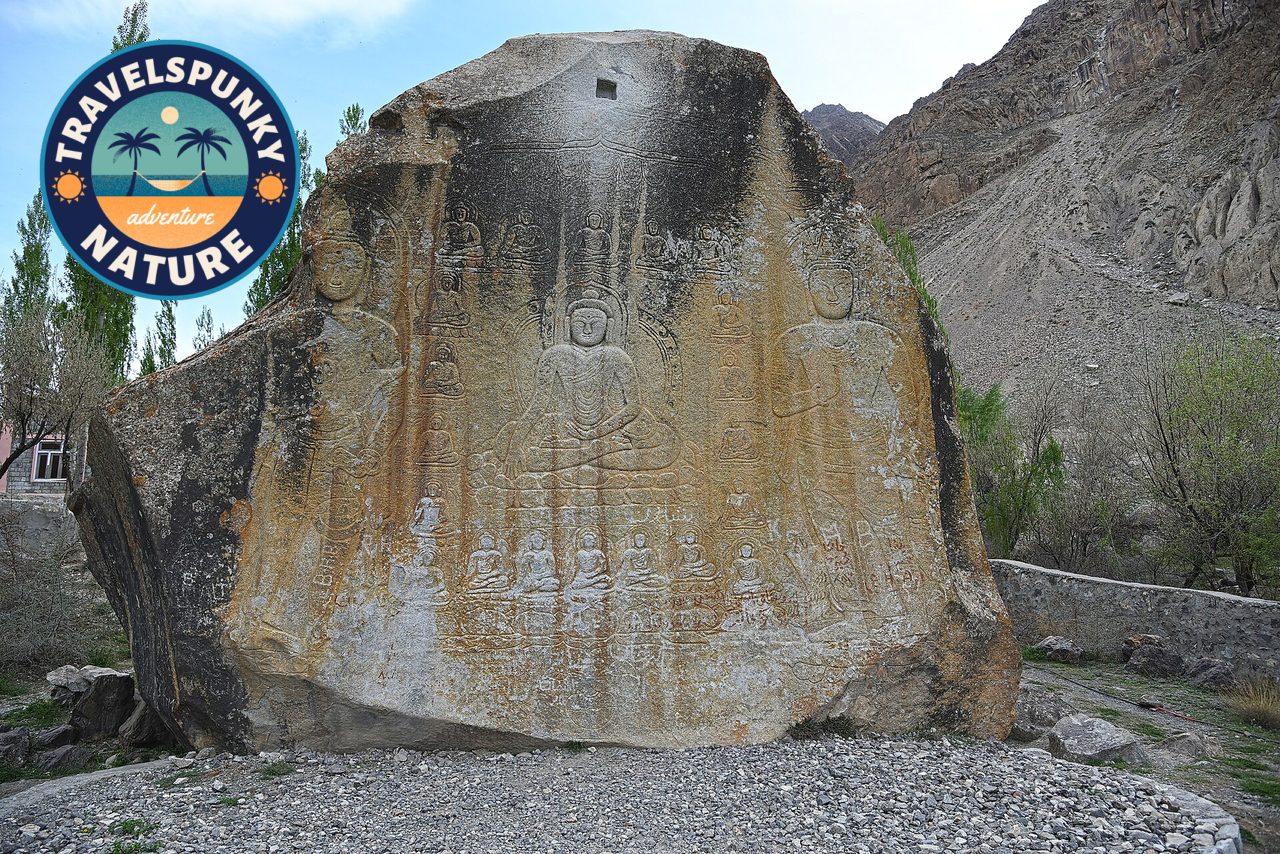
The site is small and quiet. A short path leads to the rock, the carving is weathered but clear, and the stop takes about 20 to 30 minutes. It sits just off the Satpara road, so it fits naturally into a Satpara Lake trip.
Pair it with Skardu bazaar back in town. The bazaar is the place to buy dried apricots and other local fruit, look at handicrafts and pick up supplies before heading to the valleys. It also gives a feel for daily Balti life that the lakes and forts do not.
How to reach it: The rock stands in Manthal village on the Satpara road, about 4 km from town, and the bazaar is in the centre of Skardu.
Best months: All year, and the rock is easiest to read in morning or afternoon light rather than flat midday sun.
Entry fee: A small local fee is charged at the rock and reports of the amount vary, so carry small notes, and the bazaar is free to wander.
The honest catch: The carving is weathered and partly damaged and the visit is short, so treat it as part of a Satpara trip rather than a trip of its own.
How to reach Skardu
By air: PIA, Airblue and AirSial fly from Islamabad to Skardu in about 1 hour, with around 20 flights a week between them in summer and fewer in winter. On a clear day the flight passes close to Nanga Parbat and is one of the great short flights of the world. There are also direct flights from Karachi, and seasonal services from Lahore, so check current schedules before you plan around them.
The honest catch: Mountain weather cancels these flights often, sometimes for days at a time, so always keep a spare day in the plan and never book a tight connection after a Skardu flight.
By road: The drive from Islamabad is about 650 to 750 km and takes two days for almost everyone. The summer route runs over the Babusar Pass via Naran, open roughly from June to October, and the year round route follows the Karakoram Highway via Besham and Chilas. Both routes finish on the Jaglot to Skardu road, 167 km along the Indus gorge that takes about 4 hours. Buses from Islamabad take roughly a full day, about 20 to 24 hours.
A note for foreign visitors: The UK Foreign Office currently advises against all travel on the Karakoram Highway between Mansehra and Chilas, so foreign visitors who follow that advice should fly or use the Babusar route in season, and everyone should check the current advice for their own country before travelling.
Best time to visit Skardu
The main season runs from April to October. Spring brings apricot blossom to the orchards of Kachura, Shigar and Khaplu, and the lakes are quiet. May and June are warm and clear without the peak crowds.
July and August are the busiest months. This is when Deosai is in flower and every lake and fort is fully open, but hotels fill up and flight tickets sell out. September and October are calmer, the light is golden, the orchards turn colour and the crowds go home.
Winter is a different trip. From November to March the town is bitterly cold, some lakes freeze, many hotels and the Shangrila Resort close or reduce services, and Deosai is shut under snow. Go in winter only if cold and quiet are what you want.
Frequently asked questions
1. How many days do you need in Skardu?
About 4 to 5 days covers the lakes, both deserts, Shigar Fort and a full day in Deosai without rushing. Add a night in Khaplu if you can, rather than doing it as a long day trip.
2. What is the best month to visit Skardu?
June to September is the safest window for everything, and July and August are best for Deosai and its wildflowers. May and September are quieter and still warm, and many regular visitors prefer them.
3. Can you fly to Skardu from Islamabad?
Yes. PIA, Airblue and AirSial fly the route in about 1 hour. The flights are weather dependent and cancel often, so keep a spare day and a road plan in reserve.
4. Do you need a 4×4 jeep in Skardu?
Only for Deosai and rough side tracks. A normal car is fine for the Kachura lakes, Satpara, both deserts and Shigar, and the Khaplu road is mostly sealed.
5. What is the difference between Katpana and Sarfaranga deserts?
Katpana is the small dune field near the airport, about 5 km from town and easy at sunset. Sarfaranga is the larger and wilder desert about 25 to 30 km out on the Shigar road, and it hosts the annual jeep rally.
6. Is there an entry fee for Deosai National Park?
Yes. Recent reports put it at about PKR 500 per person for Pakistani visitors and about PKR 3,100 for foreign visitors, paid in cash at the checkpost. Rates change, so confirm on the day and keep the ticket for the exit check.
7. Can you visit Shangrila Resort without staying there?
Yes. Day visitors buy a ticket at the gate, about PKR 1,000 to 1,500 per person in recent reports, and can walk the grounds and the lake shore during the day. Boats and food cost extra.
8. Is Skardu safe to visit?
Skardu is one of the most visited towns in Gilgit-Baltistan and tourism is a main part of its economy. The real risks are mountain roads, weather and altitude rather than the town itself, so travel in daylight where you can, take the altitude seriously and check the current travel advice for your country before you go.
Researched and verified, November 2026.