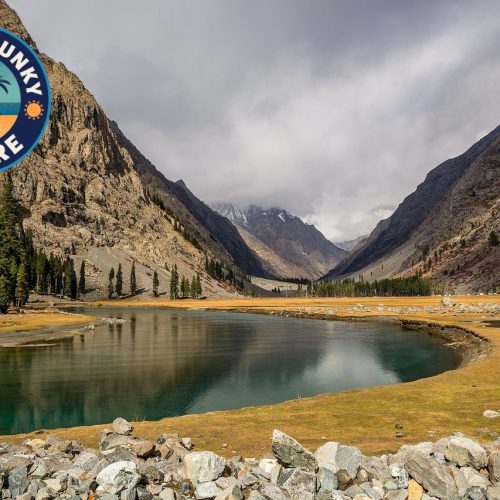
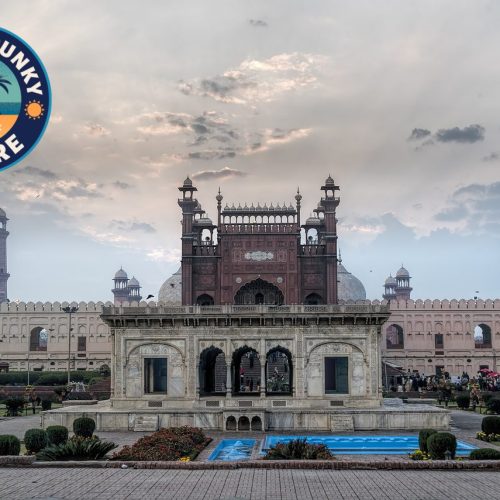
Hunza Valley sits in the Karakoram mountains of Gilgit-Baltistan, in the far north of Pakistan, and it is the most visited valley in the region for a simple reason. In one valley, a traveller can stand in a 700-year-old fort in the morning, ride a boat on a turquoise lake formed by a landslide in the afternoon, and watch the sun set on Rakaposhi, a peak of 7,788 metres, in the evening. The base is Karimabad, the small town that was once called Baltit, and almost everything in this guide is a day trip from there, except Khunjerab Pass, which needs a full day on the road north.
This guide lists the eight things that matter most, with the practical facts attached to each one: what it costs, when it is open, and how to reach it. Prices in Gilgit-Baltistan change often and are usually paid in cash, so where sources disagree, the draft gives a range and says to confirm at the gate.
At a glance
| No. | Place | Where | Best for | Known for |
|---|---|---|---|---|
| 1 | Baltit Fort | Karimabad | History and views | 700-year-old fort of the Mirs of Hunza, restored in 1996 |
| 2 | Altit Fort | Altit village | Quiet history | The oldest monument in Gilgit-Baltistan, about 1,100 years old |
| 3 | Attabad Lake | Upper Hunza, on the Karakoram Highway | Boating and photos | Turquoise lake formed by a 2010 landslide, about 19 km long |
| 4 | Passu Cones and Passu Glacier | Passu, Upper Hunza | Mountain views | Jagged 6,000 m peaks and the most accessible glacier in Pakistan |
| 5 | Hussaini Suspension Bridge and Borith Lake | Hussaini, Upper Hunza | Adventure and birdwatching | A 200 m plank bridge over the Hunza River, and a quiet saline lake |
| 6 | Khunjerab Pass | Pakistan-China border | The big day trip | The highest paved international border crossing in the world, 4,693 m |
| 7 | Eagle’s Nest, Duikar | Above Karimabad | Sunrise and sunset | A 2,850 m viewpoint over the whole valley and its peaks |
| 8 | Ganish Village and the Sacred Rocks | Below Karimabad, on the Karakoram Highway | Silk Road history | Hunza’s oldest settlement, about 1,000 years old, and 2,000-year-old rock carvings |
1. Baltit Fort, Karimabad
Baltit Fort stands on a hill above Karimabad, and it is the single most important historic building in Hunza. It was the home of the Mirs, the rulers of the Hunza state, for centuries. The foundations date back about 700 years, and the fort was rebuilt and changed many times, including a 16th-century renovation by Balti craftsmen who came with a Baltit princess as part of her dowry. The Mirs left the fort in 1945, and it fell into decay until the Aga Khan Trust for Culture restored it, finishing the work in 1996. It is now a museum run by the Baltit Heritage Trust, and it has been on UNESCO’s tentative World Heritage list since 2004.
Inside, the visit is a guided walk through small timber rooms with low doorways, carved woodwork and old household objects, ending on the roof terrace, which has one of the best views in Karimabad, across the valley to Ultar Sar and Ladyfinger Peak. Allow about an hour, longer if you linger on the terrace.
Entry fee: Reports differ, roughly Rs. 500 for Pakistani visitors and Rs. 1,000 to Rs. 2,000 for foreign visitors in 2026. The ticket includes the guided tour, which is not optional. Confirm the current rate at the ticket office and carry cash.
Opening hours: Usually about 9:00 AM to 5:00 PM daily. Hours are not officially published in one place, and the fort closes on some public holidays, so confirm locally.
How to reach it: A 10-minute walk uphill from Karimabad bazaar.
Best for: Anyone visiting Hunza for the first time. If you see only one fort, see this one.
2. Altit Fort, Altit Village
Altit Fort is older than Baltit and quieter, and it is the better choice for travellers who want the history without the crowds. The fort stands on a rock above Altit village, about 2 km from Karimabad, and its Shikari tower is about 1,100 years old, which makes it the oldest monument in Gilgit-Baltistan. The Mirs of Hunza lived here first, and moved to Baltit Fort about three centuries later. Like Baltit, it was restored by the Aga Khan Trust for Culture, with support from the Government of Norway, and it has been open to the public since 2007.
The fort is smaller and more intimate than Baltit, with small rooms, low portals and fine wood carving, and a cafe in the grounds. From the terrace, the Sacred Rocks of Hunza are visible across the river. Pair it with Baltit Fort on the same day, and allow about an hour here.
Entry fee: A little less than Baltit Fort, roughly Rs. 600 for Pakistani visitors, with a higher rate for foreign visitors. Confirm at the gate.
Opening hours: Usually about 9:00 AM to 5:30 PM daily. Confirm locally.
How to reach it: About a 10-minute drive from Karimabad, then a short walk up to the fort.
Best for: History lovers and photographers who want the older, quieter fort.
3. Attabad Lake
Attabad Lake is the most photographed place in Hunza, and it should not exist at all. In January 2010, a massive landslide near Attabad village buried the village and dammed the Hunza River. Over five months, the rising water drowned about 19 km of the old Karakoram Highway and several villages, and left behind a lake of startling turquoise water, about 19 to 21 km long, framed by steep cliffs and 6,000 m peaks. The road now runs through five tunnels cut through the mountain beside the lake, which is an experience in itself.
Boating is the main activity. Speedboats and traditional wooden boats run from the jetty near the main viewpoint, with short rides of about 15 to 30 minutes. Jet skis and kayaks are available in summer, and lakeside resorts, including glass-fronted pods, line parts of the shore. The best colour is usually in the morning, between about 10:00 AM and 2:00 PM in late spring and early summer, before glacial melt adds sediment later in the season.
Cost: Boat prices are unofficial and negotiated at the jetty, roughly Rs. 1,000 to Rs. 3,000 for a short ride, with private speedboats charged per boat. Ask two or three operators before agreeing on a rate, especially in July and August, when prices climb.
Worth knowing: Swimming is not recommended. The water is glacial meltwater, dangerously cold and very deep close to the shore. Boating, jet skiing and kayaking are the safe ways onto the water.
How to reach it: On the Karakoram Highway in Upper Hunza, about 45 minutes by road from Karimabad, and about 25 to 30 minutes past Gulmit.
Best for: A half day of boating and photography, combined with Passu and Hussaini on the same drive north.
4. Passu Cones and Passu Glacier
North of Attabad Lake, the Karakoram Highway runs under the Passu Cones, also called the Cathedral Ridge, a row of jagged pointed peaks around 6,000 m high that rise above Passu village. They are one of the most photographed mountain silhouettes in Pakistan, and they look best in the low light of morning or late afternoon, when the rock turns gold. The classic photo spot is on the highway 2 to 4 km south of Passu village, where the whole ridge fills the frame.
Passu Glacier is a short walk from the same road, about 30 minutes from the Karakoram Highway, and it is the most accessible glacier snout in Pakistan. It is worth an hour’s stop on the drive north, and it pairs naturally with the Cones viewpoint and the bridge at Hussaini, which is a short drive further on.
Cost: Free to view from the road. A local guide for the glacier walk is worth hiring if you want to go beyond the viewpoint.
How to reach it: On the Karakoram Highway, about 23 km north of Attabad Lake, past Gulmit and through the Attabad tunnels.
Best for: Photographers, and anyone driving north to Khunjerab Pass, since the Cones are on the way.
5. Hussaini Suspension Bridge and Borith Lake
The Hussaini Suspension Bridge is the most thrilling short walk in Hunza. It is a roughly 200 m bridge of planks and cables slung across the Hunza River just past Passu village, with gaps between the planks wide enough to see the river rushing below. It is regularly listed among the world’s most dangerous bridges, and crossing it slowly, holding the cables, is the point. It connects Hussaini village with the far bank, and local people still use it daily, so cross with care and give way to them.
Above Hussaini village sits Borith Lake, a wide, slightly saline lake at about 2,600 m, ringed by bare hills with the Passu Glacier moraine behind it. It is everything Attabad is not, quiet, still and uncrowded, and it is a stopover for migratory birds, which makes it the best birdwatching spot in the valley. It is also the base for the walk to Passu Glacier from the north side.
Cost: A small local fee may be charged at the bridge. Confirm on arrival.
Worth knowing: The bridge moves underfoot and the planks are uneven. Wear closed shoes with grip, do not cross in high wind, and keep children close.
How to reach it: A short drive past Passu village on the Karakoram Highway. Borith Lake is a short jeep climb above Hussaini village.
Best for: Adventurous travellers, and birdwatchers who want the quiet side of Hunza.
6. Khunjerab Pass, the Pakistan-China Border
Khunjerab Pass is the highest paved international border crossing in the world, at 4,693 m, and it is the highest point on the Karakoram Highway. The road climbs from Sost, the last town in Pakistan, about 80 to 85 km to the pass, through Khunjerab National Park, which was established in 1975 and is home to Marco Polo sheep, ibex and golden marmots. At the top, a monumental gate marks the line between Pakistan and China, and standing beside it, with the air thin and cold, is the headline moment of a Hunza trip.
Tourist access is seasonal, and that is the fact to plan around. The crossing has officially been open year-round for trade since December 2024, but for visitors the reliable window is roughly May to October, with the clearest mornings usually in June, September and early October. Snow can close the road in winter, and landslides can block the Sost to Khunjerab road even in season, so check current road conditions in Hunza or Sost before committing to the drive. A national park fee applies, and the amount should be confirmed at Sost. Visitors cannot cross into China without a Chinese visa and onward transport.
Altitude warning: At 4,693 m, altitude is the single most important thing to take seriously. Spend at least two days acclimatising in Hunza, at about 2,500 m, before driving up. Avoid exertion at the top. Headache, breathlessness and fatigue are common, since most visitors drive up from 2,500 m in a few hours.
How to reach it: A full-day return drive from Karimabad, about 120 to 135 km each way, or from Sost, about 80 to 85 km. Hire a jeep with a local driver, and start early.
Best for: A full day trip in May to October, for travellers who have already spent two days at valley altitude.
7. Eagle’s Nest, Duikar
Eagle’s Nest is the viewpoint above Karimabad that shows the whole valley at once. Duikar is a small village on a ridge about 700 m above the valley floor, and the viewpoint, at about 2,850 m, looks out over Karimabad, Baltit Fort, the terraced fields below and, on a clear day, a long line of peaks: Rakaposhi at 7,788 m, Diran, Ultar Sar, Golden Peak and the sharp spire of Ladyfinger Peak. Most people come for sunrise or sunset, when the light turns the peaks gold and then crimson. Sunrise is usually quieter, while sunset draws a larger crowd, especially in peak summer months.
The road up from Karimabad is steep and winding, about 15 to 30 minutes by jeep, and it is best done with an experienced local driver. A small guesthouse and viewpoint restaurant at the top serve chai and simple food, and staying a night at Duikar makes the sunrise easy. Arrive at least 20 to 30 minutes before sunrise or sunset to settle in before the light changes.
Cost: The viewpoint itself is free. The jeep ride from Karimabad is charged per vehicle, so agree on the fare before setting off.
How to reach it: By jeep from Karimabad, about 15 to 30 minutes up a steep road. A 3-hour trek from Karimabad is also possible for fit walkers.
Best for: Sunrise and sunset photography, and the best single panorama in Hunza.
8. Ganish Village and the Sacred Rocks of Hunza
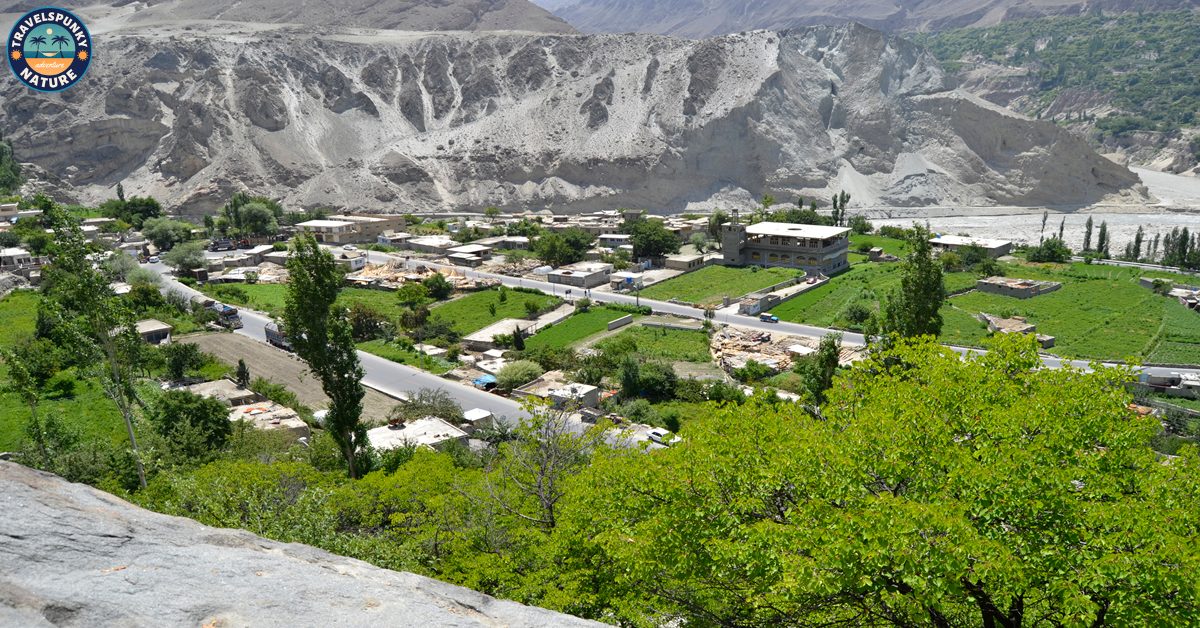
Ganish is where Hunza began. It sits on the river flats below Karimabad, at the point where Silk Road caravans once crossed the Hunza River, and it is reckoned to be the valley’s oldest settlement, with about 1,000 years of continuous habitation. The old village is a tight knot of timber-and-stone houses, carved wooden mosques and watchtowers built around a central pond, which once watered animals and fought fires. The towers tell the story of caravan life: Ganish sat exposed to raids from Nagar, just across the river, so the village was built as a fortress, with blank outer walls and low entrance tunnels. From the late 1990s, conservation work led by the community with the Aga Khan Cultural Service restored the towers, mosques and houses using original materials, and the work earned UNESCO Asia-Pacific heritage awards.
Just east of Ganish, beside the Karakoram Highway, stand the Sacred Rocks of Hunza, known locally as Haldeikish, meaning “place of the male ibexes”. Four dark boulders, about 180 m long and up to 9 m high, are covered with thousands of petroglyphs and inscriptions left by travellers over about two thousand years, in Kharosthi, Brahmi, Sogdian, Tibetan and Chinese scripts, along with ibex carvings and Buddhist references. The rocks are free to visit, and a local guide makes the carvings legible. Together, the rocks and the village are the best one-two stop for Silk Road history in Hunza.
Cost: The Sacred Rocks are free to visit. A village guide in Ganish is worth hiring, and a small contribution to the community is appropriate.
How to reach it: On the Karakoram Highway below Karimabad, about 6 km beyond Aliabad. The rocks are signposted from the road, a 5-minute drive from Ganish.
Best for: History lovers, and a slow morning before the drive north to Attabad Lake.
Hunza Valley food, and getting around
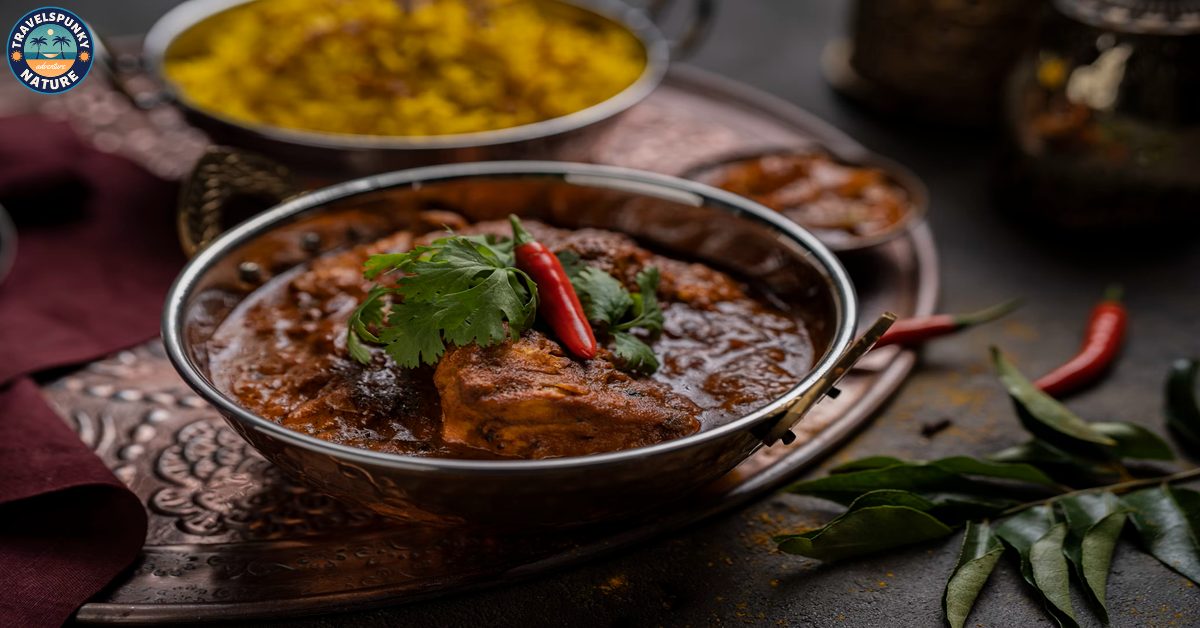
Hunza food is worth a section of its own, because it is unlike food elsewhere in Pakistan. The cooking uses apricot oil, mint, onions and cheese, and very little chilli, and the best-known dishes are chapshuro, a meat-filled flatbread, and dawdo, a noodle soup. Karimabad bazaar has small restaurants and cafes serving both, along with dried apricots, apricot oil and local honey to take home. Ask for the dish of the day rather than ordering from a long menu, since small kitchens cook what is fresh.
Getting around the valley is simple. Karimabad is the base, and shared jeeps run through the day from the main bazaar to Gilgit and to the villages along the Karakoram Highway. For Attabad Lake, Passu and Khunjerab Pass, hire a jeep with a local driver for the day, and agree on the fare before leaving. Cycling is a good option in spring, during the blossom season, and in autumn, when the valley turns gold, and bikes can be rented in Karimabad. The roads are mountain roads, so allow more time than the distance suggests.
Best time to visit Hunza Valley
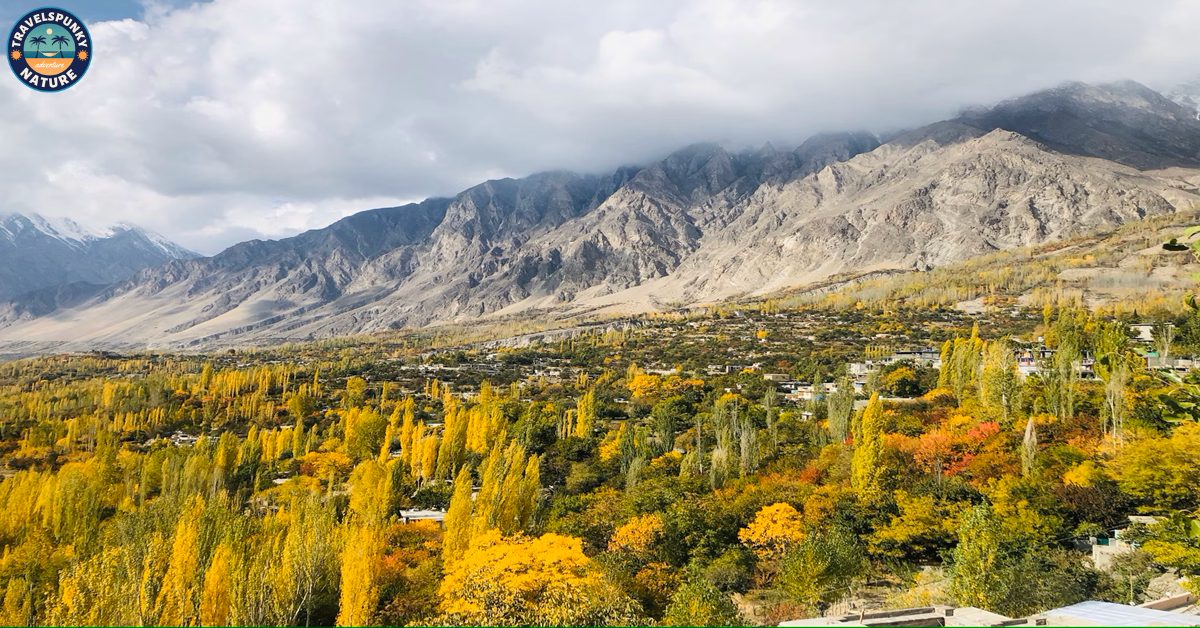
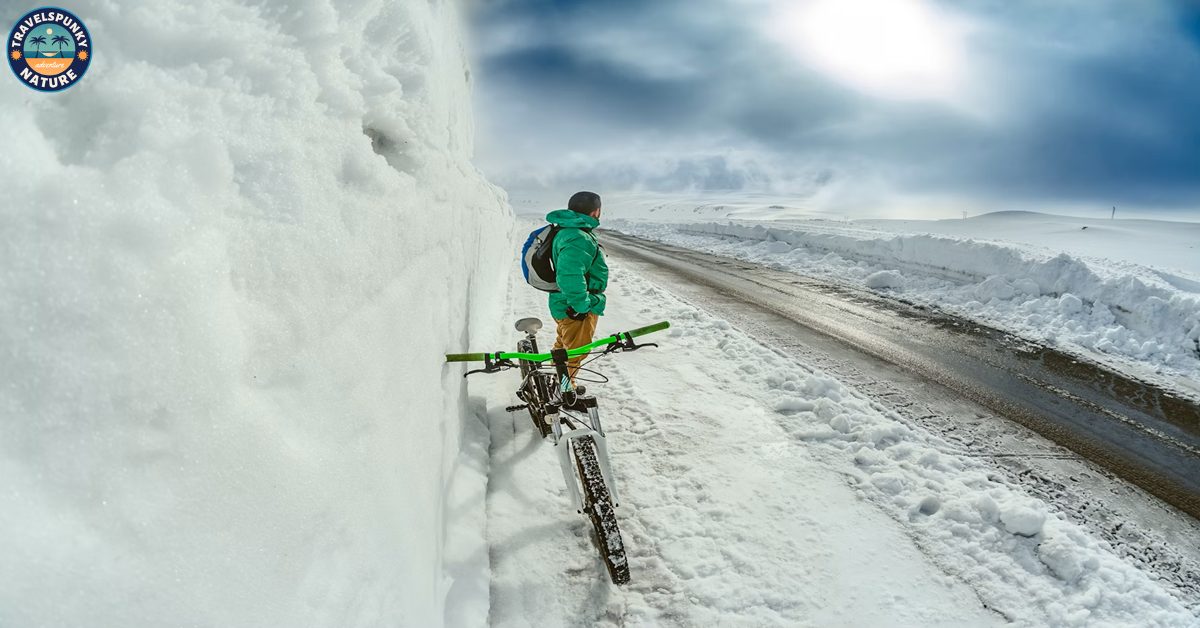
The main season is April to October. Late March to April brings the blossom season, when apricot, cherry and almond trees flower across the valley, and October brings the autumn colours, when the poplars and orchards turn gold. Both are the best windows for photography and for clear air. June to September is the warmest and busiest period, and it is the only reliable window for Khunjerab Pass. From November to January, temperatures drop sharply, and in January they can reach about -20 C in the valley, with snowfall from December to February. Winter has its own stark beauty, but many guesthouses close, and the high road north is not reliable.
How to reach Hunza Valley
Hunza has no airport of its own. The nearest airport is Gilgit Airport, about 100 km south of Karimabad on the Karakoram Highway.
By air: Fly from Islamabad to Gilgit Airport with PIA, about 1 hour. Fares in 2026 are roughly Rs. 19,000 to Rs. 28,000 one way, higher in peak season, and there are about 6 flights a week. Flights operate under visual flight rules, so they are heavily weather-dependent and often cancelled. Always hold a day buffer. From Gilgit Airport, Karimabad is a 2 to 3.5 hour drive north on the Karakoram Highway.
By road: The drive from Islamabad to Karimabad takes about 14 to 20 hours by coach or private car, depending on the route. The Karakoram Highway route runs via Abbottabad, Mansehra, Besham, Dasu, Chilas and Gilgit, and it is open year-round. The shorter Naran to Babusar Top route is seasonal, roughly May to October, and closes in winter. Break the journey overnight at Besham or Chilas, and do not rush it.
By bus: NATCO, Faisal Movers and other operators run coaches from Islamabad and Rawalpindi to Gilgit, roughly Rs. 4,000 to Rs. 8,000 depending on operator and class, taking 16 to 22 hours. From Gilgit to Karimabad, the NATCO bus leaves daily in the early morning, and shared jeeps run through the day from the main bazaar, roughly Rs. 400 to Rs. 600 per person. Confirm fares at the stand, since they change.
Worth knowing: There is no train service to Gilgit-Baltistan. Landslides and floods can close mountain roads for days, especially in late July and August, so check local road reports before leaving.
Where to stay in Hunza Valley
Karimabad is the best base for a first visit. It has the widest choice of guesthouses and small hotels, it is walking distance from Baltit Fort and the bazaar, and it is the starting point for the jeep road to Eagle’s Nest. Stay in Karimabad for the forts, Ganish and the valley views, and allow at least three nights: one day for Karimabad and the forts, one day for Attabad Lake, Passu and Hussaini, and one day for Khunjerab Pass.
For a second base, Duikar is worth one night for the sunrise at Eagle’s Nest, and the Attabad Lake shore has lakeside resorts for a night by the water. Book ahead in June to September, when the valley is busiest, and confirm heating and hot water for stays in March, April or October, when nights are cold.
Many travellers pair Hunza with Skardu on the same northern trip, and the two valleys sit about a day apart by road. Our guide to the best places to visit in Skardu covers the Kachura lakes, Deosai, Shigar and Khaplu and the cold deserts in the same detail.
Frequently asked questions
1. How many days are enough for Hunza Valley?
Four to five days is a good length. That allows a day for Karimabad, Baltit Fort and Altit Fort, a day for Attabad Lake, Passu and Hussaini, a full day for Khunjerab Pass, and a morning at Eagle’s Nest. Three days covers the highlights if you skip Khunjerab Pass.
2. What is the best month to visit Hunza Valley?
April is best for blossom, October is best for autumn colours, and June to September is best for warm weather and for Khunjerab Pass. Avoid November to February unless you are prepared for cold and limited services.
3. Is Khunjerab Pass open all year?
Not for visitors. The crossing has been open year-round for trade since December 2024, but for tourists the reliable window is roughly May to October, and snow can close the road even then. Check conditions in Hunza or Sost before driving up.
4. How much does it cost to visit Baltit Fort?
Roughly Rs. 500 for Pakistani visitors and Rs. 1,000 to Rs. 2,000 for foreign visitors in 2026, including the guided tour. Reports differ, so confirm the current rate at the ticket office and carry cash.
5. Can Attabad Lake, Passu and Hussaini Bridge be done in one day?
Yes, easily. They are all on the same stretch of the Karakoram Highway north of Karimabad. Allow a full day, start in the morning for the best light on the lake, and stop at the Passu Cones viewpoint on the way back.
6. Is Hunza Valley safe for families?
Hunza is widely regarded as one of the safest and most welcoming valleys in Pakistan for travellers, including families, and local people are famously hospitable. The risks are practical, not criminal: mountain roads, altitude at Khunjerab Pass, cold water at Attabad Lake, and weather that can close roads. Check road and weather reports before travelling, and hire local drivers for the mountain roads.
Researched and verified: November 2026. This guide is research-based, compiled from official visitor information, maps and traveller reports. Prices, hours and road conditions change, so confirm them locally before travelling.