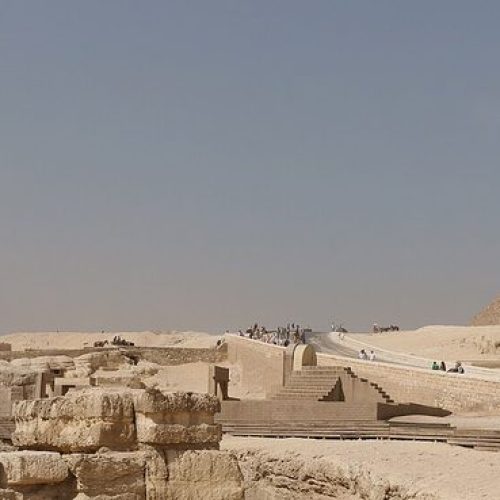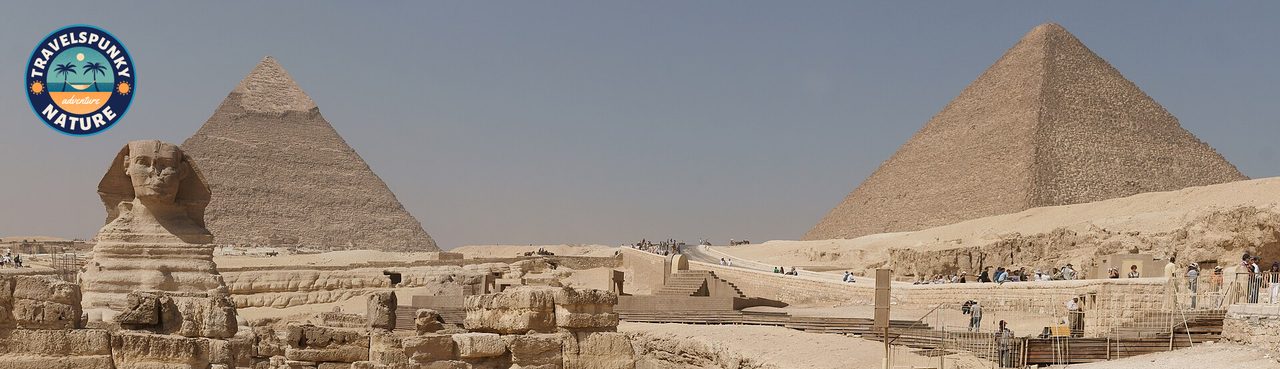
Egypt holds some of the oldest and most famous landmarks on earth. Most of them stand along one river, the Nile, in a line that runs from Cairo and Giza in the north to Abu Simbel in the far south. A single trip can take you from pyramids that are 4,500 years old to temples that were still in use when Rome ruled the region.
This guide covers the 12 landmarks that matter most on a first trip. For each one we give the current entry fee for a foreign adult in Egyptian pounds, the opening hours and the simplest way to reach it. We checked the fees against the official EgyMonuments listings in November 2026, and prices in Egypt change often, so confirm the figure when you book.
Egypt also holds a huge share of the Sahara. If desert country draws you as much as temples do, our guide to things to do on a Sahara desert trip is a good next read.
The 12 landmarks at a glance
| No. | Landmark | Where | Entry fee for a foreign adult |
|---|---|---|---|
| 1 | Pyramids of Giza and the Great Sphinx | Giza | EGP 700 |
| 2 | Grand Egyptian Museum | Giza | EGP 1,830 |
| 3 | Egyptian Museum | Cairo, Tahrir Square | EGP 550 |
| 4 | Saqqara and the Step Pyramid of Djoser | South of Cairo | EGP 600 |
| 5 | Citadel of Saladin | Cairo | EGP 550 |
| 6 | Karnak Temple | Luxor, East Bank | EGP 600 |
| 7 | Luxor Temple | Luxor, East Bank | EGP 500 |
| 8 | Valley of the Kings | Luxor, West Bank | EGP 750 |
| 9 | Temple of Hatshepsut | Luxor, West Bank | EGP 440 |
| 10 | Abu Simbel Temples | South of Aswan | EGP 822 |
| 11 | Philae Temple | Aswan | EGP 550 |
| 12 | Temple of Edfu | Between Luxor and Aswan | EGP 550 |
1. Pyramids of Giza and the Great Sphinx
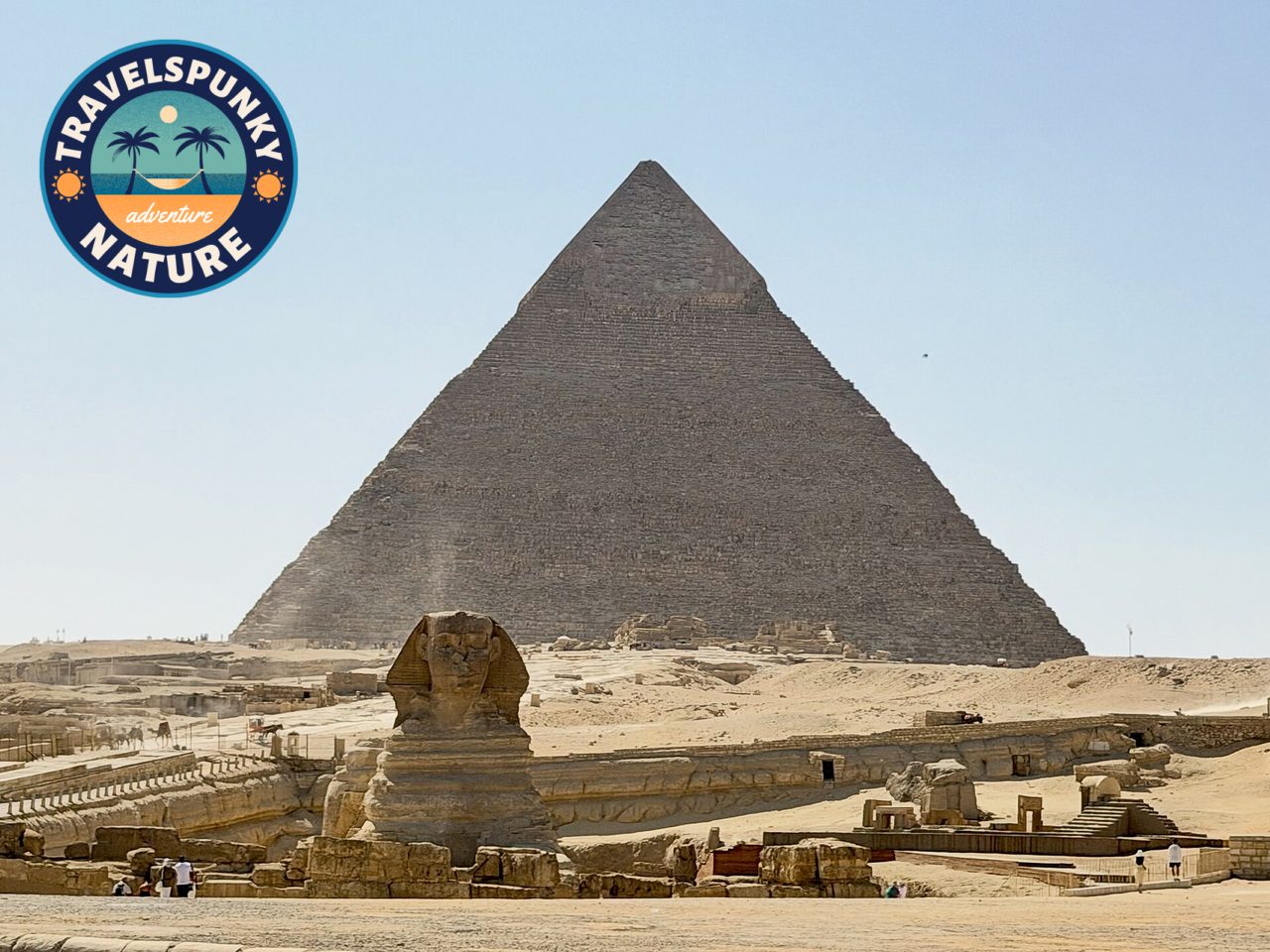
The three pyramids stand on a desert plateau at Giza, about 13 km southwest of central Cairo. They were built about 4,500 years ago as royal tombs for the pharaohs Khufu, Khafre and Menkaure. The Great Pyramid of Khufu is the oldest of the Seven Wonders of the Ancient World and the only one still standing.
It rose to about 147 metres when it was finished, and it stayed the tallest human-made structure on earth for more than 3,800 years. Below the pyramids sits the Great Sphinx, a lion with a human head carved from one ridge of limestone bedrock. It measures about 73 metres long and 20 metres high, and most scholars link its face to Pharaoh Khafre.
The plateau ticket lets you walk around the pyramids and up to the Sphinx enclosure. It does not include going inside any pyramid, and each interior sells its own separate ticket.
Entry fee: EGP 700 for a foreign adult and EGP 350 for a student. Going inside the Great Pyramid needs a separate add-on ticket, listed at EGP 1,000 on the official EgyMonuments site, and a few guides quote a higher figure, so confirm the price when you book.
Hours: Open from 7 AM to 5 PM, with last entry at 4 PM.
How to reach it: Taxis and ride-hailing apps run from central Cairo to the plateau in about 30 to 45 minutes, depending on traffic. Many visitors book a guided day trip that pairs Giza with the Grand Egyptian Museum.
Good to know: Go early for cooler air and softer light. Expect steady offers of camel and horse rides around the plateau, and agree any price before you climb on.
2. Grand Egyptian Museum
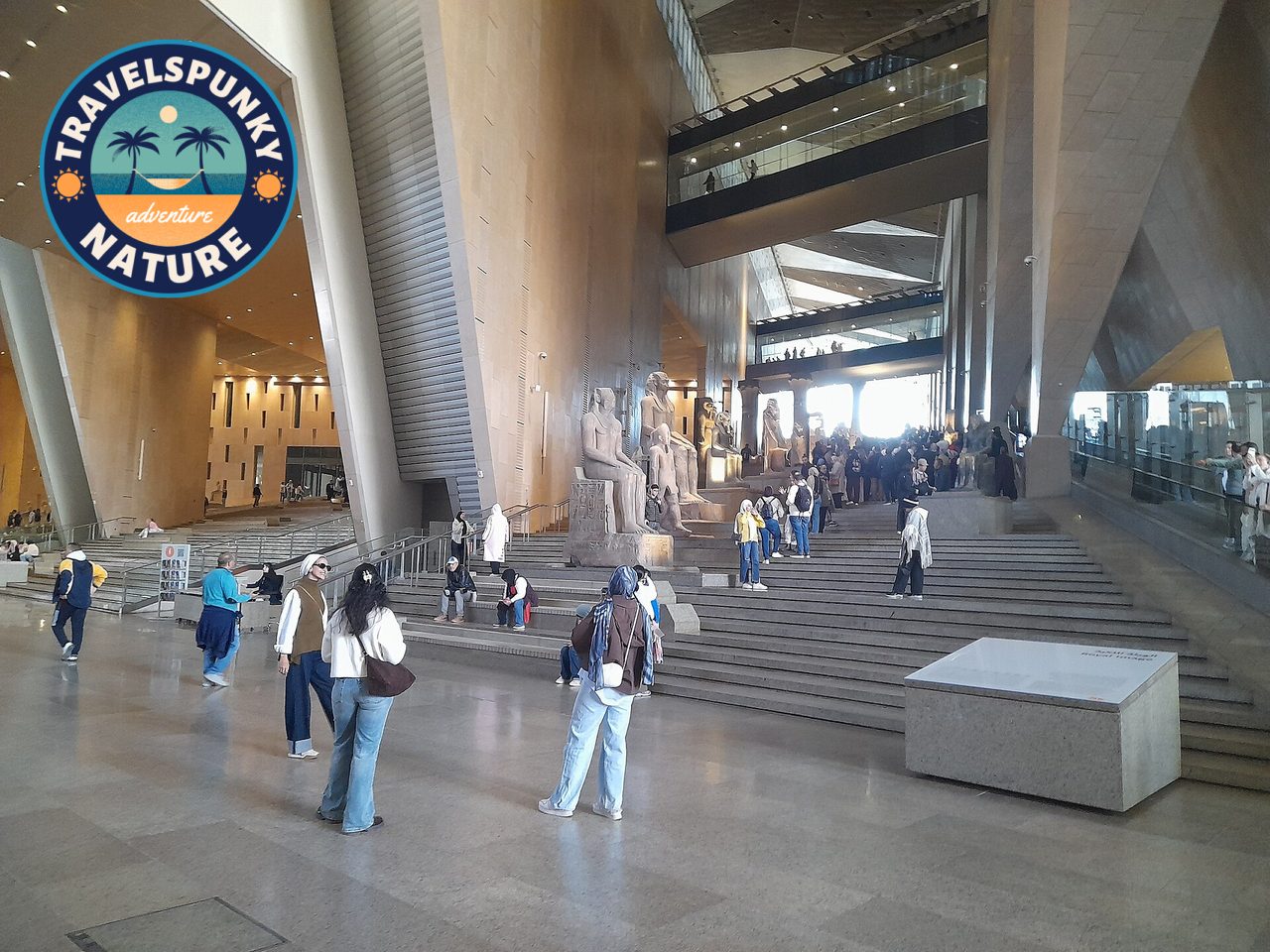
The Grand Egyptian Museum stands about 2 km from the pyramids, and it is the largest museum in the world built for one civilisation. It was officially inaugurated on 1 November 2025 and opened to the public days later, fully open with every gallery running.
The star draw is the complete collection of Tutankhamun, all 5,398 pieces shown together for the first time, including his gold mask. The museum holds more than 100,000 artefacts in total, among them the great solar boat of Khufu and a huge statue of Ramesses II in the entrance hall.
Plan at least half a day here. The main galleries run in time order, so the museum also works as an introduction before you travel south to the temples and tombs.
Entry fee: EGP 1,830 for a foreign adult and EGP 920 for a foreign student or child, at the prices set from 1 November 2026.
Hours: Galleries open from 9 AM to 6 PM, and until 9 PM on Wednesdays and Saturdays. Last entry is one hour before closing.
How to reach it: The museum sits beside the Giza plateau, so most visitors pair it with the pyramids in one day. Taxis and ride-hailing apps run from central Cairo, and many Giza day tours include it.
Good to know: Tickets are sold online only, for a timed entry slot, on the official site visit-gem.com. There are no ticket sales at the gate, and the museum warns visitors against lookalike booking sites.
3. Egyptian Museum in Tahrir Square
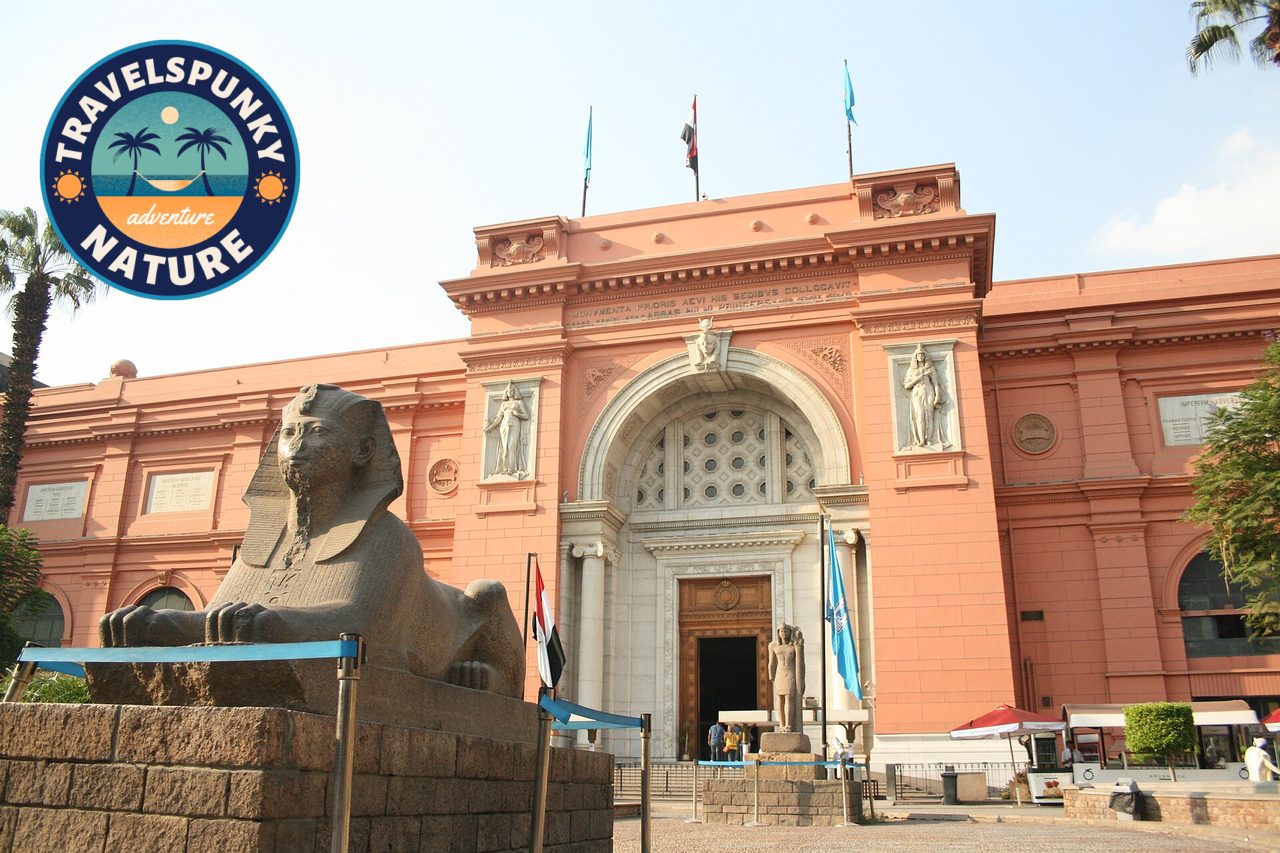
The old Egyptian Museum in Tahrir Square opened in 1902, and it is still very much open. Its rose-pink building holds two floors of statues, coffins, jewellery and everyday objects from ancient Egypt, and it did not close when the new museum opened at Giza.
Some famous pieces have moved out. The Tutankhamun mask and his full collection are now at the Grand Egyptian Museum, and the royal mummies moved to the National Museum of Egyptian Civilization in Fustat in 2021. Plenty remains here, including the Narmer Palette and the treasures of Yuya and Thuya, the great-grandparents of Tutankhamun.
The labelling is old-fashioned and some rooms feel crowded, but the collection is deep and the building itself is part of the history of Cairo.
Entry fee: EGP 550 for a foreign adult and EGP 275 for a student.
Hours: Open from 9 AM to 5 PM, with last entry at 4 PM.
How to reach it: The museum stands on Tahrir Square in central Cairo. The Sadat metro station is right beside it, and taxis can drop you at the gate.
Good to know: If your time in Cairo is short, choose between this museum and the Grand Egyptian Museum rather than rushing both. This one suits travellers who like old-style museums and want to stay in central Cairo.
4. Saqqara and the Step Pyramid of Djoser
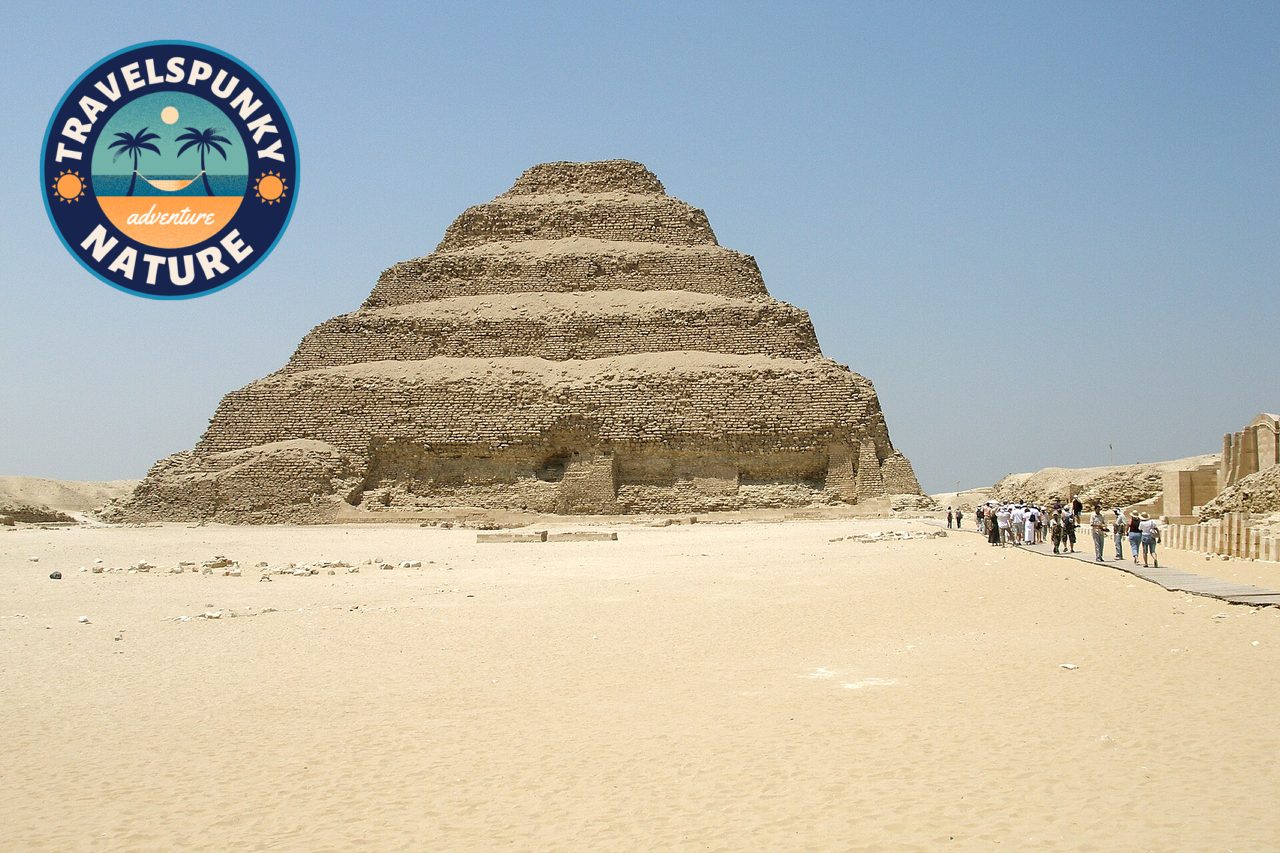
Saqqara was the main burial ground of ancient Memphis, and it holds the oldest stone pyramid in Egypt. The Step Pyramid was built about 4,700 years ago for Pharaoh Djoser, and it rises in six giant steps to about 60 metres.
Its designer, Imhotep, was a rare case in the ancient world, an architect whose name was remembered and who was later worshipped as a god. Around the pyramid spreads a huge necropolis of tombs, smaller pyramids and painted burial chambers from many periods of Egyptian history.
Saqqara feels calmer than Giza and the desert setting is wide open, so it pairs well with a morning at the pyramids.
Entry fee: EGP 600 for a foreign adult and EGP 300 for a student for the general ticket. Some tombs and the Serapeum, the underground burial place of sacred bulls, need extra add-on tickets.
Hours: Open from 8 AM, with last entry at 4 PM.
How to reach it: Saqqara lies about 30 km south of Cairo. Most visitors go by taxi or on a guided tour, and the drive takes around an hour.
Good to know: There is little shade on the site, so carry water and a hat, and start early in the warmer months.
5. Citadel of Saladin and the Mosque of Muhammad Ali
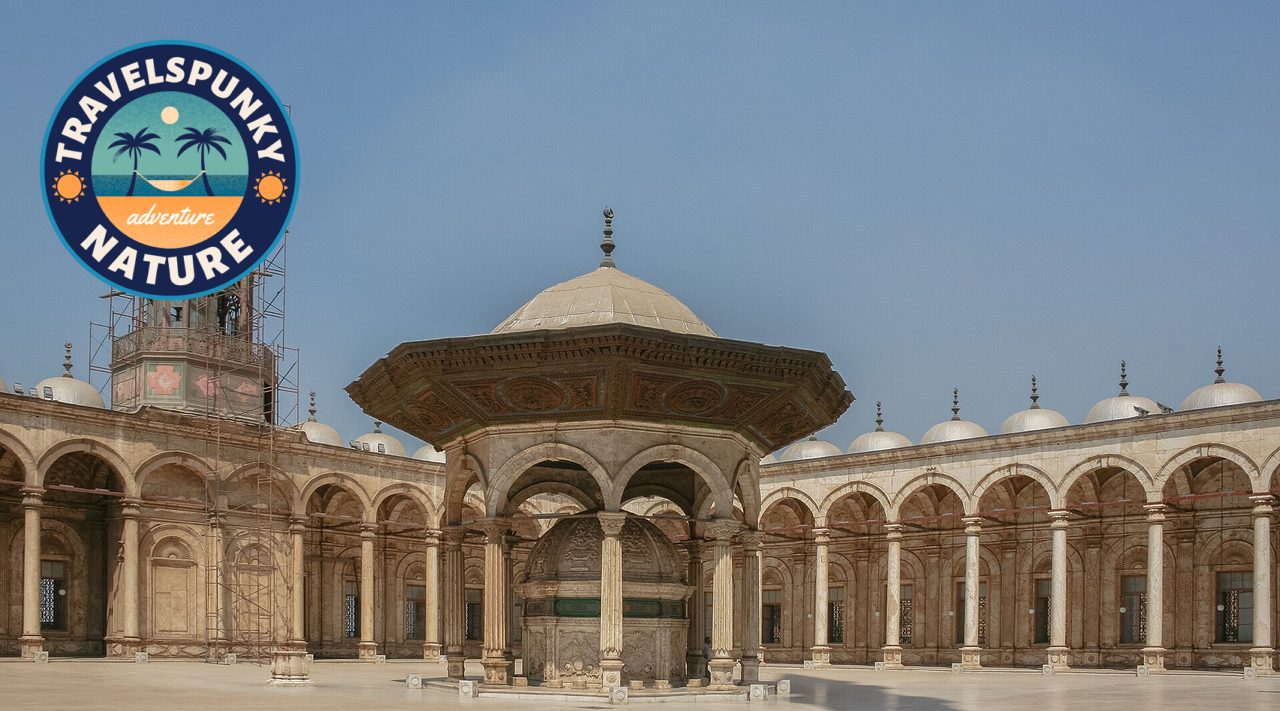
The Citadel is a medieval fortress on a hill in eastern Cairo, begun by Saladin in 1176 to defend the city. For almost 700 years it was the seat of the rulers of Egypt.
Inside stands the Mosque of Muhammad Ali, built in the 1800s and covered in alabaster, with slim minarets that you can see from across Cairo. The terrace beside the mosque gives one of the best views over the city, and on a clear day you can pick out the pyramids at Giza on the horizon.
Entry fee: EGP 550 for a foreign adult and EGP 275 for a student, covering the Citadel grounds and its museums.
Hours: Open from 8 AM, or 9 AM in summer, with last entry at 4 PM.
How to reach it: Take a taxi or a ride-hailing car to the Citadel gate. It is a short drive from Tahrir Square and from the old Islamic quarter of Cairo.
Good to know: Dress modestly for the mosque, and carry small cash for shoe covers or tips inside.
6. Karnak Temple
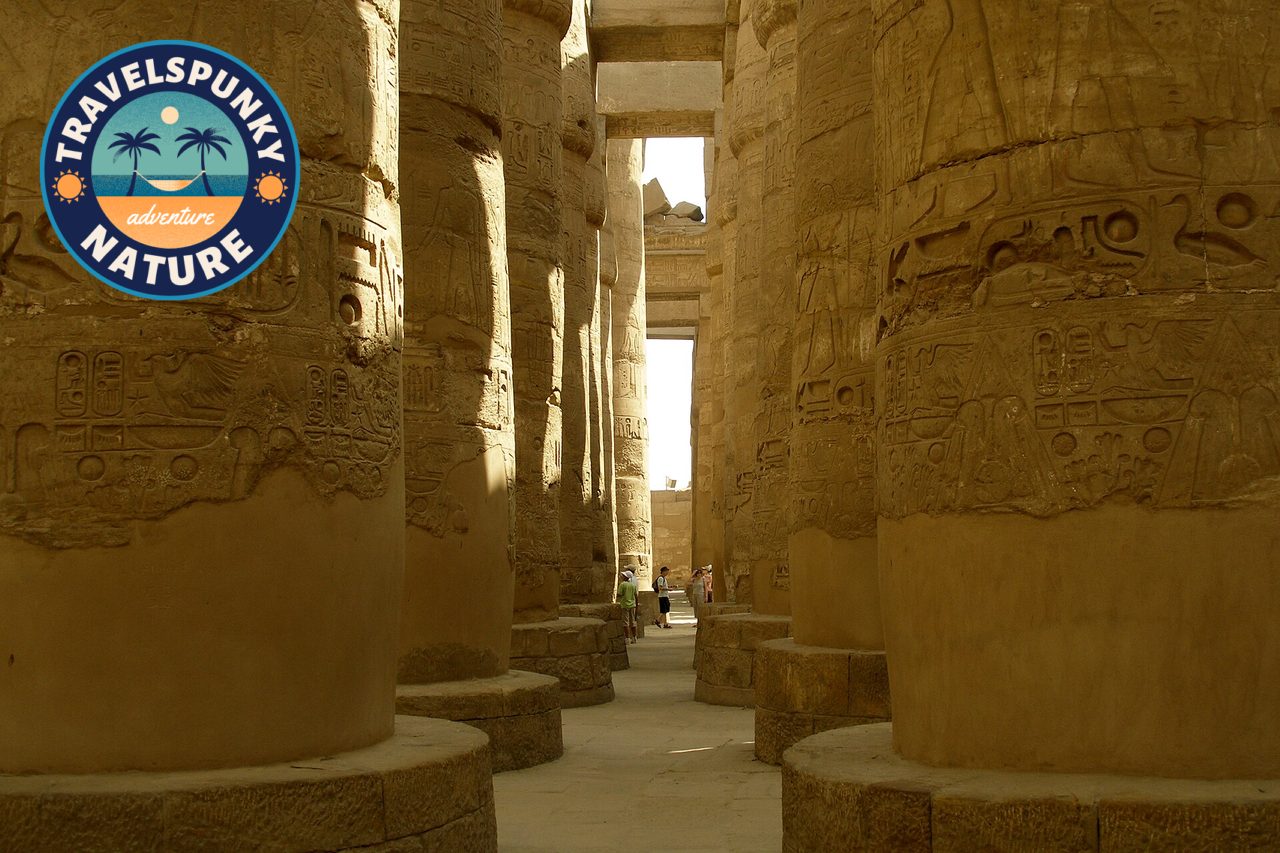
Karnak is the largest temple complex in Egypt and one of the largest religious sites anywhere in the world. Pharaohs added to it over about 2,000 years, and its main temple is dedicated to Amun-Ra, the great god of ancient Thebes.
The Great Hypostyle Hall is the part nobody forgets. Its 134 giant columns once held a roof over a stone forest, and some of them still carry their carved and painted decoration. An avenue of ram-headed sphinxes runs from the entrance, and a sacred lake sits inside the walls.
Entry fee: EGP 600 for a foreign adult and EGP 300 for a student.
Hours: Open from 6 AM, with last entry at 4 PM.
How to reach it: Karnak stands on the east bank of the Nile in Luxor, a short taxi ride from the town centre and the train station. The riverside road, the corniche, links it with Luxor Temple.
Good to know: Go at opening time or late in the afternoon for the best light and the smallest crowds. Allow at least two to three hours, because the site is huge.
7. Luxor Temple
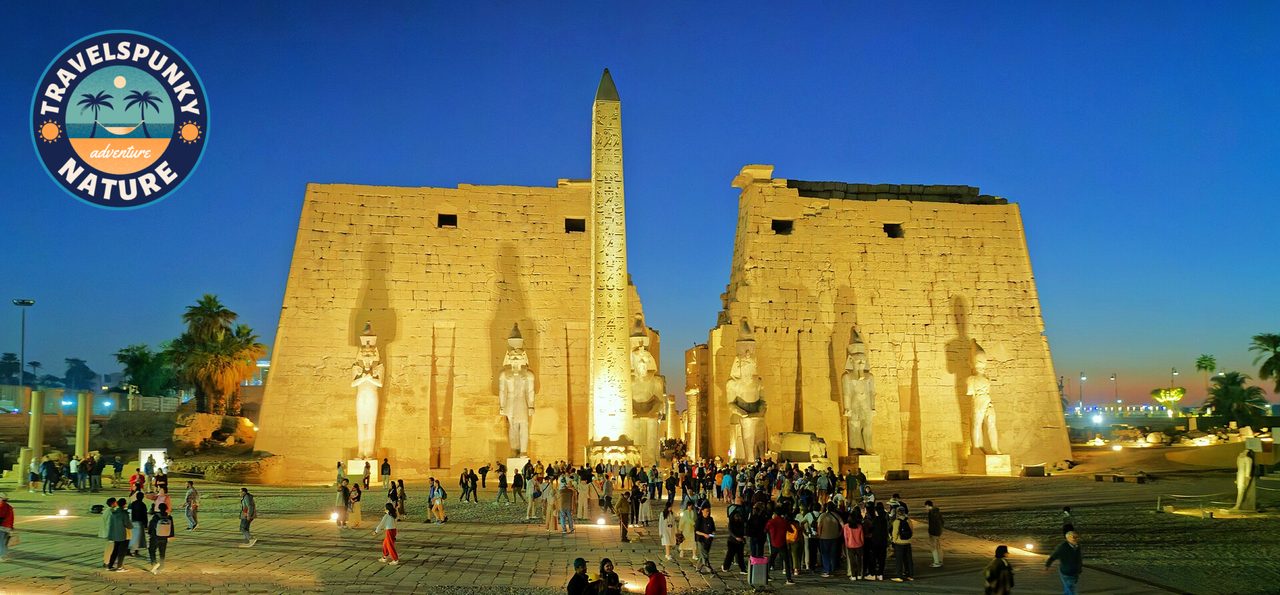
Luxor Temple stands right in the centre of modern Luxor, a few steps from the Nile. It was built mainly under Amenhotep III and Ramesses II, and it played the starring role in the annual Opet Festival, when the gods of Karnak were carried here in procession.
Two giant seated statues of Ramesses II guard the entrance, beside a single pink granite obelisk. Its twin was taken to Paris in the 1830s and now stands in the Place de la Concorde. An avenue of sphinxes about 3 km long once linked this temple with Karnak, and much of it has been uncovered again in recent years.
Entry fee: EGP 500 for a foreign adult and EGP 250 for a student.
Hours: Open from 6 AM, with last entry at 7 PM.
How to reach it: The temple is in central Luxor on the east bank of the Nile. Most hotels are within walking distance or a short taxi ride away.
Good to know: Come after sunset to see the columns floodlit. It is one of the best evening sights in Luxor, and the crowds are thinner than in the morning.
8. Valley of the Kings
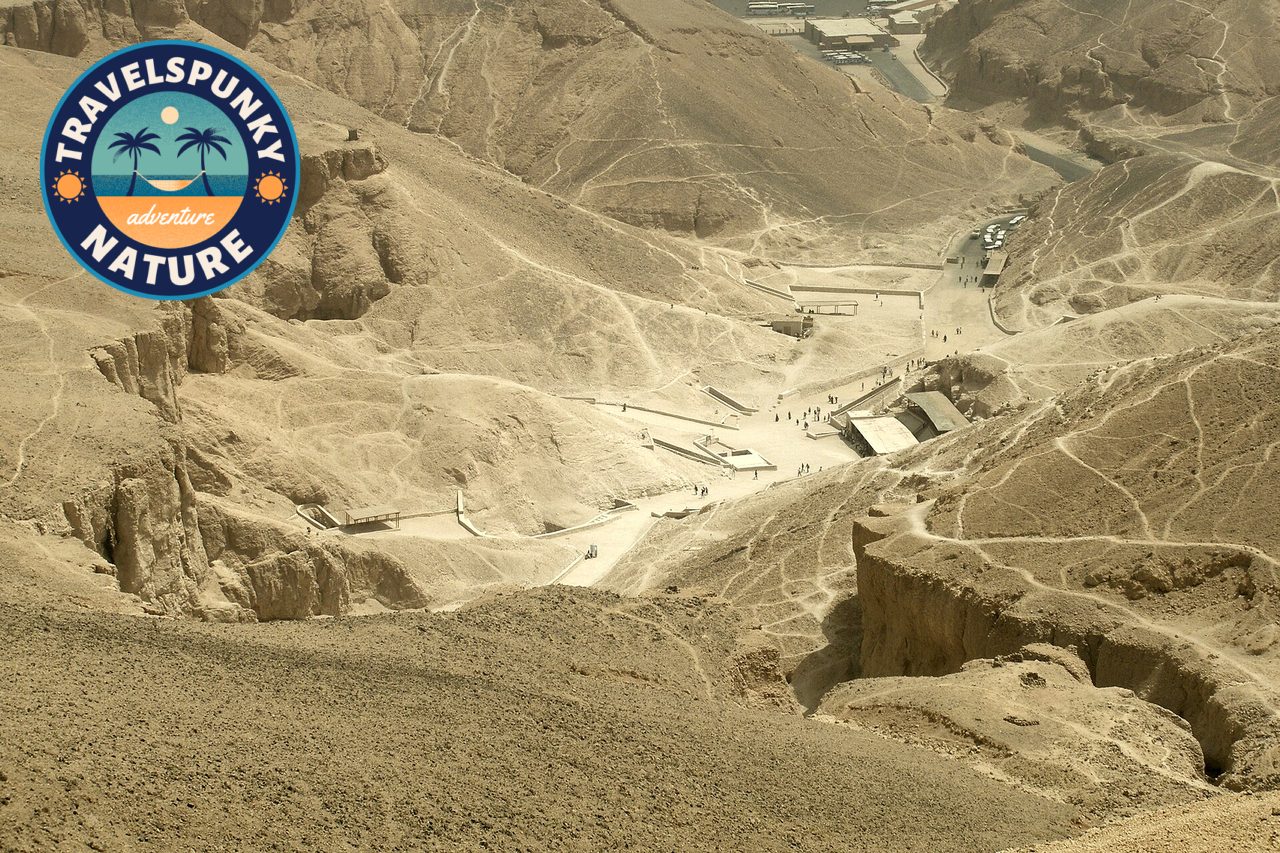
Across the river from Luxor, a dry valley in the west bank hills holds the tombs of the pharaohs of the New Kingdom. More than 60 tombs have been found here, cut deep into the rock and painted with scenes of the journey through the afterlife.
The most famous tomb belongs to Tutankhamun, found almost untouched by Howard Carter in 1922. The tombs of Ramesses VI and Seti I are among the finest of all for their painting and carving.
Only some tombs are open at any one time, because they rotate to protect the paintings. Your ticket covers three of the tombs that are open on the day.
Entry fee: EGP 750 for a foreign adult and EGP 375 for a student, covering three tombs. The tombs of Tutankhamun and Seti I need separate extra tickets sold at the site, and their prices change, so confirm at the ticket office.
Hours: Open from 6 AM, with last entry at 4 PM, or 5 PM in summer.
How to reach it: The valley is on the west bank at Luxor. Most visitors cross by taxi or tour bus over the bridge, and many pair it with the temple of Hatshepsut in the same morning.
Good to know: Start at opening time. The valley heats up fast, the tombs get busy by mid-morning, and there is almost no shade between them.
9. Temple of Hatshepsut at Deir el-Bahari
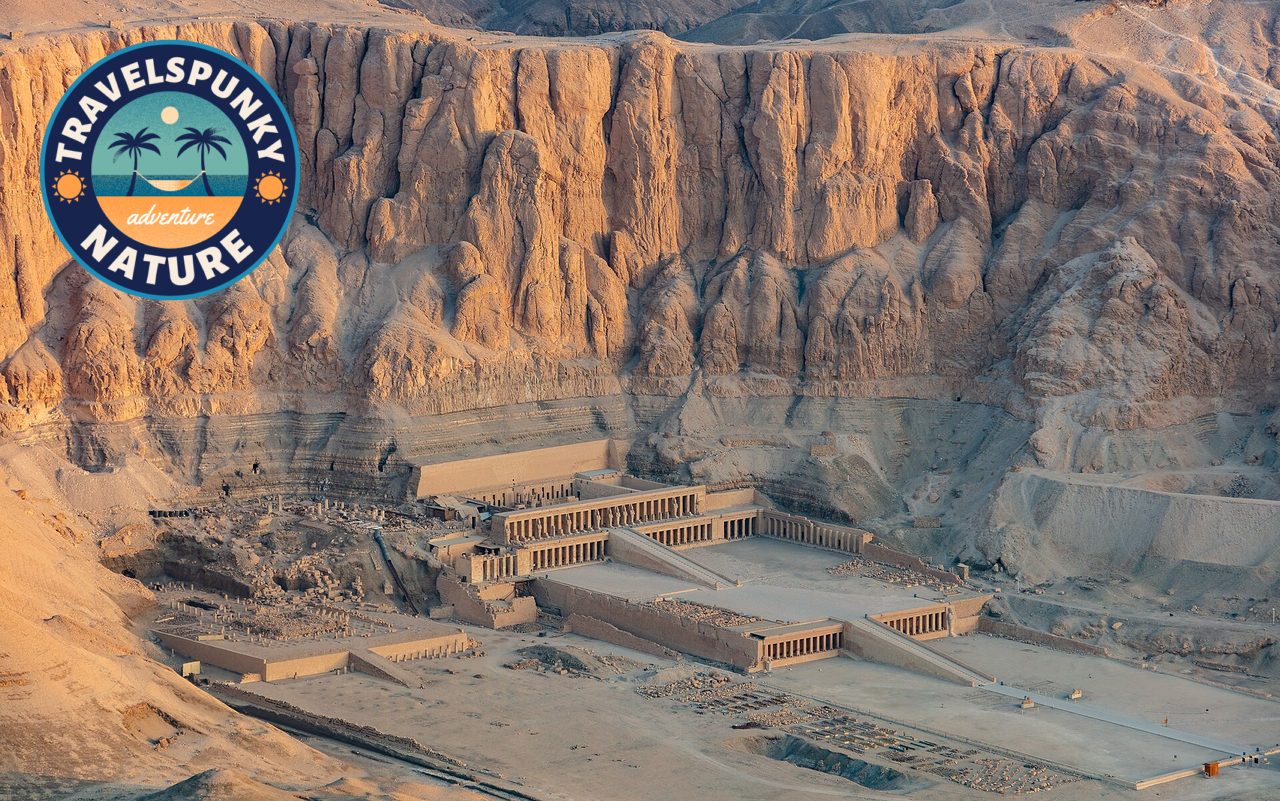
The mortuary temple of Hatshepsut rises in three wide terraces against the pale cliffs of Deir el-Bahari. It was built for Queen Hatshepsut, one of the few women to rule Egypt as pharaoh in her own right.
Long ramps and colonnades climb from one terrace to the next, and the walls carry carved stories, including a famous expedition sent by sea to the land of Punt. The design, credited to her adviser Senenmut, still looks strikingly modern today.
Entry fee: EGP 440 for a foreign adult and EGP 220 for a student.
Hours: Open from 6 AM, with last entry at 4 PM, or 5 PM in summer.
How to reach it: The temple sits on the west bank, a short drive from the Valley of the Kings, and the two are usually visited together. A small shuttle runs from the ticket office up to the temple terraces.
Good to know: There is almost no shade on the terraces, so visit early and carry water. The cliff backdrop makes this one of the best photo stops in Luxor.
10. Abu Simbel Temples
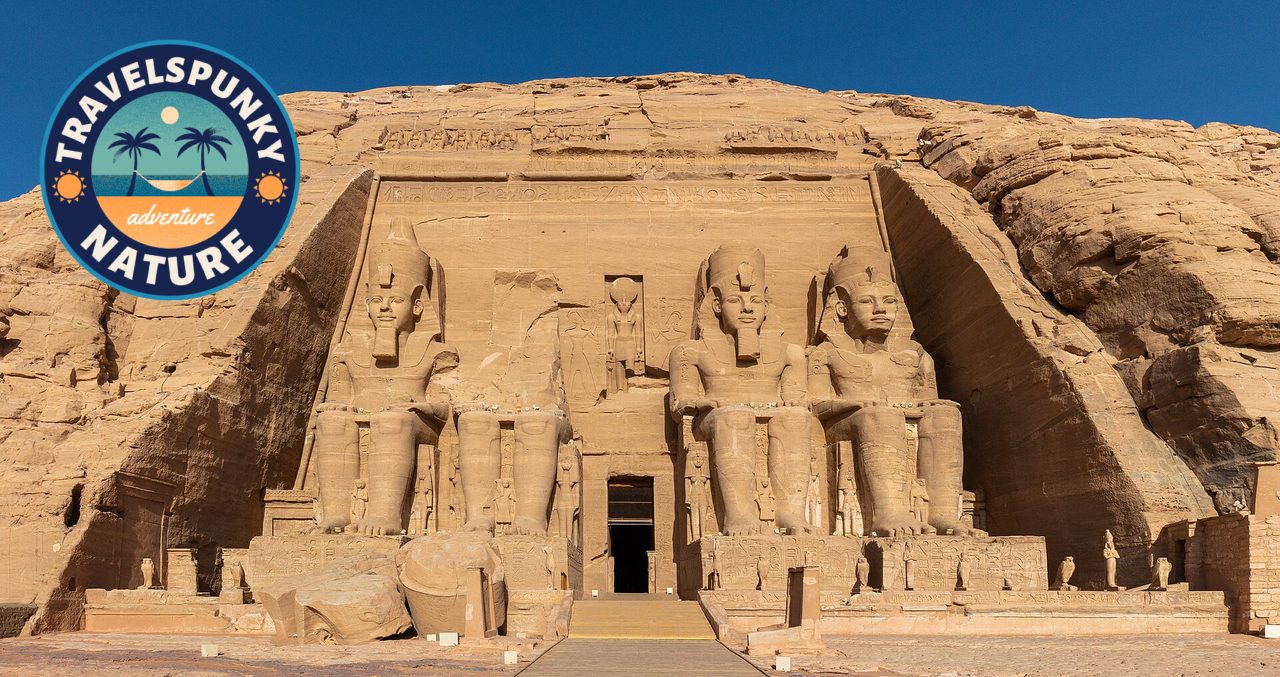
Far in the south, on the shore of Lake Nasser, two temples were carved into the rock for Ramesses II about 3,200 years ago. Four seated statues of the king, each about 20 metres tall, guard the Great Temple, and a smaller temple beside it honours his queen, Nefertari.
The temples do not stand where they were built. When the Aswan High Dam created Lake Nasser in the 1960s, the rising water would have drowned them. In a rescue led by UNESCO between 1964 and 1968, workers cut the temples into more than 1,000 blocks and rebuilt them about 65 metres higher and 200 metres further back, inside an artificial hill.
Twice a year, on 22 February and 22 October, the rising sun shines deep into the Great Temple and lights the statues in its inner sanctuary.
Entry fee: EGP 822 for a foreign adult and about EGP 446 for a student. On the two Sun Festival days the adult ticket rises to EGP 1,272.
Hours: Open from 6 AM, with last entry at 4 PM.
How to reach it: Abu Simbel is about 280 km south of Aswan. Day trips by road take about 3 to 3.5 hours each way and leave Aswan around 4 or 5 AM, and short flights of about 45 minutes also run.
Good to know: Book the day trip a day or two ahead in the busy season, carry your passport for the road checkpoints, and bring water, because there is little between Aswan and the temples.
11. Philae Temple
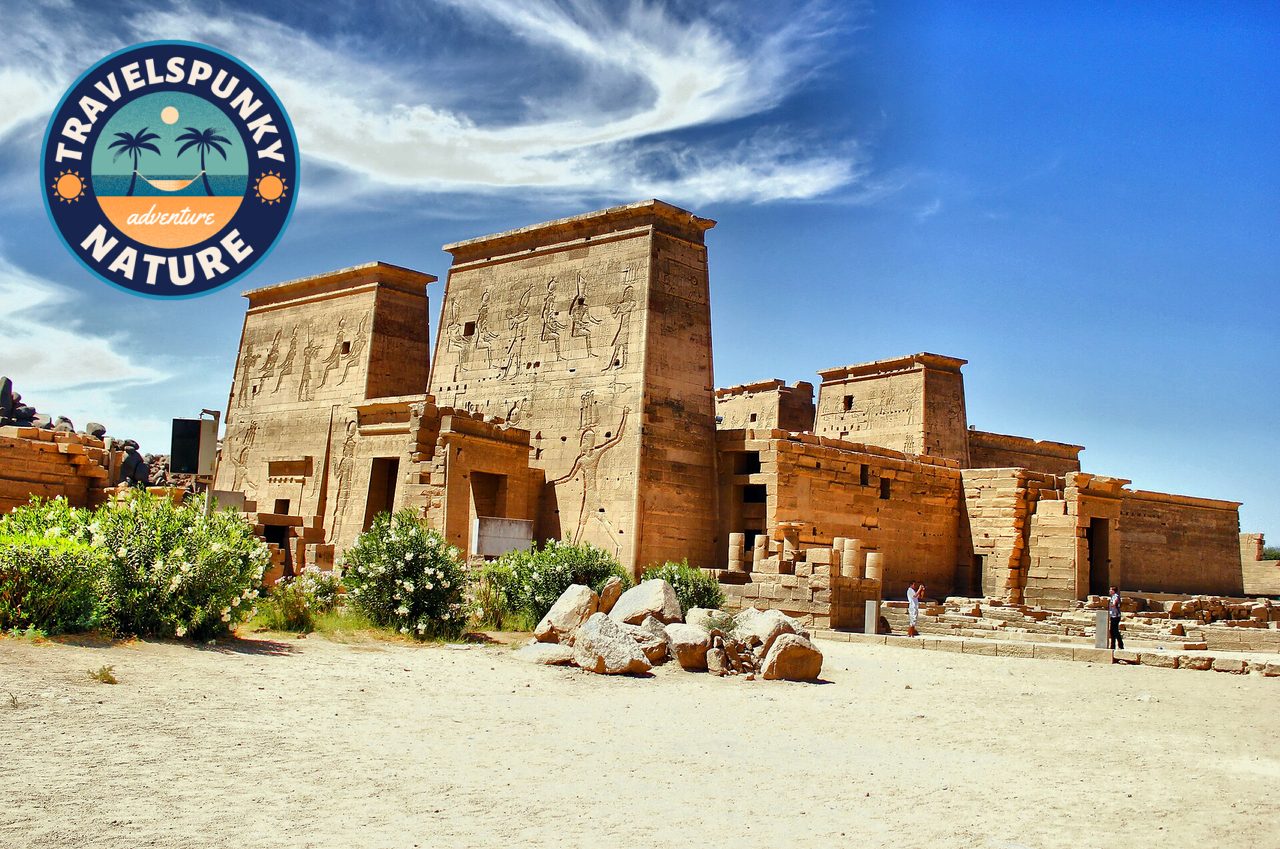
Philae is a temple of the goddess Isis on Agilkia Island, a short boat ride from Aswan. Its courtyards, pylons and small waterside pavilion make it one of the prettiest temple sites in Egypt.
Like Abu Simbel, Philae was saved by the UNESCO rescue campaign. The temple was taken apart and rebuilt on this higher island after its original home was flooded by the dam waters. It was one of the last temples of the old religion still in use, and the last known hieroglyphic inscription was carved here.
Entry fee: EGP 550 for a foreign adult and EGP 275 for a student. The motorboat to the island is paid separately at the marina.
Hours: Open from 7 AM, with last entry at 3 PM.
How to reach it: Take a taxi from Aswan to the Shellal marina, then a motorboat to the island. Agree the boat price and the waiting time with the boatman before you set off.
Good to know: The light on the island is lovely late in the day, but last entry is early at 3 PM, so do not leave this visit too late.
12. Temple of Edfu
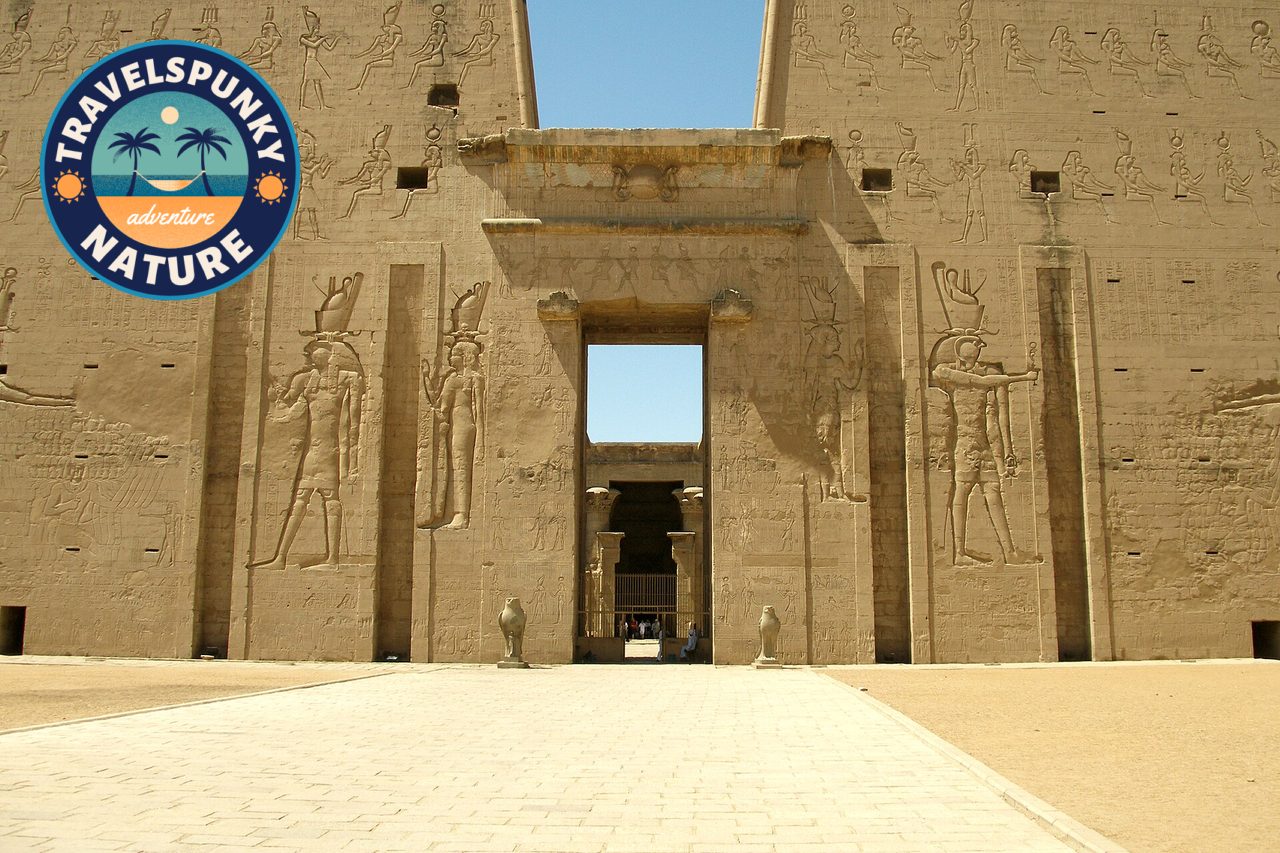
Edfu is the best preserved ancient temple in Egypt. It was built in the Ptolemaic period, between 237 and 57 BC, for Horus the falcon god, and its walls, roof and inner sanctuary survive almost complete.
Because the roof is still on, Edfu gives the clearest sense of how an Egyptian temple actually felt. You move from a bright open court into darker and darker halls, and end at the dim sanctuary where the god’s statue once stood.
Entry fee: EGP 550 for a foreign adult and EGP 275 for a student.
Hours: Open from 7 AM, with last entry at 4 PM. It opens an hour earlier, at 6 AM, on Sundays and Wednesdays.
How to reach it: Edfu sits between Luxor and Aswan, and most Nile cruises stop here. From the town, taxis and horse carriages run to the temple gate.
Good to know: Cruise groups arrive in waves, so the temple is quietest at opening time and in the last hour before last entry.
Best time to visit Egypt
The best months for these landmarks are October to April, when the Nile Valley is warm rather than fierce. December and January are the busiest months of all, with the highest prices and the longest queues at the big sites.
From May to September the south gets extreme. Daytime heat in Luxor and Aswan reaches 40 to 45 C, and sightseeing at midday in that heat is unsafe. If you travel in those months, start at opening time, rest in the middle of the day and save the museums for the afternoon.
During Ramadan, some sites shorten their opening hours, so check the times again before you go. If your trip is built around the desert as much as the temples, our guide to the deserts in Morocco shows how the same season feels at the other end of North Africa.
How to get around
In Cairo, the metro is the fastest way across the city, and ride-hailing apps such as Uber and Careem are widely used. For Giza, Saqqara and the Citadel, a taxi or a booked day tour is the simple option, because the sites sit far apart.
Between cities, domestic flights link Cairo with Luxor in about an hour and with Aswan in about an hour and a half. Overnight sleeper trains run from Cairo to Luxor and Aswan, and Nile cruises sail between Luxor and Aswan over four to five days, stopping at Edfu on the way. Fares move by season and by operator, so treat any price as a guide and confirm when you book.
For the monuments themselves, buy tickets on the official EgyMonuments site or at the gate. The major sites take bank cards only at the ticket window, so carry a Visa or Mastercard, plus small notes for boats, toilets and tips.
Frequently asked questions
1. How much does it cost to see the Pyramids of Giza?
The plateau ticket is EGP 700 for a foreign adult. It covers the pyramids from outside and the Sphinx, but not the interiors. Going inside the Great Pyramid needs an add-on ticket, listed at EGP 1,000 on the official EgyMonuments site, so confirm the current price when you book.
2. Is the Grand Egyptian Museum fully open?
Yes. It was inaugurated on 1 November 2025 and it is fully open, with the complete Tutankhamun collection on show. Tickets are sold online only, for timed entry slots, on the official site visit-gem.com.
3. Did the Egyptian Museum in Tahrir Square close?
No, it is still open and worth a visit. The Tutankhamun mask moved to the Grand Egyptian Museum, and the royal mummies are at the National Museum of Egyptian Civilization, not in either of these two museums.
4. When is the best time to visit the landmarks of Egypt?
October to April is the comfortable season for the Nile Valley. Avoid midday sightseeing in Luxor and Aswan in summer, when the heat reaches 40 to 45 C.
5. Can I pay for monument tickets in cash?
At the major sites, no. Ticket offices take bank cards only, and many tickets can be bought ahead on egymonuments.com. Carry small cash for boats, toilets and tips.
6. How many days do I need for these 12 landmarks?
About a week works well. Give Cairo and Giza three days, Luxor two to three days, and Aswan one to two days, including the early day trip to Abu Simbel.
Conclusion
Egypt packs more world-famous landmarks into one river valley than almost any other country on earth, and a single week can take you from the pyramids to Abu Simbel. Plan the season well, book the museum and the big days early, and give each place the time it deserves.
If Africa is your wider plan, we also cover the famous landmarks in Nigeria and the famous landmarks in South Africa, each with the same fees, hours and honest travel tips.