Luxor rewards anyone who plans it well, and the short answer is simple. See Karnak and Luxor Temple on the East Bank on day one, cross the Nile for the Valley of the Kings and the Temple of Hatshepsut on day two, and keep a third day for Dendera and a slow evening on the river. This guide lists the 12 best things to do in Luxor, with entry fees and opening hours checked against official sources in November 2026.
Most visitors reach Luxor after the capital, and our guide to the best things to do in Cairo covers that first half of the trip. The sleeper train from Cairo is the classic way south. All prices below are for foreign adults, and most sites take card payment only, so carry a bank card plus small notes for the ferry, drivers, boats and tips.
| No. | Thing to do | Area | Entry fee (foreign adult) | Time needed |
|---|---|---|---|---|
| 1 | Karnak Temple | East Bank | EGP 600 | 2 to 3 hours |
| 2 | Luxor Temple | East Bank | EGP 500 | 1 to 2 hours |
| 3 | Valley of the Kings | West Bank | EGP 750 | Half a day |
| 4 | Temple of Hatshepsut | West Bank | EGP 440 | 1 to 2 hours |
| 5 | Medinet Habu | West Bank | EGP 220 | 1 to 2 hours |
| 6 | Deir el-Medina and the Tombs of the Nobles | West Bank | EGP 220, Nobles EGP 120 to 200 per cluster | 2 to 3 hours |
| 7 | Luxor Museum | East Bank | EGP 400 | About 90 minutes |
| 8 | Mummification Museum | East Bank | EGP 220 | 30 to 40 minutes |
| 9 | Hot Air Balloon over the West Bank | West Bank | About USD 70 to 110 | Sunrise, about 3 hours |
| 10 | Sunset Felucca and the Corniche Walk | The Nile | About EGP 200 to 400 per boat | 1 hour |
| 11 | Karnak Sound and Light Show | East Bank | USD 20 | About 90 minutes |
| 12 | Dendera Temple Day Trip | Day trip north | EGP 300 | Half a day |
Safety in Luxor
Neither the UK nor the US government advises against travel to Luxor. The UK Foreign Office advises against travel to North Sinai and within 20 km of the Egypt-Libya border, and against all but essential travel to parts of the Western Desert. Luxor is named first in the exceptions to that Western Desert advice, alongside Qina, Aswan, Abu Simbel and the Valley of the Kings. The US State Department rates Egypt at Level 2, Exercise Increased Caution, for terrorism, crime and health risks, with Do Not Travel advice for northern and middle Sinai and parts of the Western Desert.
The everyday risks are smaller ones. Watch for pickpockets, expect overcharging and scams around the tourist sites, and agree every price before a ride or a boat trip begins. Bag checks are normal at the big sights, and summer heat is a real risk, so carry water. Advice can change, so read your own government’s Egypt advice before you book and again before you fly. The two official pages are the UK Foreign Office Egypt advice and the US State Department Egypt advisory.
How to get around Luxor
Luxor is far smaller than Cairo and easy to cross. The East Bank holds the temples, museums and most hotels, and the West Bank holds the tombs and temples.
From the airport: The airport sits about 7 km east of the Corniche, a 10 to 20 minute drive to most East Bank hotels. A taxi costs EGP 150 to 300, agreed before you ride, because drivers rarely use their meters and there is no official tariff, so push back firmly above EGP 300. Careem costs about EGP 100 to 200 with the fare fixed in the app, and a pre booked transfer costs about USD 15 to 25.
Across the river: The public ferry leaves from the landing in front of the Luxor Museum, runs roughly every half hour and costs EGP 25 one way at the tourist fare. A private motorboat costs EGP 100 to 200 one way.
Ride apps and taxis: Uber does not operate in Luxor. Careem is the ride app to use, with the fare fixed in the app, and inDrive also works and lets you name your price. Taxis and caleches, the horse carriages, have no working meters, so agree the total price per ride before you move, and treat a caleche as a pleasure ride, not transport.
West Bank tickets: The West Bank Ticket Office stands near the Colossi of Memnon and opens from 8 am to 4 pm. The Colossi, two giant roadside statues of Amenhotep III, are a free ten minute photo stop. The office sells the tickets for Medinet Habu, the Ramesseum, Deir el-Medina, the Tombs of the Nobles and the Valley of the Queens, so buy them before you drive out. The Valley of the Kings and Hatshepsut sell theirs at their own visitor centres. Card payment is the norm at the bigger counters.
The Luxor Pass: The pass costs USD 130 standard and USD 250 premium, students USD 70 and USD 130, and gives five days of repeat entry. Standard covers every site except Seti I and Nefertari, and premium adds those two, but Nefertari is closed, so premium buys little extra in 2026. It is sold only at Karnak and the Valley of the Kings visitor centre, in clean dollar or euro notes, with a passport copy and photo.
1. Start at Karnak Temple
Karnak is the largest temple complex in Egypt and the first sight to see in Luxor, best done at opening time, before the tour groups arrive. Two to three hours gives you the main axis, the great hall and the sacred lake without rushing.
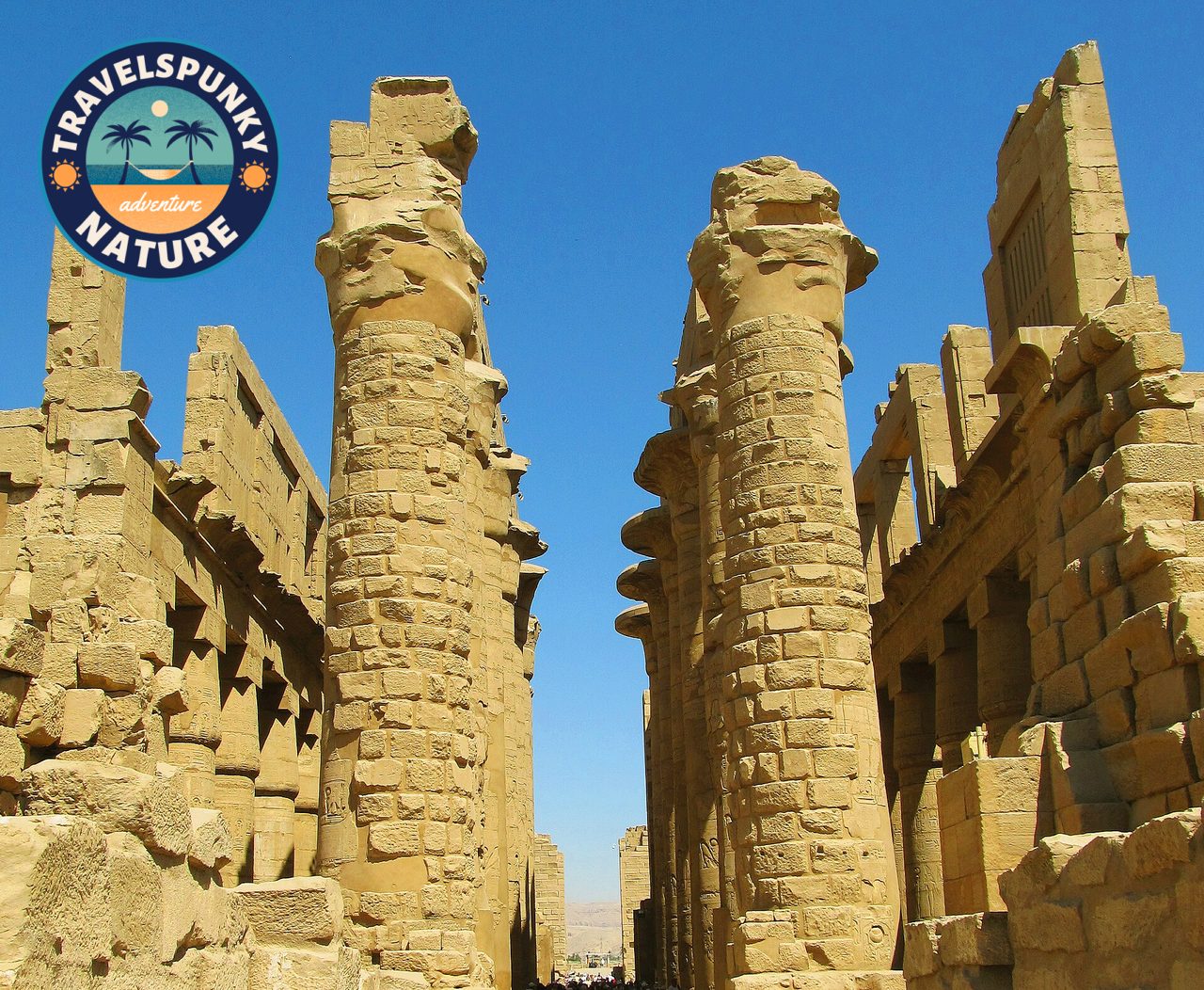
The complex grew over about 2,000 years and was dedicated mainly to Amun-Ra. The Great Hypostyle Hall holds 134 giant columns, an avenue of ram headed sphinxes runs from the entrance, and about 3 km of sphinx avenue once linked Karnak with Luxor Temple. We cover the East Bank temples in full in our guide to the famous landmarks in Egypt.
Entry fee: EGP 600 for a foreign adult and EGP 300 for students. The ticket includes the Open Air Museum. The Precinct of Mut needs a separate ticket at EGP 200 for adults and EGP 100 for students, so check at the office first.
Opening hours: 6 am to 5 pm every day, with the last entry at 4 pm.
Good to know: Payment is by card only, and carry water.
2. End the Day at Luxor Temple
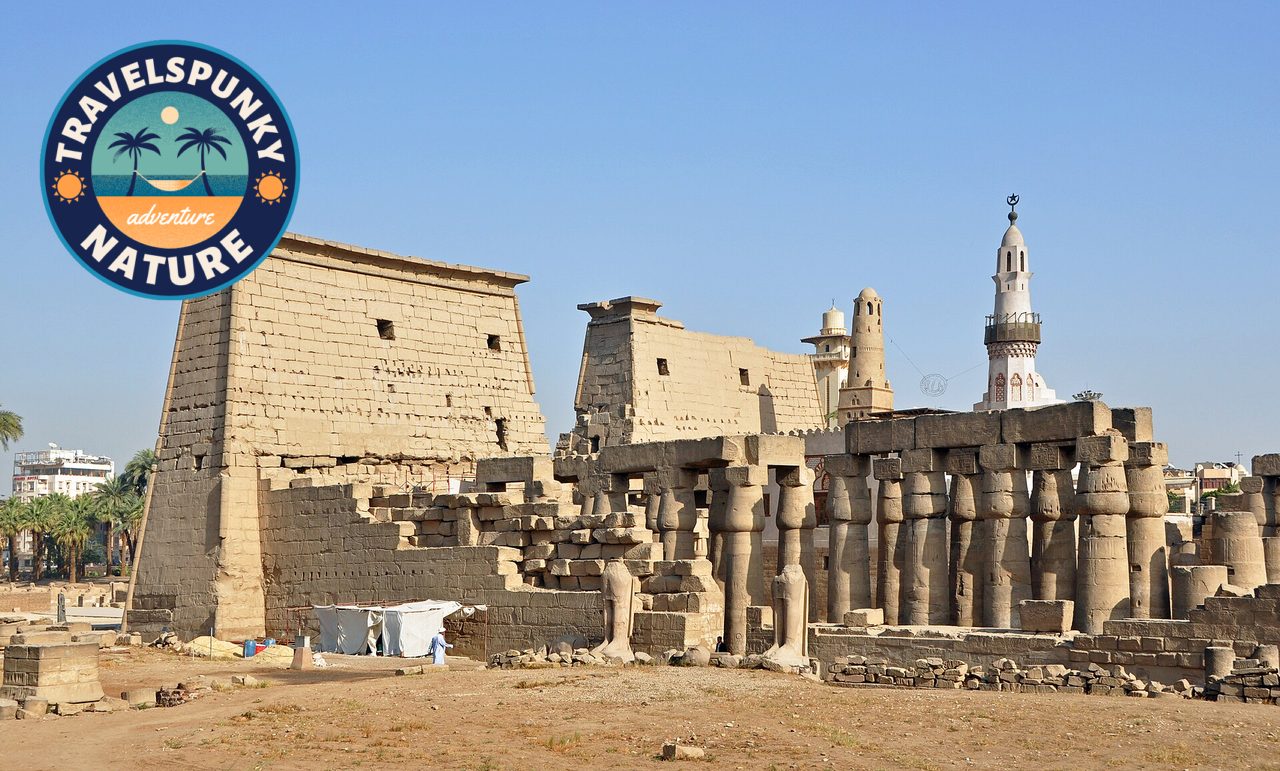
Luxor Temple is the natural end of the East Bank day, best seen in the evening. It stays open until 8 pm, the columns are floodlit after dark and the crowds are thinner than in the morning.
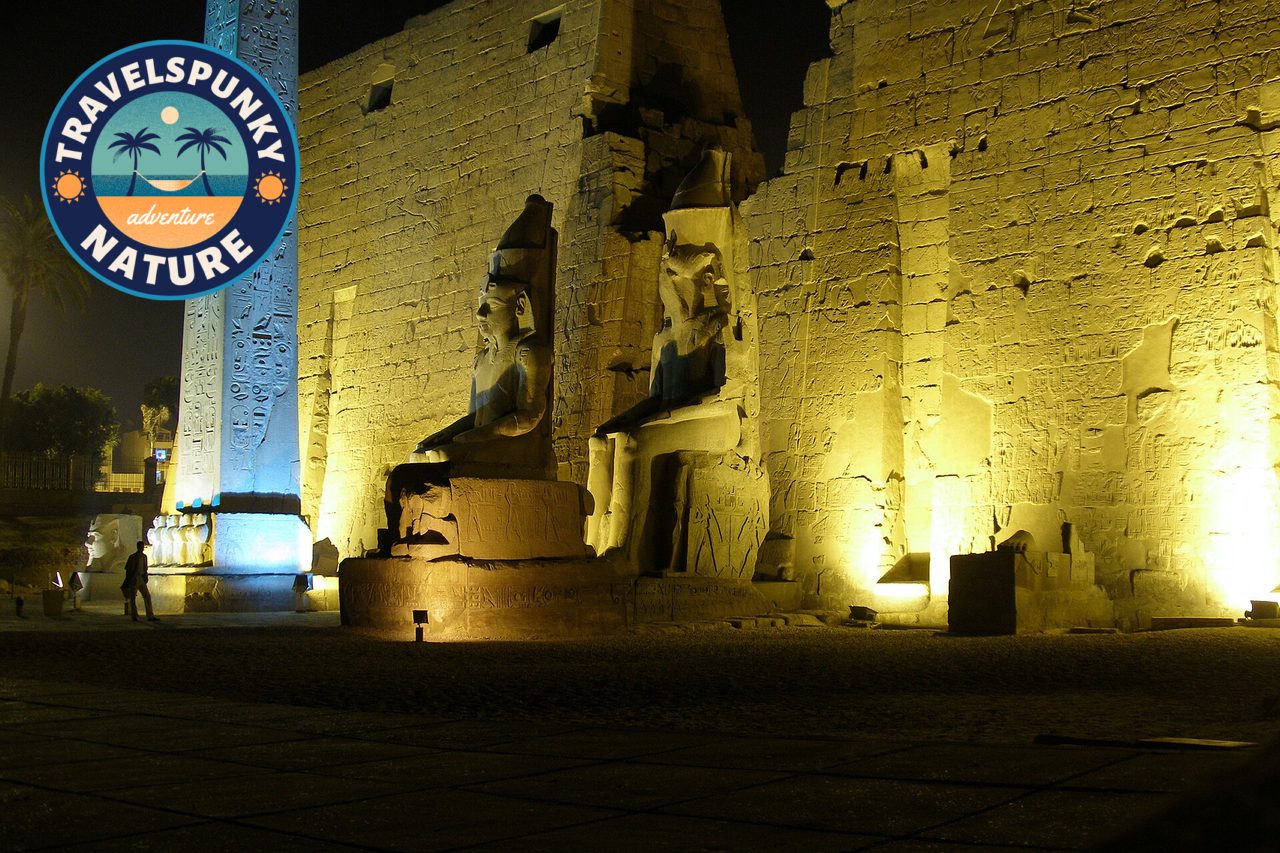
The temple was built mainly under Amenhotep III and Ramesses II, and it was the centre of the annual Opet Festival, when the gods of Karnak were carried here in procession. Two giant seated statues of Ramesses II guard the entrance, beside a single pink granite obelisk. Its twin was taken to Paris in the 1830s and now stands in the Place de la Concorde. Our famous landmarks in Egypt guide tells the temple’s story in full.
Entry fee: EGP 500 for a foreign adult and EGP 250 for students.
Opening hours: 6 am to 8 pm every day, with the last entry at 7 pm.
Good to know: Arrive about an hour before sunset to see the stone in daylight and under the floodlights in one visit.
3. Go Down into the Valley of the Kings
The Valley of the Kings is the one West Bank sight nobody should skip, and it is best done first, at opening time. More than 60 tombs are cut into the rock of the west bank hills, and your ticket covers three of the tombs open on the day.
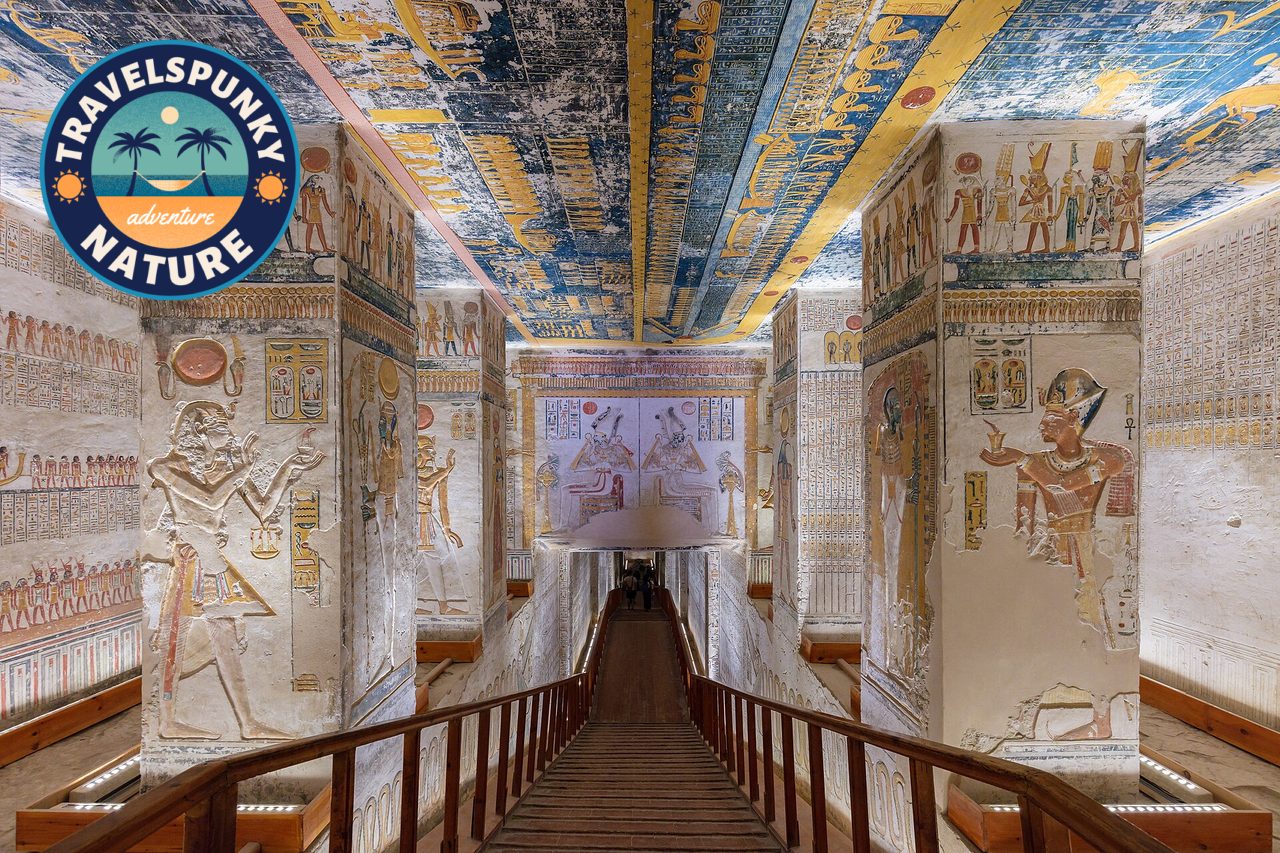
The valley was the burial ground of the New Kingdom pharaohs. Its most famous tomb belongs to Tutankhamun, found almost untouched by Howard Carter in 1922, and Ramesses VI and Seti I are among the finest for painting and carving. Which tombs are open rotates for conservation, so the three you see depend on the day. Our guide to the famous landmarks in Egypt covers the valley tomb by tomb.
A small tram runs from the visitor centre to the tomb entrances for about EGP 20 return, and guides are barred from talking inside the tombs, so read up before you go down.
Entry fee: EGP 750 for a foreign adult and EGP 375 for students, covering three tombs, with extras sold at the visitor centre. Tutankhamun EGP 700, Seti I EGP 2,000 with no student discount, and Ramesses V and VI EGP 220. Students pay half on the extras except Seti I. Check which extras are open on the day.
Opening hours: 6 am to 5 pm every day, with the last entry at 4 pm, or 5 pm in summer.
Good to know: Start at opening time, before the heat and the coaches, and carry water, because there is no shade.
4. Climb the Terraces of the Temple of Hatshepsut
The Temple of Hatshepsut pairs with the Valley of the Kings in the same West Bank morning, and it is best seen early, before the sun hits the terraces. The mortuary temple rises in three wide terraces against the pale cliffs of Deir el-Bahari.
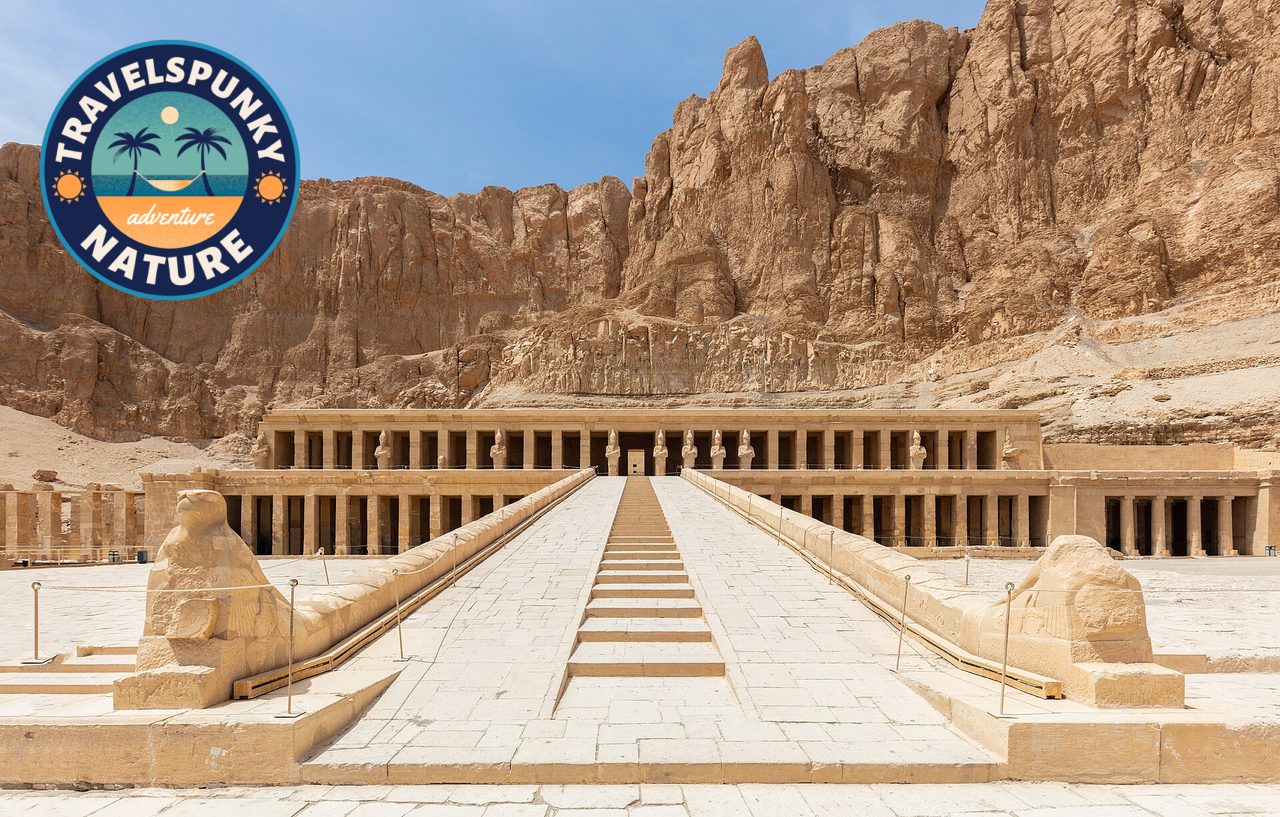
It was built for Queen Hatshepsut, one of the few women to rule Egypt as pharaoh in her own right, to a design credited to her adviser Senenmut. The walls carry carved stories, including the famous expedition sent by sea to the land of Punt. Our famous landmarks in Egypt guide tells the temple’s story in full.
The ticket is sold at the visitor centre at the bottom of the site, not at the temple door, and a small electric shuttle runs up to the first ramp for a small extra fee.
Entry fee: EGP 440 for a foreign adult and EGP 220 for students.
Opening hours: 6 am to 5 pm every day, with the last entry at 4 pm, or 5 pm in summer.
Good to know: Carry water, because the climb is fully exposed.
5. Find the Quiet Temple at Medinet Habu
Medinet Habu, the mortuary temple of Ramesses III at the southern end of the West Bank, is the best-preserved temple on the West Bank and its quiet second sight. While the coaches queue at Deir el-Bahari, it stays reliably calm.
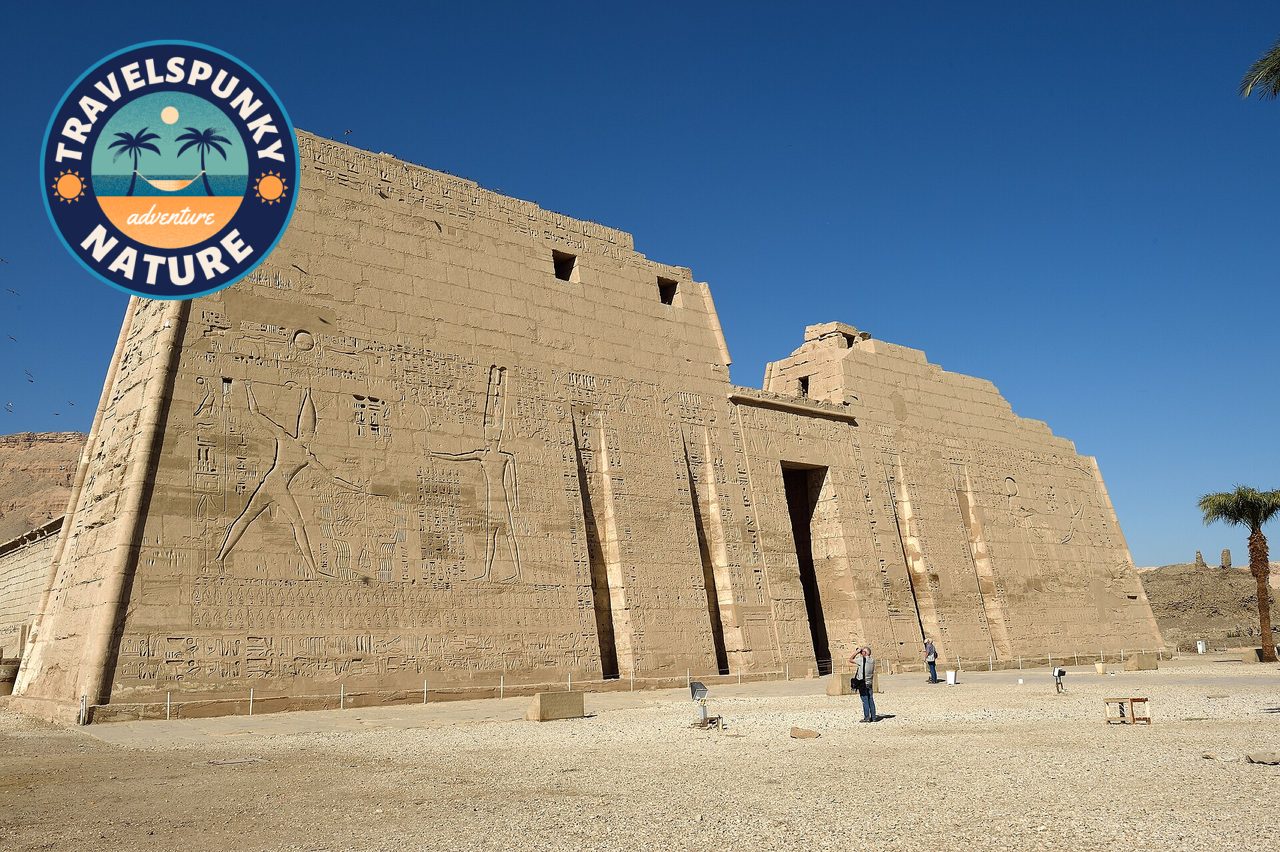
A fortress-like migdol gatehouse opens onto the first pylon, and inside, the deep carved reliefs of the battles against the Sea Peoples still carry original red, blue and yellow paint. Conservation work in 2026 has roped off parts of the temple, so a few corners are closed for now.
Entry fee: EGP 220 for a foreign adult and EGP 110 for students.
Opening hours: 6 am to 5 pm in summer, with the last entry at 4 pm in winter.
Good to know: The ticket is bought at the West Bank Ticket Office near the Colossi of Memnon, not at the temple gate, and payment is by card. The same office sells the Ramesseum, Ramesses II’s mortuary temple out on the plain, at EGP 220, where the fallen colossal statue behind Shelley’s Ozymandias draws only a handful of visitors.
6. Deir el-Medina and the Tombs of the Nobles
Deir el-Medina and the Tombs of the Nobles show the human side of Luxor, and pair naturally in one morning after the royal tombs. Deir el-Medina was the village of the men who cut the royal tombs, and their own small tombs are painted with daily life rather than gods and kings.
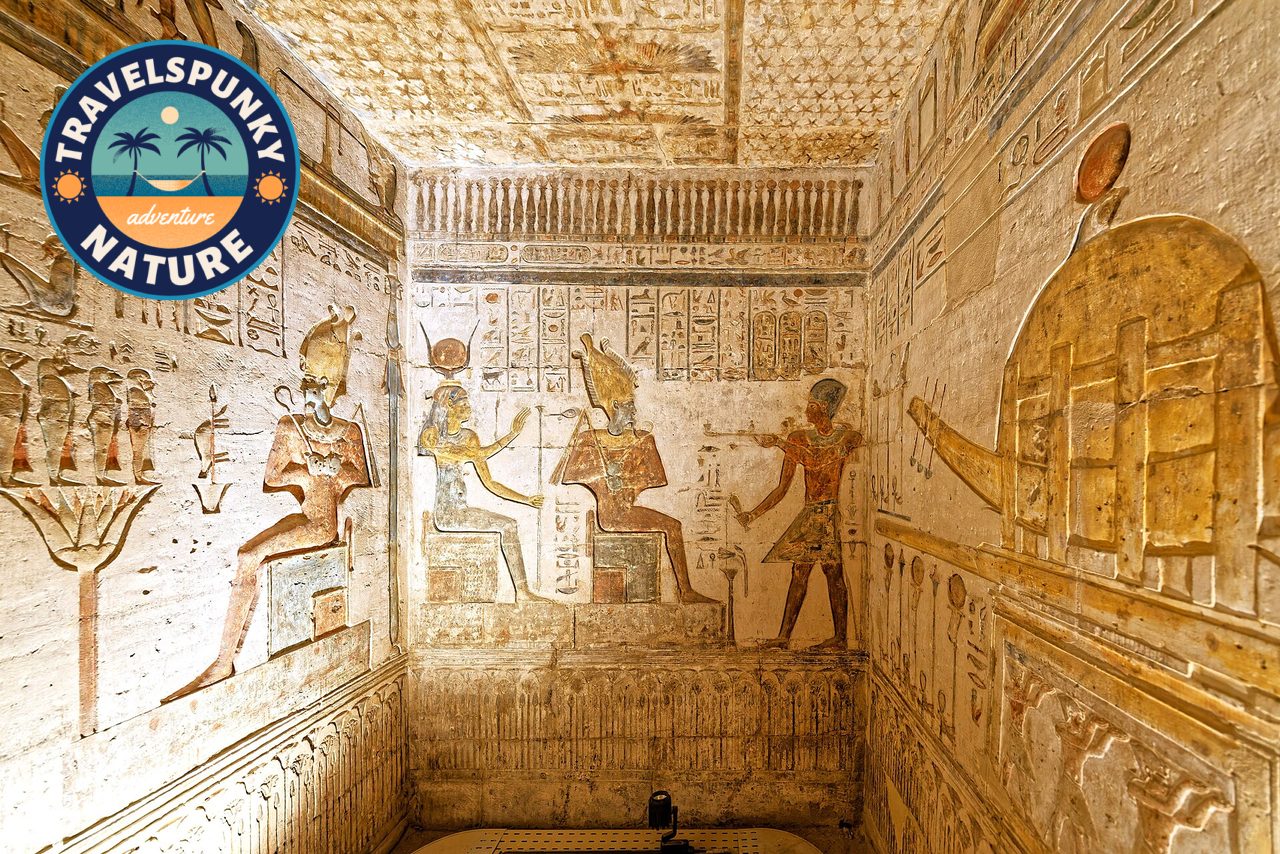
Go first, at opening time, when the small painted chambers are quiet. The Nobles’ tombs show fishing, harvests, banquets and tribute scenes, and the two to pick are Sennefer, with its vine painted ceiling, and Rekhmire, with its tribute scenes. The nearby Valley of the Queens costs EGP 220, but its star tomb, Nefertari’s, has been closed since March 2024 with no reopening date, so ignore any tour that promises it.
Entry fee: Deir el-Medina costs EGP 220 for a foreign adult and EGP 110 for students, covering the village ruins, the temple and the tombs of Sennedjem, Inherkhau, Amennakht and Nebe. The Tomb of Pashedu is a separate extra at about EGP 100 to 120. The Nobles are sold in clusters at EGP 120 to 200. Nakht and Menna EGP 200, Ramose EGP 200, Rekhmire and Sennefer EGP 120, Khonsu EGP 120. Students pay half.
Opening hours: 6 am to 5 pm in summer, with the last entry at 4 pm in winter.
Good to know: Buy tickets for both sites at the West Bank Ticket Office before you drive out, not at the gates. Payment is cashless for the 2026 season, so bring a card.
7. Cool Down at the Luxor Museum
The Luxor Museum is the air-conditioned middle of the East Bank day, small, curated and full of first-rate objects from Thebes. About 90 minutes covers it, and two hours if you read everything.
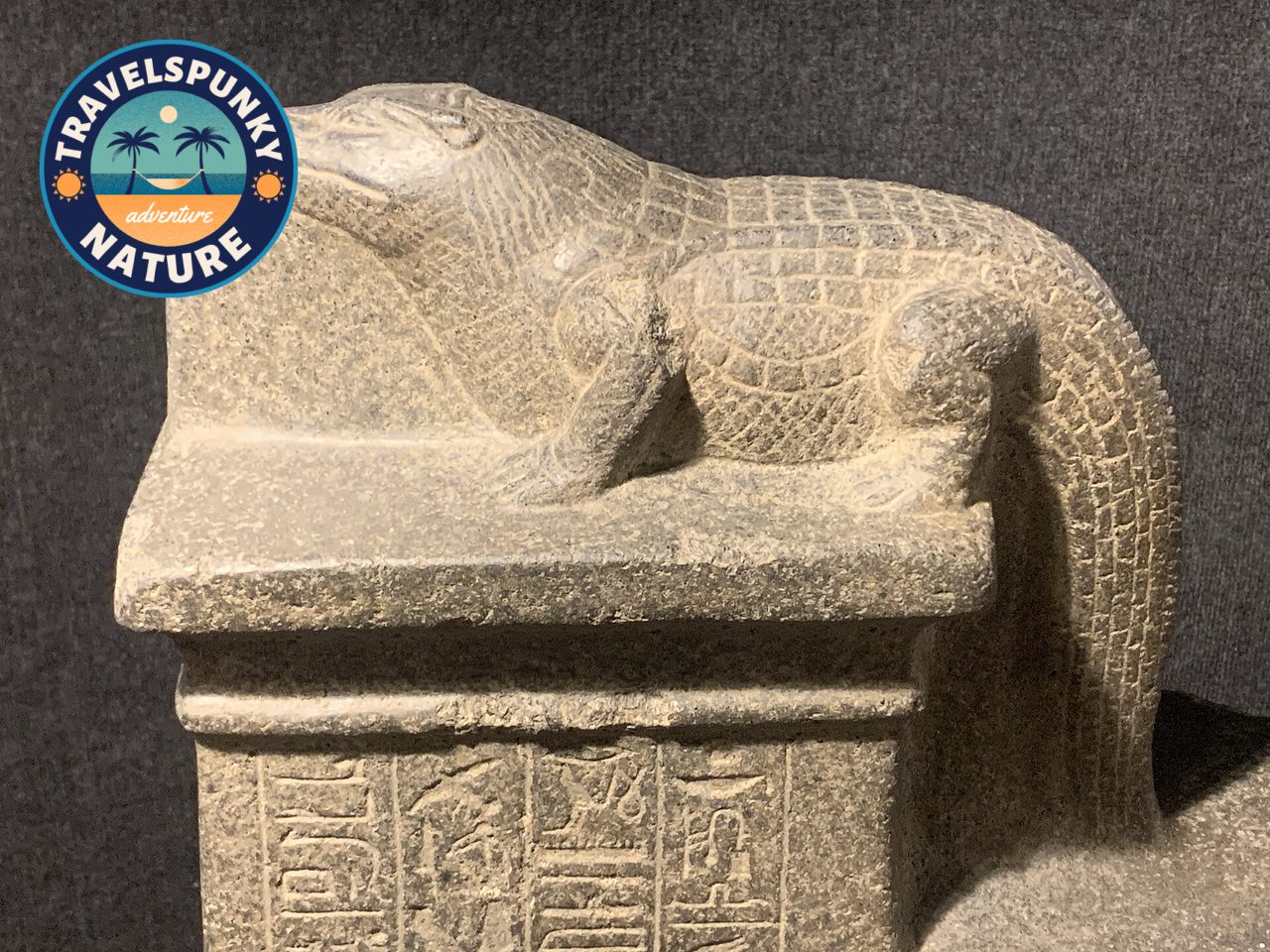
It was built in the 1960s and 1970s to show only the finest finds. The Cache Hall reopened in April 2026 after a full rebuild, holding 26 royal and divine statues found buried at Luxor Temple in 1989. The Royal Mummies Hall holds Ahmose I, founder of the 18th Dynasty, and Ramesses I, founder of the 19th. Phone photography is free.
Entry fee: EGP 400 for a foreign adult and EGP 200 for students. Payment is by card only.
Opening hours: A split day. Morning from 9 am, last entry 1 pm in winter and 12 noon in summer. Evening from 5 pm, last entry 8 pm in winter and 7 pm in summer. In Ramadan the last entries are 1 pm and 7 pm.
Good to know: The museum stands on the Corniche, midway between Karnak and Luxor Temple. Do not assume it stays open through the afternoon, because the gap between sessions catches people out.
8. Understand the Tombs at the Mummification Museum
The Mummification Museum is the only museum anywhere built around the embalming process itself, and 30 to 40 minutes covers it. See it before the West Bank tombs and they make more sense.
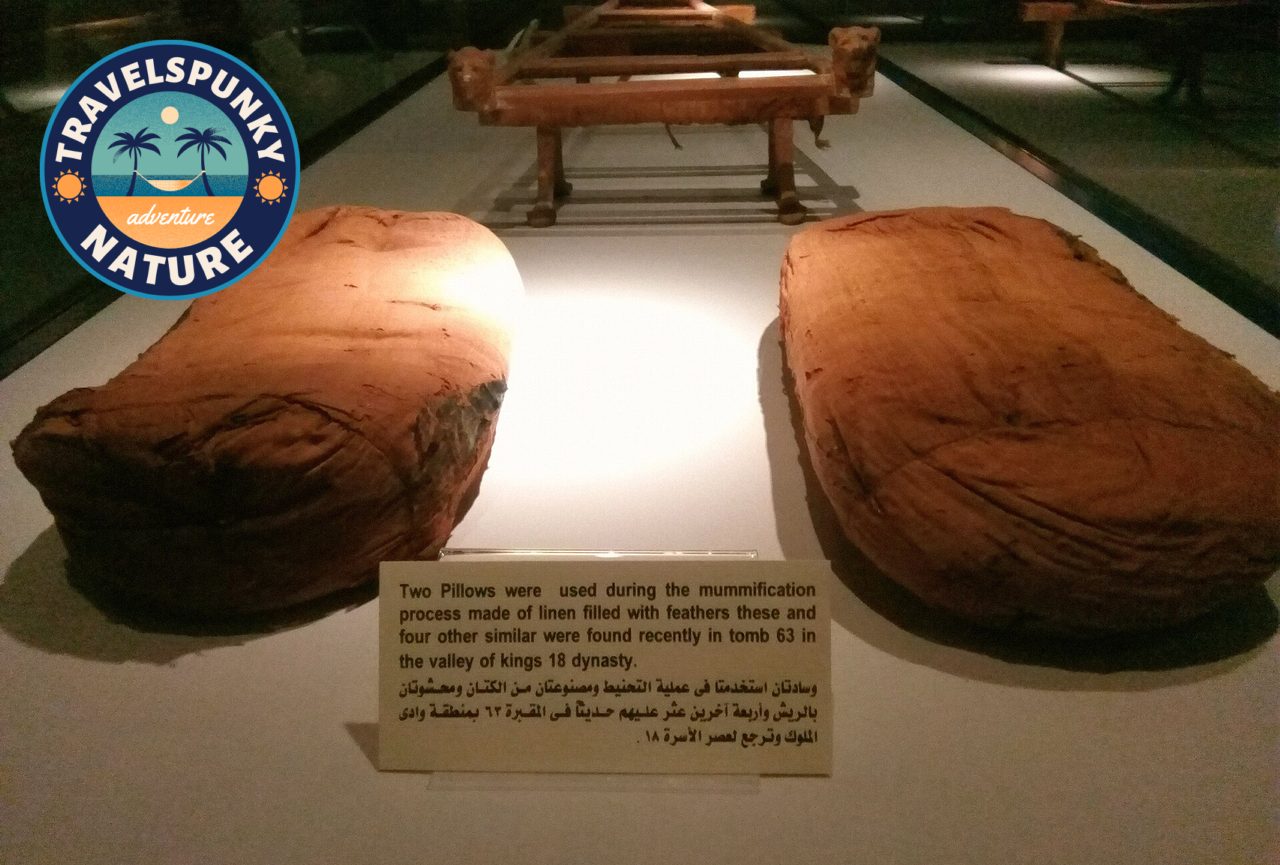
It is one subject treated seriously, with the tools, the resins, the order of operations, the canopic jars and the animal mummies. The museum stands on the Corniche, a short walk north of Luxor Temple. A full coach group fills it wall to wall, so aim for the 5 pm reopening.
Entry fee: EGP 220 for a foreign adult and EGP 110 for students. Payment is by card only, and no cash is accepted at the desk.
Opening hours: A split day. Morning from 9 am to about 2 pm, last entry 12 noon in summer and 1 pm in winter. Evening from 5 pm to about 9 pm. In Ramadan the morning runs to about 3 pm.
Good to know: Pair it with the Luxor Museum on the same day, before you go down into the tombs.
9. Float over the West Bank in a Hot Air Balloon
A sunrise balloon flight is the one splurge of a Luxor trip, best done on your first West Bank morning, before the tombs. The flight lasts about 30 to 45 minutes, in a programme of about three hours with pickup and landing.

Pickup is in the dark, at about 4:30 to 5 am depending on the season, and the launch site shifts with the wind. The long running operators include Hod Hod Soliman, flying since 1993 and licensed by the Egyptian Civil Aviation Authority, and Sindbad Balloons. The Valley of the Kings lies behind the ridge, and whether you see into it depends on the wind.
Every flight is weather dependent, and flights are cleared each morning by the civil aviation authorities. They can be grounded in wind or poor visibility, sometimes on the morning itself, and pickup times are confirmed the evening before. In 2026 the balloons stayed grounded from 1 June to 30 August, the first summer pause in 38 years here, and the pause is meant to return each summer.
Cost: Operators sell in US dollars, and there is no EGP price. Shared flights run from about USD 44 to USD 175 per person, most of them at about USD 70 to 110. Booking direct with a balloon company is cheaper than buying through a tour agency. Check the operator and flight length before you pay.
Good to know: Children under 6 and pregnant women cannot fly. Bring your passport.
10. Sail at Sunset and Walk the Corniche
A sunset felucca ride is the slow end of the East Bank day. A felucca is a traditional wooden sailing boat with a triangular lateen sail, and sunset falls between about 5 pm and 7 pm across the year.
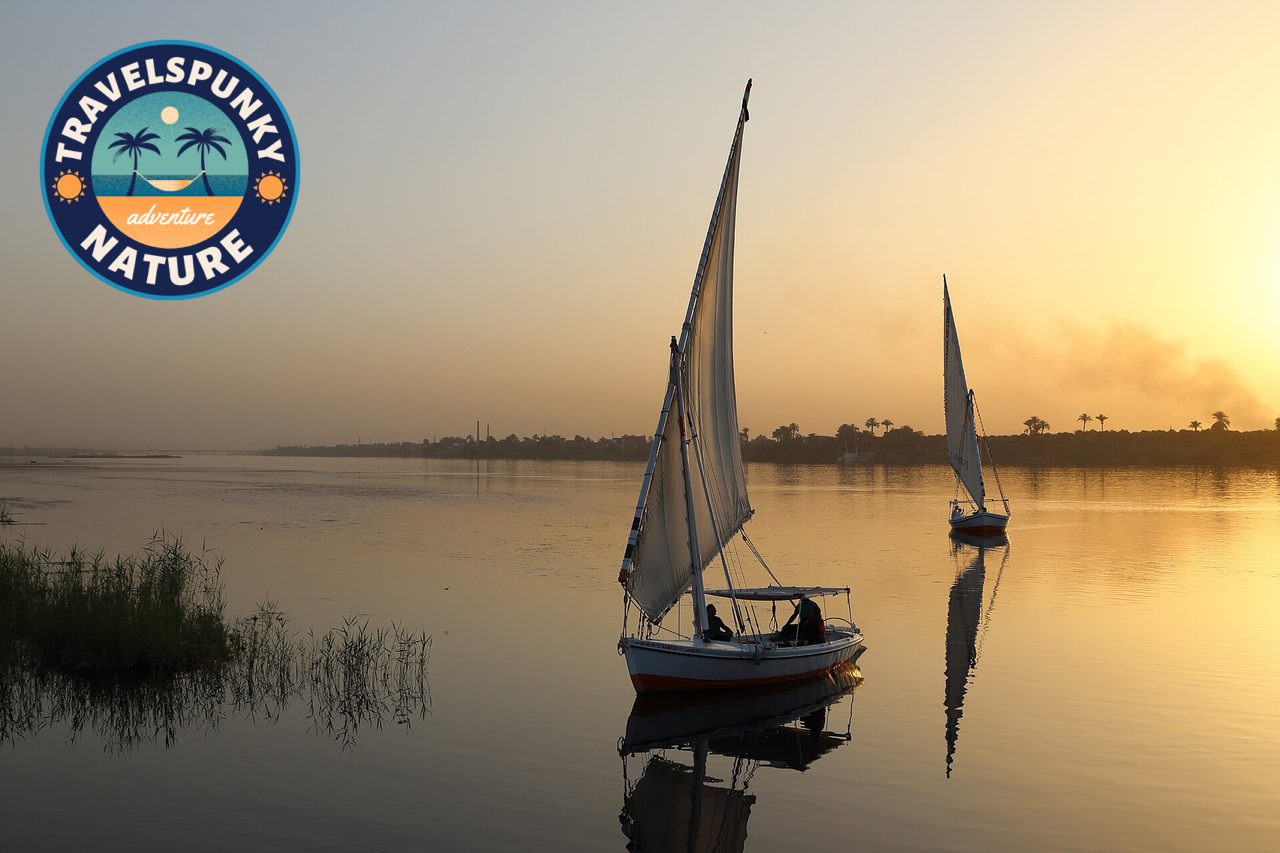
Walk down to the Corniche moorings an hour or two before sunset and talk to the captains directly. Pre booked charters cost more and remove the haggling. After the ride, the Corniche is walkable end to end, and the floodlights of Luxor Temple come on as the sky goes dark.
Cost: There is no fixed price. One hour costs about EGP 200 to 400 for the whole boat, which fits 6 to 8 people, and a two hour private sunset sail costs about EGP 400 to 800. The price is per boat, never per person, unless you agree otherwise, and boats take cash only.
Good to know: Agree the total price, the length of the ride and the return time before you board. Tip the captain EGP 50 to 100 for good service.
11. See Karnak after Dark at the Sound and Light Show
The Karnak Sound and Light show is the evening option for anyone who wants Karnak after dark without a second daytime visit. The show runs about 90 minutes and moves through the complex from the Avenue of Sphinxes to the Sacred Lake.
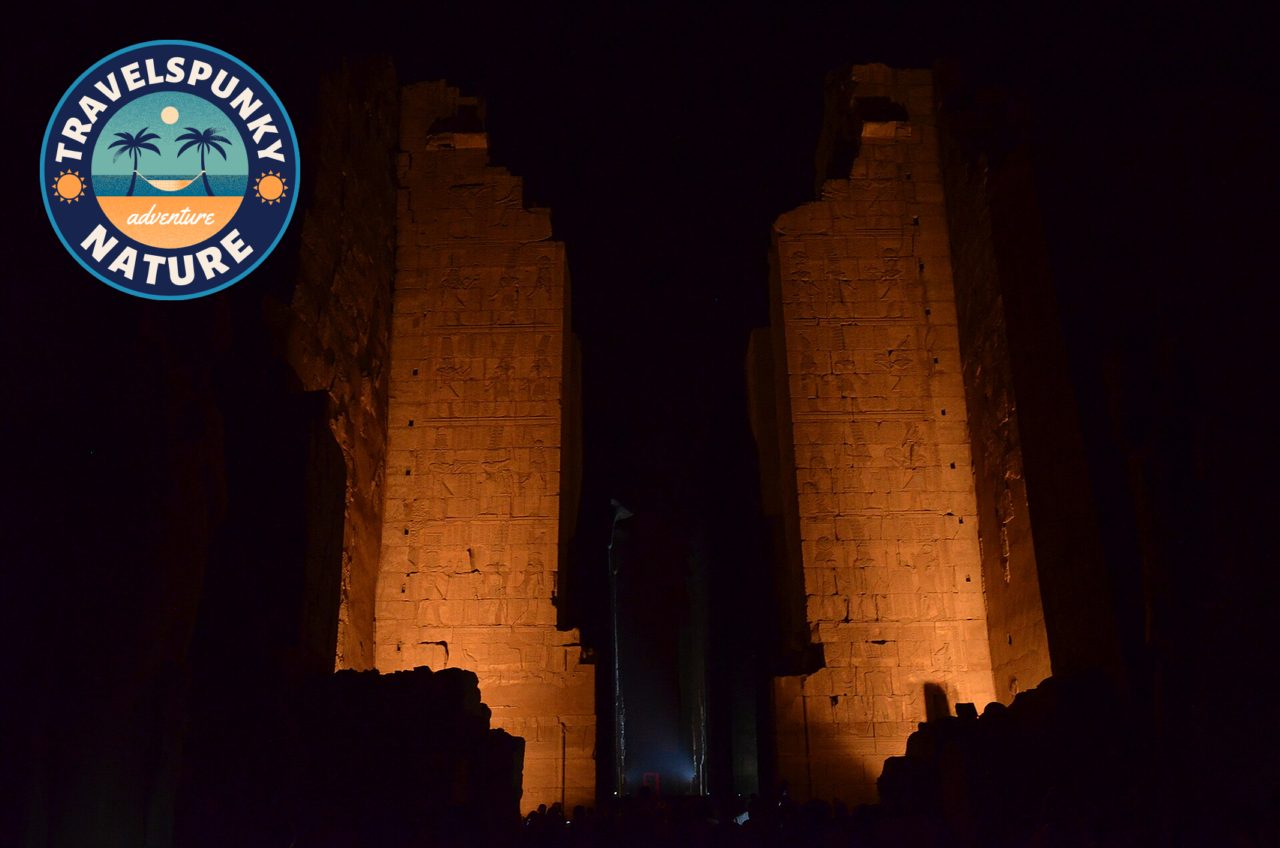
It is a separate ticket from the daytime Karnak ticket, sold by the show company, the Misr Company for Sound, Light and Tourism Development. A VIP category exists with no published price. The second slot only goes ahead with five foreign ticket holders booked.
Cost: The operator sells in US dollars. A regular ticket is USD 20 for an adult and USD 11 for a child aged 6 to 12.
Show times: The operator lists the English show at 8 pm every day and shows in other languages at 9 pm, with Thursday’s late show in Arabic. Times can change, so confirm on the day.
Good to know: Keep the show for the evening of your East Bank day, after the daytime visit to Karnak.
12. Take the Day Trip to Dendera Temple
Dendera is the one day trip out of Luxor worth taking, about 60 km north near Qena and roughly an hour by car each way. The Temple of Hathor there is the best-preserved Ptolemaic temple in Egypt, and its ceiling is the best-preserved temple ceiling in the country.
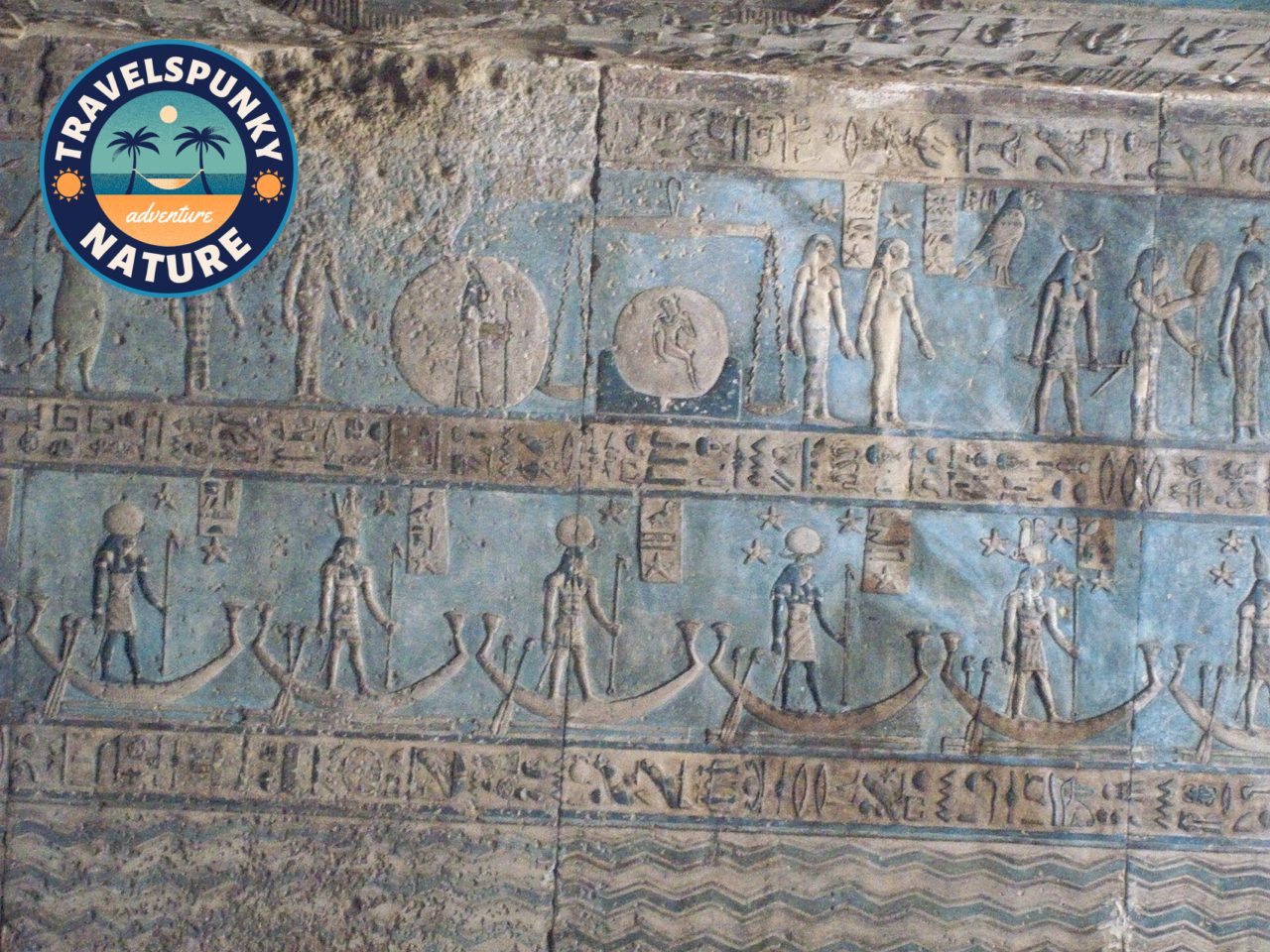
The temple was built mostly under the Ptolemies and the Romans. Its great hypostyle hall holds 18 columns with the face of Hathor on all four sides. The circular zodiac on the ceiling is a replica, the original having been cut out and taken to the Louvre in the nineteenth century. The rear wall carries a relief of Cleopatra VII and her son Caesarion offering gifts to Hathor, and the complex also holds a sanatorium, a sacred lake and two birth houses.
Allow about two hours at the temple. The underground crypts cost about EGP 100 extra, and the roof may or may not be open, so check on the day. Ambitious visitors pair Dendera with Abydos and its Temple of Seti I, at EGP 260, but the pair makes a 10 to 12 hour day.
Entry fee: EGP 300 for a foreign adult and EGP 150 for students.
Opening hours: 7 am to 5 pm every day, with the last entry at 4 pm.
How to get there: Book a car with a driver for the day, or join a tour from Luxor. There is no simple public transport to the temple door.
Best time to visit Luxor
The best months for Luxor are October to April, when sightseeing is comfortable. Winter days run at about 20 to 25°C, with cool evenings, and December and January are the peak season. Late October to November and February to March give the best balance, with warm days, lighter crowds and prices below peak.
Summer, from May to September, is extreme heat. Daytime temperatures regularly pass 40°C and can reach 45°C, and in July and August the hours from about 10 am to 4 pm are genuinely uncomfortable and can be dangerous. The balloon flights pause in summer.
Conclusion
Luxor splits cleanly into two banks and two big days, with a third for Dendera if you have it. Start at opening time, buy the West Bank tickets before you drive out, carry a card for tickets and small notes for the river, and save the evenings for the floodlit temple, the feluccas and the museums.
If Luxor is the second half of your trip, our guide to the best things to do in Cairo covers the capital, and the two together make the classic journey south.
Frequently asked questions
1. How many days do you need in Luxor? Two full days is the minimum, one for the East Bank and one for the West Bank. A third day adds Dendera and the balloon.
2. How much does the Valley of the Kings cost? EGP 750 for a foreign adult and EGP 375 for students, covering three tombs. Tutankhamun is EGP 700, Seti I is EGP 2,000 and Ramesses V and VI is EGP 220.
3. Is the Luxor Pass worth buying? For a two day visit, no. The single tickets add up to about EGP 4,300, against USD 130 for the standard pass. The pass suits four or five days with repeat visits.
4. Is Luxor safe for tourists? No major government advises against travel to Luxor. The UK names it as an exception to its Western Desert advice, and the US rates Egypt at Level 2, Exercise Increased Caution. The common problems are pickpockets and overcharging, so watch your bag and agree prices first.
5. How do you get from Luxor Airport to the city? A taxi costs EGP 150 to 300, agreed before you ride, and Careem about EGP 100 to 200. Uber does not operate in Luxor.
6. Can you visit Nefertari’s tomb? No. It has been closed since March 2024, with no reopening date announced. Ignore any tour that promises it.
Researched and verified in November 2026.