Cairo rewards anyone who plans it well, and the short answer is simple. See the Pyramids of Giza and the Grand Egyptian Museum first, then split the rest of your time between the old city quarters, the great mosques, Coptic Cairo and an evening on the Nile. This guide lists the 12 best things to do in Cairo, with entry fees and opening hours checked against official sources in November 2026.
Most visitors give Cairo two or three rushed days. We suggest three full days as a minimum, and the table below shows how the main sights fit together. All prices are for foreign adults. Most sites and museums take card payment only, so carry a bank card, plus some cash in Egyptian pounds for markets, boats and small cafés.
| No. | Thing to do | Area | Entry fee (foreign adult) | Time needed |
|---|---|---|---|---|
| 1 | Pyramids of Giza and the Great Sphinx | Giza | EGP 700 | Half a day |
| 2 | Grand Egyptian Museum | Giza | EGP 1,830 | Half a day |
| 3 | Egyptian Museum in Tahrir Square | Downtown | EGP 550 | 2 to 3 hours |
| 4 | Citadel of Saladin and the Mosque of Muhammad Ali | Islamic Cairo | EGP 550 | 2 to 3 hours |
| 5 | Khan el-Khalili Bazaar and Al-Muizz Street | Islamic Cairo | Free | 2 to 3 hours |
| 6 | Coptic Cairo | Old Cairo | Free, Coptic Museum EGP 280 | 2 to 3 hours |
| 7 | National Museum of Egyptian Civilization | Fustat | EGP 550 | 2 to 3 hours |
| 8 | Saqqara and the Step Pyramid | Day trip south | EGP 600 | Half a day |
| 9 | Mosques of Sultan Hassan and Al-Rifa’i | Islamic Cairo | EGP 220 | 1 to 2 hours |
| 10 | Sunset Felucca Ride on the Nile | Garden City and Zamalek | About EGP 400 to 600 per boat | 1 hour |
| 11 | Al-Azhar Park | Islamic Cairo | About EGP 150 to 200 | 1 to 2 hours |
| 12 | Koshary Lunch and the Tannoura Show | Downtown and Al-Ghuri | Show about EGP 150 | An evening |
Safety in Cairo
Cairo is busy, loud and heavily policed at the main sights, and neither the UK nor the US government advises against travel to the city. The UK Foreign Office advises against travel to North Sinai and the border area with Libya, and against all but essential travel to parts of the Western Desert and northern South Sinai. Cairo is not on that list. The US State Department rates Egypt at Level 2, Exercise Increased Caution, because of terrorism, crime and health risks, with Do Not Travel advice for northern and middle Sinai and parts of the Western Desert.
The everyday risks in Cairo are smaller ones. Watch for pickpockets in crowded markets, agree every taxi and boat price before you set off, and expect bag checks and security scanners at museums and major sights. Advice can change, so read your own government’s Egypt advice before you book and again before you fly. The two official pages are the UK Foreign Office Egypt advice and the US State Department Egypt advisory.
How to get around Cairo
The Cairo Metro is the fastest way across this huge city, and it is very cheap. Three lines cross the city, and since March 2026 a ride costs EGP 10 for up to 9 stations, EGP 12 for 10 to 16 stations, EGP 15 for 17 to 23 stations and EGP 20 for longer trips.
Key stations: Sadat for Tahrir Square and the Egyptian Museum, Mar Girgis for Coptic Cairo, and Bab El Shaaria for Khan el-Khalili, about a 15 minute walk from the bazaar.
There is no metro station at the airport, at the pyramids or at the Grand Egyptian Museum, so use a car for those trips. Uber, Careem and inDrive all work in Cairo, and a ride inside the city usually costs less than a museum ticket. With a street taxi, agree the price before you get in, because drivers rarely use the meter with visitors.
From the airport: Cairo International Airport sits about 20 kilometres north east of downtown. The drive takes 30 to 45 minutes on a clear road and up to 90 minutes in rush hour. A ride hailing car costs about EGP 200 to 350, an official airport taxi about EGP 300 to 500, and the city bus, routes 356 and 400, about EGP 10 to 15 for a slow ride of 60 to 90 minutes.
1. See the Pyramids of Giza and the Great Sphinx
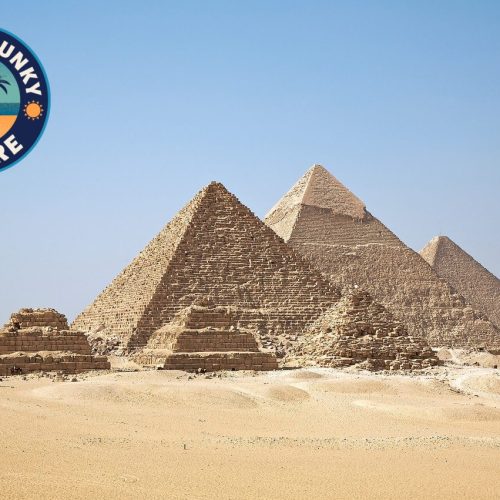
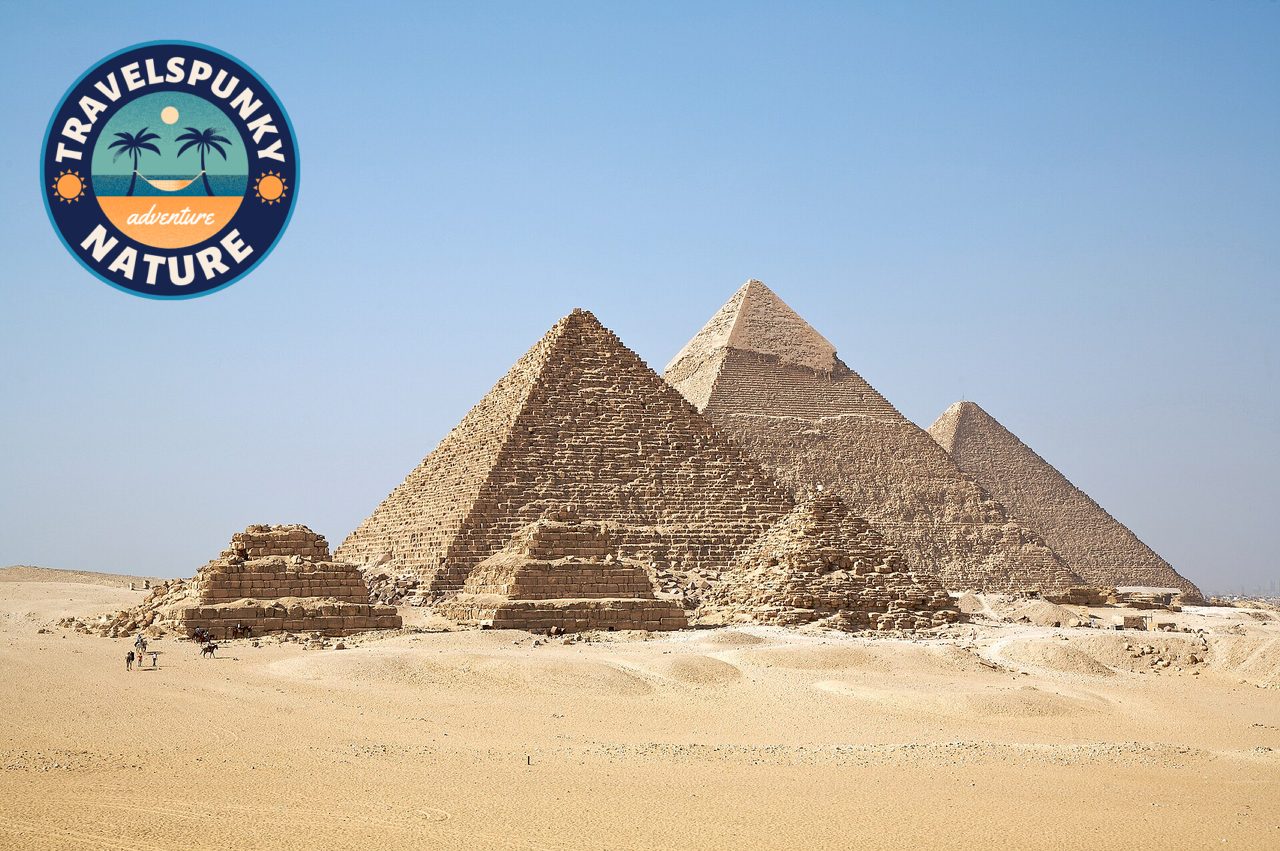
The pyramids are the one sight nobody should skip, and they are best seen early in the day. The plateau opens at 7 am, when the light is soft, the crowds are thin and the heat is still low. One ticket covers the whole plateau, the Great Pyramid of Khufu, the pyramids of Khafre and Menkaure, the smaller queens’ pyramids and the Great Sphinx.
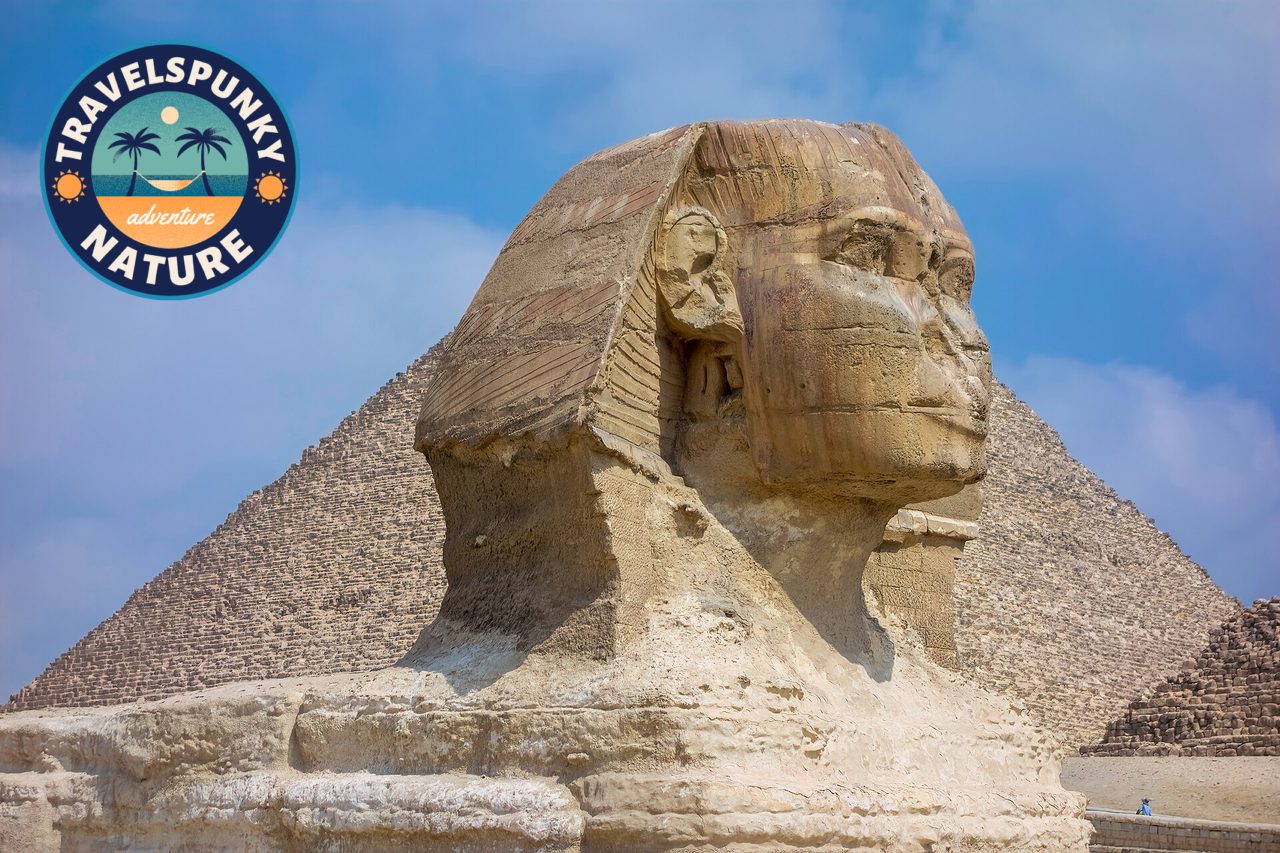
Going inside a pyramid costs extra. The Great Pyramid of Khufu is the big one, a steep climb up a wooden ramp to the King’s Chamber, and tickets are limited each day and sell out, so buy yours as soon as you arrive. We cover the plateau in full, pyramid by pyramid, in our guide to the famous landmarks in Egypt.
Entry fee: EGP 700 for a foreign adult and EGP 350 for students. Going inside the Great Pyramid costs about EGP 1,000 to 1,500 extra, and the price has changed often, so check the board at the gate.
Opening hours: 7 am to 5 pm every day, with the last entry at 4 pm.
Good to know: Payment is by card only. Agree the price first with any camel or horse driver, and carry water, because shade is rare on the plateau.
2. Spend Half a Day at the Grand Egyptian Museum
The Grand Egyptian Museum, known as the GEM, is the largest museum in the world devoted to one civilisation, and it now holds the complete Tutankhamun collection. All 5,398 pieces of the boy king’s treasure are shown together for the first time, alongside the 11 metre statue of Ramesses II in the Grand Hall, the Grand Staircase and the solar boat of Khufu.
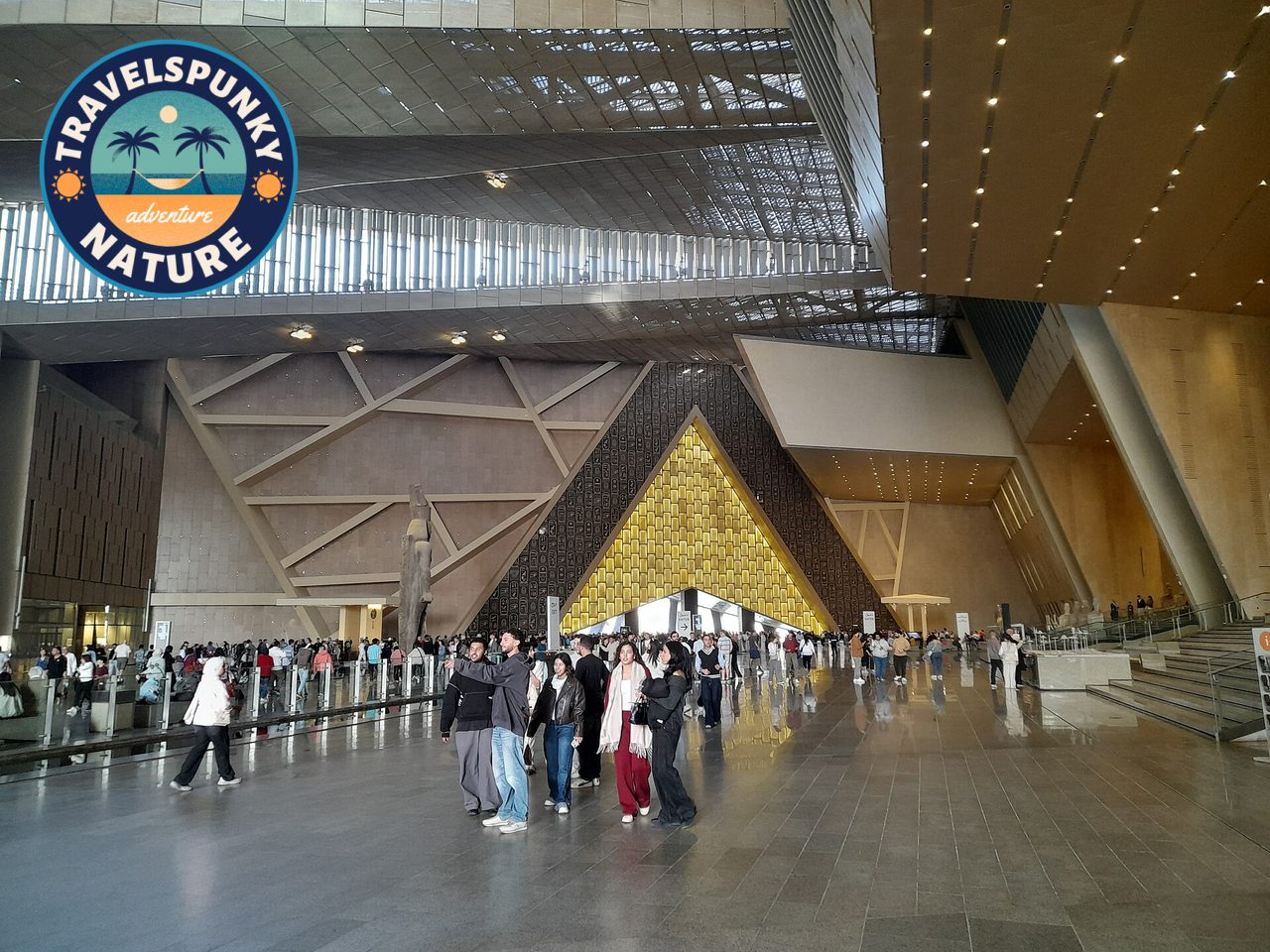
The museum stands about two kilometres from the pyramids, so most visitors pair the two in one day. Book ahead, because tickets are sold online only, for a timed entry slot, and there are no ticket sales at the gate. We describe the galleries in detail in our famous landmarks in Egypt guide.
Entry fee: EGP 1,830 for a foreign adult and EGP 920 for students and children aged 6 to 12. Children under 6 enter free.
Opening hours: 9 am to 6 pm, and until 9 pm on Wednesdays and Saturdays. The last entry is one hour before closing.
Good to know: Book on the official booking site, tickets.gem.eg, and allow at least half a day. The museum is big enough to fill a whole day if you let it.
3. Visit the Egyptian Museum in Tahrir Square
The old Egyptian Museum in Tahrir Square is still worth two to three hours, even though the Tutankhamun treasures have moved to the GEM. The pink building on the square holds more than a century of finds, from the Narmer Palette, one of the oldest carved records in Egypt, to the diorite statue of Khafre and the gold treasures of Tanis.
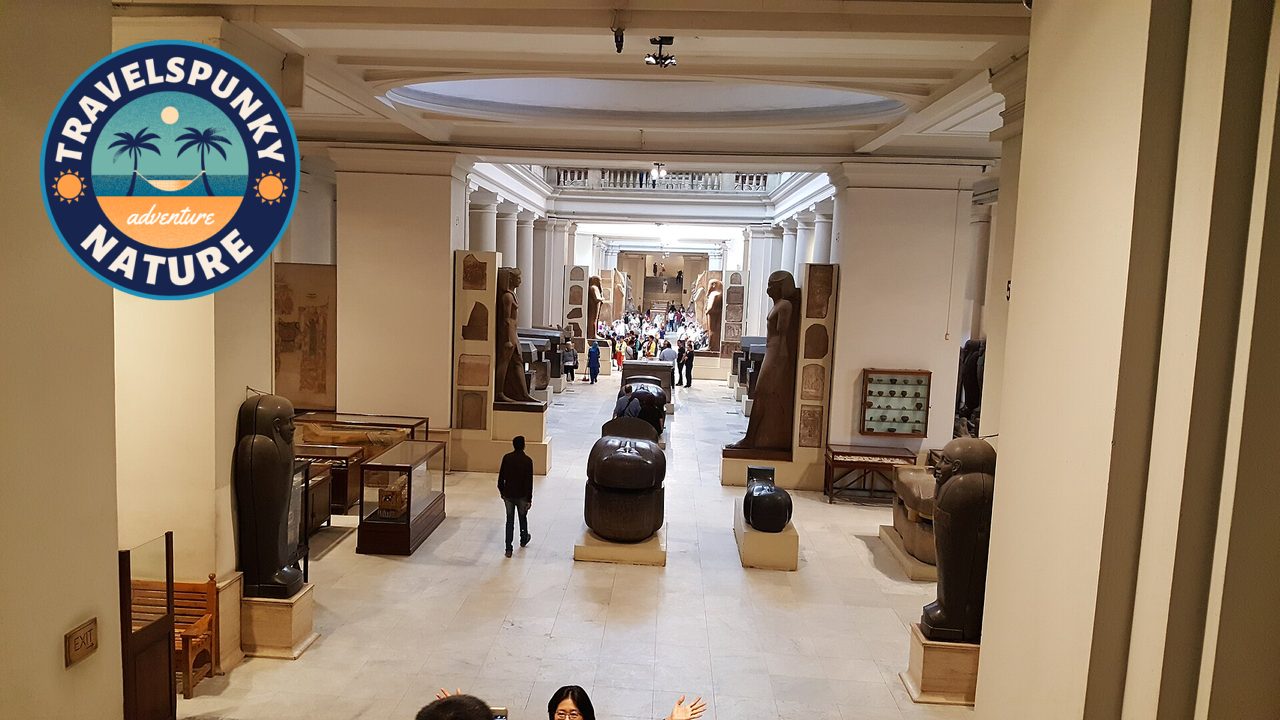
The museum is easy to reach and easy to combine with a downtown walk. The displays are old fashioned, with paper labels and crowded cases, but the objects themselves are superb, and an audio guide helps make sense of the rooms.
Entry fee: EGP 550 for a foreign adult and EGP 275 for students. The audio guide costs about EGP 75.
Opening hours: 9 am to 5 pm every day, with the last ticket sold at 4 pm.
How to get there: Take the metro to Sadat station, which opens almost at the museum door. Payment at the ticket desk is by card.
4. Climb to the Citadel of Saladin
The Citadel is Cairo’s great viewpoint and its finest Islamic monument in one ticket. Saladin began the fortress in 1176 to guard the city, and rulers added palaces and mosques inside its walls for 700 years. The star is the Mosque of Muhammad Ali, built between 1830 and 1848, with alabaster walls, hanging lamps and a clock tower that still looks over the whole city.
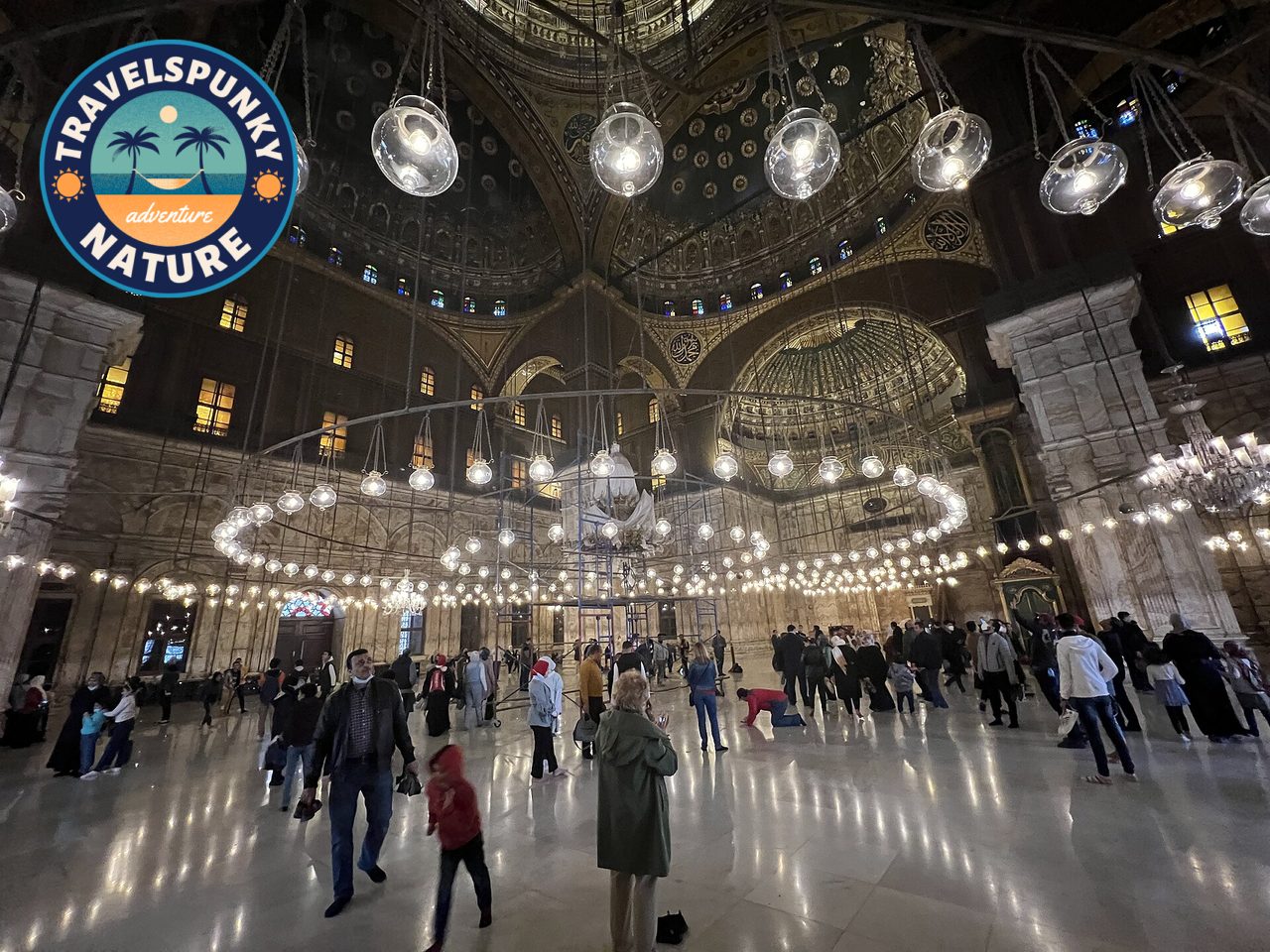
On a clear day the view runs from the old city rooftops to the pyramids on the horizon. The complex also holds the older Mosque of al-Nasir Muhammad and small military museums, all inside the same walls and the same ticket.
Entry fee: EGP 550 for a foreign adult and EGP 275 for students. One ticket covers the whole complex.
Opening hours: 8 am to 5 pm, with the last entry at 4 pm. The Mosque of Muhammad Ali closes at 4 pm, so see it first. In summer the site can open an hour later.
Good to know: Dress modestly for the mosque, and take your shoes off before you step onto the carpet of the prayer hall.
5. Shop and Wander in Khan el-Khalili
Khan el-Khalili is Cairo’s famous bazaar, a maze of lanes selling lamps, brass, spices, jewellery and souvenirs since 1382. It costs nothing to wander, and the best time is late afternoon into the evening, when the lanes cool down and the cafés fill up. Start at the square by the al-Hussein Mosque and let yourself get pleasantly lost.
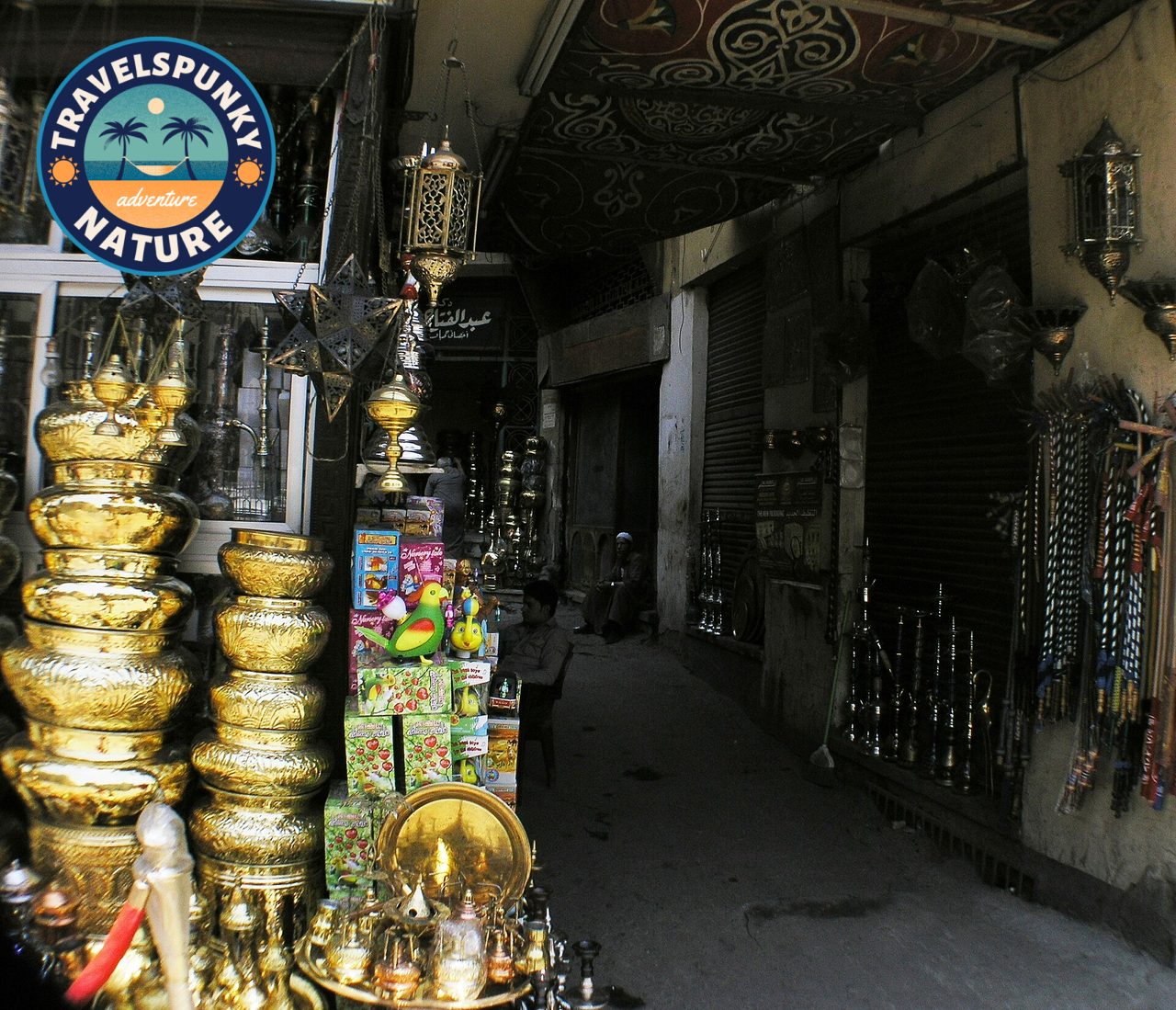
From the bazaar, Al-Muizz Street runs north through the finest stretch of medieval Islamic Cairo, and one ticket covers its main monuments, palaces and mosques in the daytime. In the evening, come back to the bazaar and take tea at El Fishawy, a mirrored café in a narrow lane that has served traders and writers for generations and stays open around the clock.
Entry fee: The bazaar streets are free. The Al-Muizz Street monuments ticket costs EGP 220 for a foreign adult and EGP 110 for students.
Opening hours: Most shops open from about 10 am to 11 pm. The Al-Muizz monuments open from 9 am to 5 pm.
Good to know: Carry cash in Egyptian pounds and haggle with a smile, because first prices start high on purpose. The nearest metro is Bab El Shaaria on Line 3, about a 15 minute walk.
6. Walk the Quiet Lanes of Coptic Cairo
Coptic Cairo is the city’s oldest Christian quarter, a small walled area of churches, a synagogue and a museum in the south of the city. The Hanging Church, built over the gatehouse of the Roman Babylon Fortress, is one of the oldest churches in Egypt. Nearby, the Church of Abu Serga stands over a crypt where the Holy Family is said to have sheltered, and the Ben Ezra Synagogue is famous for the Geniza, a store of old documents found hidden in its roof space.
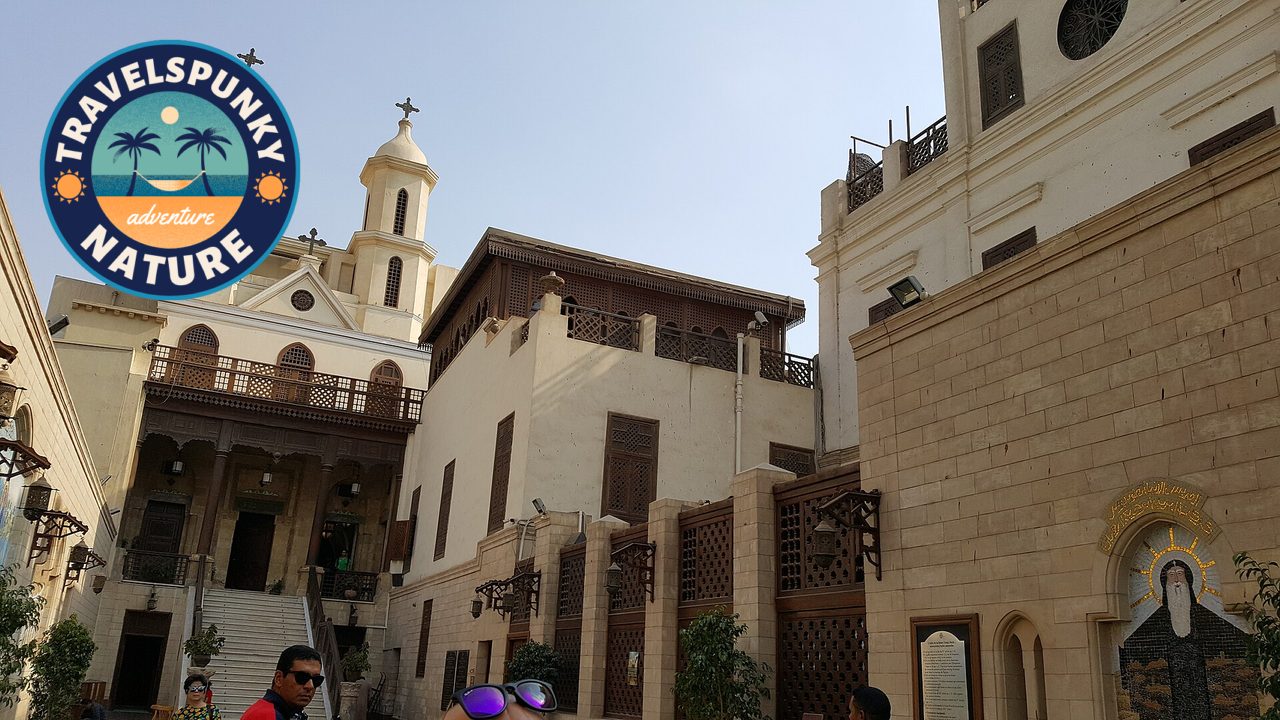
The churches and the synagogue are free, and the quarter is calm, shady and easy to walk. The Coptic Museum, founded in 1908, holds the largest collection of Coptic art in the world and is well worth its ticket.
Entry fee: The churches and the synagogue are free. The Coptic Museum costs EGP 280 for a foreign adult and EGP 140 for students.
Opening hours: The churches open daily from about 9 am to 4 pm. The Coptic Museum opens from 9 am to 5 pm, and its ticket window closes at 4 pm.
How to get there: Ride Line 1 of the metro to Mar Girgis station, which stands right at the entrance to the quarter.
7. Face the Royal Mummies at the NMEC
The National Museum of Egyptian Civilization, known as the NMEC, tells the whole story of Egypt in one modern building in Fustat, the site of the first Islamic capital of Egypt. Its star is the Royal Mummies Hall, a quiet, dark hall holding 20 royal mummies, among them Ramesses II and Queen Hatshepsut. The mummies are included in the main ticket, which is not true at every museum in the city.
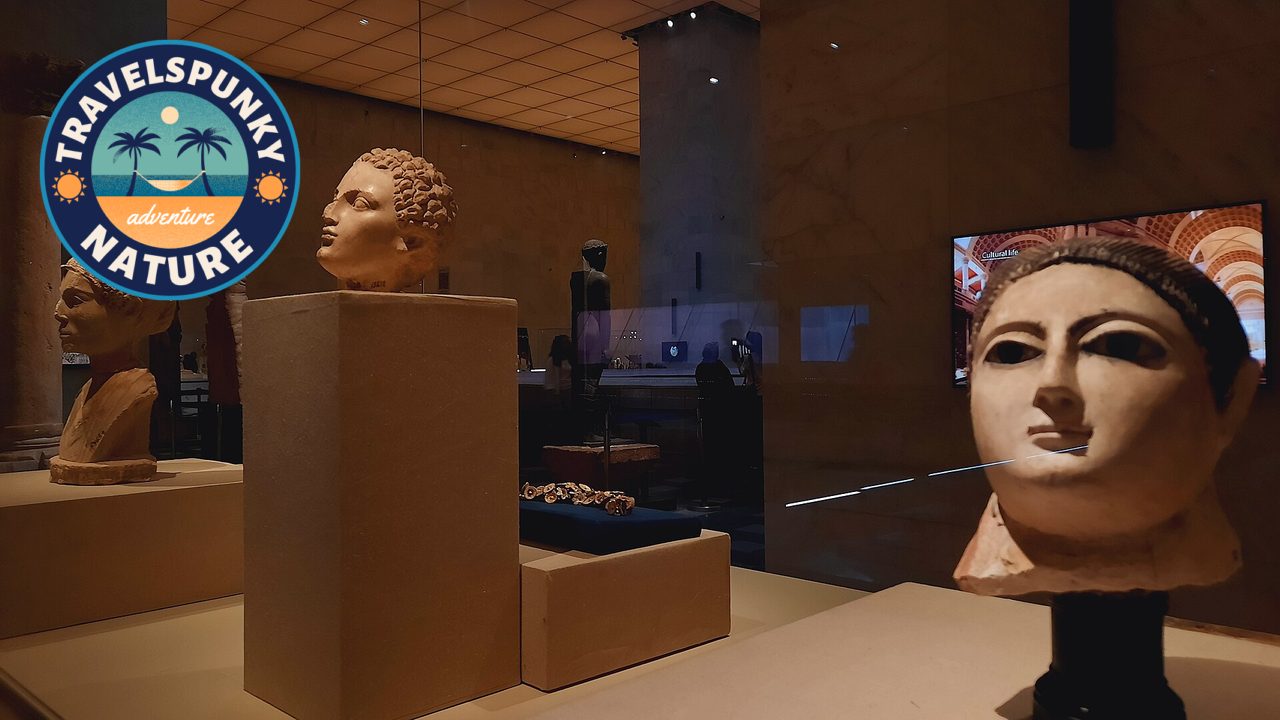
The main hall above covers everything from prehistoric tools to Islamic and modern Egypt, so this museum works well as an overview near the start of a trip. Allow two to three hours, and pair it with Coptic Cairo, which sits a short ride away.
Entry fee: EGP 550 for a foreign adult and EGP 300 for students. The Royal Mummies Hall is included.
Opening hours: 9 am to 5 pm, with the last ticket at 4 pm. On Fridays there is an extra evening session from 6 pm to 9 pm.
Good to know: Photography is not allowed inside the Mummies Hall, and the hall is kept dim and silent on purpose.
8. Take a Half Day Trip to Saqqara
Saqqara is where pyramid building began, about 30 kilometres south of Cairo, and it makes the best half day trip from the city. The Step Pyramid of Djoser, designed by the architect Imhotep about 4,700 years ago, is the oldest stone pyramid in Egypt. Around it spreads a huge burial ground of tombs, temples and underground galleries, far quieter than Giza.
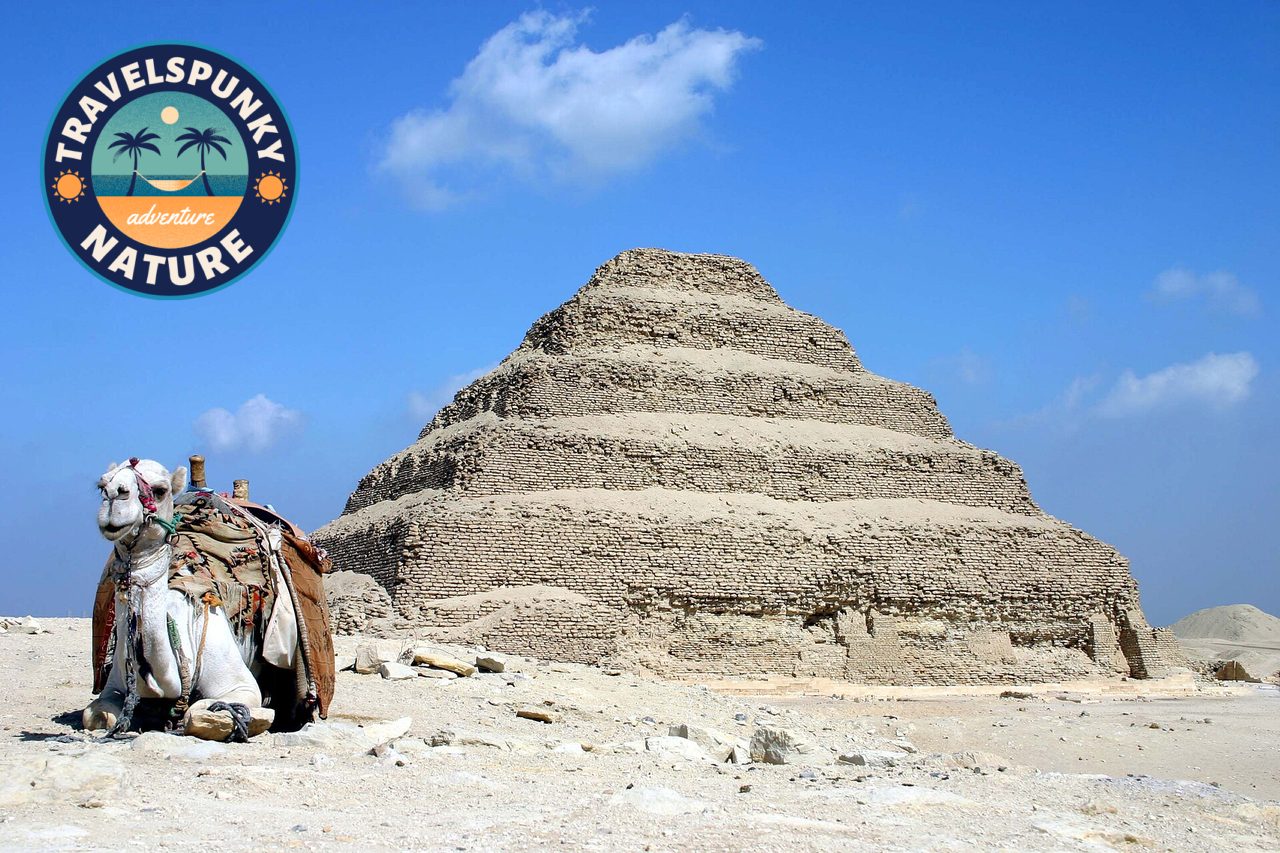
The standard ticket covers the site and its small museum. Extra tickets open the inside of the Step Pyramid, the Serapeum, the underground burial place of the sacred Apis bulls, and richly carved tombs such as Mereruka. An all inclusive ticket covers everything. On the way back, stop at Memphis, the ancient capital, where a giant fallen statue of Ramesses II lies in an open air museum.
Entry fee: EGP 600 for a foreign adult and EGP 300 for students. The Step Pyramid interior costs EGP 280 extra, the Serapeum EGP 340, the all inclusive ticket EGP 1,400 and Memphis EGP 200.
Opening hours: 8 am to 4 pm every day.
How to get there: There is no easy public transport. Book a car with a driver, or join a tour, and allow half a day for Saqqara alone.
9. Stand Under the Dome of Sultan Hassan
The Mosque Madrasa of Sultan Hassan, built between 1356 and 1363, is one of the largest and finest mosques of the Mamluk age, and it stands in a square right below the Citadel. Its prayer hall is vast, cool and quiet, with a carved stone pulpit and the sultan’s mausoleum behind it. Across the square, the Al-Rifa’i Mosque was built as its partner and holds the tombs of Egypt’s last kings and of the last Shah of Iran.
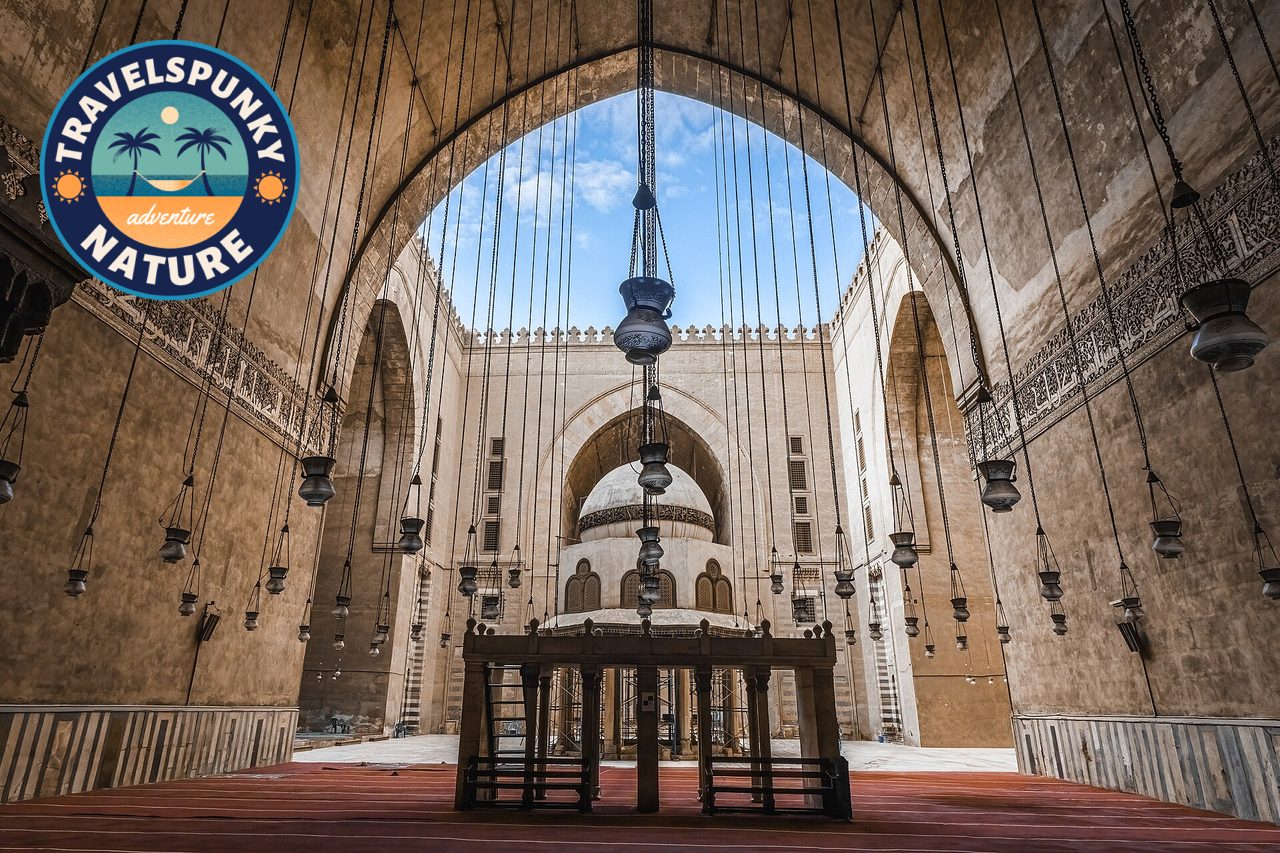
One ticket covers both mosques. Two more sights stand close by. The Mosque of Ibn Tulun, one of the oldest mosques in Cairo, with a spiral minaret you can climb, is free to enter. The Museum of Islamic Art, across the old city at Bab al-Khalq, holds one of the great collections of Islamic art and costs EGP 340 for a foreign adult.
Entry fee: EGP 220 for a foreign adult and EGP 110 for students, covering both Sultan Hassan and Al-Rifa’i.
Opening hours: 9 am to 5 pm every day. The Mosque of Ibn Tulun keeps the same hours and is free.
Good to know: Visit outside prayer times and dress modestly. Mosque staff sometimes expect a small tip for opening side rooms, so keep small notes handy.
10. Sail the Nile on a Sunset Felucca
A felucca is a traditional wooden sailing boat, and an hour on the Nile at sunset is the calmest hour you can buy in Cairo. Boats leave from docks in Garden City, Zamalek and Maadi, and the price is for the whole boat, not per person, so a group pays the same as a couple.
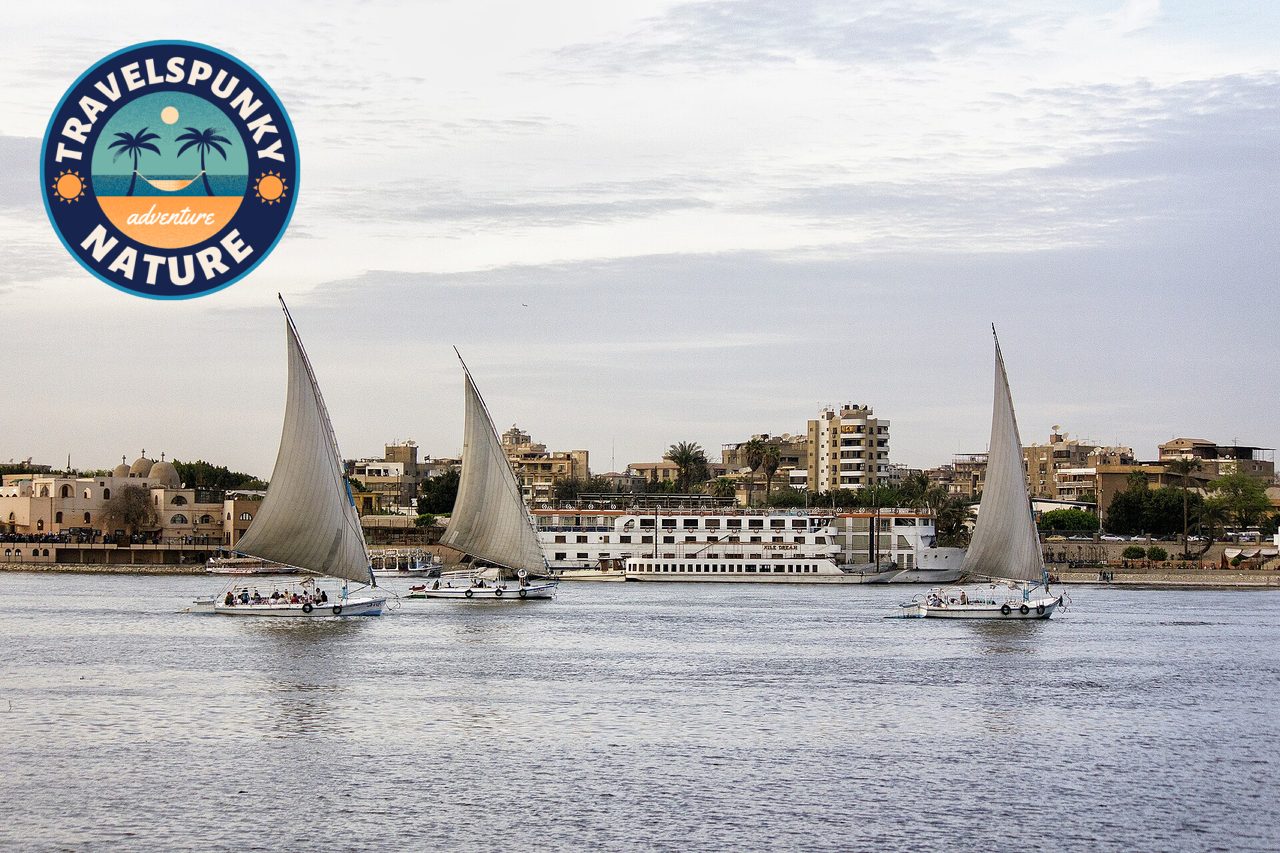
Sunset is the best slot, when the heat drops, the light turns gold and the city lights come on. Agree the price, the length of the trip and the return point before you step on board, and pay when you get back.
Cost: About EGP 400 to 600 for the whole boat for one hour. Prices quoted on the street start higher, so agree calmly before boarding.
Best time: The last hour before sunset. Boats also run through the day, but midday on the river is hot and bright.
Good to know: A felucca moves with the wind and stays close to the city banks. Pre booked rides with a hotel pickup cost more, but they fix the time in advance.
11. Watch the Sun Set from Al-Azhar Park
Al-Azhar Park is a green hill in the middle of the old city, opened in 2005 on land that had been a rubble dump for centuries. It is the best picnic spot in Cairo and the finest place to watch the sun set behind the Citadel and the minarets of the old city. Local families come here in the evening with food, and the lawns fill up in a friendly, relaxed way.
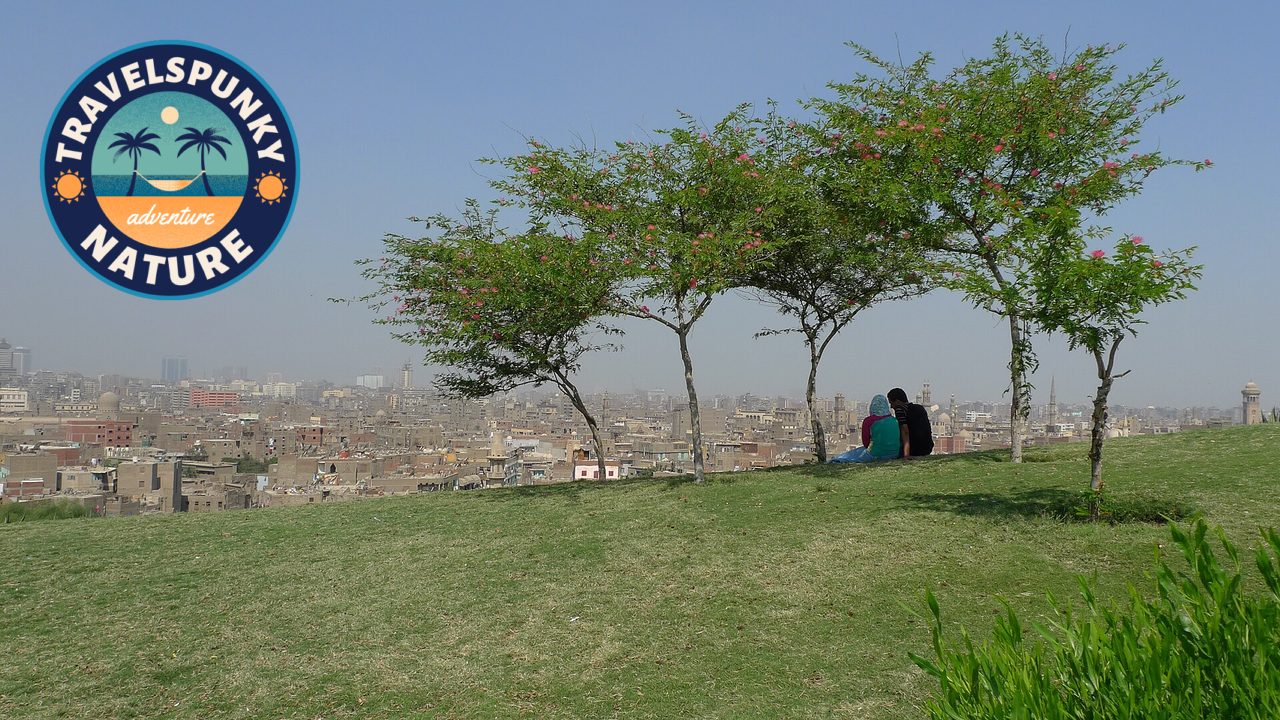
The park has fountains, shaded walks and a lakeside café. The Citadel View Restaurant at the top serves Egyptian and international food, with main dishes at about EGP 250 to 500, and its terrace is popular at sunset, so book ahead if you plan to eat there.
Entry fee: About EGP 150 for a foreign adult on weekdays and about EGP 200 on Fridays and Saturdays. Prices at this gate change often, so check the board when you arrive.
Opening hours: 9 am to 10 pm every day.
How to get there: The park sits on Salah Salem Street, next to the Citadel. A ride hailing car from downtown takes about 15 minutes outside rush hour.
12. Eat Koshary and See the Tannoura Show
Finish a day in the old city the Cairo way, with the national dish and a heritage dance show. Koshary is a bowl of rice, lentils, pasta and chickpeas under a tangy tomato sauce and crispy onions, and the most famous place to eat it is Koshary Abou Tarek on Champollion Street downtown, a short walk from the Egyptian Museum. The shop began as one man’s street cart in the 1950s and now fills several floors.
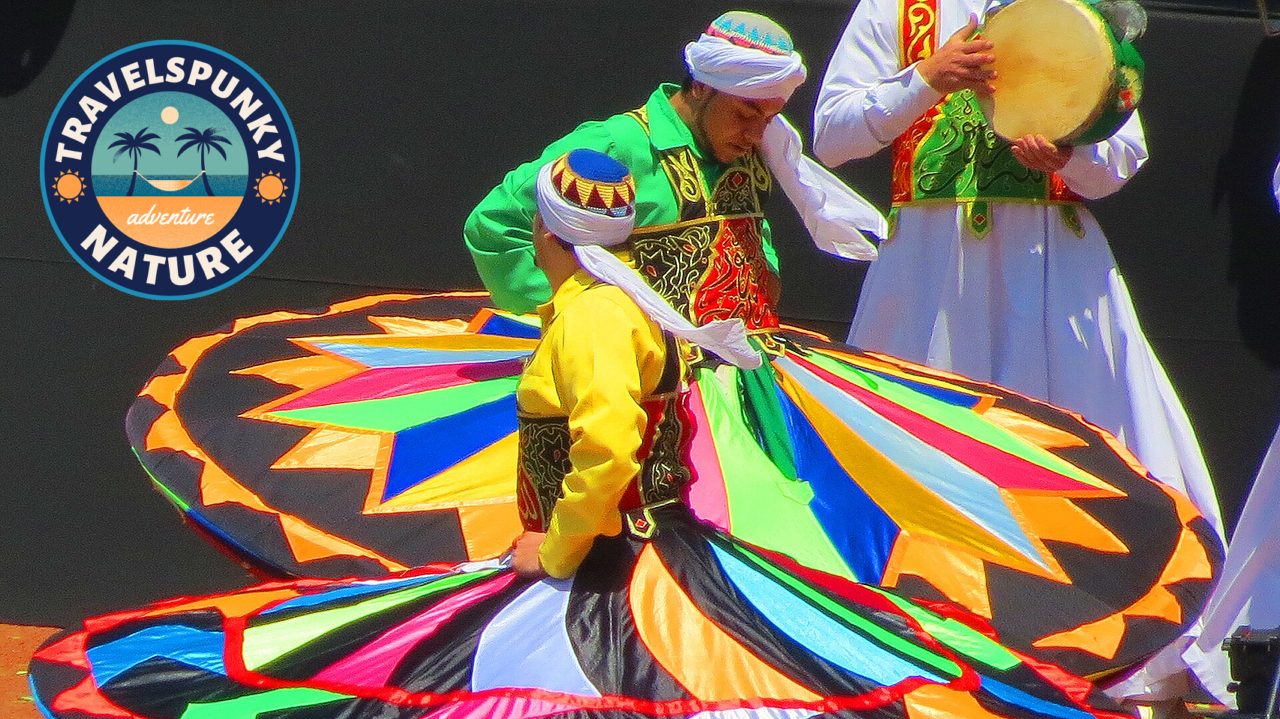
In the evening, walk to the Wekala al-Ghouri, a Mamluk era trading inn near al-Azhar, for the Tannoura show. Dancers spin for minutes at a time in wide, coloured skirts, in a performance that lasts about 75 minutes. Tickets are sold at the door only, and the hall holds about 300 people, so it fills up fast.
Cost: A bowl of koshary costs about EGP 25 to 80 by size. The Tannoura show costs about EGP 150 for foreign visitors.
Show times: Monday, Wednesday and Saturday evenings, starting at about 7:30 pm. The days can change, so check locally, and arrive by 6 pm to be sure of a seat.
Good to know: The Wekala al-Ghouri sits a short walk from Khan el-Khalili, so the show pairs well with an evening in the bazaar.
Best time to visit Cairo
The best months for Cairo are October to April, when the days are mild and sightseeing is comfortable. From November to February, daytime temperatures sit at about 15 to 22°C, and this is the busiest and most expensive season. March, April and October are warm but manageable, and a little quieter.
From June to August the city is very hot, at about 35 to 40°C in the day, and the pyramids are hard work at midday. If you come in summer, start at opening time and rest indoors in the afternoon. During Ramadan, museums close earlier, often at 4 pm, and the city comes alive after sunset. Friday is the weekly holiday, and mosques are busiest around the midday prayers.
Conclusion
Cairo is not a city you finish in a day, and it does not try to be easy. Give it three days, start with the pyramids and the Grand Egyptian Museum, and spend the rest of your time in the old quarters, the mosques, the museums and on the river. Book the GEM online before you go, carry a card for tickets and cash for the streets, and agree every price before a ride begins.
If you want the deeper story behind the biggest sights, read our guide to the famous landmarks in Egypt, which covers Giza, the GEM and the great sites of the Nile Valley in full. Cairo is the natural start of that journey, and for most visitors it becomes the part of Egypt they talk about longest.
Frequently asked questions
1. How many days do you need in Cairo? Three full days is the minimum we suggest. Spend one day on Giza and the GEM, one on the old city and the Citadel, and one on Coptic Cairo, the NMEC and Saqqara. A fourth day lets you slow down and add the felucca and Al-Azhar Park at an easy pace.
2. How much does the Grand Egyptian Museum cost? A foreign adult ticket costs EGP 1,830, and students and children aged 6 to 12 pay EGP 920. Tickets are sold online only, for timed entry slots, on the official booking site, tickets.gem.eg.
3. Can you go inside the Great Pyramid? Yes. A separate ticket lets you climb to the King’s Chamber of Khufu. It costs about EGP 1,000 to 1,500, numbers are limited each day, and the passage is steep, low and hot, so it is not for anyone with knee or breathing problems.
4. Is Cairo safe for tourists? No major government advises against travel to Cairo. The US State Department rates Egypt at Level 2, Exercise Increased Caution, and the UK advises against travel only to North Sinai, the Libya border area and parts of the Western Desert. In the city, the common problems are pickpockets and overcharging, so watch your bag and agree prices first.
5. What is the best way to get from Cairo Airport to downtown? A ride hailing car with Uber, Careem or inDrive is the easiest option, at about EGP 200 to 350 and 30 to 45 minutes on a clear road. Official airport taxis cost about EGP 300 to 500. There is no metro line to the airport.
6. What should you wear in Cairo? Dress modestly and comfortably. Cover your shoulders and knees for mosques and churches, and women should carry a light scarf for mosque visits. In summer, light loose clothes, a hat and sunscreen matter most at Giza and Saqqara.
Researched and verified in November 2026.