New Zealand suits a honeymoon better than almost anywhere, because no two days of the trip have to look the same. In one journey a couple can sail between subtropical islands in the Bay of Islands, soak in a geothermal pool in Rotorua, walk on a glacier on the West Coast and end a night under some of the darkest skies on earth at Lake Tekapo. The towns are easy and safe, and the country is full of lakeside hotels and lodges used to couples celebrating something.
This guide lists the seven best honeymoon bases, with the practical facts attached to each one, what it costs, when to go and how to reach it. Prices move with the season, so where a figure can change, the guide gives a range and says to confirm it before you book.
At a glance
| No. | Place | Where | Best for | Known for |
|---|---|---|---|---|
| 1 | Queenstown | Southern Lakes, South Island | Adventure and lake views | The TSS Earnslaw steamship, the gondola and day trips to Milford Sound |
| 2 | Wānaka | Southern Lakes, South Island | Quiet lakeside downtime | That Wānaka Tree, lavender fields and lakeside vineyards |
| 3 | Fox Glacier and Franz Josef | West Coast, South Island | A once in a lifetime experience | Heli-hikes onto the ice and the mirror water of Lake Matheson |
| 4 | Lake Tekapo | Mackenzie Country, South Island | Stargazing and stillness | The Church of the Good Shepherd and a protected dark sky reserve |
| 5 | Rotorua | Bay of Plenty, North Island | Spa days and Māori culture | The Pōhutu Geyser, geothermal pools and a redwood forest |
| 6 | Bay of Islands | Northland, North Island | Sailing and warm water | 144 islands, the Hole in the Rock and historic Russell |
| 7 | Auckland and Waiheke Island | Auckland, North Island | An easy start or finish | The Sky Tower and a wine island 40 minutes by ferry |
1. Queenstown

Queenstown is the honeymoon capital of the South Island, a small resort town wrapped around a bay of Lake Wakatipu, the jagged Remarkables rising across the water. The lake is the longest in New Zealand at about 80 km, and the town is compact and walkable, with the lakefront, gardens and most restaurants within a few minutes of each other. Postcard scenery, serious adventure and good restaurants all sit within walking distance.
The classic outing is the TSS Earnslaw, a coal-fired steamship in service since 1912, which crosses the lake in about 45 minutes to Walter Peak High Country Farm for the farm tour and barbecue dinner. The Skyline Gondola climbs to Bob’s Peak for the view over the town and the lake, and adrenaline seekers can add a jet boat ride, a skydive, or the Kawarau Bridge bungy, the world’s first commercial bungy site. Historic Arrowtown is about 20 minutes away, the Gibbston Valley pours Central Otago pinot noir, and Milford Sound is the big day trip, a long but unforgettable coach and cruise day.
Cost: The gondola is about NZ$69 per adult, and a Milford Sound coach and cruise day runs roughly NZ$250 to NZ$450 per person. Confirm current prices before you book.
How to reach it: Queenstown Airport is about 15 minutes from the town centre, with direct flights from Auckland (about 2 hours), Christchurch and Wellington.
Best for: Couples who want the classic New Zealand postcard, with adventure on tap and good restaurants at night.
2. Wānaka

Wānaka is Queenstown’s quieter sister, a small town at the southern end of Lake Wānaka, the fourth largest lake in New Zealand at 192 square kilometres. The pace is slower, the lakefront is made for long walks, and many couples use it as the downtime stop in a busy itinerary, the place to sleep in, swim in the lake in summer and do very little, beautifully.
The town’s symbol is That Wanaka Tree, a lone willow growing out of the lake a short walk along the shore, best seen at sunrise and sunset. A few minutes out of town, the Wānaka Lavender Farm fills its fields with purple from about December to February and serves lavender tea and ice cream. The Mount Iron loop track gives an easy panorama over the lake, the climb up Roy’s Peak is the famous hard option, and lakeside vineyards such as Rippon pour wine a few steps from the water.
Cost: The lakefront, the tree and the town walks cost nothing. The lavender farm and the vineyards charge for entry and tastings, and prices change by season, so confirm before you go.
How to reach it: About an hour from Queenstown over the Crown Range Road, the highest sealed road in New Zealand, or about 1 hour 15 minutes on State Highway 6 through Cromwell. In winter the Crown Range can require chains, so check conditions before you set out.
Best for: Couples who want Queenstown scenery at half the pace.
3. Fox Glacier and Franz Josef, the West Coast Glaciers

On the wild West Coast of the South Island, two glaciers slide from the Southern Alps almost into the rainforest, about 25 minutes apart on State Highway 6 inside Westland Tai Poutini National Park. Fox Glacier is a 13 km river of ice named after Sir William Fox, a former prime minister, and Franz Josef Glacier is its twin to the north. For a honeymoon, standing together on blue ice high above the valley is the big shared experience.
The access rules have changed completely. The Fox Glacier access road was destroyed by a landslide in 2019 and will not be rebuilt, and at Franz Josef the river has cut off the walk up the valley, so the free valley walks now end at viewpoints a few kilometres from the ice. The only way onto either glacier is a guided heli-hike, a short helicopter flight up the valley, then a few hours walking on the ice in crampons. On the ground, Lake Matheson is the romantic extra, an easy loop walk of about 1 hour 30 minutes around dark, still water that mirrors Aoraki/Mount Cook and Mount Tasman on calm mornings.

Cost: The valley walks and Lake Matheson are free. Scenic helicopter flights start from about NZ$200 per person, and heli-hikes run from about NZ$500 to NZ$900 per person depending on the operator and the time on the ice. Confirm prices and the weather policy before you book.
Worth knowing: West Coast weather cancels helicopter flights often, so stay at least two nights, book the heli-hike for your first morning, and check the DOC daily glacier access update before any valley walk.
How to reach it: About 3 hours 15 minutes by road from Wānaka over the Haast Pass, or about 4 hours 30 minutes from Queenstown. The nearest commercial airport is Hokitika, and InterCity buses run along the coast.
Best for: Couples who want one big, unforgettable experience and can give it two nights.
4. Lake Tekapo
Lake Tekapo is the quiet heart of the Mackenzie Country, a milky turquoise lake in a basin of golden tussock grass. On its shore stands the Church of the Good Shepherd, built in 1935 as a memorial to the pioneers of the Mackenzie Basin, famous for the window behind its altar, which frames the lake and the Southern Alps. It is still a working church, and couples travel a long way to be photographed outside it.
The real show starts after dark. Lake Tekapo sits inside the Aoraki Mackenzie International Dark Sky Reserve, designated in 2012 and covering about 4,300 square kilometres, one of the largest dark sky reserves in the world. Strict lighting rules keep the night properly dark, and guided Dark Sky Project tours take couples up to the Mount John Observatory for telescope time. In late spring, roughly November and December, lupins colour the lakeshore, and the Tekapo Springs hot pools give the trip its honeymoon finish, a hot soak under the stars.
Cost: The church and the lakefront are free. Observatory tours and hot pool entry are ticketed per person, with prices varying by season, so confirm before you book.
Worth knowing: The church is a place of worship, not a museum. It can close at short notice for services and weddings, and photography inside is not allowed, so visit quietly.
How to reach it: About 3 hours by road from Christchurch, and on the main route between Christchurch and Queenstown, which makes it an easy overnight stop on a South Island loop.
Best for: Couples who want quiet, dark skies and one famous photograph.
5. Rotorua
Rotorua is the geothermal heart of the North Island, a lakeside town where steam rises from the parks, mud pools bubble and the air carries a light smell of sulphur. It is also a centre of Te Arawa Māori culture, and its honeymoon role differs from the southern stops, less about mountains, more about slowing down and soaking.
At Te Puia, in the Te Whakarewarewa geothermal valley, the Pōhutu Geyser is the largest active geyser in the southern hemisphere, erupting up to about 20 times a day to about 30 metres, and the same site is home to the national carving and weaving schools. The Polynesian Spa on the lakefront feeds its pools from two natural springs, one acidic and one alkaline, and an evening soak there is a ritual. The Redwoods of Whakarewarewa Forest, Californian giants planted from 1901, offer cool green walks by day and a lantern-lit treetop walkway by night, and evenings can end with a cultural performance and a hāngī, a feast cooked in an earth oven.
Cost: The big geothermal parks and the spa are ticketed per person, and the spa sells everything from general pool entry to private pools and treatments. Confirm current prices before you book.
How to reach it: About 3 hours by road from Auckland, or a flight of about an hour from Auckland or Wellington.
Best for: Couples who want spa time and living culture between the adventure stops.
6. Bay of Islands
The Bay of Islands is the warm, subtropical north, a sheltered bay in Northland scattered with 144 islands, where the pace drops the moment you arrive. Paihia, a small waterfront town with most of the hotels and the cruise wharf, is the practical base.
The signature trip is the cruise from Paihia out to the Hole in the Rock, a natural arch through Motukōkako (Piercy Island), which boats pass through when the sea is calm. Cruises usually watch for dolphins on the way and stop at an island such as Urupukapuka for a swim and a walk. Swimming with dolphins has been banned here since 2019 to protect them, so the watching is done from the boat. Across the water, a passenger ferry of about 15 minutes reaches Russell, New Zealand’s first European settlement and its first capital, its waterfront made for a long dinner. A short drive from Paihia, the Waitangi Treaty Grounds mark where the Treaty of Waitangi was signed in 1840, with the Treaty House, a carved meeting house and the world’s largest ceremonial waka.
Cost: Hole in the Rock cruises run roughly NZ$140 to NZ$180 per adult for a trip of about 4 hours, and international entry to the Waitangi Treaty Grounds is roughly NZ$60 to NZ$80 including a guided tour. Confirm prices before you book.
How to reach it: About 3 hours by road north from Auckland, or a short flight to Kerikeri followed by a short drive to Paihia. Give it at least two nights, as it is too far to enjoy as a day trip.
Best for: Couples who want warm water, sailing and an easy pace at the start of a trip.
7. Auckland and Waiheke Island

Most New Zealand honeymoons start or end in Auckland, the country’s largest city, home to about 1.7 million people and known as the City of Sails for the boats crowding its two harbours. The Sky Tower rises 328 metres over the city centre, the tallest freestanding structure in the southern hemisphere, and its revolving restaurant, Orbit 360° Dining, turns a full circle in about an hour, the natural place for a first or last night dinner at sunset. The Viaduct Harbour waterfront is lined with restaurants.
The honeymoon move is the ferry to Waiheke Island, about 35 to 40 minutes from the downtown terminal. Waiheke has more than 30 boutique wineries, olive groves and beaches such as Oneroa and Onetangi, and its rhythm is long vineyard lunches. Many couples day trip, but a night or two on the island itself, in a vineyard stay or a small lodge above a beach, is the version people remember.
Cost: Sky Tower entry is about NZ$45 per adult, and Orbit dining usually covers the tower visit, while Waiheke ferries are priced per return trip and vineyard lunches are the main splurge. Confirm fares before you travel.
How to reach it: Auckland Airport is the main international gateway, roughly 30 minutes to an hour from the city centre depending on traffic. Waiheke ferries leave from the downtown ferry terminal through the day.
Best for: A gentle first or last two days, and couples who love food and wine.
Best time for a honeymoon in New Zealand
The seasons are the reverse of the northern hemisphere, so a New Zealand summer honeymoon runs from December to February. Those months bring the warmest weather, longest days and best swimming, but also peak prices and the school holidays from late December into January, so book early. The shoulder months are the sweet spot, March and April for settled autumn weather and emptier towns, October and November for spring blossom and lower rates.
Lupins flower at Lake Tekapo roughly in November and December, and the Wānaka lavender blooms from about December to February. Winter, from June to August, turns Queenstown into a ski town, gives Lake Tekapo its longest, darkest stargazing nights and brings the year’s lowest rates in many places, but the West Coast, one of the wettest inhabited coasts in the world, is at its wettest then.
How to reach New Zealand, and getting around
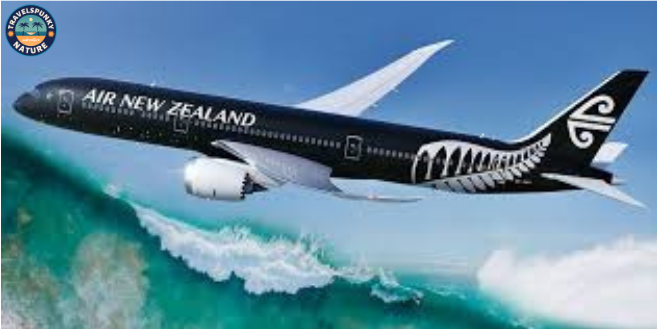
By air: Auckland is the main international gateway, and Christchurch and Queenstown also receive international flights. Inside the country, domestic flights link Auckland with Rotorua, Wellington, Christchurch and Queenstown, the fastest way to jump between the islands.
Entry rules: Travellers from visa waiver countries need an NZeTA before they fly, which costs NZ$17 on the official app or NZ$23 online, and most visitors also pay the International Visitor Conservation and Tourism Levy of NZ$100 per person at the same time. Australian citizens are exempt from the levy. Rules and fees change, so confirm your position on the Immigration New Zealand website before you book.
By road: A rental car is the most flexible way to honeymoon here, and New Zealand drives on the left. Distances are longer than they look on the map, so plan fewer bases and more nights in each. A classic two week loop runs Auckland, the Bay of Islands or Rotorua, a flight south to Queenstown, then Wānaka, the glaciers and Lake Tekapo, out through Christchurch.
Between the islands: Ferries cross Cook Strait between Wellington and Picton in about 3 hours 30 minutes, but most honeymoon itineraries fly the gap instead and pick up a second rental car.
Where to stay in New Zealand
Base yourselves in fewer places for longer. A comfortable pattern gives Queenstown, Wānaka, Rotorua and the Bay of Islands two or three nights each, glacier country two nights, and Lake Tekapo and Auckland or Waiheke one or two. Queenstown and Auckland have the full range from apartments to luxury hotels, Wānaka and Tekapo lean on boutique lodges and lakeside motels, glacier country fills fast in summer, Rotorua adds lakefront spa hotels, and Russell is the quiet, romantic alternative to Paihia.
For price, a good mid-range double room in the main honeymoon towns commonly runs roughly NZ$200 to NZ$450 a night in peak season, luxury lodges cost several times that, and shoulder season rates drop well below the peak. Confirm rates before you book, and for December and January, book the Southern Lakes and Tekapo first, as they sell out earliest.
Frequently asked questions
1. How many days are enough for a honeymoon in New Zealand?
Ten to fourteen days is the comfortable range, two or three bases in the North Island and three or four in the South Island, with a domestic flight between them. A week covers one island well, but squeezing both into seven days turns the trip into driving.
2. What is the best month for a honeymoon in New Zealand?
February is hard to beat, with summer weather, warm water and the school holiday crowds gone. December is busy and expensive, March and April bring calm autumn weather and better rates, and late November catches the lupins at Lake Tekapo before the peak. June to August suits couples who want snow, skiing and the darkest stargazing nights.
3. Can we walk on Fox Glacier or Franz Josef Glacier?
Not from the valley floor. The Fox Glacier access road was destroyed by a landslide in 2019 and will not be rebuilt, and the Franz Josef valley walk also ends at a viewpoint. Both viewpoints sit a few kilometres from the ice. The only way to stand on either glacier is a guided heli-hike, a helicopter flight onto the ice and a guided walk in crampons. Book it early, because West Coast weather cancels flights often.
4. How much does a New Zealand honeymoon cost?
For a couple travelling mid-range, allow roughly NZ$200 to NZ$450 a night for a good double room in peak season, plus a rental car and activity money for big ticket days such as a heli-hike at NZ$500 to NZ$900 per person or a Milford Sound day at NZ$250 to NZ$450 per person. Shoulder season travel cuts accommodation costs noticeably. Confirm every price before you book, as rates move with demand.
5. Do we need a visa for New Zealand?
Visitors from visa waiver countries do not need a visitor visa, but they must hold an NZeTA before travelling, which costs NZ$17 on the official app or NZ$23 online, and most also pay the NZ$100 International Visitor Conservation and Tourism Levy per person at the same time. Australian citizens are exempt from the levy. Check the current rules for your passport on the Immigration New Zealand website before booking.
6. Which is better for a honeymoon, the North Island or the South Island?
The South Island has the drama, the alpine lakes, glaciers and dark skies of Queenstown, Wānaka, the West Coast and Tekapo. The North Island has the warmth, the sailing and beaches of the Bay of Islands and Waiheke, and Rotorua’s geothermal depth. With ten days or more, most couples combine both and fly between them. With a week, pick the South Island for scenery or the North Island in summer for a warmer, slower trip.
Researched and verified: November 2026. This guide is research-based, compiled from official visitor information, maps and traveller reports. Prices, opening hours and track conditions change, so confirm them before travelling.