
Last updated: 14 July 2026
The Caribbean is a region of more than 700 islands scattered across turquoise water between Florida and the northern coast of South America. Between them they offer rainforest hikes, volcanic hot springs, some of the best diving in the world, and beaches that rarely need much introduction. This list covers both the headline names, Jamaica, the Bahamas, St. Lucia, and the rest, and some quieter picks worth knowing about, from Dominica’s rainforest trails to the tiny day-trip islet of Pinel. Centuries of Indigenous, European, and African history have shaped a mix of languages, cuisines, and festivals that changes from one island to the next, so a Caribbean trip rarely feels repetitive even if you stay within one region.
Here are 18 of the best Caribbean islands to visit, with what makes each one worth the trip and practical notes to help you plan.
1. Jamaica
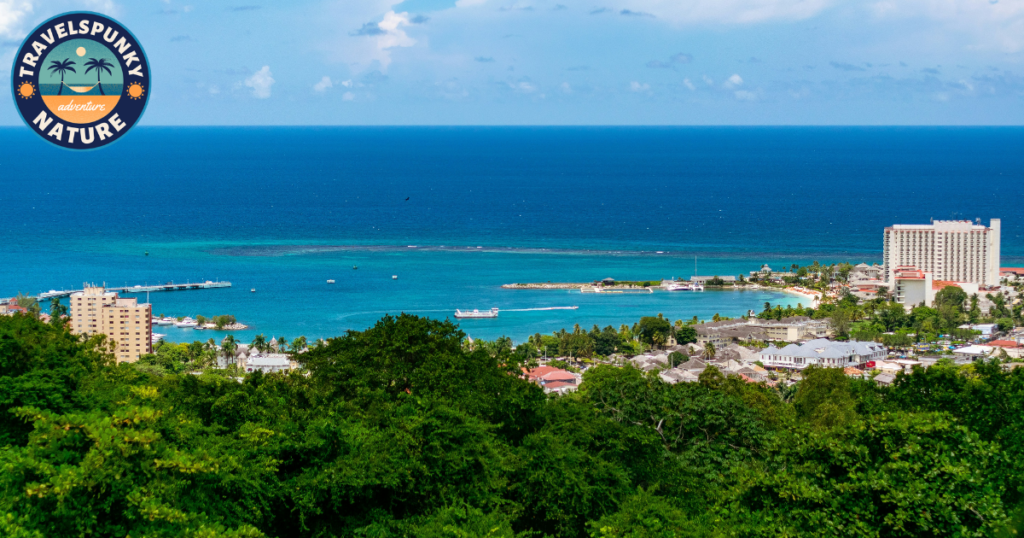
Jamaica is one of the most recognizable names in Caribbean travel, known for reggae music, jerk chicken, and a nightlife scene that rivals anywhere in the region. Beyond the beaches of Montego Bay and Negril, the island offers waterfall climbs at Dunn’s River Falls, Blue Mountain coffee tours, and cliffside cannonballing at Rick’s Cafe.
Best time to visit: Mid-December to April, dry season with the most reliable weather.
Ideal trip length: 5 to 7 days.
Budget level: Wide range, from budget guesthouses to high-end all-inclusive resorts.
Best for: Groups, Nightlife, First-time Caribbean visitors
Good to know: Sangster International Airport in Montego Bay is the main gateway and sits close to the hotel zone, making it one of the more convenient airports in the Caribbean. Kingston’s Norman Manley International Airport is the better choice only if you’re focused on the capital or the Blue Mountains. Hurricane season (June to November) can bring heavy rain, though direct hits on the north coast are relatively rare.
2. The Bahamas
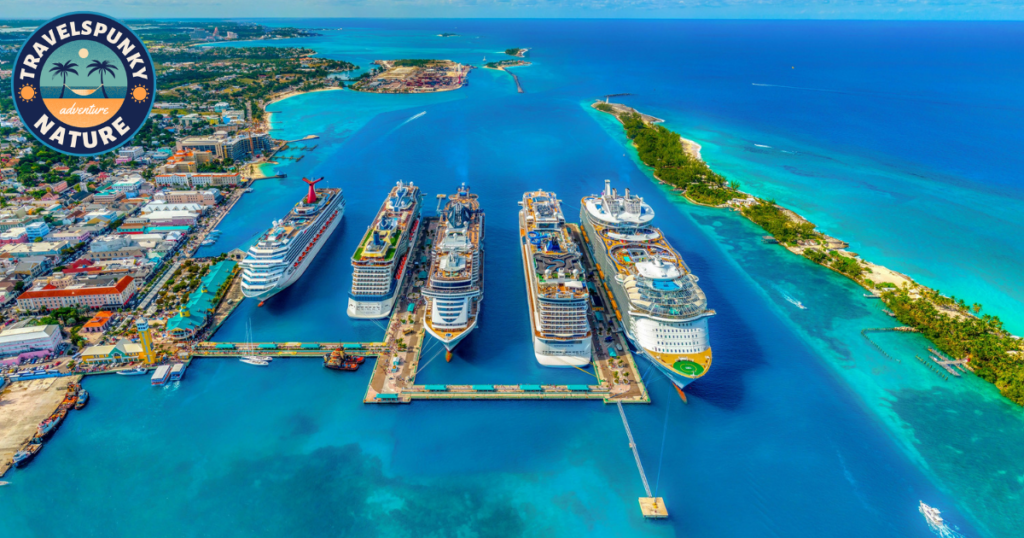
Technically in the Atlantic rather than the Caribbean Sea, the Bahamas (officially the Commonwealth of The Bahamas, “The” is actually part of its formal name) is included on nearly every Caribbean shortlist thanks to its 700-plus islands and cays, powder-white beaches, and some of the clearest water anywhere in the region. Nassau and Paradise Island are the most visited, while the Exumas and Harbour Island offer a quieter, more exclusive alternative.
Best time to visit: December to April for the driest weather and lowest hurricane risk.
Ideal trip length: 4 to 7 days, longer if island-hopping to the Out Islands.
Budget level: Mid-range to high, especially in Nassau and Exuma.
Best for: Families, Luxury travelers, Cruise passengers
Good to know: Lynden Pindling International Airport in Nassau is the main hub, with smaller domestic airports serving the Out Islands. A short flight or ferry from Nassau reaches many of the quieter cays.
3. Turks and Caicos
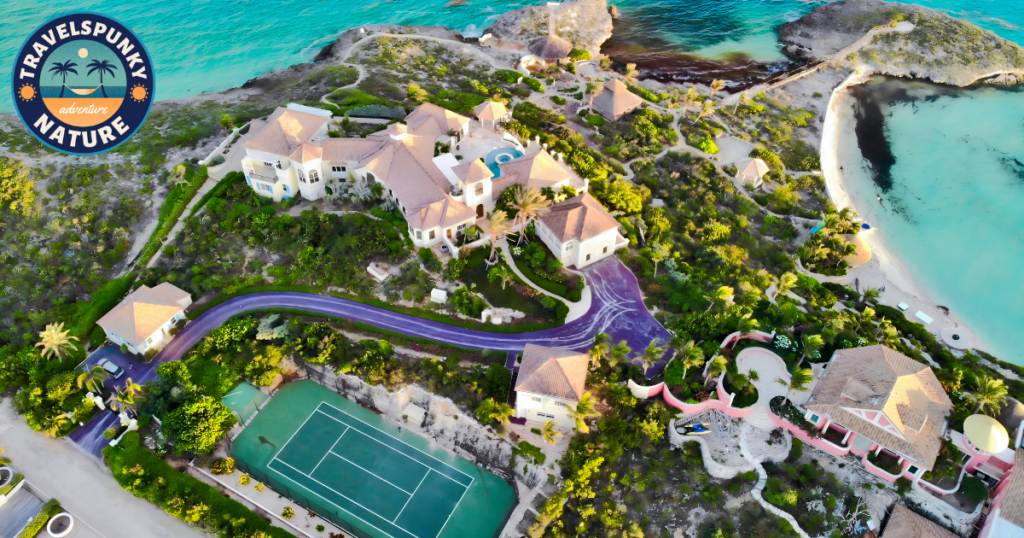
Officially the Turks and Caicos Islands, best known for Providenciales and Grace Bay Beach, regularly ranked among the best beaches in the world. It’s a go-to for travelers who want calm, shallow, turquoise water without a long list of other activities competing for attention, and a popular honeymoon and anniversary destination.
Best time to visit: December to April for the driest, calmest weather.
Ideal trip length: 4 to 6 days.
Budget level: High, one of the pricier destinations on this list.
Best for: Couples, Honeymoons, Relaxed beach lovers
Good to know: Providenciales International Airport serves most visitors and is close to the Grace Bay hotel strip, generally a 10 to 15 minute drive. As a British Overseas Territory, the US dollar is the official currency.
4. St. Lucia
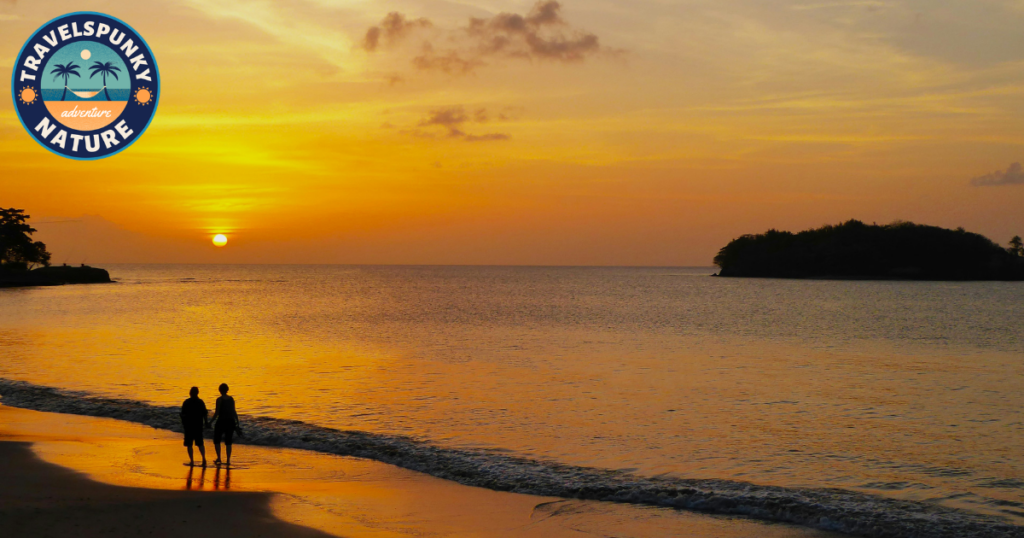
Home to the Pitons, twin volcanic peaks and a UNESCO World Heritage Site, St. Lucia pairs dramatic scenery with rainforest hikes, volcanic mud baths, and some of the most photographed resort views in the Caribbean. It’s a popular honeymoon destination thanks to its mix of romance and adventure.
Best time to visit: December to April for the driest weather overall.
Ideal trip length: 5 to 7 days.
Budget level: Mid-range to high, with many all-inclusive resorts.
Best for: Couples, Honeymoons, Romantic getaways
Good to know: Most international flights land at Hewanorra International Airport in the south, roughly 45 minutes to an hour from the Pitons and Soufrière but over an hour from resorts in the north near Castries. Factor that transfer time into your first and last day.
5. Cayman Islands
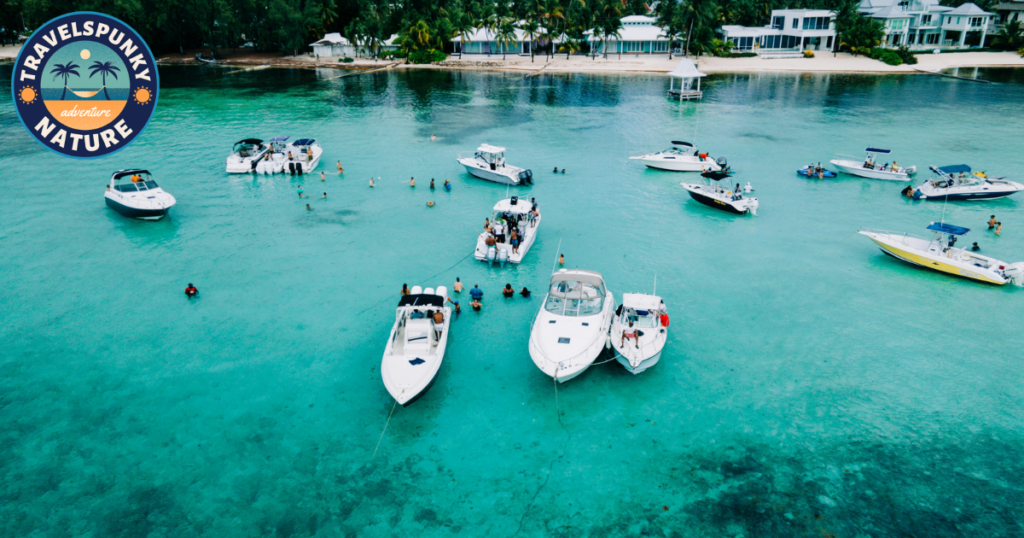
Grand Cayman offers Seven Mile Beach, calm and family-friendly water, and Stingray City, a shallow sandbar where visitors can wade with friendly southern stingrays. It’s also considered one of the safer, more developed islands in the region, with a strong reputation for diving.
Best time to visit: November to April for the driest weather.
Ideal trip length: 4 to 5 days.
Budget level: High, among the more expensive Caribbean destinations.
Best for: Families, First-time snorkelers, Safety-conscious travelers
Good to know: Owen Roberts International Airport is close to George Town and about 10 to 15 minutes from Seven Mile Beach. As a British Overseas Territory, the Cayman Islands dollar is used, though US dollars are widely accepted.
6. Antigua
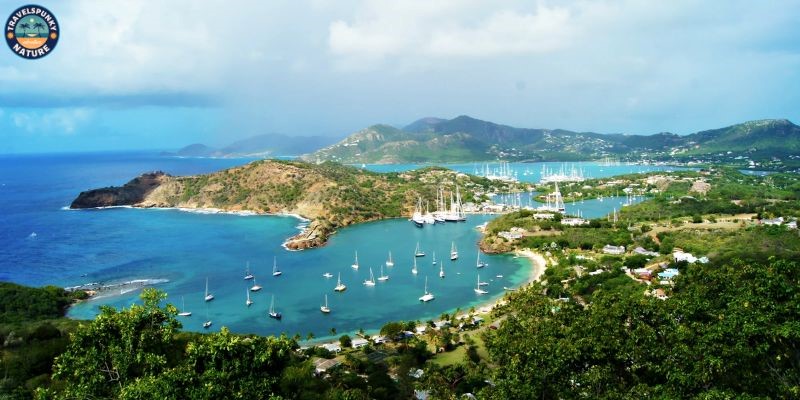
Antigua is part of the twin-island nation of Antigua and Barbuda, Antigua is the main tourist hub, while its quieter sister island, Barbuda, is a separate, far less developed destination worth knowing about if you want to escape the crowds. Antigua itself is known for its beaches, famously said to number 365, one for every day of the year, plus colonial-era forts, English Harbour’s historic dockyard, and a laid-back food scene mixing Caribbean and Creole influences.
Best time to visit: December to April, dry season with the least rain.
Ideal trip length: 4 to 5 days.
Budget level: Mid-range to high, resort-driven.
Best for: Sailors, Beach hoppers, Multigenerational family trips
Good to know: Antigua’s V.C. Bird International Airport sits close to St. John’s, Antigua’s capital, with most resorts a short taxi ride away. Water sports including snorkeling, sailing, and diving are widely available along the coast. Antigua Sailing Week, held in late April, is a major event worth planning around, whether you want to catch it or avoid the crowds.
7. Barbados
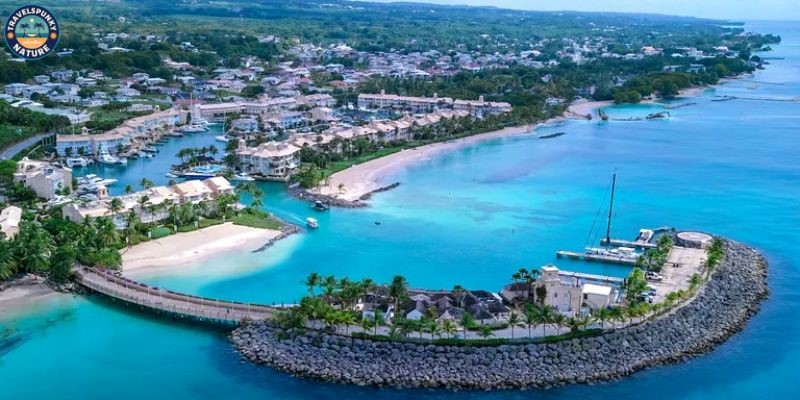
Barbados offers calm, warm water on its Caribbean (west) coast and livelier surf on the Atlantic (east) side, so it works for both relaxed swimming and active water sports like surfing and kayaking. Many of its beaches are public and undeveloped, without rows of beach bars, which makes for a quieter scene than some other islands.
Best time to visit: December to April for the driest, sunniest weather.
Ideal trip length: 5 to 7 days.
Budget level: Mid-range to high.
Best for: Foodies, Culture lovers, Small groups
Good to know: Grantley Adams International Airport is around 15 to 20 minutes from the south coast hotel strip. Snorkeling around the reefs and the island’s turtles is a popular add-on, and the Crop Over festival in July and August is Barbados’s biggest cultural event
8. Aruba
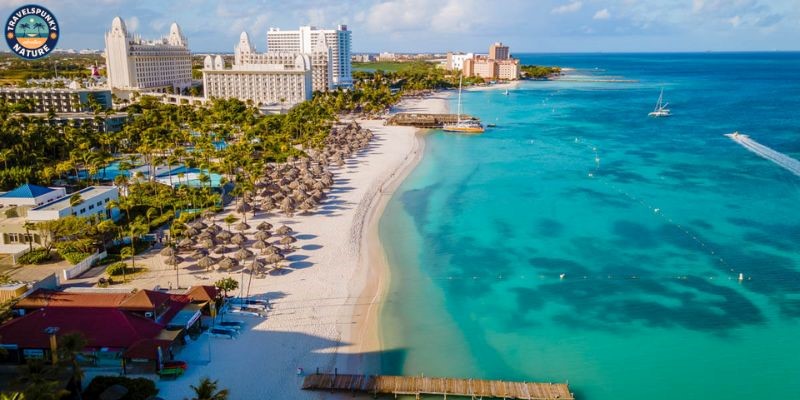
Aruba sits outside the hurricane belt and is known for consistently sunny, dry weather, powder-white beaches, and a desert-like interior with limestone caves and cactus-studded landscapes that feel different from the rest of the Caribbean. It’s a popular choice for a reliable beach holiday almost any time of year.
Best time to visit: Year-round, one of the most weather-reliable islands in the Caribbean.
Ideal trip length: 4 to 6 days.
Budget level: Mid-range to high.
Best for: Families, Reliable-weather seekers, Watersports fans
Good to know: Queen Beatrix International Airport is about 10 to 15 minutes from the main hotel strip in Palm Beach and Eagle Beach. Kitesurfing and windsurfing conditions are considered some of the best in the Caribbean, especially from June through August when trade winds pick up.
9. Curaçao
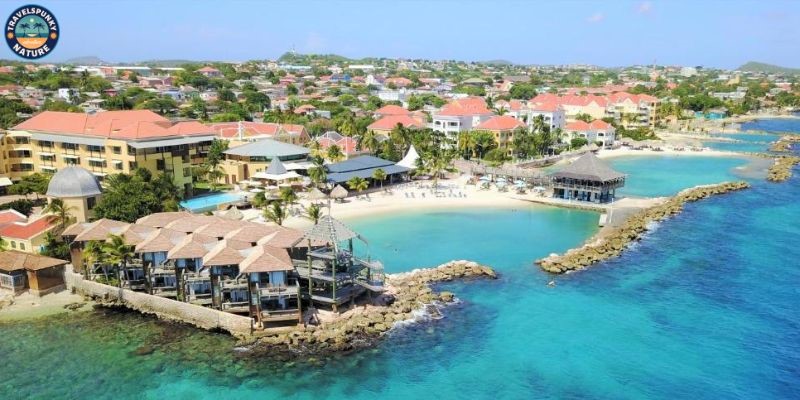
This Dutch Caribbean island, known locally in Papiamento as Kòrsou, pairs pristine beaches and coral reefs with the colorful Dutch colonial architecture of its capital, Willemstad, a UNESCO World Heritage Site. Snorkeling and diving are excellent thanks to clear water and healthy reefs, and the island sits outside the main hurricane belt, making it a solid year-round choice.
Best time to visit: Year-round, though April to August has slightly less rain.
Ideal trip length: 4 to 6 days.
Budget level: Mid-range.
Best for: Culture lovers, Divers, Off-the-beaten-path travelers
Good to know: Curaçao International Airport is about 15 to 20 minutes from Willemstad by taxi. Because it lies outside the hurricane belt, it’s a dependable choice even during the June to November hurricane season elsewhere in the region.
10. Bonaire
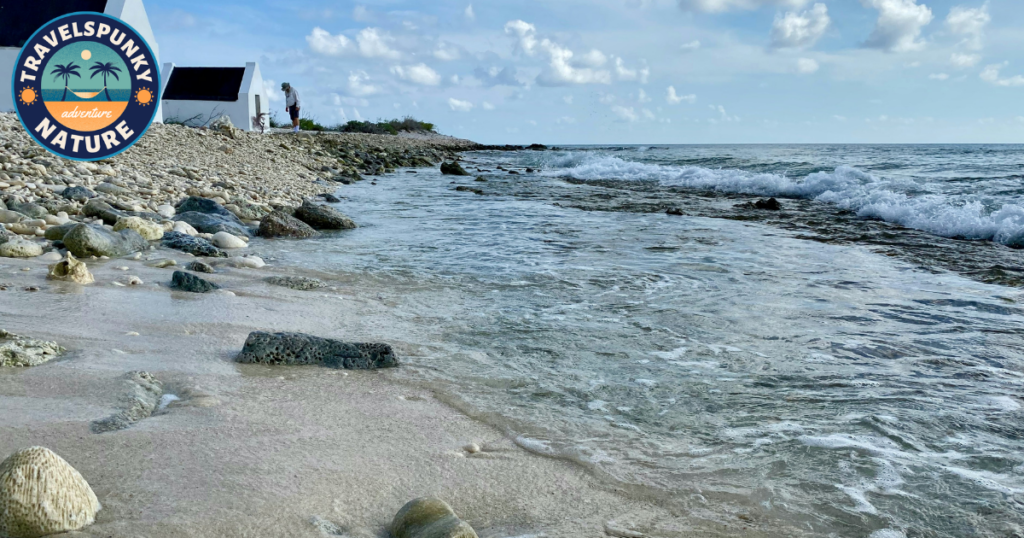
The lesser-known third of the “ABC islands” alongside Aruba and Curaçao, Bonaire, called Boneiru in Papiamento, is a dedicated diving and snorkeling destination, with much of its surrounding water protected as a marine park. Shore diving is unusually easy here since many sites are accessible directly from the road rather than requiring a boat.
Best time to visit: Year-round, like its ABC neighbors it sits outside the main hurricane belt.
Ideal trip length: 4 to 6 days, longer for dedicated dive trips.
Budget level: Mid-range, generally quieter and less developed than Aruba.
Best for: Dedicated scuba divers and Snorkelers
Good to know: Flamingo International Airport is a short drive from Kralendijk, the capital. A marine park entry fee applies for diving and snorkeling, which goes toward reef conservation.
11. Trinidad and Tobago
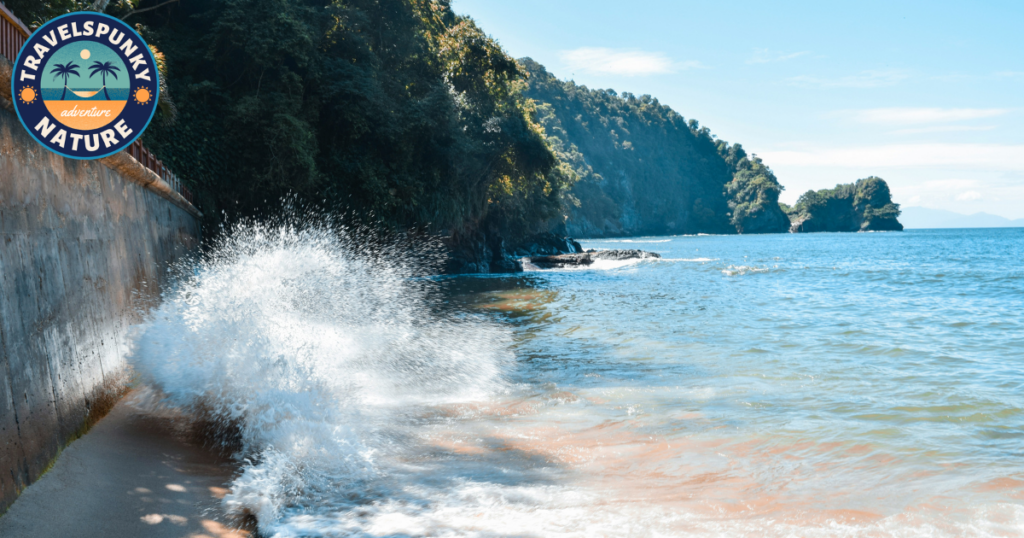
The Republic of Trinidad and Tobago is a twin-island nation known for Carnival, one of the biggest and most famous celebrations in the Caribbean, held every February or March before Lent. Trinidad is the more urban, culturally rich island, while Tobago offers a quieter beach-and-reef pace, making the pair a good option for travelers who want both city energy and a slower island escape.
Best time to visit: January to May for drier weather, or specifically around Carnival if that’s the draw.
Ideal trip length: 5 to 7 days if visiting both islands.
Budget level: Mid-range.
Best for: Festival and culture lovers (Trinidad), Quiet beach seekers (Tobago)
Good to know: Piarco International Airport serves Trinidad near the capital, Port of Spain, while Tobago has its own smaller airport, ANR Robinson International, connected by short inter-island flights or a ferry.
12. Grenada
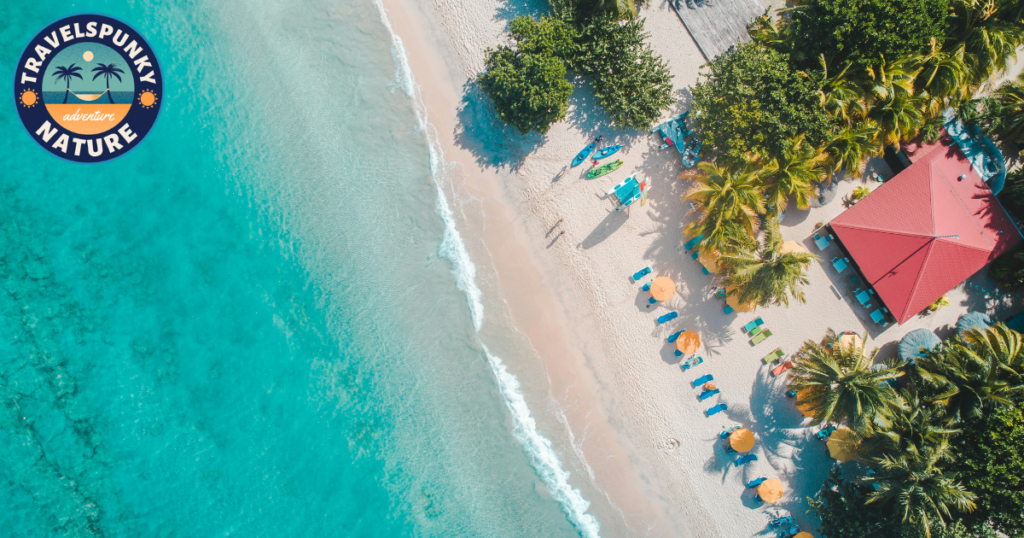
Known as the Spice Isle for its nutmeg, cinnamon, and cocoa production, Grenada pairs volcanic, forested interior with white sand beaches like the well-known Grand Anse. Visitors can tour spice estates and chocolate factories alongside the usual beach and water sports options, giving the island a distinct identity beyond sun and sand.
Best time to visit: January to May, dry season.
Ideal trip length: 5 days.
Budget level: Mid-range.
Best for: Nature lovers, Foodies, Couples wanting somewhere less crowded
Good to know: Maurice Bishop International Airport is on the island’s southwestern tip, about a 20 minute drive from the capital, St. George’s. Grand Anse Beach is only a few minutes from the airport, making it convenient for shorter stays. Grenada sits at the southern edge of the hurricane belt, so it sees less storm activity than islands further north.
13. Martinique
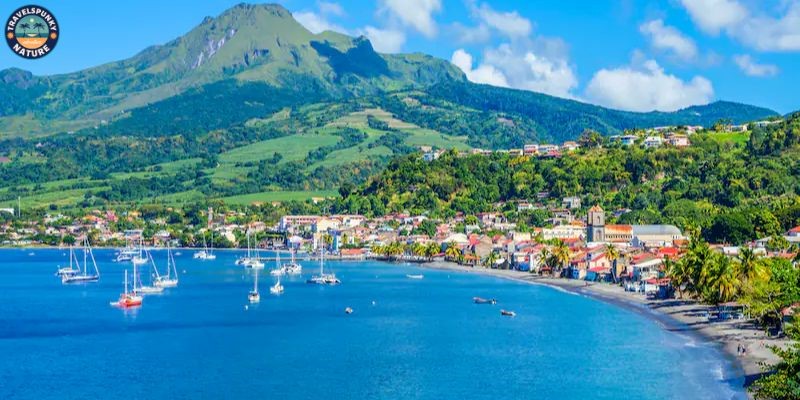
A French overseas territory, Martinique combines white sand beaches with lush rainforest interior, volcanic peaks, and a French Creole culture that shows up in the food, language, and rum (the island has several distilleries open for tours). It’s a strong pick for photography, with dramatic scenery and colorful colonial towns.
Best time to visit: December to April, outside the wetter and hurricane-prone months.
Ideal trip length: 5 to 6 days.
Budget level: Mid-range to high, priced closer to mainland France than neighboring islands.
Best for: Francophiles, Photographers, Hikers
Good to know: Martinique Aimé Césaire International Airport is close to the capital, Fort-de-France, generally a 10 to 15 minute taxi ride. As a French territory, the euro is the currency and French is the main language, so a little French goes a long way.
14. Dominica
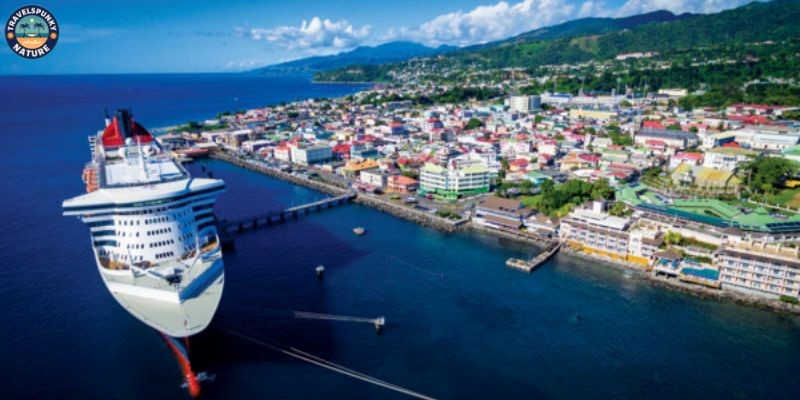
Known as the “Nature Island,” officially the Commonwealth of Dominica, this mountainous island has hot springs, rainforest, waterfalls, and one of the Caribbean’s few boiling lakes. It suits travelers who want an active trip: hiking, whale watching (sperm whales are resident off the coast much of the year), river tubing, and birdwatching are all major draws.
Worth knowing: Dominica is a separate country from the Dominican Republic, despite the similar name. Dominica is a small English-speaking island in the Eastern Caribbean, while the Dominican Republic is a much larger Spanish-speaking nation sharing the island of Hispaniola with Haiti, hundreds of miles away. They are frequently confused in travel writing, so double-check which one a source is actually describing.
Best time to visit: February to May, when trails are driest and whale watching is strong through spring.
Ideal trip length: 5 to 7 days, given the driving distances between sites.
Budget level: Mid-range, fewer big resorts than other islands.
Best for: Adventure travelers, Hikers, Whale watchers
Good to know: Douglas-Charles Airport is on the northeast coast, roughly 45 minutes to an hour by taxi from the capital, Roseau, so build that transfer time into your first day. There’s no public shuttle from the airport, so arrange a taxi or transfer in advance.
15. Puerto Rico
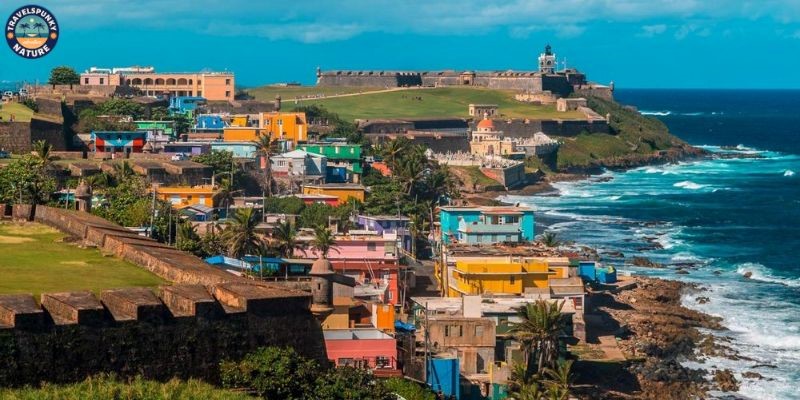
Officially the Commonwealth of Puerto Rico (Estado Libre Asociado de Puerto Rico in Spanish), this U.S. territory combines rainforest, mountains, and colonial Old San Juan with El Yunque, the only tropical rainforest in the U.S. National Forest System. Hiking to waterfalls, exploring bioluminescent bays, and wandering Old San Juan’s colorful streets round out a trip that offers more variety than a typical beach island.
Best time to visit: December to April for driest weather, though it’s a genuine year-round destination.
Ideal trip length: 6 to 8 days to cover San Juan, the rainforest, and at least one beach area.
Budget level: Mid-range, generally cheaper than the French and Dutch islands.
Best for: Solo travelers, Easy trips for US citizens, Active itineraries
Good to know: As a U.S. territory, Puerto Rico uses the U.S. dollar and requires no passport for U.S. citizens. Luis Muñoz Marín International Airport serves San Juan directly, and El Yunque is roughly 40 minutes away by car.
16. US Virgin Islands and British Virgin Islands
St. Thomas, St. Croix, and St. John make up the United States Virgin Islands, easy for American travelers since no passport is required and the US dollar is standard. The neighboring British Virgin Islands, officially just the Virgin Islands (“British” is commonly used but isn’t part of the territory’s formal name), include Tortola and Virgin Gorda and are known as one of the world’s top sailing destinations, with calm, protected waters between the islands. Both groups sit firmly in the Caribbean Sea, at the eastern edge of the Greater Antilles near Puerto Rico.
Best time to visit: December to April for driest conditions across both island groups.
Ideal trip length: 5 to 7 days, longer if combining both territories by boat.
Budget level: Mid-range to high, particularly for BVI charters.
Best for: Sailors, Boaters, Groups chartering a yacht
Good to know: Cyril E. King Airport serves St. Thomas directly. Reaching the BVI typically means flying into St. Thomas or Puerto Rico first, then connecting by ferry or small charter flight, since the BVI’s own airport handles limited direct international traffic.
17. Saona Island
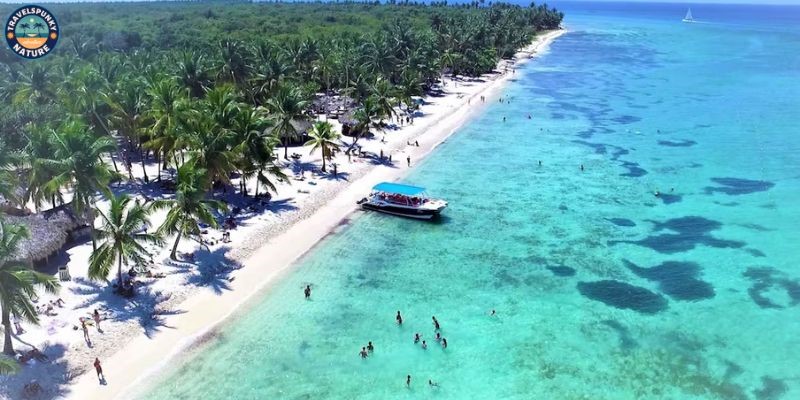
Part of the Dominican Republic’s Parque Nacional del Este on the country’s southeastern coast, Saona is one of the largest islands off the Caribbean’s shoreline, with palm-backed white sand beaches and shallow natural pools popular for swimming. Most visitors come as a day trip from Punta Cana or Bayahibe rather than staying overnight.
Best time to visit: December to April, and again go early to avoid the busiest tour groups.
Ideal trip length: Full-day excursion.
Budget level: Low to mid-range for the tour; most trips are sold as an add-on to a Punta Cana or Bayahibe stay.
Best for: Families and Groups already staying in Punta Cana
Good to know: Saona is typically visited by catamaran or speedboat tour from Bayahibe (about a 20 minute drive from Punta Cana International Airport), rather than by a direct road route, since the island itself has no airport or hotels.
18. Pinel Island (Îlet Pinel)
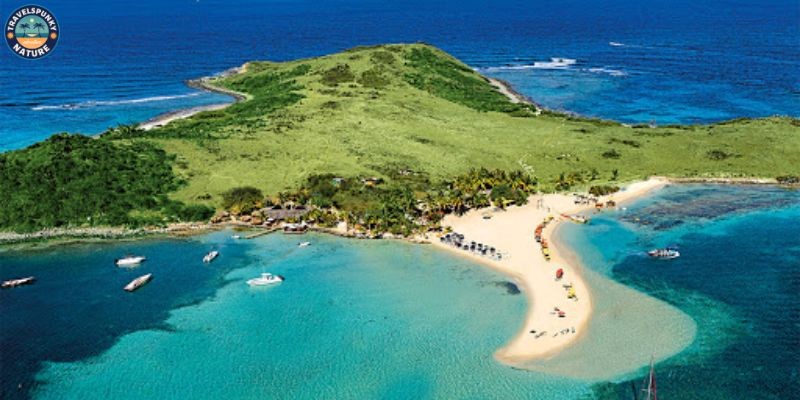
A small, uninhabited islet off the coast of French St. Martin, Pinel, known locally as Îlet Pinel, is reachable only by boat and has no cars or permanent residents, just calm shallow water, a couple of beach restaurants, and good snorkeling in the surrounding marine reserve. It works well as a half-day trip rather than a full stay.
Best time to visit: December to April, and go early in the day before boat traffic picks up.
Ideal trip length: Half a day, as part of a longer St. Martin stay.
Budget level: Low for the boat crossing, though beach restaurant prices run higher than the mainland.
Best for: Couples wanting a quiet half-day beach escape
Good to know: Boats to Pinel leave from Cul-de-Sac on St. Martin, a short crossing of around 10 minutes. Princess Juliana International Airport on the Dutch side of the island is the main gateway; plan on 30 to 45 minutes by taxi or boat transfer to reach Cul-de-Sac.
Planning your trip: currency, language, and best time to go
These 18 islands span several different nations and territories, so practical details vary more than on a typical single-country trip. Currencies include the US dollar (Puerto Rico, USVI, Turks and Caicos, Bahamas informally alongside its own dollar), the euro (Martinique), the East Caribbean dollar (Grenada, Dominica, Antigua, St. Lucia, Trinidad and Tobago uses its own dollar), the Aruban florin, the Netherlands Antillean guilder (Curaçao), the US dollar (Bonaire), the Cayman Islands dollar, and the Bahamian dollar, so it’s worth checking the specific currency for each island before you go. Languages range from English and French to Dutch and Spanish, depending on the island’s colonial history.
Overall best time to visit the Caribbean: December to April is the dry season across most of the region, bringing the most reliable weather, but it’s also the busiest and most expensive time to travel, so book flights and hotels well ahead if traveling over the winter holidays. May and early June, and November, offer a shoulder-season middle ground with fewer crowds and lower prices, while still mostly avoiding peak storm risk.
Hurricane season: Runs June through November, peaking mid-August through October. Islands in the southern Caribbean, including Aruba, Curaçao, Bonaire, and Grenada, sit outside or at the edge of the main hurricane belt and see far less storm activity, which makes them safer bets if you’re traveling in summer or early autumn.
Packing note: Reef-safe sunscreen is required by law on some islands (including Aruba and parts of the Dutch Caribbean) to protect coral reefs, so check before you pack.
Which Caribbean island suits your trip?
With 18 islands to choose from, here’s a quick way to narrow it down by who you’re traveling with:
For romance and honeymoons: St. Lucia, Turks and Caicos, Grenada, and Pinel Island all lean toward quiet, couple-friendly settings over big resort crowds.
For families: The Bahamas, Aruba, and the Cayman Islands offer calm water, easy logistics, and plenty of kid-friendly activities alongside the beach time.
For nightlife and groups: Jamaica and Barbados have the liveliest scenes, from Montego Bay’s nightlife to Barbados’s Crop Over festival.
For adventure and nature: Dominica and Martinique reward hikers and outdoor travelers more than pure beach-seekers, with waterfalls, rainforest, and volcanic landscapes as the main draw.
For diving and snorkeling: Bonaire, Curaçao, and the Cayman Islands are the strongest picks, with Bonaire in particular built around shore diving.
For sailing: The British Virgin Islands and Antigua are the two most established sailing destinations in the Caribbean, thanks to calm, protected waters and a strong charter industry.
For culture and festivals: Trinidad and Tobago (Carnival), Curaçao, and Martinique offer the deepest cultural layering of history, food, and language.
For an easy add-on day trip: Saona Island and Pinel Island work best paired with a longer stay elsewhere in the Dominican Republic or St. Martin, rather than as standalone destinations.
Choosing the right Caribbean island for your trip
From Dominica’s rainforest trails to Aruba’s dependable sunshine and Puerto Rico’s rainforest-to-city range, the Caribbean’s 700-plus islands offer far more variety than “beach holiday” usually implies. Matching the right island to your travel style and travel dates, whether that’s active and adventurous or purely restful, dry season or shoulder season, makes all the difference in planning a trip you’ll actually want to repeat.
Prices, travel times, and entry requirements are accurate at the time of writing and can change. Always confirm current details with official tourism boards before you travel.
FAQs About Visiting the Caribbean Islands
1. Do I need a visa to visit these Caribbean islands?
It depends on your nationality and the specific island or territory. French islands like Martinique follow EU/Schengen-adjacent rules for some visitors, Puerto Rico and the US Virgin Islands follow US entry rules, and independent nations like Jamaica, Grenada, Dominica, Barbados, Trinidad and Tobago, and Antigua and Barbuda set their own visa policies. Always check requirements for your passport before booking.
2. Is Dominica the same as the Dominican Republic?
No, they are two entirely different countries. Dominica is a small English-speaking island nation in the Eastern Caribbean. The Dominican Republic is a much larger, Spanish-speaking country sharing the island of Hispaniola with Haiti, well over 300 miles away. The similar names are a common source of confusion when planning a trip.
3. What is the best way to island-hop in the Caribbean?
Regional airlines connect many of the islands, and ferries link others, especially in the French and Dutch Caribbean (like St. Martin to Îlet Pinel or Anguilla) and between the US and British Virgin Islands. Flights between islands are often shorter than the connections through a US or European hub, but schedules can be limited, so book with some flexibility.
4. Which Caribbean islands are safest from hurricanes?
Aruba, Curaçao, and Bonaire (known together as the ABC islands) sit outside the main hurricane belt and see very little storm activity. Grenada, at the southern edge of the Windward Islands, also sees comparatively fewer direct hits than islands further north.
5. Is the Caribbean safe for tourists?
Millions of tourists visit the Caribbean each year, and popular resort areas generally have a strong safety record. As with travel anywhere, it’s sensible to use standard precautions with valuables and to check current government travel advisories for the specific island before you go.
6. What currency should I bring?
This varies significantly by island. US dollars are widely accepted for tourist transactions on many islands even where they’re not the official currency, but it’s best to carry or have access to the local currency for smaller purchases and local businesses.
7. Which is the best Caribbean island for a holiday?
It depends on your priorities. Aruba and the Cayman Islands suit easy beach trips, St. Lucia and Turks and Caicos suit romance, Jamaica and Barbados suit nightlife, and Puerto Rico is the simplest option for US travelers.


