India is too big for one trip. The far northeast sits closer to Bangkok than to Delhi, so a first trip works best as one region done well, not the whole map done in a rush.
This guide lists the twelve places we would build a trip around, mixing the famous sights with four quieter corners. Prices are given in rupees, with foreign visitor fees, and every permit rule is flagged where it applies.
At a glance
| No. | Place | State or region | Best months | Known for |
|---|---|---|---|---|
| 1 | Agra and the Taj Mahal | Uttar Pradesh | October to March | The Taj Mahal at sunrise |
| 2 | Jaipur | Rajasthan | October to March | Amber Fort and the Pink City bazaars |
| 3 | Varanasi | Uttar Pradesh | October to March | The ghats, the Ganga Aarti and sunrise boats |
| 4 | Udaipur | Rajasthan | October to March | Lake Pichola and the City Palace |
| 5 | Goa | Goa | November to February | Beaches and the churches of Old Goa |
| 6 | The Kerala Backwaters | Kerala | October to March | Houseboats from Alleppey |
| 7 | Hampi | Karnataka | October to February | The Vijayanagara ruins and the stone chariot |
| 8 | Ladakh | Ladakh | May to September | Leh, high passes and Pangong Lake |
| 9 | Spiti Valley | Himachal Pradesh | June to September | Key Monastery and the high villages |
| 10 | Ziro Valley | Arunachal Pradesh | March to October | Apatani villages and the music festival |
| 11 | Majuli Island | Assam | October to March | Satras and river island life |
| 12 | Mawlynnong | Meghalaya | October to April | The cleanest village and the Riwai root bridge |
1. Agra and the Taj Mahal
The Taj Mahal is the building India is known for, a white marble mausoleum on the bank of the Yamuna River in Agra. The Mughal emperor Shah Jahan built it in the 1600s for his wife Mumtaz Mahal, and it is now a UNESCO World Heritage Site. The classic visit is at sunrise, before the crowds build. Agra Fort, the red sandstone palace city of the Mughal emperors, stands a short drive away.
How to reach it: Agra is one of the easiest stops in India. Trains from Delhi take about two hours, and the drive on the Yamuna Expressway takes about three to four hours. Many visitors come as a day trip, though one night in Agra makes the sunrise visit far easier.
Best months: October to March, when the air is cool and clear. April to June is fiercely hot.
Good to know: Entry for foreign visitors costs about 1,100 rupees, plus about 200 rupees for the main mausoleum. Children under 15 enter free. The Taj Mahal is closed every Friday. Gates open about 30 minutes before sunrise, and tickets are sold on the official ASI portal.
The honest catch: Crowds build fast after mid morning, and in December and January the famous sunrise can be hidden by fog. Arrive at opening time.
2. Jaipur
Jaipur is the capital of Rajasthan and the third corner of the classic Golden Triangle with Delhi and Agra. Its old city was painted a warm terracotta pink, which gave it its name, the Pink City. Above the city stands Amber Fort, a great hilltop palace. Inside the old walls sit the Hawa Mahal, the City Palace and Jantar Mantar, a UNESCO listed open air observatory. The bazaars around them sell textiles, jewellery and block printed cloth.
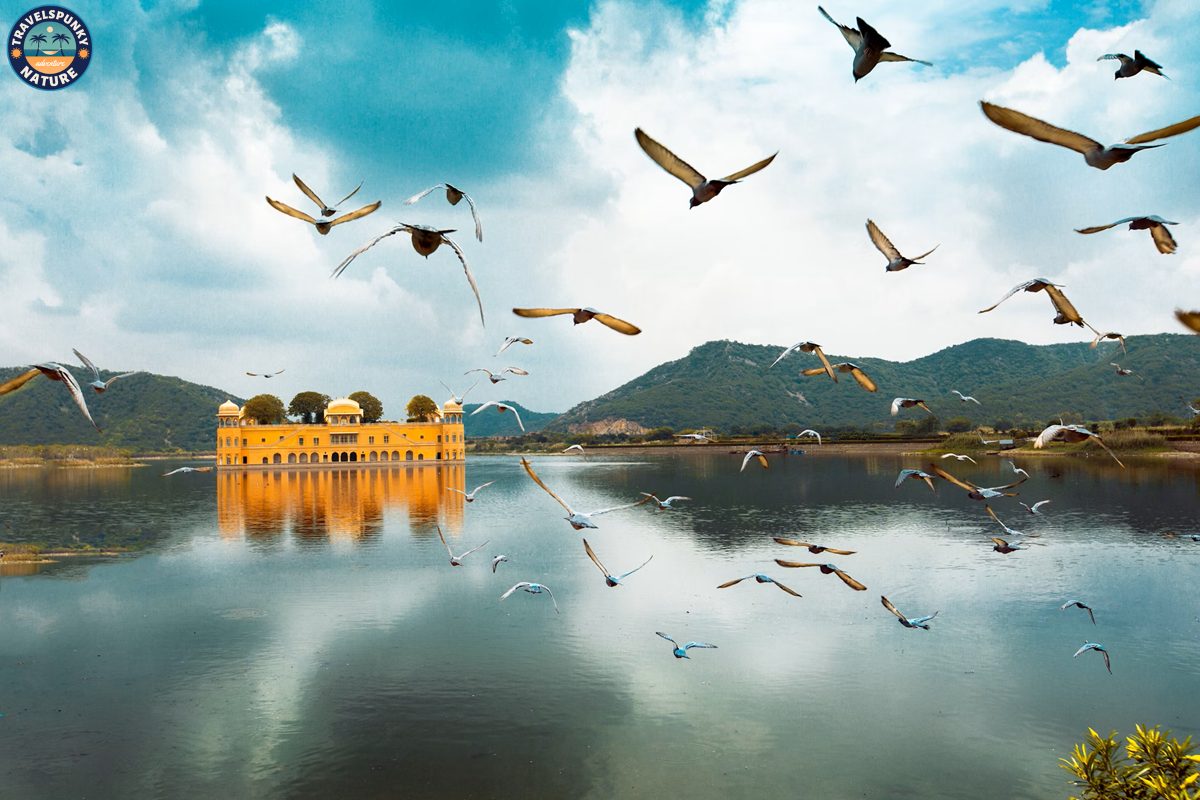
How to reach it: Jaipur has its own international airport. From Delhi it is about four to five hours by train, or about five to six hours by road.
Best months: October to March. The desert heat from April onwards makes fort climbing a morning only activity.
Good to know: Rajasthan raised its monument fees on 1 January 2026, so older guides quote prices that are now too low. Amber Fort costs about 1,000 rupees for a foreign adult. A two day composite ticket at about 1,700 rupees covers Amber Fort, Hawa Mahal, Jantar Mantar, Nahargarh Fort and the Albert Hall Museum, and it pays for itself if you visit three or more of them. The City Palace is run separately and is not on that ticket.
The honest catch: The sights are spread out, and Amber Fort is very busy by late morning. Start at the fort when it opens at about 8 AM.
3. Varanasi
Varanasi is one of the oldest living cities in the world, and the holiest city in Hinduism. It stands on the west bank of the Ganga in Uttar Pradesh, where more than 80 stone ghats step down to the river. Pilgrims bathe at dawn, and every evening the Ganga Aarti fills Dashashwamedh Ghat with fire, drums and bells. The Kashi Vishwanath Temple, one of the twelve Jyotirlinga shrines of Shiva, connects to the river through a stone corridor opened in 2021.
How to reach it: Varanasi has an airport with flights from Delhi and other big cities. Trains from Delhi take about 8 to 12 hours, many of them overnight.
Best months: October to March, when dawn on the river is cool and often misty. Summer is very hot, and the monsoon changes the river completely.
Good to know: The Ganga Aarti is free to watch from the steps and runs for about 45 minutes, starting at around 6 PM in winter and 7 PM in summer. A sunrise boat ride is the other classic. Shared boats cost from about 150 rupees per person, and a private rowing boat costs roughly 800 to 2,000 rupees for an hour, so agree the full price before you board. Phones and cameras are not allowed inside the Kashi Vishwanath Temple.
The honest catch: Varanasi is intense. The old city lanes are crowded, and from July to September the river can flood the lower ghats, when boat rides stop and the aarti may be moved or shortened.
4. Udaipur
Udaipur is the gentlest of Rajasthan’s great cities, built around Lake Pichola in the Aravalli hills. The City Palace, the largest palace complex in Rajasthan, rises above the east bank, added to over about 400 years. On the lake itself float the Lake Palace, now a hotel, and Jag Mandir island. The old city is a tangle of lanes, ghats and rooftop cafes, and most visitors find it the most relaxing stop on a Rajasthan route.
How to reach it: Udaipur has an airport with flights from Delhi, Mumbai and Jaipur. Overnight trains and buses connect it with Jaipur and Ahmedabad.
Best months: October to March, when the lake is full after the monsoon and the days are mild.
Good to know: The City Palace Museum entry costs about 400 rupees for an adult, and the palace stays open into the evening. Boat rides on Lake Pichola leave from the palace jetty and cost about 600 rupees, and about 800 rupees for the sunset trip, with a stop at Jag Mandir island. Palace and boat prices change often, so read the counter boards on the day.
The honest catch: Udaipur is often rushed as a one night stop. It deserves two nights. Its pleasure is slow, an early walk by the lake, a long palace visit and a sunset on the water.
5. Goa
Goa is India’s beach state, a strip Portugal ruled for about 450 years, until 1961. It is really two holidays in one. North Goa, around Baga, Anjuna and Vagator, is lively, with beach shacks, markets and nightlife. South Goa, around Palolem and Agonda, is quiet, with wide, quiet beaches. In Old Goa, the Basilica of Bom Jesus and Se Cathedral form part of a UNESCO World Heritage Site, and the basilica holds the remains of St Francis Xavier.
How to reach it: Goa has two airports, Dabolim in the south and Manohar International at Mopa in the north, about 60 km apart, so check which one your flight uses. Trains on the Konkan Railway stop at Thivim for the north and Madgaon for the south.
Best months: November to February, with dry sunny days and every shack open. October and March are warm and quieter.
Good to know: Entry to the Basilica of Bom Jesus is free, and visitors should dress modestly inside. In the monsoon, from June to September, many beach shacks close and swimming in the sea is unsafe, so a monsoon trip is green and quiet, not a beach trip.
The honest catch: Christmas and New Year are the busiest and most expensive weeks of the Goan year, with prices to match. Book months ahead for those dates, or choose any other week of the season.
6. The Kerala Backwaters
The backwaters are a chain of canals, rivers and lakes that runs along the Kerala coast, centred on wide Vembanad Lake. The way to see them is from a houseboat, a converted rice barge with a small crew and a kitchen. Alleppey, also called Alappuzha, is the main hub, where hundreds of boats tie up. Kumarakom, on the other side of the lake, is the quieter base. Days drift past paddy fields that lie below sea level, village landings and working boats of every kind.
How to reach it: Fly to Kochi, then drive about one and a half to two hours south to Alleppey. Trains run from Kochi to Alappuzha station too.
Best months: October to March, when the air is cooler and drier. The monsoon months are lush and green, though boats still run in the rain.
Good to know: A private one bedroom houseboat for one night starts at about 7,000 to 10,000 rupees, with all meals included, and peak season in December and January costs more. Boats check in at about midday, cruise through the afternoon and anchor for the night, because houseboats do not cruise after dark. A day cruise is the cheaper option if you do not want to sleep on board.
The honest catch: Two boats at the same price can be very different in condition. Look at recent reviews and photos of the exact boat you are booking, not just the category name, and confirm the air conditioning hours before you pay.
7. Hampi
Hampi, in Karnataka, is the ruined capital of Vijayanagara, one of the great empires of Indian history. Its temples, palaces and markets spread across a beautiful landscape of giant boulders and banana groves along the Tungabhadra River. The Vittala Temple holds the stone chariot, printed on the 50 rupee note, and halls of carved pillars. The Virupaksha Temple at the centre is not a ruin at all, but a working temple that has drawn pilgrims for centuries. The whole site is a UNESCO World Heritage Site.
How to reach it: The nearest railhead is Hospet, about 13 km away, with overnight trains and buses from Bengaluru and Hyderabad. From Hospet, auto rickshaws and local buses run into Hampi village.
Best months: October to February. From March the heat among the rocks is punishing.
Good to know: Most of Hampi is free. One ASI ticket, about 600 rupees for foreign visitors and 40 rupees for Indian visitors, covers the Vittala Temple and the Zenana Enclosure (Lotus Mahal and Elephant Stables) on the same day. Children under 15 enter free, so keep the ticket safe until the last site.
The honest catch: The ruins cover a wide area with little shade, and no single walk joins them all. Hire a bicycle or an auto rickshaw by the day, carry water, and give Hampi at least two full days.
8. Ladakh
Ladakh is a high altitude desert in the Himalaya. Its capital, Leh, is a small town of whitewashed houses and monasteries at about 3,500 metres. The classic trips run out from Leh. One climbs over Khardung La, among the highest motorable passes in the world, into the Nubra Valley. Another winds east to Pangong Lake, a long blue lake that stretches towards Tibet. Monasteries such as Thiksey and Hemis sit on the hillsides between them.
How to reach it: Most visitors fly from Delhi to Leh, a short flight over the Himalaya. The roads in, from Manali and from Srinagar, are long mountain drives that open only in the warmer months.
Best months: May to September, when the roads are open and the days are mild. Winter is bitterly cold, and many hotels close.
Good to know: Altitude is the real planning issue in Ladakh. The district administration asks every visitor to spend at least 48 hours in Leh before going to higher places like Pangong Lake or Khardung La. Foreign visitors need a Protected Area Permit for areas like Nubra and Pangong, arranged through a registered travel agent in Leh, with total permit and fee costs of about 600 to 1,000 rupees. Indian visitors pay an environment fee of about 400 rupees online and need no permit.
The honest catch: Ladakh is a sensitive border region, and road openings and permit rules can change at short notice, so confirm both close to your travel dates. Prepaid SIM cards bought outside Ladakh do not work there, so sort your phone plans before you land.
9. Spiti Valley
Spiti is a cold desert valley in Himachal Pradesh, on the old road towards Tibet. Its main town, Kaza, sits at about 3,650 metres on the Spiti River. Key Monastery, a fortress of whitewashed rooms on a hill about 12 km from Kaza, is the valley’s heart and a working home for monks. Day trips reach Kibber, Langza and Hikkim villages, and Chandratal lake in season.
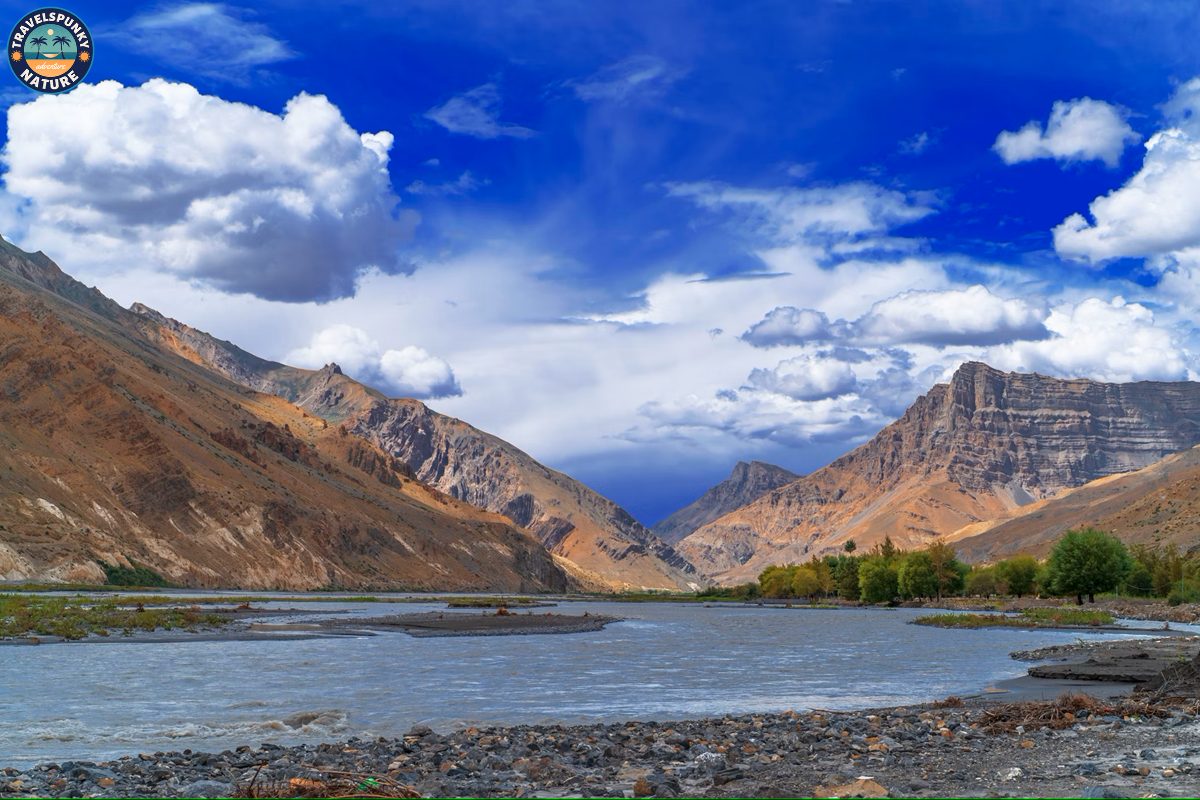
How to reach it: There are two roads in and no airport or railway. From Shimla through Kinnaur is about 420 km, open most of the year, and it climbs slowly. From Manali over Kunzum Pass is about 200 km, but that road opens only from about June to mid October. Many travellers do the full circuit, in one way and out the other.
Best months: June to September, when both roads are open. Winter is extreme.
Good to know: Key Monastery stands at about 4,166 metres and is the largest monastery in Spiti, so go in the morning when the prayer hall is active. Foreign visitors need an Inner Line Permit for the border stretch of the Shimla road through Kinnaur, so confirm the current permit rules before you travel.
The honest catch: The drives are long, the facilities outside Kaza are basic, and phone signal is patchy. Budget at least a week for the circuit, and take a full rest day when you reach Kaza.
10. Ziro Valley
Ziro is a flat bowl of rice fields at about 1,500 metres in Arunachal Pradesh, in India’s far northeast. It is the home of the Apatani people, known for farming fish in the same flooded fields as their rice. Every September, the Ziro Festival of Music brings four days of independent music to stages at the edge of the paddies.
How to reach it: Fly to Donyi Polo Airport near Itanagar, then drive about four hours to Ziro. Or take the overnight train from Guwahati to Naharlagun and drive about three to four hours. The journey is part of the trip, so do not plan a tight connection.
Best months: March to October is the green season. Late September is festival time, and the weeks after it bring golden fields and clear days.
Good to know: Arunachal Pradesh is a permit state, and the paperwork comes before the packing. Indian visitors need an Inner Line Permit, issued online as an e-ILP. Foreign visitors need a Protected Area Permit, arranged in advance through a registered tour operator, with a state royalty of about 30 US dollars. The 2026 festival ran from 24 to 27 September, and rooms and cars sell out early for that week.
The honest catch: Ziro takes real effort to reach. Outside the festival the valley is very quiet. That quiet is exactly what most visitors come for.
11. Majuli Island
Majuli is a large island in the middle of the Brahmaputra River in Assam, and Guinness World Records lists it as the largest river island in the world. For about 500 years it has been the heart of Assamese Vaishnavite culture. Its satras, monasteries founded in the tradition of the saint Srimanta Sankardeva, are communities where monks chant, dance and make theatre as worship. Samaguri Satra is famous for mask making, a craft that received a Geographical Indication tag in 2024.
How to reach it: There is still no bridge to Majuli, so the ferry is the way in, and it is half the experience. Reach Jorhat by flight or train, drive about 30 minutes to Nimati Ghat, and take the ferry to Kamalabari, a crossing of about one to one and a half hours. A road bridge is under construction, but it is not open yet.
Best months: October to March, when the river is calmer, and the island’s Raas festival season falls in November.
Good to know: About 22 satras survive, of the roughly 65 the island once held. They are working monasteries, not museums, so dress modestly and ask before taking photographs inside. Ferries run several times a day, but timings shift with the river level, so confirm the day’s crossings at the ghat or with your stay, not from an old timetable.
The honest catch: The island is shrinking. Erosion has taken a large share of Majuli’s land over the past few decades, and in the monsoon, from June to September, floods often suspend the ferries altogether. Do not plan a tight same day return.
12. Mawlynnong
Mawlynnong is a small Khasi village in the East Khasi Hills of Meghalaya, close to the Bangladesh border. The travel magazine Discover India named it the cleanest village in Asia in 2003, and the village has worked to deserve the title ever since. Its lanes are swept and flower filled, and bamboo dustbins stand everywhere. A few minutes away at Riwai, a living root bridge crosses a forest stream, grown from the roots of a rubber fig tree. It is the easiest root bridge to reach in Meghalaya.
How to reach it: Mawlynnong is about 80 to 90 km from Shillong, a drive of about two and a half to three hours via Pynursla. Most visitors come as a day trip from Shillong and pair it with Dawki, about an hour further on, where boats ride the clear water of the Umngot River.
Best months: October to April, when the gardens are at their best. The monsoon turns everything green, but paths and steps get slippery.
Good to know: Plan the day of the week, not just the month. Since January 2026 the village council does not admit day visitors on Sundays, because most residents spend the day at church. Guests staying overnight in homestays are not affected.
The honest catch: Mawlynnong is a village, not a theme park. An hour or two covers its lanes, and the root bridge and Dawki fill the rest of the day. Go early from Shillong, because the lanes fill up by midday.
Best time to visit India
For most of the country, October to February is the kind season. The northern plains are cool and dry, the Taj Mahal and the Rajasthan forts are at their best. It is also peak season, so book ahead.
March to May is the hot season. The plains get very hot, and sightseeing becomes a dawn and evening activity. From June to September the monsoon brings heavy rain to most of India. The coasts and the northeast get very wet, ferries and boats can stop. The exceptions are Ladakh and Spiti, which sit in the rain shadow of the Himalaya and have their main season then.
Pick the region first, then the month, because no single month suits all twelve places in this guide.
How to reach India and getting around
Visas: Most visitors need a visa arranged before travel, and there is no visa on arrival for tourists. Citizens of more than 165 countries can use the e-Tourist Visa, in 30 day, one year and five year versions. Apply only on the official government site, indianvisaonline.gov.in, between 120 days and at least 4 days before you arrive. Foreign visitors also complete a free online e-Arrival Card in the 72 hours before landing. Copycat sites charge extra for the same form.
Flights inside India: Delhi to Kochi is a flight of about three and a half hours. Domestic flights link the big metros with smaller cities such as Jaipur, Udaipur, Kochi and Leh. Choose the airport nearest your base, because in places like Goa the wrong airport adds hours of driving.
Trains: Trains are the classic way to move between the northern sights. Delhi, Agra and Jaipur link in a few hours, and overnight trains save a hotel night on longer runs. Book on the official IRCTC site or app, and book ahead, because popular trains sell out weeks in advance in the October to February season.
Getting around locally: Metro systems in Delhi and other big cities beat the traffic, and app based taxis and auto rickshaws cover the rest. For mountain regions such as Ladakh, Spiti and the northeast, shared taxis and hired cars with local drivers are the normal way to travel.
FAQs
1. How many days do you need for a first trip to India?
Ten to fourteen days suits one region well. A classic first route is Delhi, Agra and Jaipur in about a week, with Varanasi or Udaipur added if you have longer. Adding the south or the mountains to the same short trip turns the holiday into a series of airports.
2. What is the best month to visit India?
November to February is the best window for most of the country, for the Taj Mahal, Rajasthan and Goa. The Himalaya plays by different rules, because Ladakh and Spiti are summer destinations, best from May or June to September.
3. Do I need a visa to visit India?
Almost every foreign visitor needs a visa before travel. Most nationalities can apply for an e-Tourist Visa on the official site, indianvisaonline.gov.in, between 120 days and at least 4 days before arrival. There is no tourist visa on arrival.
4. How much does it cost to visit the Taj Mahal?
Foreign visitors pay about 1,100 rupees for entry, plus about 200 rupees for the main mausoleum. Indian visitors pay about 50 rupees plus the same mausoleum charge, and children under 15 enter free. The Taj Mahal is closed on Fridays, and sunrise is the best time to go.
5. Which places in this guide need permits?
Three of them. Arunachal Pradesh needs an Inner Line Permit for Indian visitors and a Protected Area Permit for foreign visitors. In Ladakh, foreign visitors need a Protected Area Permit for areas like Nubra and Pangong. In Spiti, foreign visitors need an Inner Line Permit for the Kinnaur stretch of the Shimla road. The other nine places need no permit.
6. Is it better to book trains and houseboats in advance?
Yes, for anything in the October to February season. Popular trains sell out, Kerala houseboats in December and January are booked weeks ahead, and rooms in Ziro go early for the September music festival. Outside that season, far less booking ahead is needed.
Researched and verified: November 2026. This guide is research-based, compiled from official visitor information, maps and traveller reports. Prices, hours and permit rules change, so confirm them locally before travelling.