Panama is a narrow country with two oceans, and its landmarks follow that shape. One trip can take in the locks of the Panama Canal, a colonial old town rebuilt after a pirate attack, Caribbean islands run by the Guna people, and coffee farms on the slopes of the country’s highest volcano.
This guide lists the eleven landmarks that matter most on a first trip, with what each one costs, how to reach it and where it falls short. Panama City holds the first six, so the capital makes an easy start. Prices are in US dollars, the everyday currency in Panama alongside the balboa, which matches the dollar one to one.
At a glance
| No. | Landmark | Where | Best for | Known for |
|---|---|---|---|---|
| 1 | The Panama Canal and Miraflores Locks | Panama City | The classic first stop | Watching giant ships rise and fall in the locks |
| 2 | Casco Viejo | Panama City | Colonial streets | The old town rebuilt after Morgan’s attack |
| 3 | Panamá Viejo | Panama City | Ruins and history | The first European city on the Pacific coast |
| 4 | The Biomuseo and the Amador Causeway | Panama City | Design and sea views | Frank Gehry’s museum of the isthmus story |
| 5 | Ancon Hill and Metropolitan Natural Park | Panama City | Views and easy nature | A giant flag above the city, and a forest inside it |
| 6 | Isla Taboga | Panama Bay, by ferry | An easy island day | The Island of Flowers, 30 minutes from the city |
| 7 | The San Blas Islands | Guna Yala, Caribbean coast | Island hopping | Some 365 small islands run by the Guna people |
| 8 | Bocas del Toro | Caribbean coast | Beaches and island life | Bocas Town and Red Frog Beach |
| 9 | Boquete and its coffee farms | Chiriquí highlands | Coffee and cool air | Geisha coffee grown on volcanic slopes |
| 10 | Volcán Barú | Near Boquete | A summit sunrise | The highest point in Panama, at 3,474 m |
| 11 | Coiba National Park | Pacific coast, via Santa Catalina | Snorkelling and diving | A UNESCO marine park that was a prison island |
1. The Panama Canal and Miraflores Locks
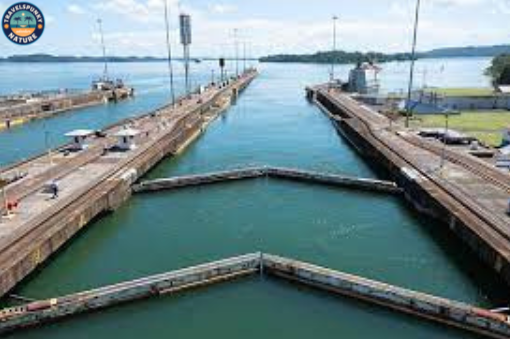
The Panama Canal is an 82 km waterway that lifts ships 26 m from one ocean, across Gatun Lake, and down to the other. It opened in 1914, an expansion with bigger locks opened in 2016, and the American Society of Civil Engineers counts it among the Seven Wonders of the Modern World.
Most visitors see it from the Miraflores Visitor Center, on the Pacific side near Panama City. Terraces look straight into the Miraflores Locks, a museum explains the building of the canal, and the ticket includes a 3D IMAX film. Ships pass in the morning, up to about 11:30 AM, and again from about 1:45 PM. The middle of the day is usually quiet, so time your visit for a transit window.

Cost: A non-resident adult pays $17.22, children aged 6 to 12 pay $7.22, and children under 6 enter free. Tickets are sold at the centre and online.
Opening hours: The centre opens daily from 8:00 AM to 6:00 PM, and the ticket office closes at 5:00 PM.
Going through the locks: Boat tours run a partial transit, sailing from the Amador Causeway through the Miraflores and Pedro Miguel locks and across part of Gatun Lake to Gamboa. They take about 4 to 6 hours on the water and cost about $145 to $220 per person.
The honest downside: The canal works to its own timetable, not yours. Tour departure times are confirmed only the day before, and a visit in the midday gap can mean an empty lock.
2. Casco Viejo
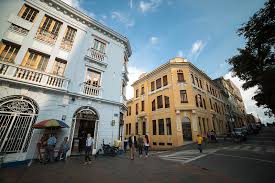
Casco Viejo, also called Casco Antiguo or San Felipe, is the old town Panama City moved to after Henry Morgan sacked the first city in 1671. It was founded in 1673 on a small peninsula, and UNESCO listed it in 1997, together with Panamá Viejo. Churches, plazas and balconied houses stand along its brick streets.
The sights are close together. The Metropolitan Cathedral faces the Plaza Mayor, the church of San José holds the famous Golden Altar, and the Plaza de Francia honours the French canal builders. The Interoceanic Canal Museum and the Museo de la Mola, devoted to Guna textile art, are the two museums to pick if time is short.
Cost: Walking the district is free. The churches are free to enter, and the museums charge modest entry fees.
The honest downside: Casco Viejo is small and popular. Weekend nights are loud and crowded, its restaurant prices run well above the rest of the city, and the streets just outside the old town are not ones to wander at night.
3. Panamá Viejo

Panamá Viejo is what is left of the first Panama City, founded on 15 August 1519 as the first permanent European settlement on the Pacific coast of the Americas. Gold and silver from Peru passed through it on the way to Spain, and in 1671 Henry Morgan’s pirates sacked and burned it.
Today the ruins form an archaeological park on the eastern side of the modern city. The stone tower of the old cathedral still stands, and you can climb it for views over the site and the bay. The Plaza Mayor Museum fills in the story, with finds from the settlement that came before the Spanish city.
Cost: A non-resident adult pays about $17, and the ticket covers the park, the museum, the cathedral tower and the internal shuttle.
Opening hours: The site opens Tuesday to Sunday from 8:30 AM to 5:30 PM, with the ticket office closing at 4:30 PM. It is closed on Mondays.
The honest downside: The ruins are spread out and the site has little shade, so it is hot work by late morning. Go early, and do not confuse it with Casco Viejo, a different place across the city.
4. The Biomuseo and the Amador Causeway

The Amador Causeway is a road built from rock dug out of the canal, linking the mainland to four small islands at the Pacific entrance of the waterway. It is the city’s seafront playground, used for cycling, walking and watching ships queue for the canal.
Halfway along it stands the Biomuseo, a museum in a building of folded, brightly coloured roofs designed by Frank Gehry, his only work in Latin America. Its galleries tell the story of how the isthmus rose from the sea about three million years ago, joined two continents and let their animals cross.

Cost: A non-resident adult pays about $20 for the Biomuseo, and the grounds and the first level are free. The Causeway is free at any hour.
Opening hours: The museum keeps short hours, roughly 9:00 AM to 3:00 PM on weekdays and from 10:00 AM on weekends, and it closes early, so check the day’s hours before you set out.
The honest downside: At $20 the Biomuseo is pricey by Panama standards, and most visitors are done in one to two hours. Pair it with a walk along the Causeway to make the trip worthwhile.
5. Ancon Hill and Metropolitan Natural Park

Ancon Hill is a 199 m hill inside Panama City, protected as a reserve and topped by a huge Panamanian flag. A single road climbs it, and from the top the whole city spreads out, the skyscrapers, Casco Viejo, the Causeway and the canal entrance. Sloths, toucans and tamarins live in its trees.
Next door, the Metropolitan Natural Park protects about 232 hectares of tropical forest inside the city limits, the only protected wild area of its kind in a Central American capital. Trails run through the forest to the Cerro Cedro viewpoint, and it is one of the easiest places in the country to see birds and monkeys.

Cost: Ancon Hill is free. The Metropolitan Natural Park charges about $5 for a foreign visitor, paid at the visitor centre.
Opening hours: Both are morning places. The park opens daily at about 7:00 AM, and Ancon Hill keeps daytime hours, so go early for the wildlife and the clearest views.
The honest downside: By midday both are hot and humid and the animals go quiet. Neither needs more than a couple of hours.
6. Isla Taboga
Taboga is a volcanic island in Panama Bay, about 20 km from the city, known as the Island of Flowers for its bougainvillea and hibiscus. It has one small town of narrow streets, a church founded in 1550 that counts among the oldest in the hemisphere, and two beaches within walking distance of the pier.
There is nothing much to do beyond swimming, eating grilled fish and walking the town, which is exactly the point. Weekends bring crowds of city families, and weekdays can feel almost empty.
Cost: Ferries cross from the Amador Causeway in about 30 minutes, and a round trip costs about $20 to $30 by operator. The island also charges a small visitor fee of about $1.
Worth knowing: Boats leave in the morning and the last return is in the late afternoon, so a day trip runs itself. Book ahead on weekends, and carry cash, because card machines on the island are unreliable.
The honest downside: The beaches are small, and the water is not the clear Caribbean water of San Blas or Bocas. Taboga is a break from the city, not a beach holiday.
7. The San Blas Islands, Guna Yala
The San Blas islands are an archipelago of some 365 small coral islands along the Caribbean coast, part of the Comarca Guna Yala, a self-governing territory of the Guna people. Only about 49 islands are lived on. The Guna set the rules, run the cabins and boats, and collect the entry fee, and there are no big resorts.
A visit means white sand, palm trees and clear shallow water, with snorkelling on the reefs and fresh fish and coconut rice for lunch. Most visitors come on a day tour from Panama City or stay one or two nights in a simple cabin on the sand. The cabins are basic, with shared bathrooms the norm, and that simplicity is part of the deal.
Cost: A day tour from Panama City costs about $110 to $150 per person, including the 4×4, the boat and lunch. Foreign visitors also pay the Guna Yala entry fee of about $22 in cash, which some tours include and others charge on top.
How to reach it: Tour 4x4s leave Panama City at about 5:00 AM and drive 2.5 to 3 hours on a winding mountain road to the port of Cartí, where boats fan out to the islands. Your passport is checked at the territory checkpoint, so carry the original.
The honest downside: The day trip is long, about 13 to 14 hours door to door, and the road makes some people carsick. There are no ATMs, and everything runs in cash in small bills.
8. Bocas del Toro

Bocas del Toro is an archipelago on the Caribbean coast near Costa Rica, and its base is Bocas Town, a waterfront town of colourful wooden houses on Isla Colón. Life runs on water taxis, bicycles and boats, and the days fill with beach trips, snorkelling and surf.
The standard boat day takes in Dolphin Bay, the snorkelling at Coral Cay and the starfish at Starfish Beach. On the next island, Bastimentos, Red Frog Beach is the famous strand, a sweep of sand behind the forest, named for the tiny red frogs that live in it.
Cost: Island boat tours cost about $25 to $35 per person for a day, water taxis between the close islands cost a few dollars a ride, and Red Frog Beach charges a small entry fee.
How to reach it: Air Panama flies from Albrook airport in Panama City to Isla Colón in about 1 hour, with one-way fares from about $80 booked ahead. The cheap route is an overnight bus to Almirante, about 10 hours and about $28 to $45, then a water taxi of about 30 minutes for about $6 to $8.
The honest downside: Bocas is far from everything else in this guide, and its rain does not follow the Pacific dry season, so a wet week is possible at almost any time of year.
9. Boquete and its coffee farms
Boquete is a small town at about 1,200 m in the Chiriquí highlands, in a green valley on the slopes of Volcán Barú. The cool air, flowers and coffee farms make it the highland stop on most Panama trips, and the town is used to visitors, with good cafés and tour offices on its main street.
The coffee is the headline. Boquete grows Geisha, the most prized coffee variety in the world, and a Boquete Geisha lot set a world auction record in 2025. Farm tours walk you through the plants, the picking and the roasting, and end with a tasting. Farms that welcome visitors include Finca Lérida, founded by an engineer who worked on the canal, and the Don Pachi Estate.
Cost: A small farm tour costs about $35 per person, and the bigger estates charge about $75 to $110 for their full experiences. Tastings are priced on top, so confirm what your tour includes.
Worth knowing: The coffee harvest runs roughly from November to March, when picking and processing are in full swing and the farms are at their most interesting.
The honest downside: Boquete is a long way from Panama City, about 6 to 7 hours by road, or a flight to David and an hour’s drive. Its weather also turns fast in the wet season.
10. Volcán Barú

Volcán Barú is a dormant volcano and, at 3,474 m, the highest point in Panama. On a clear morning its summit gives the country’s most famous view, the Pacific Ocean on one side and the Caribbean Sea on the other. The volcano and its cloud forest form a national park, home to resplendent quetzals.
Most visitors climb from Boquete. The walking route is about 27 km there and back on a rough track, with more than 2,000 m of climbing, and hikers set off at about midnight to reach the summit cross for sunrise. The easier option is a 4×4 tour, which drives the same track in the dark, at the price of a very rough ride.
Cost: The guided overnight hike costs about $90 to $120 per person, and a 4×4 sunrise tour about $125 to $175. Walking on your own is possible for a small park entry fee, but a guide is strongly recommended for a night climb.
The honest downside: This is a genuinely hard outing, by foot or by jeep, and the cold at the top surprises people in a tropical country. Cloud can also wipe out the two-ocean view completely.
11. Coiba National Park

Coiba is the largest island in Central America, sitting in the Gulf of Chiriquí off the Pacific coast, and the centre of a national park of 38 islands and a large marine reserve. UNESCO listed it in 2005. For most of the 20th century Coiba was a penal colony, closed to everyone else, and that dark history is a large part of why its forests and reefs survived untouched.
Today the park is one of the great snorkelling and diving sites of the eastern Pacific. The reefs hold turtles, reef sharks, rays and big schools of fish, and humpback whales pass from about July to October. Almost everyone visits on a day tour from the surf town of Santa Catalina.
Cost: A shared snorkelling day tour from Santa Catalina costs about $75 to $120 per person, including the boat, gear and lunch. The park fee is paid on top, $20 for a foreign visitor in cash.
How to reach it: Boats leave Santa Catalina in the morning and take about 1 to 1.5 hours each way. Santa Catalina itself is about 5 to 6 hours by road from Panama City, so sleep there the night before.
The honest downside: The crossing is open ocean and can be rough, and the whole day depends on the sea. There is no way to visit independently and no public ferry, so the tour price is simply the cost of going.
Best time to visit Panama’s landmarks
The Pacific side, Panama City, Taboga, Boquete and Coiba, runs on a clear calendar. The dry season lasts from about mid December to mid April, with sun, lower humidity and the best odds of a clear Barú summit. October and November are the wettest months on the Pacific side.
The Caribbean side plays by different rules. Bocas del Toro and San Blas get rain all year, with February, March, September and October often the driest months there. The canal works all year. If one window has to cover the whole country, choose February or March.
How to reach Panama, and getting around
Almost every trip starts in Panama City. Tocumen International Airport is a major hub with direct flights across the Americas and from Europe, and the city’s Metro, taxis and ride hailing make the capital easy to move around.
Domestic flights: Air Panama flies from Albrook airport, across the city from Tocumen, to Bocas del Toro, to David for Boquete and to a few San Blas airstrips. These flights save whole days, but book ahead, because the planes are small.
By bus: Long distance buses leave from the Albrook terminal. David is about 6 to 7 hours away, the Almirante bus for Bocas takes about 10 hours, and Santa Catalina is reached by bus to Soná and a second bus or taxi from there. Fares are low and the buses are air conditioned.
By car: The Pan-American Highway runs the length of the country, and driving is straightforward on the main roads. A car earns its keep in the highlands and around Santa Catalina, and earns nothing in Panama City.
Money: Panama uses US dollar bills and its own balboa coins at the same value. Cards work in the cities, but San Blas and the park gates run on cash, so carry small bills.
Where to base yourself for each landmark
Panama’s landmarks group into four bases.
| No. | Base | Landmarks it covers | Good to know |
|---|---|---|---|
| 1 | Panama City | The canal, Casco Viejo, Panamá Viejo, the Biomuseo, Ancon Hill, Taboga and San Blas day trips | Give the capital at least three days, and sleep in Casco Viejo for character |
| 2 | Bocas Town, Isla Colón | Bocas del Toro | Everything runs by water taxi from the town docks |
| 3 | Boquete | The coffee farms and Volcán Barú | The highland base, reached by a flight to David or a long bus ride |
| 4 | Santa Catalina | Coiba National Park | A small surf town, and the boats leave early, so arrive the day before |
FAQs
1. How do you visit the Panama Canal?
Two ways. Watch ships from the Miraflores Visitor Center, at $17.22 for a non-resident adult, in the morning and afternoon transit windows. Or sail through the locks yourself on a partial transit boat tour, at about $145 to $220 per person.
2. How many days do you need for these landmarks?
About ten days covers the list well. Give Panama City three days, Bocas del Toro three days, and Boquete two to three days, with a night in Santa Catalina if Coiba is on your list.
3. What does a San Blas trip cost?
A day tour from Panama City costs about $110 to $150 per person, and foreign visitors pay a Guna Yala entry fee of about $22 in cash on top unless the tour includes it.
4. When is the best time to visit Panama’s landmarks?
February and March, if one window has to be named. The Pacific side is in its dry season, the Caribbean side is near its driest, and Barú has its best chance of a clear morning.
5. Can you climb Volcán Barú without a tour?
You can walk the Boquete track on your own, and the park charges a small entry fee at the ranger post. For a midnight start on a rough track, though, a guide is strongly recommended.
6. Is Panama expensive to travel in?
Mid range by regional standards. The city sights are cheap or free, and the money goes on the tours, the canal transit boats, San Blas days and Coiba tours.
Researched and verified: November 2026. This guide is research-based, compiled from official visitor information, maps and traveller reports. Prices, hours and road conditions change, so confirm them locally before travelling.