Oahu is where most first trips to Hawaii land, and it packs more into one island than seems fair. One week here can hold a memorial over a sunken battleship, a crater hike above Waikiki and the most famous surf coast on earth.
This guide lists the eleven experiences that matter most, with what each one costs, how the booking works and where it falls short. Three of them now run on reservation systems that punish anyone who just turns up. If your trip pairs Oahu with the Big Island, our guide to the best things to do in Kona covers the other island.
At a glance
| No. | Experience | Where | Cost for an adult | Booking |
|---|---|---|---|---|
| 1 | Pearl Harbor and the USS Arizona Memorial | Pearl Harbor, west of Honolulu | Free program, $1 booking fee | Yes, 8 weeks ahead |
| 2 | Diamond Head | The edge of Waikiki | $5 entry, $10 parking | Yes, 30 days ahead |
| 3 | Waikiki Beach and a first surf lesson | Waikiki | Beach free, lessons about $90 to $100 | Book ahead |
| 4 | Hanauma Bay | East Honolulu | $25 for non-residents aged 13 and up | Yes, 2 days ahead |
| 5 | The North Shore surf beaches | North Shore | Free | No, arrive early |
| 6 | Laniakea turtles and Shark’s Cove | North Shore | Free | No, summer only for the cove |
| 7 | Kualoa Ranch | Windward coast | Tours from about $60 | Yes, tours sell out |
| 8 | Lanikai and Kailua | Windward coast | Free | No, parking rules apply |
| 9 | Manoa Falls | Manoa Valley, Honolulu | Free trail, $7 parking | No booking |
| 10 | Polynesian Cultural Center | Laie, North Shore | Packages from about $95 | Book ahead, closed Wed and Sun |
| 11 | Iolani Palace | Downtown Honolulu | Tours $28 to $34 | Book ahead, no same-day sales |
1. Pearl Harbor and the USS Arizona Memorial
Pearl Harbor is the one sight on Oahu that is not about the scenery. The white memorial stretches over the sunken battleship USS Arizona, where 1,177 of her crew died in the attack of 7 December 1941, and oil still rises from the wreck below. The visitor program runs about 45 minutes, a short film, then a Navy shuttle boat out to the memorial itself.
The visitor center and its two museums are free and need no booking. Three partner sites charge separately, the Battleship Missouri, the USS Bowfin submarine and the Pearl Harbor Aviation Museum.
Booking: The boat program is free, but every seat is reserved online at recreation.gov for a $1 booking fee per ticket. Tickets are released at 3 PM Hawaii time in two batches, eight weeks ahead and again the day before, and the popular times go within minutes in summer. Every person needs a ticket.
Bag rule: No bags are allowed inside the visitor center, not even small ones. Leave them at your hotel, or use the paid storage near the entrance.
The other sites: Adult tickets cost about $45 for the Battleship Missouri, about $26 for the Bowfin and about $30 for the Aviation Museum. A Passport to Pearl Harbor at about $100 bundles all three, and it never includes the Arizona boat.
The honest downside: This is a half day at least, and a full day if you add the paid sites. A standby list exists for the boat, but most people on it never get called, and the Navy cancels boats in high wind.
2. Diamond Head
Diamond Head, Leahi in Hawaiian, is the crater that ends every Waikiki postcard. The trail climbs from the crater floor up the inside wall, through a tunnel and a steep set of stairs, to a summit lookout at 760 feet. The round trip is 1.6 miles, and most people take 1.5 to 2 hours.
Booking: Non-residents must reserve a timed entry slot online at gostateparks.hawaii.gov, up to 30 days ahead. Entry costs $5 per person, parking inside the crater costs $10 per car, and payment is by card only. Hawaii residents with state ID enter and park free and need no reservation.
Hours: The park is open from 6 AM to 6 PM daily, and the last entry is at 4:30 PM. It closes only on Christmas Day and New Year’s Day.
The honest downside: There is almost no shade on the trail, and by mid-morning the climb is hot and the stairs are crowded. Book the earliest slot you can and carry water.
3. Waikiki Beach and a first surf lesson
Waikiki is about two miles of city beach broken into named stretches, and it is far better in the water than on the sand. The reef breaks off Waikiki roll in long and gentle, which is why this is where modern surfing grew up, around Duke Kahanamoku and the Waikiki beach boys.
The beach itself is free, with lifeguards, showers and rental stands along its length.
Cost: A group surf lesson runs about $90 to $100 per person for 90 minutes to two hours, board included. Private lessons cost more.
Worth knowing: Go early. The waves are smallest, the water is calmest and the beach is quietest in the first hours of the day, before the trade winds and the crowds build.
The honest downside: Waikiki is a resort strip, not a quiet beach. Parts of the sand are narrow, the water over the reef is shallow, and by midday the beginner breaks are crowded with other learners.
4. Hanauma Bay
Hanauma Bay is a flooded volcanic crater on the east side of Honolulu, protected as a nature preserve, and it is the easiest serious snorkeling on the island. You walk in from the sand and the reef starts at once, with turtles and clouds of reef fish in usually calm, clear water.
First-time visitors watch a short orientation video at the top. Stand only on sand, never on coral, and use reef-safe sunscreen, which is the only kind sold in Hawaii.
Booking: Non-residents reserve entry online at pros.hnl.info. Slots open at 7 AM Hawaii time exactly two days before the visit and can sell out within minutes. A share of entries is held for walk-ins, but it is a gamble, not a plan.
Cost: Entry costs $25 for non-residents aged 13 and up, plus a small online service fee. Children aged 12 and under enter free, and Hawaii residents and active military enter free with ID. Parking costs $3 in cash.
Hours: The preserve is open Wednesday to Sunday, with entry from 6:45 AM to 1:30 PM. It is closed every Monday and Tuesday, and everyone leaves by 4 PM.
The honest downside: The booking scramble is real, and the visit needs an early start. If the slots are gone, the free alternative is Shark’s Cove on the North Shore, in the calm summer months only.
5. The North Shore surf beaches
In winter the North Shore of Oahu becomes the center of the surfing world. Winter storms in the North Pacific send the swells, and the famous breaks wake up one by one. Waimea Bay is the headline act, the birthplace of big wave surfing in the 1950s, where winter wave faces reach about 30 feet. Its contest, the Eddie Aikau Big Wave Invitational, runs only on the rare day the bay holds waves with faces of about 40 feet, so it has run only a handful of times in forty years, most recently in December 2024.
A few minutes east, the Banzai Pipeline breaks over a shallow reef just off Ehukai Beach Park, close enough to watch from the sand. Sunset Beach, two miles of sand further east, holds another of the great winter breaks, and pro contests run at these beaches through the winter.
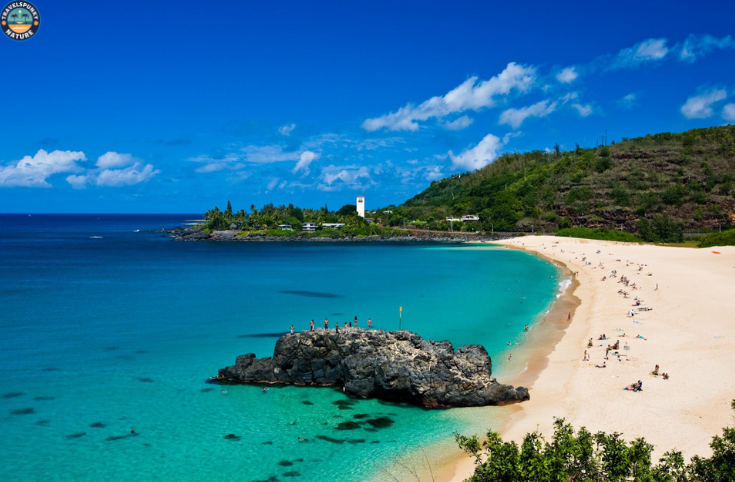
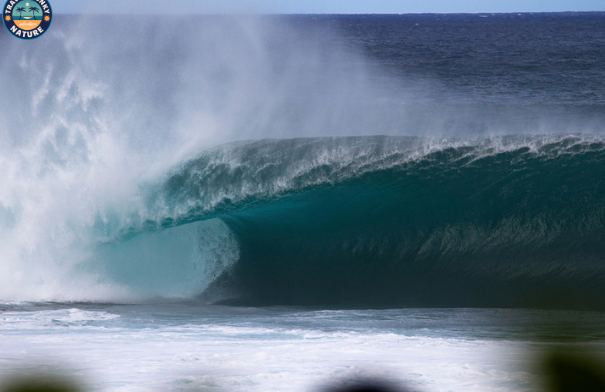
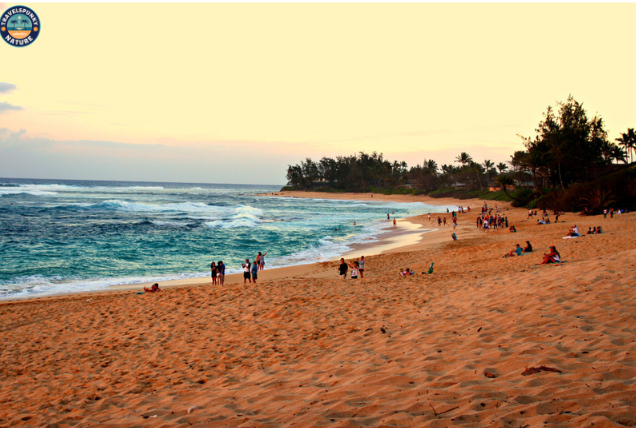
Season: The big surf runs roughly from November to April, and the largest swells usually land from December to February. From about May to October the same beaches are usually calm, and Waimea turns into a swimming bay.
Safety: In winter these are watching beaches for almost everyone. The shorebreak is powerful, the currents are strong, and even standing in the wash can knock a person down. Swim only where lifeguards are on duty.
The honest downside: On a big day the two-lane Kamehameha Highway slows to a crawl and the beach lots fill by mid-morning, so leave Waikiki early. And the Eddie cannot be planned around.
6. Laniakea turtles and Shark’s Cove
Summer flips the North Shore over. The surf goes flat, the water clears, and the coast becomes the island’s snorkeling side.
Laniakea Beach, nicknamed Turtle Beach, is where Hawaiian green sea turtles, honu, haul out to rest on the sand, most reliably from late morning into the afternoon. Volunteers are often on the beach to answer questions. Shark’s Cove, in Pupukea Beach Park, is a lava rock cove inside a marine life conservation district where fishing and taking anything are banned, which is why the reef is so full of fish. The name comes from the shape of the reef, not from sharks.
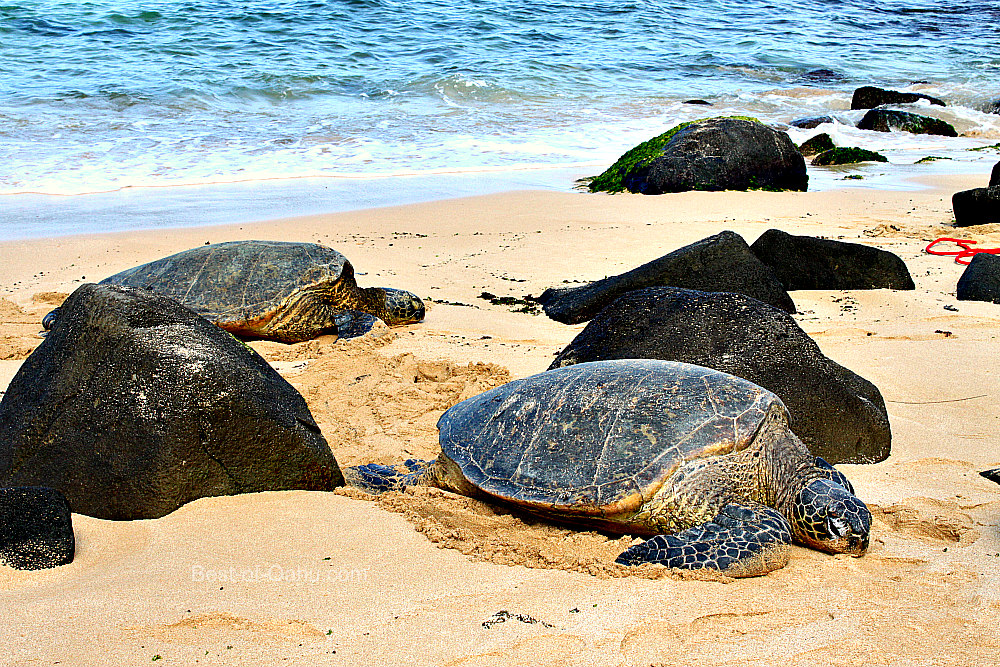
The turtle rule: Stay at least 10 feet from every turtle, on the sand and in the water. Never touch, feed or crowd one. They are protected by federal law, and the distance is a rule, not a courtesy.
Cost: Both stops are free and neither takes reservations. Parking is the catch, a small lot across the highway at Laniakea and a limited lot at Pupukea, and both fill early.
The honest downside: Shark’s Cove is a summer-only swim, roughly May to September. In winter the surf breaks over the rocks and the cove is genuinely dangerous. Its entry is over sharp lava rock even in summer, so water shoes earn their place. Turtles at Laniakea keep their own schedule, so a sighting is likely but never promised.
7. Kualoa Ranch
Kualoa is a 4,000-acre working cattle ranch and private nature reserve on the windward coast, and its Ka’a’awa Valley is the green valley you have seen on screen. Jurassic Park, Jurassic World, Godzilla and dozens of other films and shows were shot in this valley. There is no general admission, and no wandering on your own. Every visit is a booked, timed, guided tour.
Cost: The 90-minute Movie Sites and Ranch Tour, the classic first visit, costs about $60 per adult. The deeper Jurassic Adventure Tour costs about $150, and the adventure tours, UTV driving, horseback riding and the zipline, run about $150 to $200 per adult.
Booking: Tours sell out, and the UTV tours can go weeks ahead in busy months, so book early. Round-trip transport from Waikiki costs about $30 extra per person.
The honest downside: The ranch is about an hour from Waikiki, the tour prices add up fast for a family, and a single tour shows you one slice of the valley, not all of it. Pick the one tour you want most.
8. Lanikai and Kailua
The windward side of the island faces the sunrise and lives at a slower pace. Kailua Beach Park is a long, gentle beach with parking, restrooms and shady grass, good for swimming. A short walk south brings you to Lanikai, a residential beach of powder-soft sand and calm turquoise water, looking out at the two Mokulua islands.
Above Lanikai, the Kaiwa Ridge Trail, known to everyone as the Lanikai Pillbox hike, climbs steeply to two old concrete pillboxes on the ridge. It is a short, rough climb rather than a long hike, and one of the best sunrise spots on the island.
Parking: Since July 2026, parking is banned on Lanikai’s loop streets, and the ban is enforced. Park at Kailua Beach Park and walk about 10 to 20 minutes into Lanikai, or ride TheBus. Check the signs on the day.
The honest downside: Lanikai has no lifeguard, no restrooms and no showers, and it sits in front of people’s homes, so arrive early and keep the noise down. The pillbox trail is steep, eroded and muddy after rain.
9. Manoa Falls
Fifteen minutes from Waikiki, the Manoa Valley closes over you like a jungle. The Manoa Falls Trail runs 1.6 miles round trip through bamboo groves and banyan trees to a waterfall about 150 feet tall pouring down a green rock face. After rain it is a real cascade.
Cost: The trail is free and needs no reservation. Parking at the trailhead charges $7 per car, less for residents and military.
Worth knowing: Swimming in the pool below the falls is not allowed, because of falling rocks and bacteria in the water. The falls are a viewpoint, not a swim stop, and the flow depends on recent rain.
The honest downside: The trail is muddy for much of the year. Go after a rainy spell for the best falls and the worst mud, and accept the trade.
10. Polynesian Cultural Center
At Laie, on the North Shore, the Polynesian Cultural Center spreads 42 acres of island villages around a lagoon. Six cultures are presented by performers, many of them students at the neighboring Brigham Young University Hawaii, Hawaii, Samoa, Tahiti, Fiji, Tonga and Aotearoa, New Zealand. The day ends with Ha, Breath of Life, a large evening show of dance and fire.
Hours: The center is open on Monday, Tuesday, Thursday, Friday and Saturday, from about 12 PM to 9 PM. It is closed every Sunday and Wednesday, apart from a few summer and holiday Wednesdays, so check the calendar first.
Cost: Packages start at about $95 per adult for the villages alone, about $124 with the evening show, and about $198 for the Ali’i Luau package with dinner and better seats. Booking ahead online is usually cheaper than the gate.
Worth knowing: Village admission includes a pass to come back on up to three consecutive operating days, which softens the price.
The honest downside: It is a full day and a long drive, about 35 miles from Waikiki, and the top packages are pricey. Choose it for the culture, not as a filler.
11. Iolani Palace
In downtown Honolulu stands the only royal palace in the United States. Iolani Palace was completed in 1882 as the official residence of King Kalakaua, and it was home to his sister, Queen Lili’uokalani, until the Hawaiian monarchy was overthrown in 1893.
The palace grounds are free to walk, but the interior is seen on a tour only.
Tours: A self-led audio tour costs $28 per adult. A docent-led tour costs $34 per adult and runs on fewer days. Book online in advance, because same-day reservations are not accepted. Allow 60 to 90 minutes.
Hours: The palace is open Tuesday to Saturday, from 9 AM to 4 PM, and closed on Sundays and Mondays. Parts of the basement galleries are closed for renovation, so check ahead.
The honest downside: It is a quiet, indoor, history-first visit, a world away from the beach day around it. Visitors who come for exactly that will love it, and small children may not last the full tour.
Best time to visit Oahu
Oahu is warm all year, with daytime temperatures in the low to mid 80s Fahrenheit. The drier months run roughly from April to October, and the wetter months from November to March bring passing showers.
The season that really matters is the ocean’s. Come from December to February to watch the North Shore surf at its biggest, and from June to August for the calmest North Shore water. Waikiki’s own gentle surf runs all year and peaks in summer. April, May, September and October balance good weather with thinner crowds.
How to reach Oahu, and getting around
Flights land at Daniel K. Inouye International Airport, about 9 miles west of Waikiki. The drive to Waikiki takes about 25 to 40 minutes in normal traffic.
TheBus: The island’s public bus network reaches almost everything in this guide, including Pearl Harbor, Diamond Head, Hanauma Bay, Kailua and the North Shore. Cash costs $3.25 per ride with no transfer, so buy a HOLO card instead. On the card, a ride costs $3 with two hours of transfers, spending is capped at $7.50 a day, and the 3-day pass at $20 and the 7-day pass at $45 suit most visitors.
Waikiki Trolley: The hop-on, hop-off trolley lines loop around Waikiki and the Honolulu sights. Simpler than the bus for a first day, they cost more and do not reach the far side of the island.
Rental car: A car is the best tool for the North Shore, Kualoa Ranch and a circle-island day, and the worst tool for a Waikiki beach day, when it sits in an expensive hotel garage. Rent for the days you leave town, not the whole trip, and start North Shore days early.
Worth knowing: Honolulu’s Skyline rail reaches the airport area, but it does not reach Waikiki yet.
Where to stay on Oahu
Waikiki: Most visitors stay here, and for a first trip it is the right default. The beach, the restaurants and the bus routes are on your doorstep, and no car is needed. The price is noise, crowds and very expensive hotel parking.
Ala Moana and downtown: A slightly calmer base a short bus ride from Waikiki, handy for Iolani Palace and the museums, and often a little cheaper.
The North Shore: Staying near Haleiwa or the Turtle Bay area puts the surf beaches and the Polynesian Cultural Center close and Honolulu far away. Winter traffic on the single coast road is part of the deal.
Ko Olina: A planned resort area on the west coast with calm man-made lagoons, built for families who mostly stay on site. Pearl Harbor is its nearest big sight.
Kailua: A small-town windward base with very few hotels, so most stays here are vacation rentals. It is the quietest base in this list and the furthest from Pearl Harbor.
FAQs
1. What should I book first for Oahu?
Book in this order. The USS Arizona Memorial tickets come first, released eight weeks ahead and gone fastest. Diamond Head entry opens 30 days ahead. Hanauma Bay opens only two days ahead, so it is booked last but needs an alarm set for 7 AM Hawaii time.
2. How many days do you need on Oahu?
Four to five days covers this list. Give Pearl Harbor a morning, Waikiki and Diamond Head a day, the North Shore a full day, and the windward side a day. With only two or three days, drop the Polynesian Cultural Center or Kualoa Ranch rather than rushing both.
3. Can you see Oahu without a rental car?
Yes, for everything around Honolulu. TheBus reaches Pearl Harbor, Diamond Head, Hanauma Bay and Kailua from Waikiki, and a HOLO card caps a day of riding at $7.50. Rent a car for a day or two for the North Shore and Kualoa Ranch, where bus rides are long.
4. When can you swim on the North Shore?
Roughly from May to September, when the surf is small and Waimea Bay and Shark’s Cove turn calm. From November to April the same beaches are for watching, and getting in the water at the surf breaks is dangerous even for strong swimmers.
5. Is Pearl Harbor free to visit?
The visitor center, its museums and the boat program are free, with a $1 reservation fee per ticket at recreation.gov. The three partner sites charge separately, about $26 to $45 per adult, or about $100 for the Passport that bundles all three.
6. What is the best month to visit Oahu?
For balance, April, May, September or October. For big-wave watching, December to February. For the calmest North Shore water, June to August, which is also the busiest season on the island.
Researched and verified: November 2026. This guide is research-based, compiled from official visitor information, maps and traveller reports. Prices, hours and reservation rules change, so confirm them locally before travelling.