Victoria Falls, the smoke that thunders

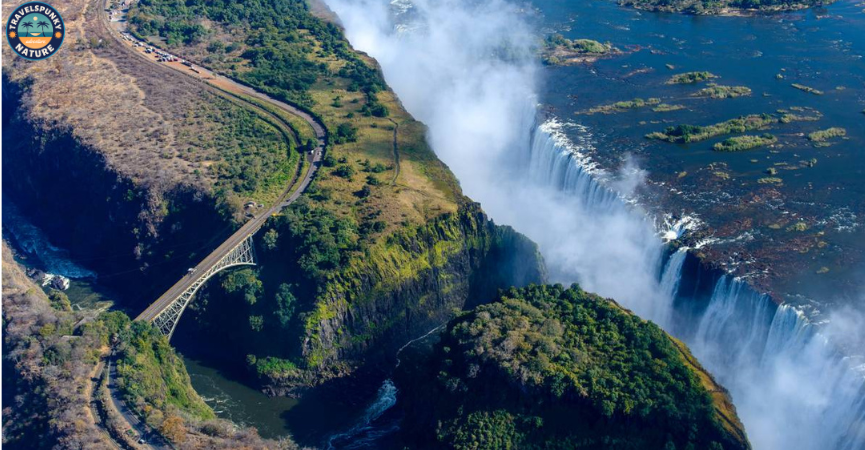
Victoria Falls is a waterfall on the Zambezi River, on the border between Zimbabwe and Zambia in southern Africa. Local people knew it long before any European saw it, and its best known local name, Mosi-oa-Tunya, means “the smoke that thunders” in the Lozi language, a name that describes the spray cloud and the roar exactly. The Tonga people call the falls Shungu Namutitima, which means “boiling water”. The Scottish missionary and explorer David Livingstone was the first European recorded to see the falls, in November 1855, from a small island at the lip of the falls that is now called Livingstone Island, and he named them in honour of Queen Victoria.
The falls are neither the tallest nor the widest waterfall in the world, and that is not the record they hold. The Zambezi pours over a basalt edge about 1,708 metres wide and up to 108 metres deep, in one unbroken drop, which UNESCO calls the largest curtain of falling water in the world. At peak flow, up to 500 million litres a minute go over the edge. The water falls in four named sections, Devil’s Cataract, Main Falls, Rainbow Falls and Eastern Cataract, and the spray can rise hundreds of metres and be seen from far away. UNESCO listed the falls as a World Heritage Site in 1989, shared between the two countries.
One honest warning before the list. This post used to promise free activities at Victoria Falls, and that promise was mostly wrong. Seeing the falls up close costs a park entry fee on both sides of the river, and the headline experiences, the Devil’s Pool swim and the sunset cruise, are paid trips. A few good things here really are free though, starting with the walk across the famous bridge, and we flag those clearly below.
At a glance
| No. | Experience | Where | Cost | Known for |
|---|---|---|---|---|
| 1 | Rainforest viewpoints | Victoria Falls National Park, Zimbabwe | Paid, US$58 park entry for international visitors | The classic front-on view, 16 viewpoints |
| 2 | Zambia side viewpoints | Mosi-oa-Tunya National Park, Zambia | Paid, about US$20 park entry | Knife-Edge Bridge, Eastern Cataract, Boiling Pot |
| 3 | Victoria Falls Bridge walk | Between the two border posts | Free, with a bridge pass | Gorge and rapids views, passport needed |
| 4 | Devil’s Pool | Livingstone Island, Zambia side | Paid, about US$150 to US$200 | A guided swim at the very lip of the falls |
| 5 | Sunset cruise | Upper Zambezi, both sides | Paid, about US$55 to US$85 | Two hours on the calm river above the falls |
| 6 | Helicopter flight | Both sides | Paid, about US$165 to US$195 plus fees | The Flight of Angels, 12 to 15 minutes |
| 7 | Bungee jump | Victoria Falls Bridge | Paid, about US$160 | A 111 metre jump over the gorge |
| 8 | White-water rafting | Batoka Gorge, below the falls | Paid, about US$150 to US$185 | Grade 4 and 5 rapids, best at low water |
1. Walk the rainforest viewpoints on the Zimbabwe side
The Zimbabwe side is where most visitors see the falls, because the rainforest path faces the main curtain of water head-on. About 3.5 kilometres of paths run through the rainforest opposite the falls, linking 16 viewpoints, from Devil’s Cataract at the western end to Rainbow Falls in the east. The rainforest itself only exists because the spray keeps it wet all year, and the paths run from early morning to early evening.
Cost: Entry to Victoria Falls National Park costs US$58 per international adult under the ZimParks 2026 tariff, up from US$50 in 2025. Children aged 6 to 12 pay half, and children under 6 enter free. The ticket is a single entry, so leaving the park and coming back the same day means paying again. Confirm the current rate at the gate, because tariffs change.
Worth knowing: On a few nights around the full moon, ZimParks opens the rainforest after dark for visitors hoping to see a lunar rainbow in the spray. That is a separate ticket, US$116 for international visitors in 2026.
2. See the Eastern Cataract from the Zambia side
The Zambia side of the falls sits inside Mosi-oa-Tunya National Park, and it gives a completely different angle. The viewpoints here face the Eastern Cataract at close range, and the Knife-Edge Bridge crosses a narrow ridge of rock to an island viewpoint where the spray at high water is intense. A steep path also leads down to the Boiling Pot, the deep pool where the river turns into the second gorge below the bridge.
Cost: Entry on the Zambia side is about US$20 per international visitor, and children pay half. The fee is charged at the falls entrance and is separate from the wider national park rates. A rise in this fee has been announced in Zambia, so confirm the amount at the gate.
Best for: Close-up views and photography, and for visitors who want to stand at the edge rather than look at the falls from the front.
3. Walk across Victoria Falls Bridge, the genuinely free one

The steel arch bridge below the falls was completed in 1905 and still carries road, rail and foot traffic between the two countries. Cecil Rhodes wanted the bridge built close enough for the spray to fall on passing trains, and the views from the deck, down the gorge and along the rapids, are some of the best in the area. Walking onto the bridge costs nothing.
How it works: Ask at the border post for a free bridge pass, carry your passport, walk out onto the bridge, and hand the pass back when you return to the same side. The bridge sits in no man’s land between the two border posts, so a bridge pass visit does not count as entering the other country and does not use up a visa entry. A guided historical tour of the bridge, which goes under the deck, is also offered, and that one is paid.
Cost: Free.
4. Swim in Devil’s Pool on Livingstone Island

Devil’s Pool is a natural rock pool at the very edge of the falls, on Livingstone Island on the Zambia side. At low water a rock barrier just below the surface holds swimmers back from the drop, and guides lead small groups out to swim and look over the edge. It is one of the most famous swims in the world, and it is not free, not walk-in and not open all year.
Season: The pool usually opens from late August to late December, and in some years into early January. The river sets the dates, not a calendar, and when the water is too high the same tours use Angel’s Pool instead. Children must be 12 or older to swim.
Cost: The only way in is a guided Livingstone Island tour with the island’s operator, booked in advance, and the trip includes the boat ride, the guided island walk and a meal on the island, breakfast, lunch or high tea depending on the sitting. Tours cost about US$150 to US$200 per person in 2026. Book early in the season, because places are limited and the best dates sell out.
5. Take a sunset cruise on the upper Zambezi

Above the falls, the Zambezi is wide and calm, and sunset cruises drift along it for about two hours in the late afternoon. Hippos are common in the water, and elephants and other animals are often seen on the banks. Standard boats include drinks and snacks in the price, and larger dinner cruises with a full meal cost more.

Cost: About US$55 to US$85 per person for a standard sunset cruise. Departures from the Zimbabwe side also carry a national park river fee of about US$12 per person, payable at check-in. Confirm what is included when booking, because the drinks package and the river fee vary by operator.
6. See the whole falls on a helicopter flight
The falls are so wide that their full shape only makes sense from the air. The short helicopter flight, known as the Flight of Angels, flies circuits over the falls and the gorge for 12 to 15 minutes, and longer flights of about 25 minutes add the upper river and the national park. Flights leave from both sides of the river.
Cost: About US$165 to US$195 per person for the short flight, plus roughly US$35 in park and fuel fees payable at check-in. Confirm the all-in price when booking, because the add-on fees are easy to miss.
7. Bungee jump off the bridge
The bungee platform sits in the middle of Victoria Falls Bridge, and the jump drops 111 metres towards the Zambezi, one of the highest commercial bungee jumps in the world. The bridge is a border post, so jumpers need to carry their passport to reach the platform in no man’s land.
Cost: About US$160 per person. Combination tickets with the gorge swing and the zip line cost more and work out cheaper per activity.
8. Raft the Batoka Gorge
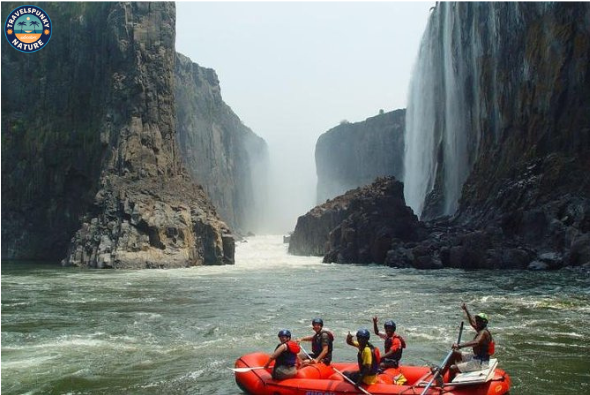
Below the falls, the Zambezi runs through the Batoka Gorge in a chain of Grade 4 and 5 rapids that are rated among the best one-day rafting trips in the world. Full-day trips include transport, lunch and safety equipment, and the season is set by the river. The classic low-water season, when the rapids below the falls are at their biggest, runs roughly from August to January.
Cost: About US$150 to US$185 per person for a full day. Trips are guided only, and nobody should be swimming or rafting in this river without an operator, whatever older posts may say.
Best time to visit
The Zambezi rises fast from February and reaches peak flow between March and May, then falls steadily until it runs lowest around October and November. Which season suits a visit depends on what matters most.
For the falls at full power: March to May. The full 1,708 metre curtain is flowing, the spray cloud is at its biggest and the rainbows are constant. The honest catch is that the spray at some viewpoints can be so heavy that the falls themselves disappear into white mist, and visitors get soaked within minutes.
For clear views and Devil’s Pool: September to December. The flow drops, the gorge and the rock face become visible, the viewpoints stay drier, and Devil’s Pool and the low-water rafting season open. The honest catch is the other side of the bargain, at the lowest water the Eastern Cataract on the Zambia side can dry to bare rock, so the Zimbabwe side is the reliable one for the classic view in those months.
For cooler weather: June to August. The dry winter months are mild and comfortable, the flow is still strong early in the season, and the falls sit between the two extremes. October is the hottest month, often reaching the mid-thirties Celsius.
How to reach Victoria Falls
There are two gateway towns. Victoria Falls town in Zimbabwe sits a short walk from the rainforest entrance and from the bridge, and flights land at Victoria Falls International Airport (VFA), about 20 kilometres south of the town. Livingstone in Zambia is about 10 kilometres from the falls, and its airport, Harry Mwanga Nkumbula International Airport (LVI), is just outside the town. Taxis and hotel transfers cover both airport runs, and the two towns are linked by the bridge, so many visitors fly into one country and out of the other.
Crossing between the two sides is straightforward. For eligible nationalities, the KAZA Univisa is the easiest option, a joint Zambia and Zimbabwe visa that costs US$50, lasts 30 days and allows repeated crossings between the two countries, bought on arrival at the main airports and border posts. It also covers day trips into Botswana through the Kazungula border. Park entry fees are separate from the visa and are paid at each park gate. Carry your passport for every crossing, even for the bridge walk, and keep small US dollar notes handy for fees.
Where to stay
Victoria Falls town, Zimbabwe: Best for first-time visitors who want to walk to the falls. The town has the widest choice of hotels and lodges, most activity pickups start here, and the rainforest entrance and the bridge are within walking distance of the centre.
Livingstone, Zambia: Best for Devil’s Pool and the Zambia side. Livingstone is a larger, working town about 10 kilometres from the falls, with cheaper guesthouses, the Livingstone Museum and a quieter feel. The Livingstone Island boats leave from the jetty by the Royal Livingstone Hotel on the riverbank outside town.
On the upper Zambezi: Lodges on the riverbanks upstream of the falls, on both sides, suit visitors who want the river setting, sunset cruises from the door and wildlife around the lodge, at higher prices and a short drive from the falls themselves.
Good to know before going
- At peak flow the spray soaks visitors within minutes. Ponchos and raincoats are sold and hired around the gates, and a waterproof bag for phones and cameras is close to essential.
- The paths at the viewpoints are wet and slippery for much of the year. Wear shoes with grip, and take extra care with children near gorge edges.
- Both parks sell single-entry tickets. If a plan involves the falls in the morning and again at sunset, expect to pay the entry fee twice.
- Devil’s Pool dates move with the river. Do not build a whole trip around one specific pool date, and book the island tour as early as possible in the season.
- Expect persistent curio sellers and offers of unofficial help around the gates and the bridge. Official fees are only paid at the official ticket windows, and it is worth agreeing any price before accepting a service.
- US dollars are the working currency for fees and activities at the falls. Cards are accepted at the main gates and by larger operators, but cash in small notes is the reliable backup.
Frequently asked questions
1. How much does it cost to see Victoria Falls in 2026?
Park entry costs US$58 per international adult on the Zimbabwe side and about US$20 on the Zambia side, and each ticket is a single entry. Children aged 6 to 12 pay half on the Zimbabwe side. Seeing both sides in one trip means paying both fees, plus a visa where one is needed.
2. Is anything at Victoria Falls actually free?
Yes, but it is a short list. Walking onto Victoria Falls Bridge with a free bridge pass costs nothing and gives gorge and rapids views, and watching the sunset from public spots along the river costs nothing. The falls viewpoints, Devil’s Pool and the sunset cruises are all paid.
3. Which side is better, Zimbabwe or Zambia?
The Zimbabwe side has the classic front-on view of the main curtain and most of the viewpoints, 16 along the rainforest path. The Zambia side has the close-up Eastern Cataract, the Knife-Edge Bridge, the Boiling Pot path and Devil’s Pool. Most visitors with the KAZA Univisa do both, and the two sides take about a day between them.
4. When is Devil’s Pool open?
Usually from late August to late December, and in some years into early January. The island operator opens and closes it according to the water level, so the dates move every year. The swim is only possible on a guided Livingstone Island tour, booked in advance, and children must be 12 or older to swim.
5. What is the best month to visit Victoria Falls?
For the falls at their most powerful, March to May. For clear views, Devil’s Pool and rafting, September to December. June to August is the comfortable middle, with mild weather and a still-strong flow. There is no single best month, because the river makes each season a different waterfall.
6. What is the KAZA Univisa and do visitors need one?
It is a joint visa for Zambia and Zimbabwe costing US$50, valid for 30 days with repeated crossings between the two countries, available on arrival at the main airports and border posts for eligible nationalities. Visitors who stay on one side only can use that country’s normal visa rules instead. The Univisa never includes park entry fees, which are paid separately at each gate.
Last updated, November 2026. Researched and verified from official visitor information, UNESCO listings and current travel guides.