Lafayette is the hub of Acadiana, the French-speaking corner of south Louisiana settled by Acadians exiled from Canada in the 1700s. The Cajun culture they built here runs on three things, food, music and a reason to gather, and the city still organises its weekends around all three.
This guide lists the eleven experiences that matter most on a first trip, with what each one costs, when to go and where it falls short. Two are living history villages, one is a swamp full of alligators, and two are free festivals that take over the city in spring and fall.
At a glance
| No. | Experience | Where | Best for | Known for |
|---|---|---|---|---|
| 1 | Vermilionville Historic Village | On Bayou Vermilion | Cajun and Creole history | A living history village with costumed craftspeople |
| 2 | LARC’s Acadian Village | South Lafayette | A quieter village walk | Real 19th century Acadian homes moved to one site |
| 3 | Cathedral of St. John and the St. John Oak | Downtown | History and a giant tree | A brick cathedral beside an oak of about 500 years |
| 4 | Alexandre Mouton House and Lafayette Museum | Downtown | Local history | The home of a Louisiana governor, built about 1800 |
| 5 | Swamp tours at Lake Martin and the Atchafalaya Basin | Breaux Bridge and Henderson | Wildlife | Alligators, cypress swamp and nesting birds |
| 6 | Avery Island and the Tabasco factory | Near New Iberia | A day trip | The Tabasco tour and the 170 acre Jungle Gardens |
| 7 | Cajun and zydeco music and dancing | Across the city | A night out | Dance halls, jam sessions and the Sunday dance |
| 8 | Eating Cajun, boudin, crawfish and plate lunches | Across the city | Food | The Boudin Trail and the weekday plate lunch |
| 9 | Cypress Lake and the UL Lafayette campus | University area | A free hour | A swamp with alligators in the middle of a campus |
| 10 | Festival International de Louisiane | Downtown | Spring travel | Five free days of Francophone music each April |
| 11 | Festivals Acadiens et Créoles | Girard Park | Fall travel | A free Cajun and Creole festival each October |
1. Vermilionville Historic Village
Vermilionville is a living history village on 23 acres beside Bayou Vermilion, a short drive from downtown. Its 19 historic buildings show how Acadian, Creole, Native American and African residents lived between about 1765 and 1890, mixing originals moved to the site with careful recreations, and craftspeople in period dress demonstrate traditional crafts as you walk through.
A self-guided visit takes about two hours, guided tours can be arranged a day ahead, and the on-site restaurant, La Cuisine de Maman, serves Cajun plate lunches at midday. Next door, the National Park Service Acadian Cultural Center adds a film and exhibits about the Acadian story, and entry is free. A Cajun jam session fills the Performance Center on Saturdays, and the Sunday dance is covered in the music section below.
Cost: Admission costs $12 for adults and $7 for students aged 5 to 18, and children under 5 enter free. Guided tours cost extra.
Opening hours: The village opens Tuesday to Sunday from 10 AM to 4 PM, with last admission at 3 PM. It is closed on Mondays.
The honest downside: Most of the village is outdoors, with limited shade, so summer heat and sudden rain shape the visit. Go in the morning in warm months, and arrive before 2 PM if you want the restaurant, because lunch ends early.
2. LARC’s Acadian Village
Acadian Village, in south Lafayette, is the second village, and it works differently. Its buildings are genuine 19th century Acadian homes and workshops, moved here from around the region and set along a bayou, among them a blacksmith’s workshop and a church. The site is run by LARC, a local nonprofit that supports people with developmental disabilities, so the admission fee does some good too.
In December the village changes completely, when Noël Acadien au Village strings the old buildings with lights and opens in the evenings as a Christmas event with its own ticket.
Cost: Daytime admission is about $10 for adults and less for children, and the December lights charge a similar fee. Prices shift by season, so confirm before you go.
Opening hours: The village opens Monday to Saturday from 10 AM to 4 PM and is closed on Sundays. It also closes for a stretch in November while the Christmas lights go up, so check the calendar before a late fall visit.
The honest downside: There are no costumed interpreters and no restaurant here, and parts of the site have a faded feel. Treat it as a peaceful walk through real old houses, not a show.
3. Cathedral of St. John and the St. John Oak
Downtown, the Cathedral of St. John the Evangelist is a red brick Romanesque Revival church completed in 1916, the third church on a site that Jean Mouton, the founder of Lafayette, gave to the parish in 1821. The cemetery beside it is the oldest in the city, and Mouton himself is buried there.
The real landmark stands outside. The St. John Oak, growing beside the cathedral, is estimated by the cathedral at about 500 years old. Its trunk measures about 29 feet around, and its branches spread about 210 feet. It is a founding member of the Live Oak Society, the registry of Louisiana’s great oaks, where it holds the playful rank of vice president.
Cost: Entry is free. The cathedral is an active church, so sightseeing fits around Mass times, and quiet behaviour is expected inside.
Worth knowing: The oak and grounds can be seen any day from the street, and the stop pairs naturally with the Mouton House, a short walk away.
The honest downside: This is a short stop, not a half day. Twenty to thirty minutes covers the church, the oak and the cemetery for most visitors.
4. Alexandre Mouton House and Lafayette Museum
The Alexandre Mouton House, now the Lafayette Museum, is a white-columned home built about 1800 by Jean Mouton and later lived in by his son Alexandre, a governor of Louisiana. Restored to its 1848 look, it holds period furniture, paintings, Civil War era pieces and a collection of Mardi Gras costumes, and a short film opens the visit.
Cost: Admission is small, about $5 to $10 per adult. Listings differ on the exact figure, so carry small bills and confirm at the door.
Opening hours: The museum opens Tuesday to Saturday from 10 AM to 4 PM, and is closed on Sundays, Mondays and major holidays.
The honest downside: The house has no elevator, and visitors who cannot climb stairs can see the ground floor only. It rewards people who enjoy local history in depth, and others may find that an hour is plenty.
5. Swamp tours at Lake Martin and the Atchafalaya Basin
Two kinds of swamp sit within half an hour of downtown. Lake Martin, near Breaux Bridge, is a cypress and tupelo swamp inside the Cypress Island Preserve, calm, shaded and famous for its spring rookery, where egrets, herons and roseate spoonbills nest in the trees. The Atchafalaya Basin, reached from Henderson, is the largest river swamp in the United States, close to a million acres of flooded forest between Lafayette and Baton Rouge.
Tours run in open skiffs and covered boats, and airboats work the basin. Guides point out alligators, turtles and birds, and explain how Cajun families have lived off this water. Spring is the richest season, with birds nesting and alligators active. In the coldest weeks the alligators go quiet, and summer tours are best taken early.
Cost: Lake Martin boat tours cost about $25 to $30 per adult for roughly 1 to 1.5 hours. On the basin, a traditional swamp boat costs about $39 per adult and an airboat about $65, and children pay less.
Booking: Reserve ahead, because the boats are small and weekend departures fill. Lake Martin tours leave from the public landing on Rookery Road, where there is no office, so follow the operator’s meeting instructions.
The honest downside: Wildlife never performs on order, and a cold or rainy day can mean few alligators. Bring sunscreen, a hat and insect repellent in the warm months.
6. Avery Island and the Tabasco factory
Avery Island, about 40 minutes south of Lafayette near New Iberia, is not a true island but a salt dome rising out of the coastal marsh, and it has one famous product. Tabasco sauce has been made here by the McIlhenny family since 1868, and the Avery Island Fan Experience combines the factory tour with the gardens next door in one ticket.
The self-guided factory tour runs through ten stops, from the pepper greenhouse and the barrel warehouse, where the pepper mash ages in oak barrels, to the blending and bottling lines. Jungle Gardens, created by the same family, covers 170 acres of oaks, camellias and azaleas on a three mile loop you can drive, walk or cycle. Alligators live in its bayous, an ancient Buddha statue sits in a garden pavilion, and its bird sanctuary was founded to protect the snowy egret.
Cost: The combined ticket costs $15.50 for adults, $12.50 for children and $13.95 for seniors and veterans, and children aged 4 and under enter free. The ticket includes a miniature bottle of Tabasco.
Opening hours: The visitor center opens daily from 9 AM to 4 PM and closes only on major holidays. Cash is not accepted on the island, so bring a card.
The honest downside: The bottling line does not run every day, so a weekend visit can mean quiet machinery. Allow two to three hours, and pair the island with lunch in New Iberia.
7. Cajun and zydeco music and dancing
Cajun music, built on fiddle and accordion, came with the Acadians. Zydeco, its Creole cousin, adds a scrubboard, electric instruments and a rhythm and blues drive. In Lafayette both are still dance music first, played in halls where beginners are expected to join in and learn by doing. A traditional dance party is called a fais do-do.
The easiest starting points are weekly and welcoming. On Sunday afternoons, Vermilionville hosts the Bal du Dimanche, a dance in its Performance Center from 1 PM to 4 PM. On Wednesday nights, the Blue Moon Saloon, a guesthouse and honky-tonk near downtown, holds a free open Cajun jam on its back porch, and books Cajun, zydeco and roots bands later in the week. On Saturday mornings in Breaux Bridge, the Zydeco Breakfast at Buck and Johnny’s pairs a live zydeco band with boudin and dancing between the tables.
For a real dance hall, drive to La Poussiere in Breaux Bridge, a plain hall hosting Cajun bands on Saturday nights. Back in Lafayette, Rock ‘n’ Bowl mixes bowling lanes with a stage and dance floor.
Cost: Covers at halls and clubs are modest, the Blue Moon jam is free, and the Sunday dance is covered by village admission.
Worth knowing: Dancing is the point, dress is casual and nobody minds a beginner. Check the venue’s page before you go, because schedules shift.
The honest downside: Outside festival weeks, the biggest names play on weekends, and a Tuesday night can be quiet. Plan your music for Friday to Sunday if you can.
8. Eating Cajun, boudin, crawfish and plate lunches
Lafayette calls itself the heart of Cajun food country, and the claim holds up. The cooking builds on the holy trinity of onion, bell pepper and celery, on dark roux and rice, and on whatever the bayous and the Gulf provide.
Boudin comes first, a soft sausage of pork, rice, onion and seasoning, squeezed warm from its casing at meat markets and gas stations. The Boudin Trail links more than 30 stops around Lafayette, and Don’s Specialty Meats in Scott, just west of the city, is a classic first stop. Cracklins, crisp fried pork skin, are the usual second purchase.
Crawfish rule the calendar. The season runs from about January to June and peaks from March to May, when boiled crawfish are sold by the pound at restaurants across the city, and étouffée, crawfish smothered in a rich sauce over rice, appears everywhere. Neighbouring Breaux Bridge calls itself the Crawfish Capital of the World and holds its crawfish festival each May.
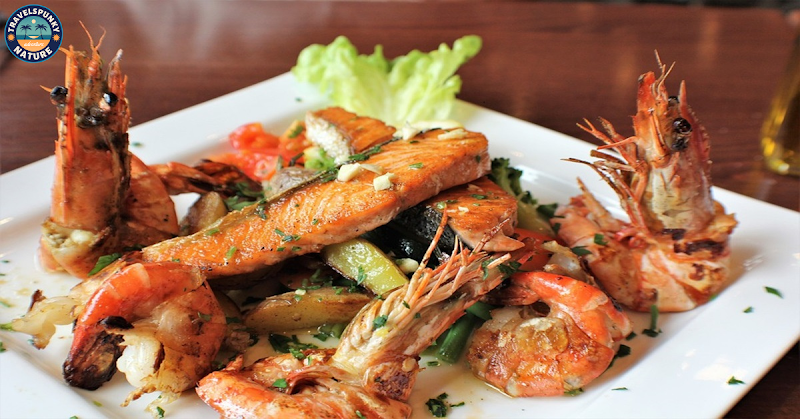
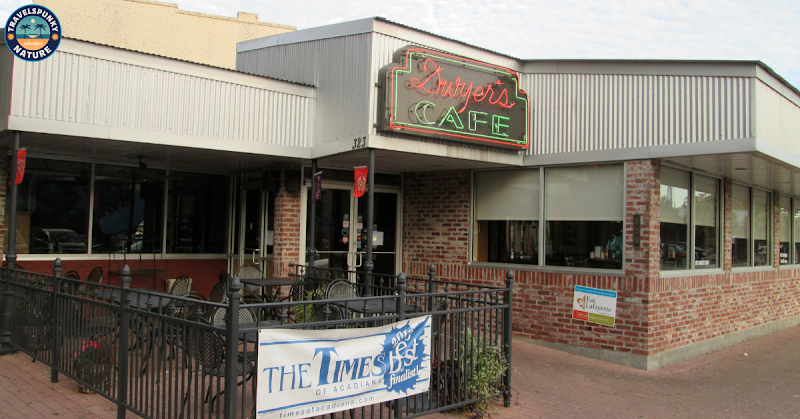
The plate lunch is the weekday ritual, a meat with rice and gravy and two or three sides, served at lunch counters across the city. Dwyer’s Cafe on Jefferson Street has served them downtown since 1927, with a full plate at about $13. For a sit-down Cajun dinner with live music, Prejean’s, north of the city, has been serving gumbo and étouffée since 1980, with bands on most nights.
Cost: A plate lunch costs about $10 to $15. Boiled crawfish are priced by the pound and swing with the season, so ask the market price before you order a tray.
Worth knowing: Portions are generous, and the spice builds rather than burns. Note that many meat markets and lunch counters close on Sundays.
The honest downside: Outside the season, crawfish means frozen tails in cooked dishes rather than a fresh boil. If the boil is the point of your trip, come between March and May.
9. Cypress Lake and the UL Lafayette campus
The University of Louisiana at Lafayette holds a surprise at its centre. Cypress Lake is a small managed swamp in the middle of the campus, filled with cypress trees, turtles, fish and a resident group of alligators, and it is the only managed wetland on a university campus in the United States. Students call it the Swamp, the same nickname as the football stadium.
You view the lake from the paths around it and from the Student Union deck. It makes a calm half hour, best in the morning or late afternoon, when the animals move. On the same campus, the Hilliard Art Museum holds the largest art exhibition space between Houston and New Orleans, with a collection of about 3,000 objects and rotating shows.
Cost: The lake and the campus grounds are free to walk in daylight hours. The museum charges a small admission and is free for UL students.
Worth knowing: Never feed the alligators, and keep to the paths and the deck. The lake sits a few minutes from Girard Park.
The honest downside: This is a gentle stop, not an attraction with facilities. Campus parking is limited on class days, and the alligators can stay hidden on cold days.
10. Festival International de Louisiane
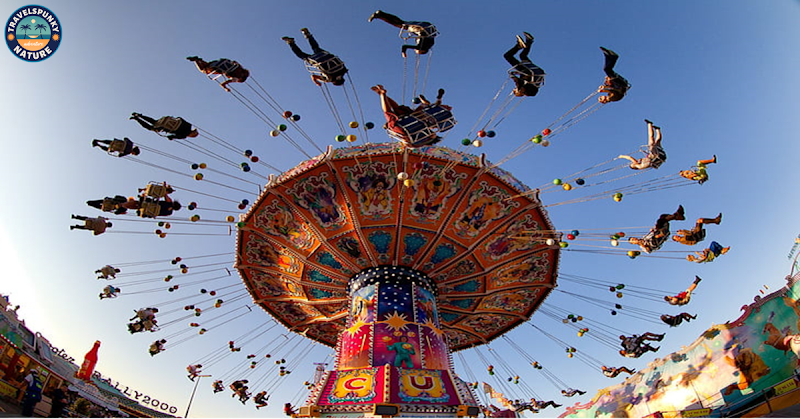
Each April, downtown Lafayette closes to traffic for five days and becomes Festival International, the largest free Francophone festival in the United States. Stages across the downtown streets carry Cajun and zydeco acts alongside musicians from France, Canada, Africa, the Caribbean and beyond, and the five day crowds run into the hundreds of thousands.
The festival began in 1987, to reconnect south Louisiana with the French-speaking world, and it still runs on volunteers and goodwill. Food stalls serve Louisiana classics, and an international market fills the side streets.
Cost: Admission is free. Food and drink inside are paid for with a cashless wristband system, so bring a payment card.
When: The festival takes over downtown on the last full weekend of April, running from Wednesday to Sunday.
The honest downside: Rooms book out and prices climb for festival week, and downtown parking is close to impossible. Book lodging early, and use the festival shuttles from the off-site lots.
11. Festivals Acadiens et Créoles
In October the city does it again, closer to home. Festivals Acadiens et Créoles fills Girard Park, beside the university, with a free celebration of Cajun and Creole music, food and crafts that has run since 1974. It grew from three separate festivals, one for music, one for food and one for crafts, and it still works that way, with stages, cooking demonstrations and craft stalls under the oaks.
More than 65 bands played the 2026 edition. For a visitor, this is the single easiest weekend of the year to understand what Acadiana is about.
Cost: Admission is free, and you pay only for food, drink and crafts.
When: The festival runs over the second full weekend of October, from Friday to Sunday.
The honest downside: October in Louisiana can still be hot, and the park has limited shade at midday. Bring water and a hat, and save long dance sessions for the morning and late afternoon.
Best time to visit Lafayette
Spring and fall carry the year. March to May brings the crawfish peak, warm weather and Festival International in late April. October brings Festivals Acadiens et Créoles, cooler air and the start of the comfortable season, and it is the best single month for most trips.
Summer, from June to September, is hot and humid, with afternoon storms and the heart of the hurricane season, so build in indoor backups and watch the forecasts. Winter is mild and quiet, crawfish season starts again around January, and Lafayette runs its own family friendly Mardi Gras parades before Lent.
How to reach Lafayette, and getting around
Lafayette sits on Interstate 10 in south central Louisiana. Baton Rouge is about an hour east, New Orleans is about 2 to 2.5 hours east, and Houston is about 3.5 hours west.
By air: Lafayette Regional Airport, known as LFT, is about 10 to 15 minutes from downtown and has nonstop regional jets to four hubs, Dallas Fort Worth and Charlotte on American, Atlanta on Delta and Houston on United. New Orleans airport offers far more flights, and many visitors fly there and drive.
By train: Amtrak’s Sunset Limited stops in downtown Lafayette three days a week in each direction, on its route between New Orleans and Los Angeles. The station sits in the Rosa Parks Transportation Center on Lee Avenue.
By car: You need one. The villages, the swamp landings and Avery Island all sit outside the walkable centre, and public transport is thin. Rent at the airport and plan on driving.
Worth knowing: Downtown, the university area and Girard Park are the walkable pockets. Everywhere else, distances are short but built for cars.
Where to stay in Lafayette
Downtown: The most characterful base, close to the cathedral, the Blue Moon and the Festival International site. Hotels are few and go first for festival weeks.
Johnston Street and the Oil Center: The practical middle ground, with chain hotels, restaurants and easy parking.
Near Interstate 10 and Ambassador Caffery: The budget strip, simple motels and chains with fast access to the highway, Breaux Bridge and the swamp tours.
Breaux Bridge: A small town base of inns and bed and breakfasts, best for swamp mornings and the Zydeco Breakfast.
FAQs
1. How many days do you need in Lafayette?
Two to three days covers the villages, a swamp tour, the downtown sights and a lot of eating. Add a day for Avery Island, and time the trip to a festival weekend if you can.
2. What is the difference between Vermilionville and Acadian Village?
Vermilionville is a staffed living history village with costumed craftspeople, a restaurant and regular music, and it is the fuller day out. Acadian Village is a quieter, self-guided walk among real historic homes, with no interpreters.
3. When is crawfish season in Lafayette?
Roughly from January to June, with the peak from March to May. That is when boiled crawfish are freshest and best priced.
4. Can you visit Lafayette without a car?
You can see downtown and the university area on foot, but the swamp tours, the villages and Avery Island all need wheels. Rent a car at the airport, or book tours that include transport.
5. How far is Lafayette from New Orleans?
About 135 miles, roughly 2 to 2.5 hours by car on Interstate 10, depending on traffic. The drive crosses the Atchafalaya Basin on a long bridge, which is a sight in itself.
6. What is the best month to visit Lafayette?
October, for most people. Festivals Acadiens et Créoles fills Girard Park, the heat has eased, and the city is lively without the April crowds. For crawfish at their peak, choose April and take Festival International in the same trip.
Researched and verified: November 2026. This guide is research-based, compiled from official visitor information, maps and traveller reports. Prices, hours and tour schedules change, so confirm them locally before travelling.