Malta is a small island country in the middle of the Mediterranean, south of Sicily. Three inhabited islands, a capital built by knights, temples older than the pyramids and some of the clearest swimming water in Europe are packed into an area you can drive across in under an hour.
This guide lists the twelve experiences worth planning a trip around, with what each one costs, how to reach it and where it falls short. Prices are given in euros and hedged as about figures where they change by season.
At a glance
| No. | Experience | Where | What it costs | Known for |
|---|---|---|---|---|
| 1 | Valletta and St John’s Co-Cathedral | Valletta | Co-Cathedral about €15 | The Knights’ capital and its Caravaggio paintings |
| 2 | Mdina, the Silent City | Mdina | Free to enter | The walled medieval former capital |
| 3 | The Three Cities and the Grand Harbour | Across the harbour from Valletta | Harbour cruise about €20 | Fortified harbour towns older than Valletta |
| 4 | Ħal Saflieni Hypogeum | Paola | About €35, booked ahead | A Neolithic necropolis carved underground |
| 5 | Ħaġar Qim and Mnajdra Temples | Near Qrendi | About €10 for both temples | Stone temples older than the pyramids |
| 6 | The Blue Grotto | Wied iż-Żurrieq | Boat trip about €10 | Sea caves lit bright blue |
| 7 | Marsaxlokk and St Peter’s Pool | South east coast | Free | A fishing village, a Sunday market and a rock pool |
| 8 | The Blue Lagoon on Comino | Comino | Free landing pass, boat about €13 to €15 return | Turquoise shallows made for swimming |
| 9 | A Gozo Day Trip | Gozo | Ferry about €4.65 return | The greener, slower sister island |
| 10 | Golden Bay and Għajn Tuffieħa | North west coast | Free | Malta’s best sandy beaches |
| 11 | Popeye Village | Anchor Bay, Mellieħa | About €15 to €25 by season | The film set of the 1980 Popeye movie |
| 12 | Malta National Aquarium | Qawra, St Paul’s Bay | About €17 | Sharks, rays and a walk-through tunnel |
1. Valletta and St John’s Co-Cathedral
Valletta is one of the smallest capitals in Europe, a fortified grid of steep streets built by the Knights of St John after the Great Siege of 1565 and now a UNESCO World Heritage Site. The one sight nobody should skip is St John’s Co-Cathedral. Its plain stone front hides the most richly decorated church interior in Malta, all carved and gilded walls, a floor of inlaid marble tombstones and, in the oratory, Caravaggio’s Beheading of St John the Baptist, the largest painting he ever made. The Upper Barrakka Gardens, a short walk away, give the classic view over the Grand Harbour and are free.
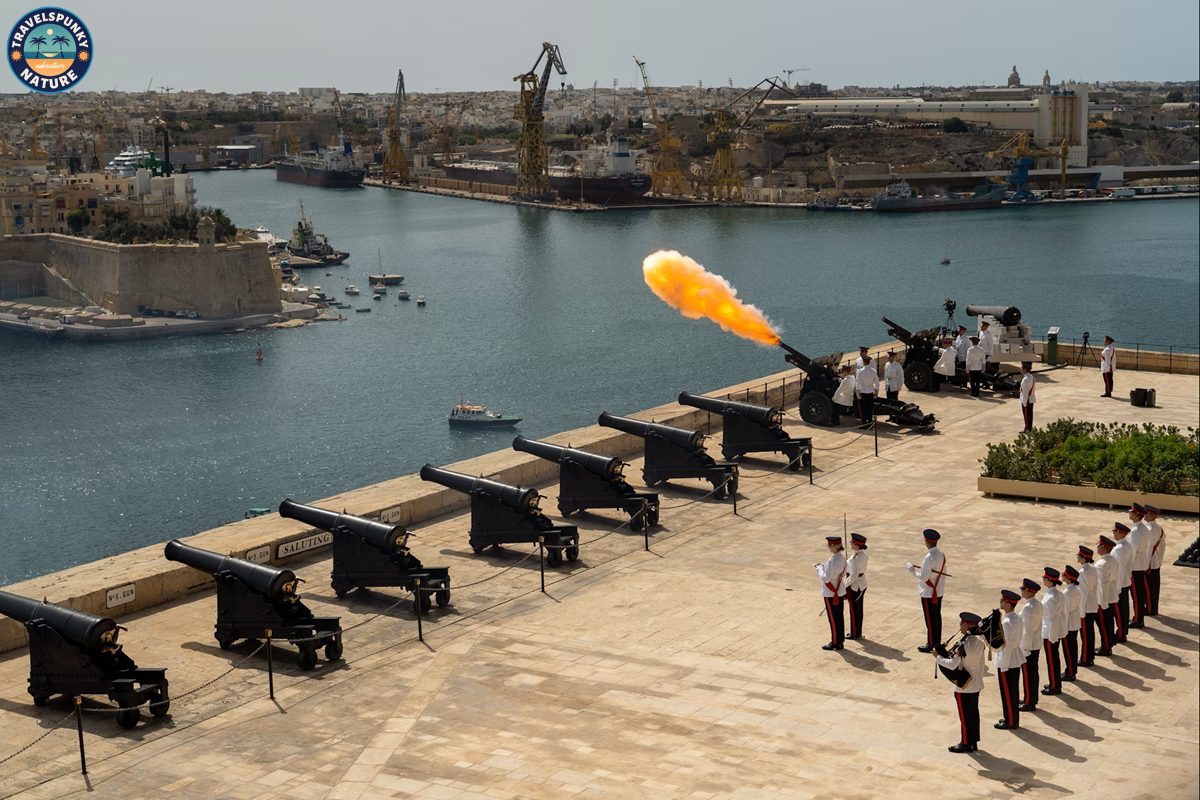
Cost: Entry to the Co-Cathedral costs about €15 for adults, with an audio guide included. The gardens and the city streets cost nothing.
How to reach it: Every bus route in Malta ends at the Valletta terminus outside City Gate, and the Co-Cathedral stands a few minutes from it on foot.
Best months: Any month works for a city, and the Co-Cathedral is at its calmest outside the summer cruise season.
The honest catch: The Co-Cathedral closes to visitors on Sundays and public holidays, which catches out weekend trips again and again. Its museum wing was also closed for extension works in late 2026, so check what is open before you go.
2. Mdina, the Silent City
Mdina was Malta’s capital before Valletta existed, a walled hilltop town of golden stone lanes, palaces and one main square, home to only a few hundred people. Almost no cars are allowed inside, which is where the nickname Silent City comes from. Walk the walls at the main gate for views across most of the island, look into St Paul’s Cathedral, then drift into neighbouring Rabat for the catacombs and the town’s famous pastizzi shops. Film fans will recognise Mdina’s gate from the first series of Game of Thrones.
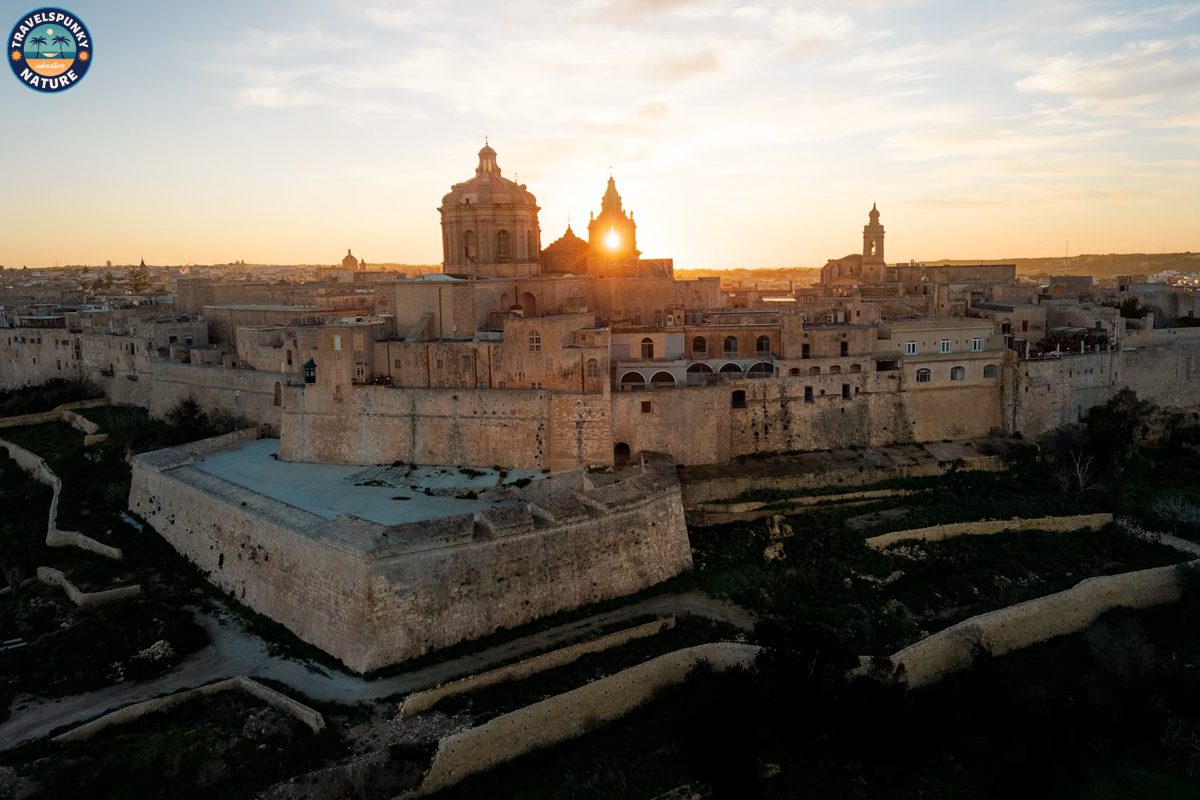
Cost: Entry to the town is free, and you pay only for the cathedral, the museums and the catacombs you choose to enter.
How to reach it: Buses from Valletta take about 35 minutes to the stop outside the main gate, and Mdina is one of the easiest day trips on the island.
Best months: Spring and autumn, when the lanes are warm but not crowded, and the views from the walls are at their clearest.
The honest catch: Coach groups fill the lanes in the middle of the day. Go before 10 in the morning or in the late afternoon, when the day visitors leave and the lamplit streets are at their best.
3. The Three Cities and the Grand Harbour
Across the Grand Harbour from Valletta sit three fortified towns that are older than the capital itself. Birgu, also called Vittoriosa, was the Knights’ first home in Malta and held out through the Great Siege. Senglea, or Isla, ends in the Gardjola Gardens, whose watchtower lookout frames the harbour postcard view. Bormla, or Cospicua, is the working town behind them. The finest way to read the whole harbour is from the water, on a cruise or in one of the small traditional dgħajsa water taxis that cross from Valletta’s waterfront.
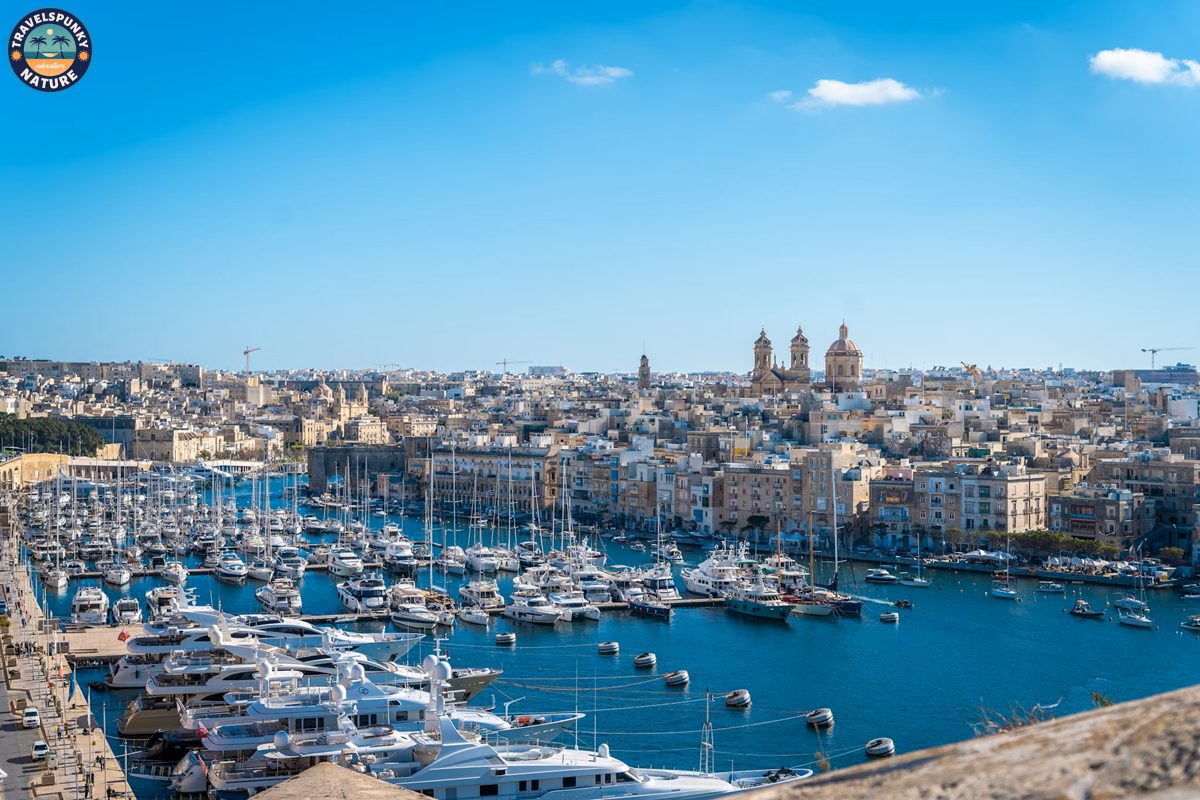
Cost: Wandering the three towns is free. A 90 minute harbour cruise from Sliema costs about €20, and the dgħajsa crossing costs only a few euros.
How to reach it: Buses from Valletta reach Birgu in about 20 minutes, and the water taxi from Valletta is quicker and far more fun.
Best months: Any month, and the harbour looks its best in the low light of early morning or late afternoon.
The honest catch: The Three Cities are quiet, and that is the point. Come for slow waterfront walks and history, not for nightlife or shopping.
4. Ħal Saflieni Hypogeum
Under an ordinary street in Paola lies the strangest sight in Malta, a necropolis carved down through solid rock around 5,000 years ago. Three levels of chambers, passages and painted ceilings survive, including the famous red ochre spirals, and the whole complex is a UNESCO World Heritage Site. To protect the air inside, Heritage Malta admits only 80 visitors a day, in timed groups of ten, and tickets are sold in advance online. The Tarxien Temples, another fine prehistoric site, stand a few minutes’ walk away and pair naturally with the same morning.
Cost: An adult ticket costs about €35 booked ahead. A small number of last minute tickets, at about €50, go on sale the day before each visit.
How to reach it: Paola is a short bus ride from Valletta, and the entrance is a plain modern building on Triq iċ-Ċimiterju, easy to walk past if you are not looking for it.
Best months: Any month, because the site is underground and the visit is short, but summer dates sell out fastest of all.
The honest catch: This is the one ticket in Malta you cannot leave to chance. Booking opens about three months ahead and popular dates go within days, children under six are not admitted, and there is no photography inside.
5. Ħaġar Qim and Mnajdra Temples
On the southern cliffs near Qrendi stand two of the oldest free standing stone buildings on earth. Ħaġar Qim and Mnajdra were built between roughly 3600 and 3200 BC, which makes them older than Stonehenge and older than the pyramids of Giza. Mnajdra, a 500 metre walk down the hill from its neighbour, is aligned so that sunlight strikes through its doorway on the equinoxes. A modern visitor centre with a short film sets the scene before you walk out to the stones, and both temples shelter under protective covers that keep the weather off the limestone.
Cost: One combined ticket covers both temples and the visitor centre at about €10 for adults, and the desk takes card payment only.
How to reach it: Buses from Valletta stop at the visitor centre after about 40 minutes, and the temples combine well with the Blue Grotto on the same morning.
Best months: Spring and autumn, when the clifftop walk between the temples is a pleasure rather than a test.
The honest catch: There is almost no shade on the site and the path to Mnajdra is steep and exposed. Take water, wear real shoes and avoid the middle of a summer day.
6. The Blue Grotto
The Blue Grotto is a run of sea caves in the cliffs near the small harbour of Wied iż-Żurrieq, where sunlight bouncing off the white sand turns the water an almost unreal shade of blue. Small boats run by the local boatmen’s cooperative thread through the caves and under the great natural arch in about 20 to 25 minutes. If the sea is up, the free viewpoint on the road above the harbour still gives you the arch and the colour from dry land.
Cost: The boat trip costs about €10 for adults and about €5 for children, paid in cash at the jetty booth, and there is no booking.
How to reach it: Buses from Valletta run down to Wied iż-Żurrieq in about 35 minutes, and the boats leave from the bottom of the harbour slipway.
Best months: Late spring to early autumn for the calmest seas, and always in the morning, when the sun lights the caves at their bluest.
The honest catch: The boats only sail in calm weather, and a southerly wind stops them even on a clear day. If the boat trip is the main reason for your journey south, be ready to swap the day around.
7. Marsaxlokk and St Peter’s Pool
Marsaxlokk is Malta’s best known fishing village, a wide bay filled with colourful luzzu boats, each painted with a protective eye on the bow. The waterfront fills with market stalls on Sunday mornings, and the restaurants along the quay serve the morning’s catch a few metres from the boats that landed it. Around the headland, St Peter’s Pool is a natural swimming pool cut into flat rock, reached by a rough track, with deep clear water and ledges that locals jump from when the sea is calm.
Cost: Both the village and the pool are free, and your only spend is lunch and the bus fare.
How to reach it: Direct buses from Valletta reach Marsaxlokk in about 35 minutes, and St Peter’s Pool is a walk of about 30 minutes from the village or a short drive.
Best months: May to October for swimming at the pool, and any Sunday of the year for the market.
The honest catch: St Peter’s Pool has no shade, no lifeguard and no facilities, and it is dangerous when the swell is running. Check the sea before anyone jumps, and take every piece of rubbish home.
8. The Blue Lagoon on Comino
Comino is the tiny island between Malta and Gozo, and its Blue Lagoon is the most famous swimming spot in the country, a shallow bay of white sand and water so clear and turquoise that the boats seem to float on air. Since 2025 the lagoon has been protected by a booking system. Anyone who wants to go ashore must first reserve a free landing pass on the official booking site, choosing a morning, afternoon or sunset slot, and then show the code on arrival in exchange for a wristband. Swimmers who stay on a boat and never land do not need the pass.
Cost: The landing pass is free. The ferry from Ċirkewwa costs about €13 to €15 return, depending on the operator, and takes about 20 minutes, and day cruises from other ports cost more.
How to reach it: Ferries leave from Ċirkewwa at the north tip of Malta and from Mġarr on Gozo, and only boats authorised to land at the lagoon can put you ashore.
Best months: May, June and September for warm water with some breathing room, and the morning slot in any month for the calmest lagoon.
The honest catch: Even with numbers capped, the lagoon is busy in summer and there is very little shade or space on shore. Book the pass as soon as your dates are fixed, because peak season slots fill up. In winter the last ferry back leaves long before the sunset slot ends, so that slot only works for visitors staying on a boat.
9. A Gozo Day Trip
Gozo is Malta’s sister island, greener, quieter and half an hour away by ferry. Its capital Victoria is crowned by the Cittadella, a walled citadel with views over the whole island, and outside town the Ġgantija Temples are older still than Ħaġar Qim. Add the red sand of Ramla Bay, the cliffs and Inland Sea at Dwejra, where the famous Azure Window stood until it collapsed in 2017, and a long lunch in a village square, and Gozo easily fills a day. Many visitors end up wishing they had stayed a night or two.
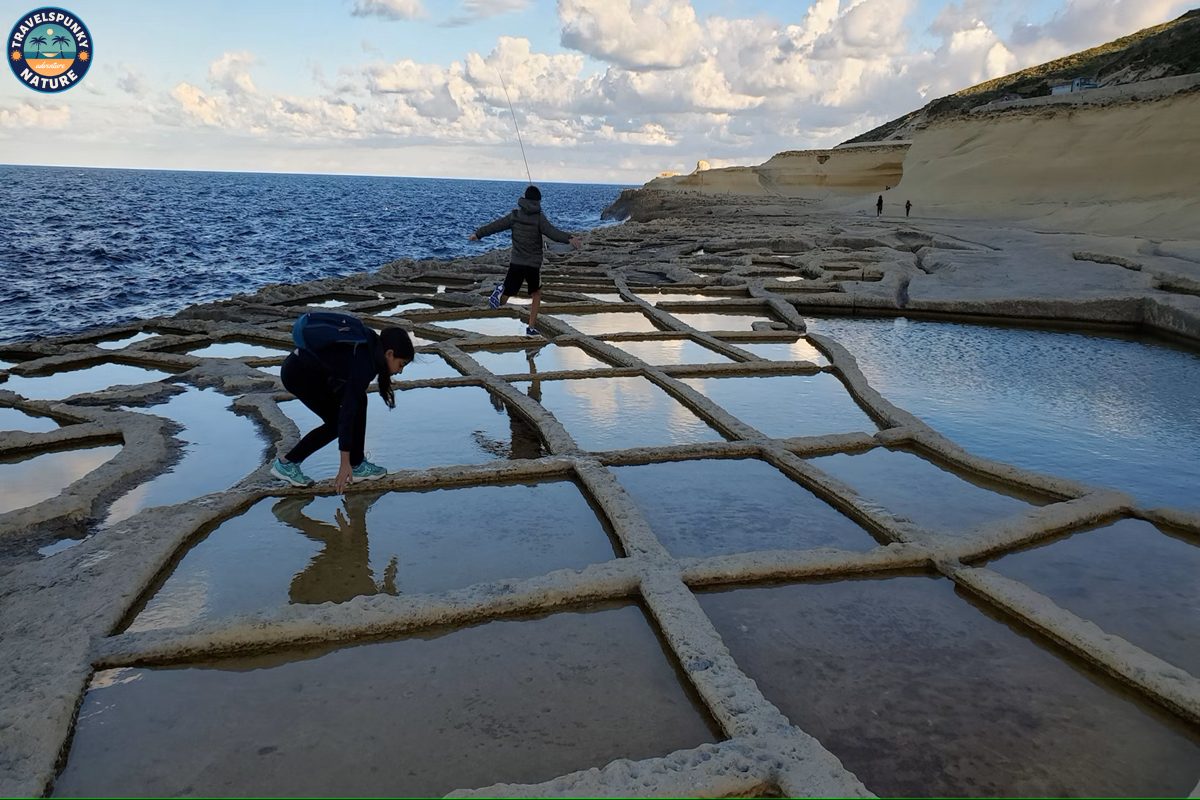
Cost: The Gozo Channel ferry from Ċirkewwa costs about €4.65 return for a foot passenger, a fare that is set to rise in January 2027, and the fast ferry from Valletta costs about €7.50 each way.
How to reach it: The car ferry crosses from Ċirkewwa to Mġarr in about 25 minutes and runs day and night, while the passenger fast ferry from Valletta takes about 45 minutes.
Best months: Spring, when Gozo is at its greenest, and early autumn, when the sea is warm and the island is calm again.
The honest catch: A day trip only samples Gozo, and the bus ride to Ċirkewwa plus the crossing eats well over an hour each way. Start early, and check the last fast ferry back if you use it.
10. Golden Bay and Għajn Tuffieħa
Malta is a rocky island, so its few sandy beaches are loved hard. Golden Bay, in the north west, is the easiest of them, a broad sweep of sand with parking, cafes, sunbed hire and lifeguards in season. A short walk over the headland brings you to Għajn Tuffieħa, its wilder neighbour, reached down a long flight of steps and backed by clay slopes and open country. Both face west, so both deliver the best sunsets on the island.
Cost: Both beaches are free, and you pay only for parking, sunbeds and food if you want them.
How to reach it: Buses from Valletta and from St Paul’s Bay run to Golden Bay in about 45 minutes, and the two beaches share the same stop area.
Best months: June to October for swimming, and the shoulder months for a quieter beach with the same sunset.
The honest catch: Both beaches fill up fast on summer weekends, and the steps back up from Għajn Tuffieħa are no joke in the midday heat. Take the climb slowly and carry water.
11. Popeye Village
Popeye Village began life as the wooden film set of Sweethaven, built at Anchor Bay for the 1980 Popeye film starring Robin Williams, and never taken down. The crooked houses, boardwalks and water trampolines now form a small open air park aimed squarely at families, with costumed characters, boat rides around the bay in summer and swimming decks over clear water. Even if you never buy a ticket, the free viewpoint on the cliffs across the bay gives you the whole village in one photograph.
Cost: Entry runs from about €15 for adults in the low season to about €25 in the peak summer months, with the water activities included only in the warmer part of the year.
How to reach it: The village sits near Mellieħa in the north of the island, and buses stop a short walk from the entrance.
Best months: May to October, when the swimming and boat activities that justify the ticket price are actually running.
The honest catch: This is a place for young children and film fans, and the winter ticket buys a much smaller experience. Teenagers and history hunters will get more from their day elsewhere.
12. Malta National Aquarium
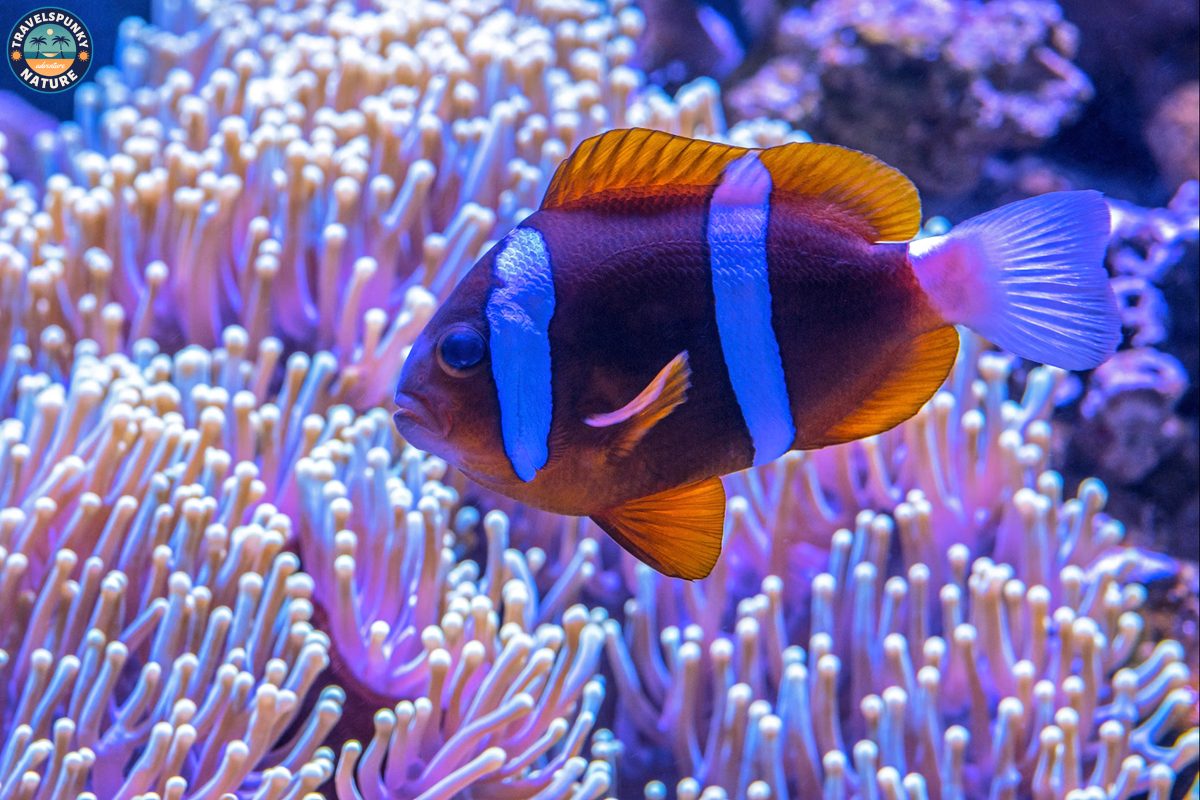
The national aquarium stands on the seafront at Qawra in St Paul’s Bay, inside a starfish shaped building with more than 50 tanks and over 250 species. The highlight is the walk through tunnel in the main tank, where sharks and rays pass overhead, and the displays give a clear, gentle introduction to the life of the Mediterranean. It is also the most useful bad weather plan in this guide, an easy indoor half day when the sea is rough or the heat is too much.
Cost: An adult ticket costs about €17, a little less when bought online, and the aquarium is also covered by the Heritage Malta Multisite Pass at about €60.
How to reach it: Buses to Buġibba and Qawra stop close by, and the aquarium sits on the promenade at Qawra Point with parking beside it.
Best months: Any month and any weather, which is exactly its value, and it opens daily from 10:00 to 20:00.
The honest catch: It is a good aquarium but a small one by big city standards, and most visits take one to two hours. Plan it as half a day, paired with the St Paul’s Bay seafront.
Best time to visit Malta
Spring and autumn are the sweet spots, warm and sunny without the crowds or the worst of the heat. From about April to June and again from September to October you can sightsee all day and, in the later months, swim in a sea that has stored up the summer warmth. July and August bring temperatures above 30 degrees, the busiest beaches and the highest prices. Winter is mild, often around 15 degrees, and fine for temples and cities, but the sea is cold and boat trips depend on the weather.
How to reach Malta and getting around
Malta has one airport, Malta International Airport near Luqa, with flights from across Europe and beyond. Buses and taxis reach Valletta in about 30 minutes, and the express airport buses cost about €3. There are no trains on the islands, so the Tallinja bus network does the heavy lifting. A single ticket costs €2.50 in summer and €2 in winter, lasts two hours and includes transfers, while the seven day Explore card at about €25 suits anyone sightseeing daily. Small ferries link Sliema and Valletta for about €3, and ride hailing apps such as Bolt work well for short hops. Driving is on the left, traffic is heavy and parking in Valletta is scarce, so most visitors are happier on the bus.
FAQs
1. How many days do you need in Malta?
Four to five days covers this guide well. Give two days to Valletta, Mdina and the harbour, one day to the south coast temples and Marsaxlokk, one day to Gozo and one day to Comino and the beaches.
2. What must you book in advance in Malta?
Two things. Book Ħal Saflieni Hypogeum tickets the moment your dates are fixed, because only 80 people a day get in, and reserve the free Blue Lagoon landing pass before you travel to Comino.
3. Is Malta expensive to visit?
Malta sits in the middle of the Mediterranean price range. The big sights cost about €10 to €35, buses are cheap, and the most expensive habit is eating on the main waterfront strips every night.
4. Can you do Gozo and Comino in one day?
You can, and day cruises do exactly that, but it is a rushed taste of both. Gozo deserves a full day of its own, so split them if your trip allows it.
5. Is the tap water safe to drink in Malta?
Yes, the tap water is safe to drink. It is largely desalinated, so the taste is different from home, and many people prefer bottled water for drinking and tap water for everything else.
6. What currency does Malta use, and is English spoken?
Malta uses the euro, and cards are accepted almost everywhere. English is an official language alongside Maltese and is spoken everywhere, so language is never a barrier.
Researched and verified: November 2026. This guide is research-based, compiled from official visitor information, maps and traveller reports. Prices, hours and ferry times change, so confirm them locally before travelling.