Puerto Rico is a Caribbean island and a territory of the United States, and its landmarks mix Spanish colonial forts, a mountain rainforest, bays that glow in the dark and a famous beach. Most visitors stay in San Juan and see only the capital, but the island is compact, and almost every landmark in this guide can be reached on a day trip.
This guide lists the ten landmarks worth planning a trip around, with what each one costs, how to reach it and where it falls short. Prices are given in US dollars and hedged as about figures where they change often.
At a glance
| No. | Landmark | Where | Entry | Known for |
|---|---|---|---|---|
| 1 | Castillo San Felipe del Morro | Old San Juan | About $10, covers both forts | The great fort guarding the entrance to San Juan Bay |
| 2 | Castillo San Cristóbal | Old San Juan | Same $10 pass | The largest fortification Spain built in the Americas |
| 3 | Old San Juan and La Fortaleza | San Juan | Free to wander | Blue cobblestone streets and the governors’ palace |
| 4 | El Yunque National Forest | Río Grande, in the east | Forest free, El Portal about $8 | The only tropical rainforest in the US national forest system |
| 5 | Mosquito Bay | Vieques | Tours about $65 to $75 | The brightest bioluminescent bay in the world |
| 6 | La Parguera Bioluminescent Bay | Lajas, in the southwest | Boat tours about $60 to $70 | The glowing bay you can swim in |
| 7 | Cabo Rojo Lighthouse and Salt Flats | Cabo Rojo, southwest tip | Free | Limestone cliffs, pink salt pans and shorebirds |
| 8 | Parque de Bombas | Ponce | Free | The red and black firehouse museum |
| 9 | Cueva Ventana | Arecibo | Tours about $29 | A cave window high above a river valley |
| 10 | Flamenco Beach | Culebra | Entry about $2 | A mile of white sand and two graffiti covered tanks |
1. Castillo San Felipe del Morro
Castillo San Felipe del Morro, known to everyone as El Morro, is the fortress on the headland at the entrance to San Juan Bay. Spain began building it in 1539 and kept adding to it for about 250 years, until it reached six levels of walls, ramps, batteries and tunnels. It guarded the approach from the sea, while its sister fort, San Cristóbal, watched the land side. El Morro is part of the San Juan National Historic Site, run by the US National Park Service, and UNESCO listed it as a World Heritage Site in 1983. A broad lawn runs up to the walls, busy with kite flyers and picnics.
How to reach it: El Morro stands at the western end of Old San Juan, about a 15 minute walk uphill from the cruise piers and the main car parks, along Calle Norzagaray or through the San Juan Gate. The old town is small, and walking is the sensible way in.
Best months: December to April brings the driest weather and the trade winds that keep the headland comfortable. The fort is mostly outdoors, so in the hotter months it is best seen early in the day.
Good to know: One pass costs about $10 for visitors aged 16 and over and covers both El Morro and San Cristóbal for 24 hours, and children under 16 enter free. The park takes cards and contactless payment only, no cash. Both forts open daily from 9 AM to 5 PM and close on Thanksgiving Day, Christmas Day and New Year’s Day.
The honest catch: There is almost no shade inside the fort, and the stone ramps and stairs are steep in places. Part of the grounds near the Santa Elena Bastion was closed for cliff repair work in late 2026, so check the park alerts before you go.
2. Castillo San Cristóbal
Castillo San Cristóbal is the largest fortification Spain built in the Americas, a vast complex covering about 27 acres at the eastern edge of Old San Juan. Where El Morro faces the sea, San Cristóbal was built to stop attacks by land, with deep dry moats, layered walls and mined tunnels. Work began in the 1630s, and the fort reached its final shape in the 1780s. Inside, you can walk the ramparts, see the sentry boxes called garitas that became a symbol of Puerto Rico, and look down the coast from the upper levels. It belongs to the same National Park Service site as El Morro and shares the same ticket.
How to reach it: The entrance is on Calle Norzagaray beside Plaza Colón, at the eastern end of the old town. It is a short walk from the cruise piers, and about 20 minutes on foot from El Morro along the northern wall.
Best months: Any month works, because much of the fort is under cover or in shade.
Good to know: The same about $10 pass covers both forts for 24 hours, so most visitors see San Cristóbal and El Morro on the same day. San Cristóbal has an elevator up to its main plaza, which makes it the easier of the two forts for visitors with limited mobility.
The honest catch: The fort is big, and without context it can feel empty and confusing. Pick up the map at the entrance and follow the numbered route, or the scale of the place works against you.
3. Old San Juan and La Fortaleza
Old San Juan is the colonial heart of the capital, founded in 1521 and packed into a grid of narrow streets paved with blue grey cobblestones called adoquines. Hundreds of restored buildings from the 16th and 17th centuries line the streets, painted in pastel colours. The cathedral, Catedral de San Juan Bautista, holds the tomb of Juan Ponce de León, the island’s first governor. At the western end of the district stands La Fortaleza, built between 1533 and 1540 as the harbour’s first fort and now the governor’s residence. It is the oldest executive mansion in continuous use in the Americas, and UNESCO included it in the 1983 World Heritage listing alongside the forts.
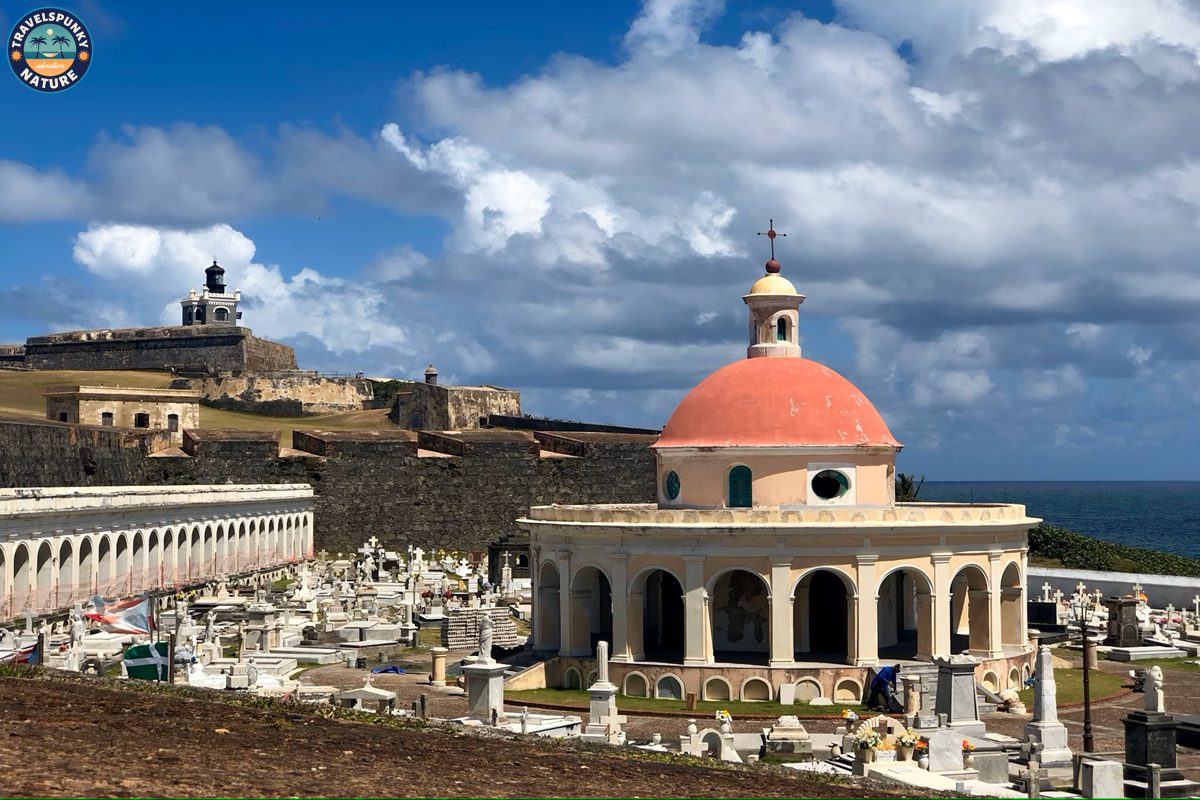
How to reach it: Old San Juan sits on an islet joined to the rest of the city by bridges, about 15 minutes by taxi or rideshare from the airport. Driving in is slow and parking is limited, so most visitors park at the edge of the district and explore on foot.
Best months: December to April brings dry streets and the festival season, including the San Sebastián Street Festival in January.
Good to know: Wandering the district costs nothing. Tours of La Fortaleza are free, but they run on weekdays only, they must be booked ahead by phone, and visitors aged 18 and over need photo ID. Tours can be cancelled without notice when government business takes over.
The honest catch: The streets are steep, uneven and slippery when wet, and cruise ship days fill the main lanes by midday. Early morning is the calm time to walk.
4. El Yunque National Forest
El Yunque is the only tropical rainforest in the United States National Forest System, about 28,000 acres of steep green mountains in the east of the island. Rain falls here on most days, feeding the rivers and waterfalls and the loud chorus of coquí frogs that starts at dusk. The main visitor road, PR-191, climbs past the roadside La Coca Falls, the Yokahú Tower viewpoint and the trailheads for Juan Diego Falls and Mount Britton. Near the entrance, the El Portal visitor centre explains the forest well, with exhibits and a film.
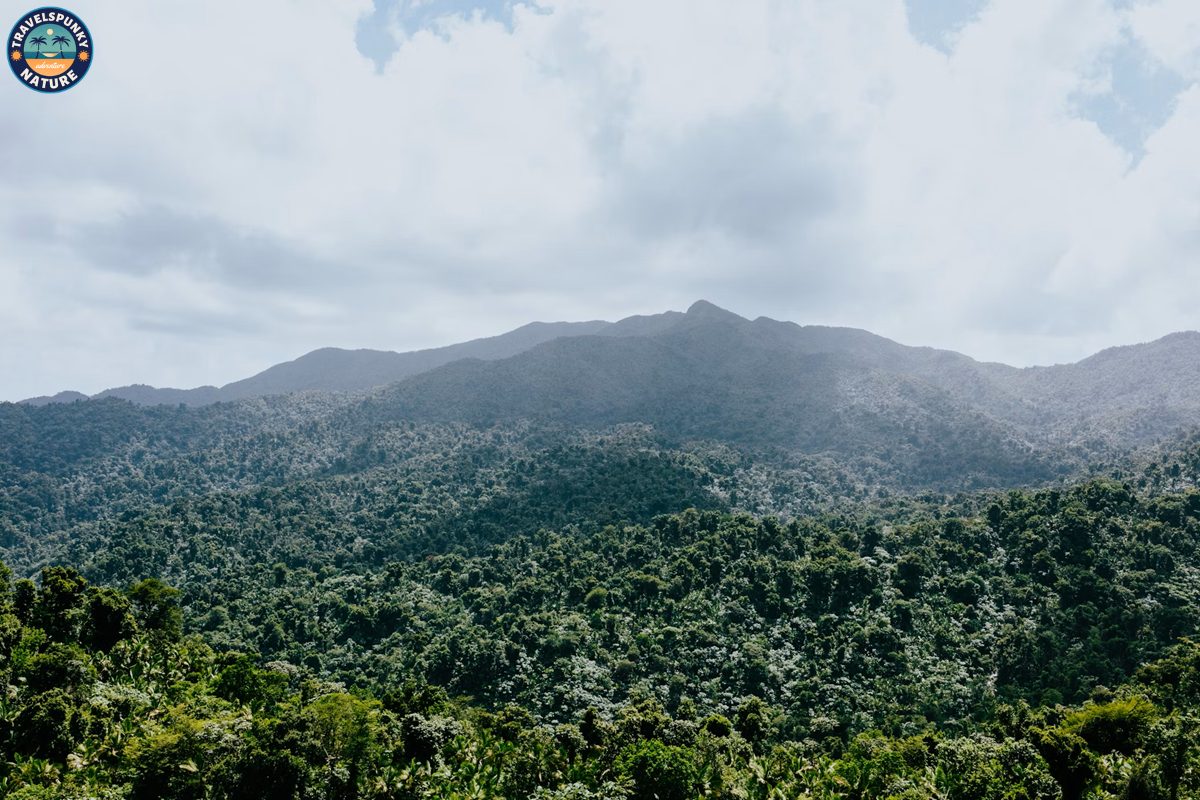
How to reach it: The forest is about an hour’s drive east of San Juan. Take Route 66 or PR-3 to Río Grande and follow PR-191 up into the trees. There is no public transport, so most visitors drive themselves or join a tour from San Juan.
Best months: December to April is the drier season, when trails are least muddy. The visitor corridor runs from 8 AM to 5 PM all year.
Good to know: Entry to the PR-191 corridor is free and no reservation is needed, because the old timed booking system was suspended in 2023. Parking is first come, first served, and the gates can close when the forest reaches capacity, so arrive early. The El Portal visitor centre charges about $8 for visitors aged 16 and over.
The honest catch: La Mina Falls, the waterfall in most photographs of El Yunque, is still closed for construction after hurricane damage, with reopening expected in 2027. Any tour that promises La Mina is selling something it cannot deliver.
5. Mosquito Bay, Vieques
On the south coast of Vieques, the island municipality east of the main island, Mosquito Bay holds the Guinness World Record as the brightest bioluminescent bay in the world. Its water carries an extraordinary concentration of dinoflagellates, tiny organisms that flash blue green light when the water moves, and counts have reached about 700,000 of them in a gallon. The bay is a protected natural reserve, and the glow has survived because swimming, motorboats and shoreline building are kept away from it. On a dark night, every paddle stroke, every fish and every hand trailed in the water lights up.
How to reach it: Take the ferry from Ceiba to Vieques or a short flight from San Juan, then stay the night on Vieques, because the tours run after dark and there is no transport off the island when they end. Operators collect their guests in Esperanza, the small town on the south coast near the bay.
Best months: The glow works all year, and the moon matters more than the month. Book around the new moon, because moonlight washes the effect out, and tours do not run on the three nights around the full moon.
Good to know: The bay can only be visited on a guided kayak tour with a licensed operator, at about $65 to $75 per adult. Swimming is banned, motorboats are kept out, and guides ask visitors not to wear DEET insect repellent, because it harms the organisms.
The honest catch: The trip takes real planning, a ferry or a flight, a night on Vieques and dates matched to the moon. On a bright night or after heavy rain the glow can disappoint, and the weather offers no refunds.
6. La Parguera Bioluminescent Bay, Lajas
La Parguera is a fishing village in Lajas, on the southwest coast, built around a waterfront of restaurants, bars and boat docks. Its bay, Bahía Fosforescente, is one of only three bioluminescent bays in Puerto Rico, and it is the only one where visitors can usually swim in the glow, straight off the tour boat. The same dinoflagellates cause the light here, but in lower numbers than at Mosquito Bay, so the effect is gentler. Boats leave the docks after dark and anchor in the bay for the swim.
How to reach it: La Parguera is about two and a half hours by car from San Juan, through Ponce and along the southwest coast. Most visitors stay the night in the village or in nearby Cabo Rojo, because the drive back is long and dark.
Best months: Dark nights around the new moon give the best glow in any month. Since 2023 the bay has closed for three nights around each full moon under a government order, so check your dates before you book.
Good to know: Boat tours cost about $60 to $70 per person and leave from the village waterfront. Swimming is allowed from the tour boat on most nights, under the crew’s rules. It is never allowed at Mosquito Bay, and it is not part of the kayak tours at the third bay, Laguna Grande in Fajardo.
The honest catch: The glow here is the weakest of the three bays, and on a moonlit night it can be faint enough to miss. Come for the swim and the village evening, and treat a strong glow as a bonus.
7. Cabo Rojo Lighthouse and Salt Flats
At the southwest tip of the island, the road through the Cabo Rojo National Wildlife Refuge passes the salt flats of Las Salinas and ends at the cliffs of Los Morrillos. Salt has been harvested from these shallow pans since the early 1500s, and the water often turns pink from algae and brine shrimp, though storms in recent years have damaged the pans and the colour is not guaranteed. The refuge’s interpretive centre and observation tower explain the salt works and its shorebirds. At the end of the road, the Faro Los Morrillos lighthouse, finished in 1882, stands on limestone cliffs about 200 feet high. The sheltered cove of La Playuela, also called Playa Sucia, curves below the cliffs.
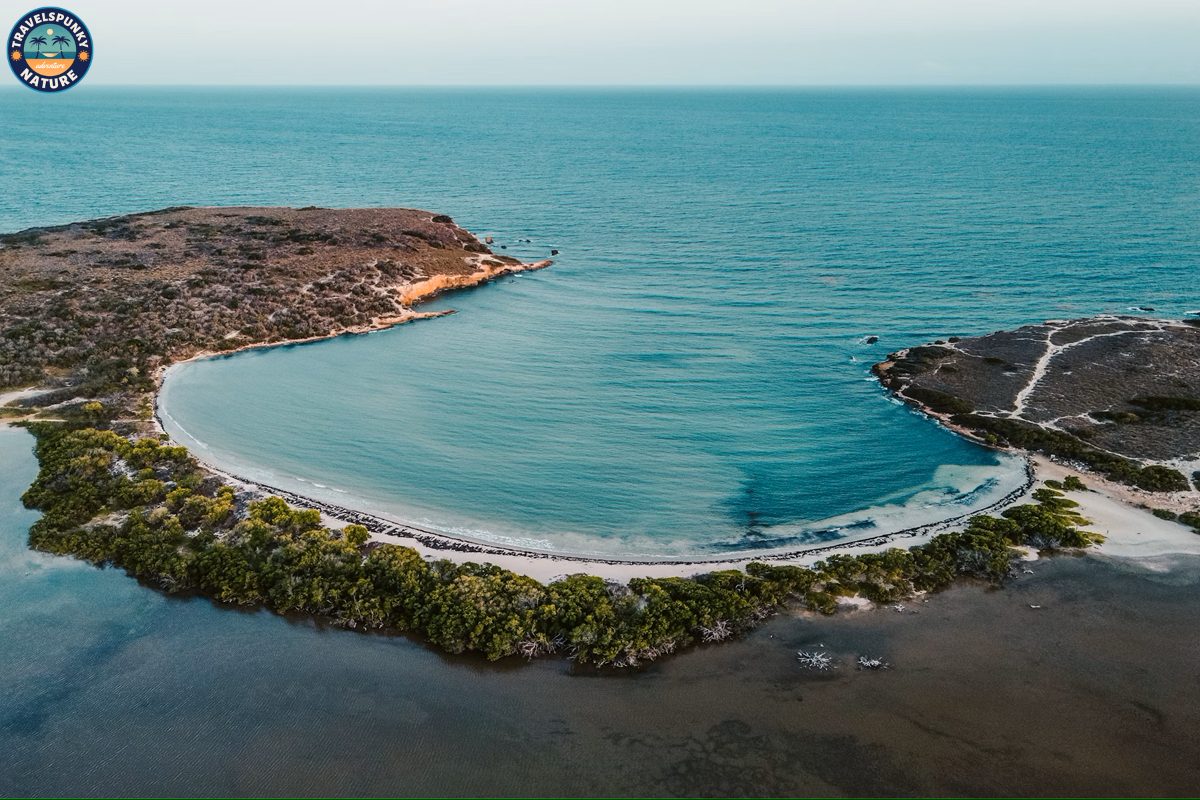
How to reach it: Drive PR-301 to its end, about three hours from San Juan and about an hour from Ponce. The vehicle gate near the lighthouse is often closed to cars, and from the parking area the lighthouse is about a 30 minute walk with no shade.
Best months: December to April brings dry roads and calmer seas. The salt pans show their strongest colour in the dry season, when evaporation is at its peak.
Good to know: Entry to the refuge, the salt flats and the lighthouse grounds is free. The interpretive centre opens on selected days only, so check its days before building your trip around it.
The honest catch: The lighthouse building itself has been closed for years, damaged by hurricanes Maria and Fiona, and no reopening date has been announced. Come for the cliffs, the beach and the salt pans, and treat any chance to go inside as a bonus.
8. Parque de Bombas, Ponce
Parque de Bombas is the red and black striped firehouse on Plaza Las Delicias, the main square of Ponce, and it is one of the most photographed buildings in Puerto Rico. It was built in 1882 as the main pavilion of the city’s Exhibition Trade Fair, to a design by the Spanish army engineer Máximo Meana, and in 1885 it became the fire station of Ponce. Firefighters worked from it for more than a century, until 1990, and today it is a small museum of the city’s fire service, with an antique fire engine, photographs and old equipment. The red and black are the colours of Ponce, and the building was restored and reopened in 2024 after a year of works.
How to reach it: Ponce is about an hour and a half from San Juan on the PR-52 motorway, across the central mountains. The firehouse stands on the main plaza, behind the cathedral, and it pairs easily with the rest of the historic centre on foot.
Best months: Any month works. The Ponce Carnival, in the week before Lent, is the liveliest time of year in the city.
Good to know: Entry is free, and the museum is listed as open daily in daytime hours, about 9 AM to 5 PM. The whole visit takes about half an hour.
The honest catch: It is a small museum, and on its own it does not justify the drive from San Juan. See it as the centrepiece of a Ponce day, with the plaza, the cathedral and the Museo de Arte de Ponce around it.
9. Cueva Ventana, Arecibo
Cueva Ventana, the Window Cave, is a large cave in a limestone cliff above the valley of the Río Grande de Arecibo, on the road between Arecibo and Utuado. A guided walk leads through a series of chambers, past stalactites and the petroglyphs carved by the Taíno, the Indigenous people of the island, to a natural opening in the cliff wall. That opening is the window, framing the green valley and the river far below. Bats live in the darker chambers, and guides tell the story of the cave as you walk.
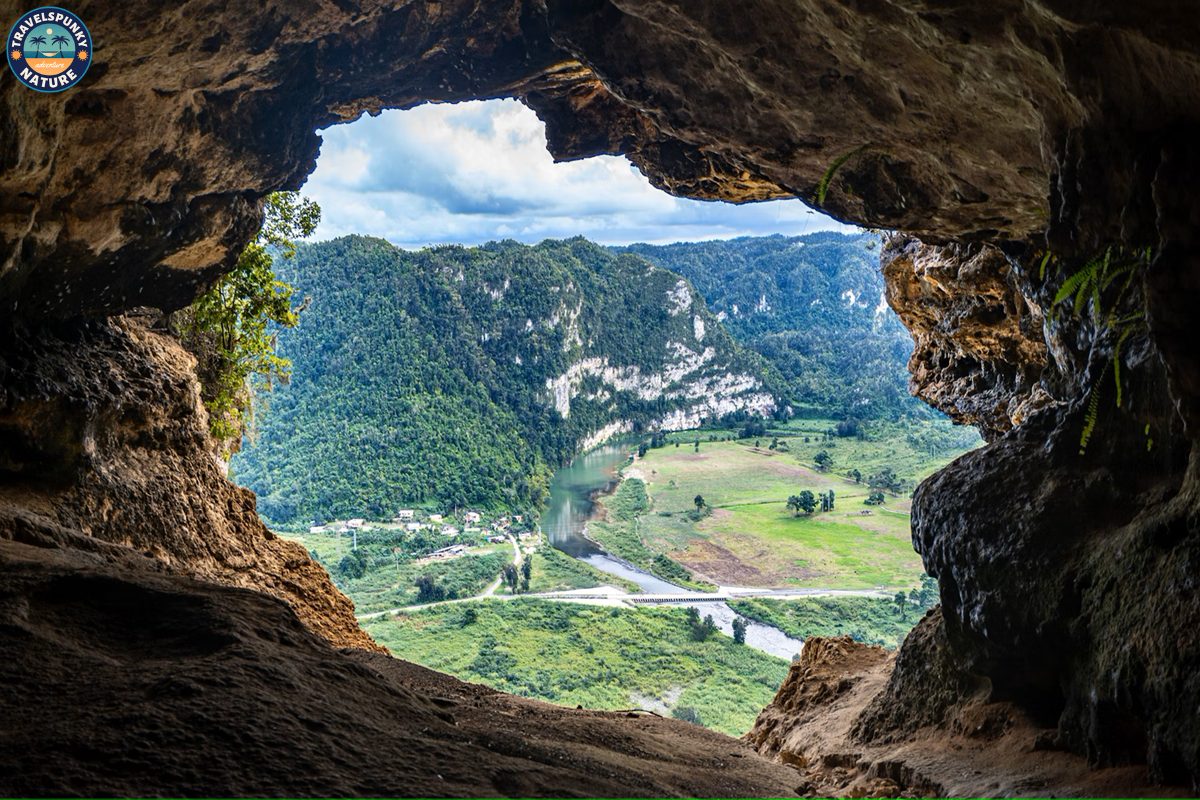
How to reach it: The cave sits beside PR-10 in Arecibo, about an hour and a quarter’s drive west of San Juan. Day tours from San Juan also visit the cave with transport included, at a higher price.
Best months: Any month works, because the cave keeps its own climate. Dry season mornings make the path easiest.
Good to know: The cave can only be visited on the operator’s guided tour, about 90 minutes with a helmet and flashlight provided, at about $29 plus tax per adult, with lower rates for children and for residents with ID. Book ahead online, because groups are limited, and children under 3 are not admitted.
The honest catch: The tour is the only way in, the path includes steps and uneven ground, and the famous window is one viewpoint at the end of a group walk, so photographers get minutes at the opening rather than an hour.
10. Flamenco Beach, Culebra
Flamenco Beach is a horseshoe of white sand about a mile long, washed by calm turquoise water on the north coast of Culebra, east of the main island. It appears regularly in world best beach rankings, and the water inside the reef is gentle enough for children and for snorkelling. Its landmark is the pair of rusting Sherman tanks at its western end, left by the US Navy, which used Culebra as a gunnery and bombing range from the 1940s until local protests forced it out in 1975. The tanks are now covered in layers of graffiti and are the most photographed objects on the island. Food kiosks, showers and rentals line the entrance, with a basic campground behind the beach.
How to reach it: Take the ferry from Ceiba to Culebra, a crossing of about an hour, or a short flight from San Juan, then ride a shared van from the ferry dock in Dewey to the beach for about $5. Book ferry tickets online the moment your dates are fixed.
Best months: December to April brings the driest weather and the calmest water. Weekdays are far quieter than weekends, when the beach fills with visitors from the main island.
Good to know: Entry costs about $2 per person at the gate, in cash, and parking is about $5 per vehicle. On the ferries, island residents board first, only part of each sailing is sold online in advance, and the rest of the tickets are sold at the Ceiba terminal on the day.
The honest catch: Getting here is the hard part. Ferries sell out, the last boats back leave in the afternoon, and a day trip leaves only a few hours on the sand. One night on Culebra turns a scramble into a holiday.
Best time to visit Puerto Rico
The dry season runs from about mid December to April, with warm days, lower humidity and the calmest seas. It is also the busiest and most expensive season, and the forts and beaches fill up around Christmas, Easter and US holiday weekends.
May and June are a good compromise, with warm weather, thinner crowds and the first summer rains. The official hurricane season runs from June to November, and the highest risk falls between August and October. The forts, the rainforest trails and the island ferries can all close around a storm, so trips in those months need flexible plans and a close eye on the forecast. The bioluminescent bays work in every month, because their calendar is set by the moon rather than by the season.
How to reach Puerto Rico and getting around
Most visitors fly into Luis Muñoz Marín International Airport in San Juan, with direct flights from many US cities. Puerto Rico is a United States territory, so US citizens travel here without a passport, the currency is the US dollar, and mainland phones and driving licences work as they do at home. Visitors from other countries follow the same entry rules as for the United States.
Cars: Outside San Juan there is almost no public transport that suits a sightseeing trip, and a rental car is the practical way to reach El Yunque, Arecibo, Ponce and Cabo Rojo. The main motorways are good, and the drives run from about an hour to El Yunque or Arecibo to about three hours to Cabo Rojo.
Ferries: The boats to Vieques and Culebra leave from the terminal at Ceiba, about an hour and a half east of San Juan, and they are run by Puerto Rico Ferry. Visitor fares are currently about $2 each way to Vieques and about $2.25 to Culebra, plus a $2 visitor fee for Culebra. A rise in visitor fares has been approved and then postponed, so check the current price and the schedule before you travel. Buy online in advance where you can, arrive an hour early, and remember that island residents have priority. Rental cars cannot be taken across on the ferries.
In San Juan: The old town is walkable, and taxis and rideshares cover the hotel districts. For the landmarks in this guide, your feet and one rental car will do most of the work.
FAQs
1. How many days do you need to see the landmarks of Puerto Rico?
Four to five days covers the highlights without rushing. Give one day to Old San Juan and the two forts, one day to El Yunque, one day to Ponce or Cabo Rojo, and one day to an island, with a night on Vieques if the bioluminescent bay matters to you.
2. Do US citizens need a passport to visit Puerto Rico?
No. Puerto Rico is a US territory, so US citizens travel with the same ID they would use for a domestic flight. Visitors from other countries follow the normal US entry rules, including a visa or an ESTA where those apply.
3. How much do the main landmarks cost?
Less than most visitors expect. The two San Juan forts share one pass at about $10, the forest roads of El Yunque are free, La Fortaleza and Parque de Bombas are free, and the main paid trips are Cueva Ventana at about $29 and the bioluminescent bay tours at about $60 to $75.
4. Which bioluminescent bay should you choose?
Choose Mosquito Bay on Vieques for the strongest glow, and accept the overnight stay it needs. Choose La Parguera if you want to swim in the water and stay on the main island. The third bay, Laguna Grande in Fajardo, is the closest to San Juan and works as an evening kayak trip.
5. Can you visit Vieques or Culebra on a day trip?
Culebra yes, with an early ferry out and a booked ferry back, though one night is better. Vieques for the bioluminescent bay no, because the tours end after the last transport off the island, so a night on Vieques is part of the trip.
6. What is the best way to get around Puerto Rico?
Rent a car. San Juan itself is easy on foot and by taxi, but the rainforest, the caves, Ponce and Cabo Rojo all sit at the end of motorway drives, and the ferries to the islands leave from Ceiba. Book the car and the ferry tickets early in the high season.
Researched and verified: November 2026. This guide is research-based, compiled from official visitor information, maps and traveller reports. Prices, hours and rules change, so confirm them locally before travelling.