Vietnam runs long and thin, about 1,650 km from the Chinese border to the Mekong Delta, and a first trip is really three trips in one. The north holds the capital, the great bay and the mountain terraces. The centre holds the imperial city and the lantern town. The south holds the big city, the war sites and the delta.
This guide lists the twelve experiences that matter most, with what each one costs, how to reach it and where it falls short. Prices are in dong, written as VND, and fees have risen more than once since 2024, so confirm every figure before you book.
At a glance
| No. | Experience | Where | Best for | Known for |
|---|---|---|---|---|
| 1 | Cruise Ha Long Bay | Quang Ninh, the north | Scenery | Some 1,600 limestone islands in one bay |
| 2 | Hanoi’s Old Quarter and Hoan Kiem Lake | Hanoi | Street life and history | The 36 streets, pho and water puppets |
| 3 | Row the rivers of Ninh Binh | Ninh Binh, the north | River scenery | Boat trips through caves at Trang An and Tam Coc |
| 4 | Sapa’s terraces and Fansipan | Lao Cai, the far north | Mountain scenery | Rice terraces and Indochina’s highest peak |
| 5 | Hue’s Imperial City and royal tombs | Hue, the centre | Imperial history | The Nguyen emperors’ walled capital |
| 6 | Hoi An’s old town and lantern nights | Quang Nam, the centre | Atmosphere | A UNESCO trading port lit by lanterns |
| 7 | Da Nang, the Golden Bridge and the Marble Mountains | Da Nang, the centre | A fun day out | A bridge held by giant hands, cave temples |
| 8 | Ban Gioc Waterfall | Cao Bang, the far northeast | Wild scenery | One of the world’s largest cross-border falls |
| 9 | Ho Chi Minh City and the War Remnants Museum | The south | Modern history | The country’s most visited museum |
| 10 | The Cu Chi Tunnels and the Cao Dai Holy See | Near Ho Chi Minh City | A paired day trip | War tunnels, then a noon ceremony |
| 11 | The Mekong Delta | The south | River life | Floating markets and canal sampans |
| 12 | Phu Quoc Island | The far south | Beaches | The Hon Thom cable car and Sao Beach |
1. Cruise Ha Long Bay
Ha Long Bay is the seascape on every Vietnam poster, a wide bay in the Gulf of Tonkin filled with limestone pillars and islands, some 1,600 of them by the UNESCO count, which listed the bay in 1994.
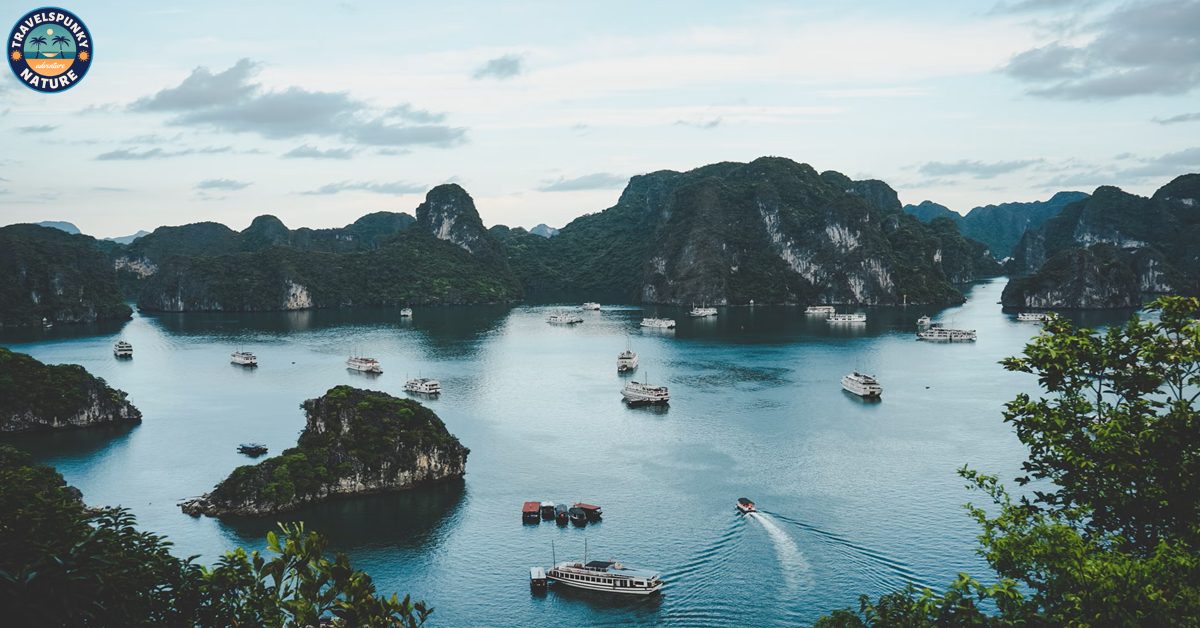
Almost everyone sees the bay from a cruise boat, and the choice is between a day cruise and sleeping on board. A day cruise gives about four to six hours on the water. One night on board adds sunset and a quieter morning, and most first trips should pick it.
Cost: Day cruises cost about $30 to $70 per person from the ports, and about $55 to $110 with the transfer from Hanoi included. A one-night cruise in a mid-range cabin costs about $130 to $250 per person, with meals and activities on board.
Good to know: The bay charges its own fee on top of the boat, about 250,000 VND for a day route and about 550,000 VND for one night. Most cruise prices include it, but some do not, so ask before you book.
The honest downside: The drive from Hanoi takes about two and a half hours each way, so a day trip is mostly road. Summer storms can cancel sailings at short notice, and the bay is at its greyest in February and March.
2. Hanoi’s Old Quarter and Hoan Kiem Lake
Hanoi is more than a gateway. Its Old Quarter is a grid of 36 streets, each once named for the trade practised on it, silver, silk, bamboo and herbs, and it is still the best place in the country to simply walk, eat and watch. At its heart sits Hoan Kiem Lake, free to walk around, with the red Huc Bridge to the Ngoc Son Temple.
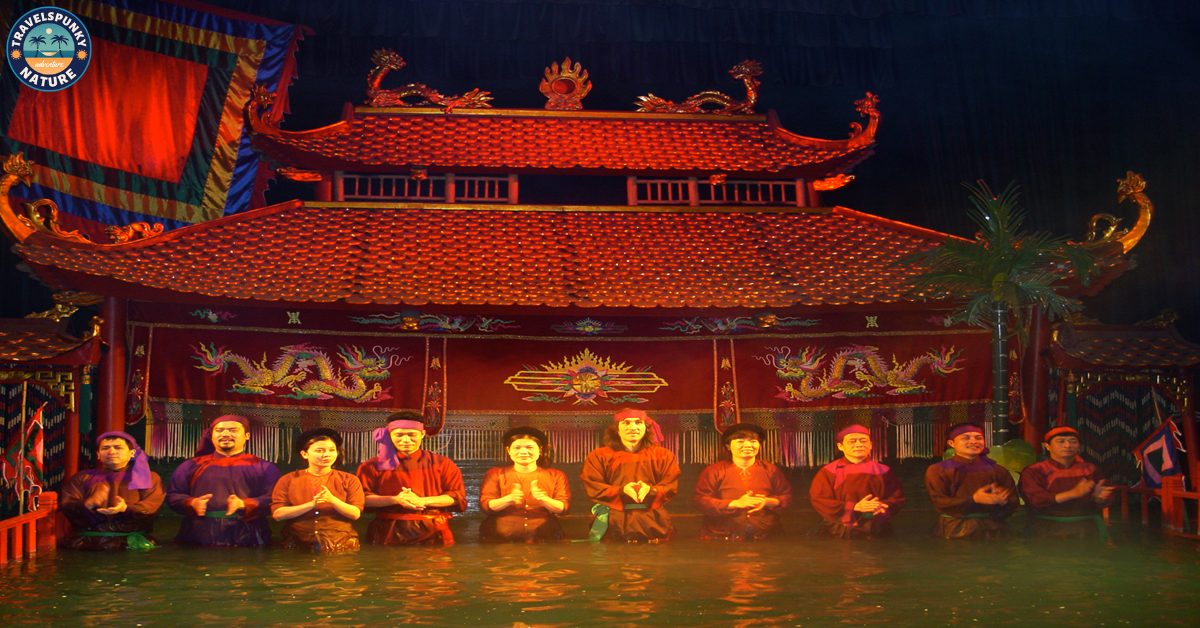
The Temple of Literature, founded in 1070, holds the courtyards of Vietnam’s first university and the stone steles of its scholars. The Ho Chi Minh Mausoleum is free, opens in the mornings only and closes on Mondays and Fridays, with a strict dress code and a long queue.
Cost: The Temple of Literature costs about 70,000 VND. A seat at the Thang Long Water Puppet Theatre, where wooden puppets act out village legends on water, costs about 100,000 to 200,000 VND by row.
Eat: Pho was made famous in Hanoi, and the classic breakfast is a bowl at a small pho house with plastic stools and no menu. Order pho bo for beef or pho ga for chicken.
The honest downside: The Old Quarter is loud and crowded, with motorbikes parked across the pavements. Early mornings, before about 8 AM, are its calm hours.
3. Row the rivers of Ninh Binh
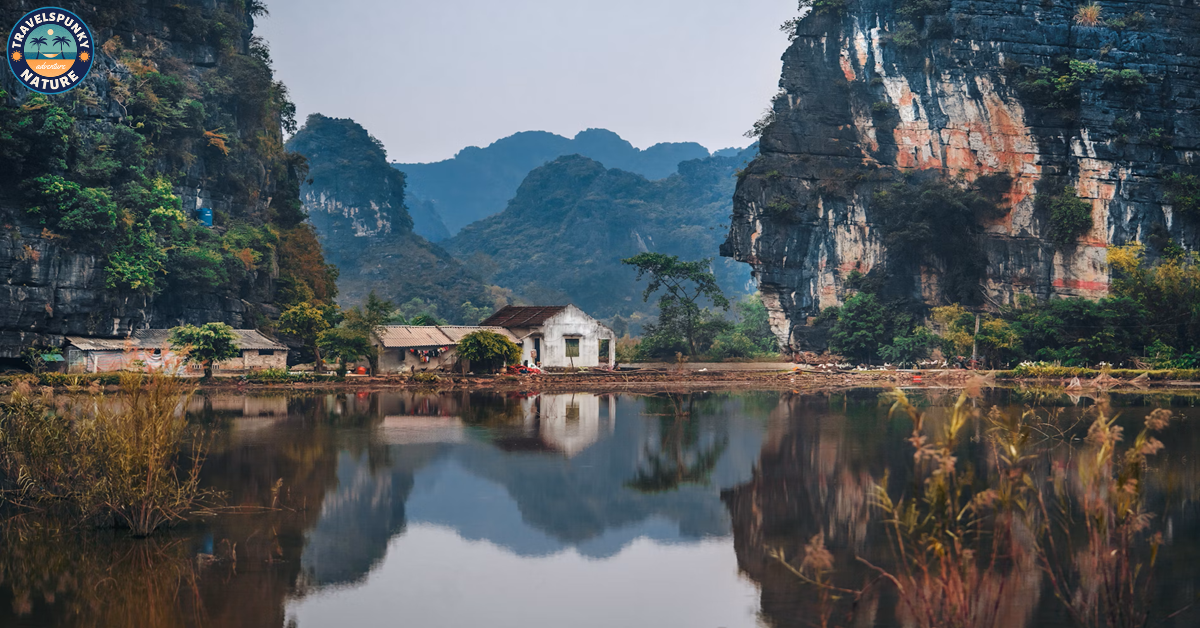
Ninh Binh province, about two hours south of Hanoi, is Ha Long Bay scenery moved inland, limestone towers rising from rivers and rice fields. It holds two famous boat trips, and they are separate tickets, so most visitors pick one.
Trang An is the bigger trip, a rowed boat ride of about three hours on set routes through long water caves and past riverside temples, inside a UNESCO listed landscape. Tam Coc is the shorter and gentler one, about two hours on the Ngo Dong River through three caves, with rice fields along the banks. Above Tam Coc, the Hang Mua viewpoint climbs about 500 steps to a dragon ridge above the river.
Cost: The Trang An ticket costs about 300,000 VND per adult with the boat included. Tam Coc costs about 250,000 VND per person, and Hang Mua about 150,000 VND. Group day tours from Hanoi cost about 750,000 to 1,400,000 VND.
The honest downside: Tam Coc’s boat landing is known for hard selling mid-river, so agree nothing and keep small notes handy. The rice is golden in late May and early June, and the fields are bare mud for part of the winter.
4. Sapa’s terraces and Fansipan
Sapa is a former French hill station at about 1,600 m in the far northwest, above the Muong Hoa Valley. The valley sides are cut into rice terraces farmed by Hmong and Dao villages, and the classic day is a guided walk between villages such as Lao Chai and Ta Van.
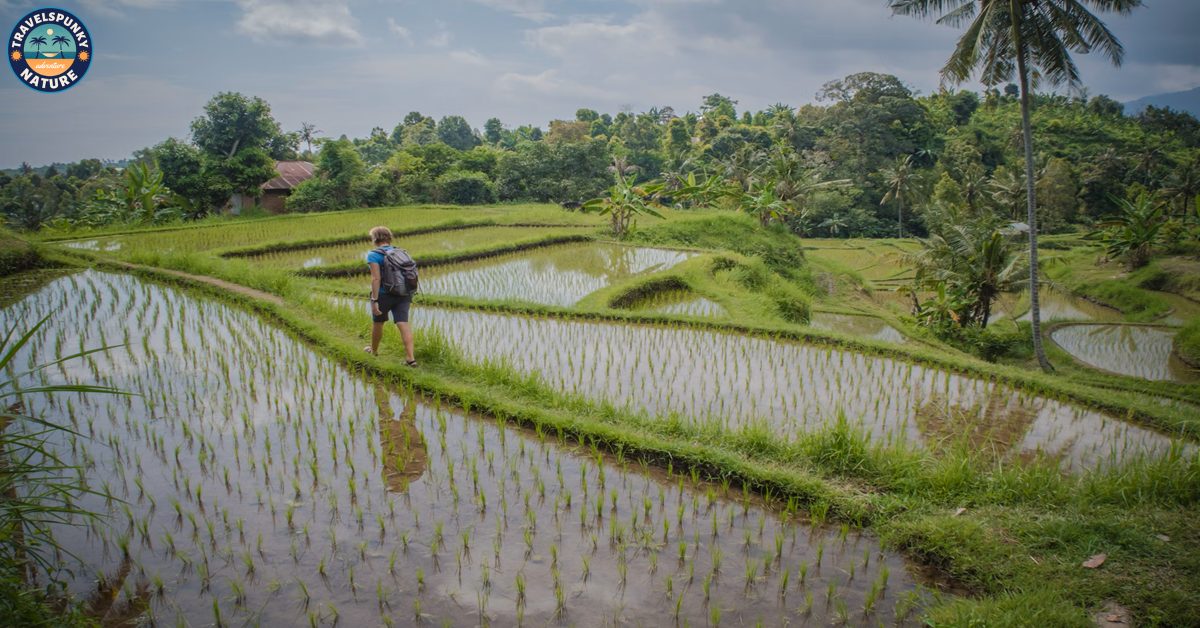
Above it all stands Fansipan, at 3,143 m the highest peak in Indochina. Since 2016 a cable car has carried visitors most of the way up, with a funicular and steps finishing the climb.
Cost: The Fansipan cable car costs about 850,000 to 900,000 VND return, and the funiculars on the mountain cost extra. Village entry fees run from about 70,000 to 150,000 VND.
How to reach it: Limousine buses run from Hanoi in about five and a half to six hours for about 300,000 to 450,000 VND. The night train takes about eight hours to Lao Cai, then an hour by road up to Sapa.
The honest downside: Sapa town is heavily built up now, and cloud can wipe out the Fansipan view for days. The terraces are greenest in summer and golden at the September and October harvest, and winter can be cold, foggy and bare.
5. Hue’s Imperial City and royal tombs
Hue was the capital of the Nguyen emperors from 1802 to 1945, and its walled Imperial City stands on the north bank of the Perfume River. UNESCO listed the complex in 1993. Inside sit the Ngo Mon gate, the Thai Hoa throne palace and the remains of the Forbidden Purple City, much of it war damaged and slowly being rebuilt.
Downstream, the emperors built their tombs in the hills, and three carry the visit, Minh Mang, Tu Duc and the concrete and mosaic tomb of Khai Dinh.
Cost: Entry to the Imperial City costs about 200,000 VND, and each royal tomb about 150,000 VND. A combo ticket covering the city and two tombs costs about 420,000 VND, and the city plus three tombs about 530,000 VND, both valid for two days.
Opening hours: The Imperial City opens daily at about 7:00 AM and closes at about 5:30 PM, a little earlier in winter.
The honest downside: Hue is the wettest big stop on the route, with heavy rain from about September to January and flood risk in October and November. The citadel grounds are also huge and short on shade, so go early.
6. Hoi An’s old town and lantern nights
Hoi An was one of Southeast Asia’s great trading ports from the 15th to the 19th century, and its old town survives as a UNESCO listed grid of yellow merchant houses, Chinese assembly halls and the Japanese Covered Bridge, built in the 1590s. Motorbikes are kept out of the central streets for much of the day.

The old town runs on a ticket system. Walking the streets is free, but stepping inside the heritage buildings takes coupons, and one ticket covers five sights from a list of about 22. At night the town belongs to its lanterns, and on the 14th day of every lunar month the lights go down for a lantern festival on the Hoai River.
Cost: The old town ticket costs about 120,000 VND for a foreign adult. An evening boat ride on the river, with a lantern to release, costs a small fee agreed at the jetty.
Worth knowing: Hoi An is also the country’s favourite place for a cooking class and for tailoring, with clothes made to measure in one to three days.
The honest downside: The old town floods in the wet season, most often in October and November, and its streets are packed by mid-morning and again at sunset. Stay overnight and use the early mornings.
7. Da Nang, the Golden Bridge and the Marble Mountains
Da Nang is the modern beach city between Hue and Hoi An, and its headline sight sits in the hills above it. The Golden Bridge, opened in 2018, is a 150 m walkway at about 1,400 m, held up by two giant hands of steel and fibreglass that look like weathered stone. It stands inside the Sun World Ba Na Hills resort, a theme park built on a former French hill station.
Back at sea level, the Marble Mountains are five limestone hills about 8 km south of the centre, and the one that is climbed, Thuy Son, holds cave temples and viewpoints.
Cost: The Ba Na Hills ticket costs about 1,000,000 VND for an adult, covering the cable car and the bridge, and since 2026 it is valid for three days. Entry to the Marble Mountains costs about 40,000 VND, the glass elevator about 15,000 VND each way, and the Am Phu Cave about 20,000 VND more.
The honest downside: Ba Na Hills is a theme park, not a natural landmark, and it is the most expensive day out in central Vietnam. Cloud can sit on the bridge for whole days, so check the hilltop webcams before you pay.
8. Ban Gioc Waterfall
Ban Gioc is Vietnam’s widest waterfall, a curtain of water about 300 m across and about 30 m high on the Quay Son River, in the far northeast of Cao Bang province. The river is the border, so the far half of the falls is China’s Detian Falls. Bamboo rafts pole visitors out into the plunge pool, close enough to feel the spray. The country around them, limestone peaks and minority villages, is among the prettiest and least visited in Vietnam.
Cost: Entry costs about 45,000 VND, and the bamboo raft about 50,000 VND per person.
How to reach it: Buses from Hanoi to Cao Bang city take about six to eight hours and cost about 350,000 to 475,000 VND. The falls lie about 83 km beyond the city, roughly two more hours by local bus or hired car.
The honest downside: There is no honest way to do Ban Gioc as a day trip from Hanoi, it needs at least two days. The water also runs thin in the dry season, and the falls are at their fullest in September and October, after the summer rains.
9. Ho Chi Minh City and the War Remnants Museum
Ho Chi Minh City, still Saigon to most of its residents, is the country’s biggest city, and its central sights stand within a short walk of each other. The War Remnants Museum is the one that matters most. Its galleries of photography, documents and Agent Orange exhibits tell the story of the war from the Vietnamese side, and the courtyard holds American tanks, helicopters and a replica of the tiger cage prisons.
Around it stand the Independence Palace, preserved as it was left in 1975, the Central Post Office under its French colonial arches, and the Notre Dame Cathedral, still wrapped in scaffolding through a long restoration.
Cost: Entry to the War Remnants Museum costs about 60,000 VND, and the other central sights charge small fees or nothing.
Opening hours: The museum opens daily from 7:30 AM to 5:30 PM, and the ticket counter closes at about 5:00 PM.
The honest downside: Parts of the museum are graphic and hard to look at, and it is not an easy visit with young children. Go in the morning, allow about two hours, and leave time to sit down afterwards.
10. The Cu Chi Tunnels and the Cao Dai Holy See
Two of the south’s most unlike sights share one road northwest of Ho Chi Minh City, and tour companies have paired them for years. At Cu Chi, visitors walk a preserved stretch of the tunnel network the Viet Cong dug under the district, with its trapdoors, kitchens and booby trap displays. A short section of tunnel, enlarged for visitors, can be crawled through. Two sites are open, Ben Dinh, the busier one most tours use, and Ben Duoc, further out and quieter.
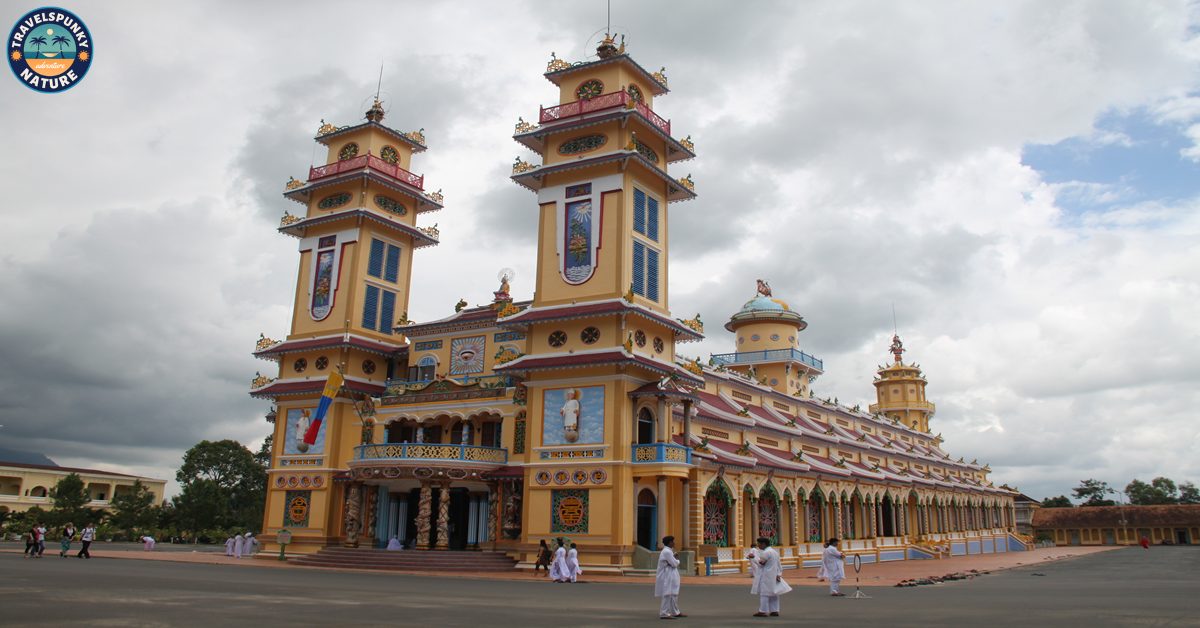
At Tay Ninh, the Cao Dai Holy See is the Vatican of a religion founded in Vietnam in 1926, blending Buddhism, Taoism, Confucianism, Christianity and Islam. Visitors watch the noon ceremony from the balcony as hundreds of followers pray in coloured robes below.
Cost: Foreign entry to the tunnels costs about 135,000 VND, the site fee and a guide ticket combined. Entry to the Holy See is free. A shared half day tour to Cu Chi costs about $15 to $25 with entry included, and the full day pairing about $25 to $55.
The honest downside: It is a long day on the road, about an hour and a half to two hours each way in traffic. The tunnels are tight and hot even in their enlarged form, and the shooting range beside the site sits oddly next to the memorial mood.
11. The Mekong Delta
South of Ho Chi Minh City the Mekong River splits into a maze of channels, canals and orchards before it reaches the sea. The standard day trip runs to My Tho and Ben Tre, about two hours away, and strings together a river boat, a sampan ride down a narrow canal, a coconut candy workshop and an orchard lunch.
The delta’s real spectacle needs a night away. The floating market at Cai Rang, near Can Tho, is a wholesale market of boats loaded with melons and pineapples, and it peaks between about 5:30 and 7:00 AM. No day trip from the city can reach it in time.
Cost: A group day tour to My Tho and Ben Tre costs about $20 to $35 per person, and small group versions about $35 to $60. A two day tour with a night in Can Tho and the dawn market costs about $100 to $190.
The honest downside: The one day version spends about four hours on the bus for a route shared with many other groups. If the floating market is the point of going, sleep in Can Tho.
12. Phu Quoc Island
Phu Quoc, off the southwest coast in the Gulf of Thailand, is Vietnam’s largest island and its main beach escape. Its west coast holds the resort strip of Long Beach above Duong Dong town, and the southeast holds Sao Beach, a curve of white sand and calm water that is the island’s postcard.
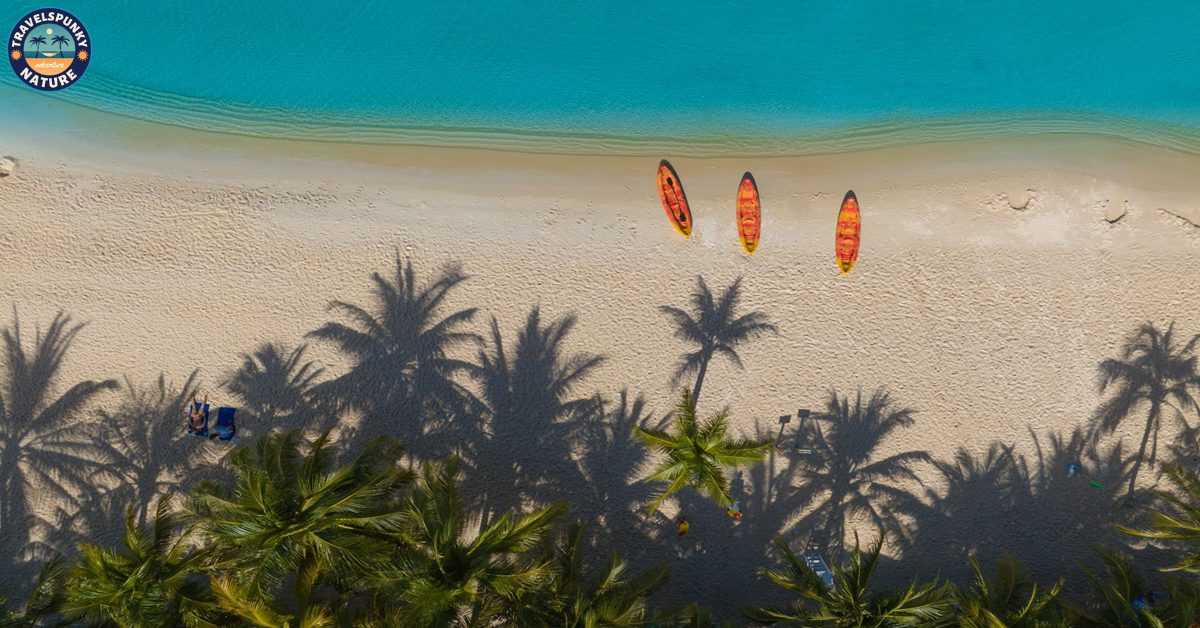
The south holds its biggest ride. The Hon Thom cable car runs about 7.9 km over the sea from An Thoi to Hon Thom island, the longest three rope cable car crossing in the world, and the ticket includes the water park and beach on the far side.
Cost: The Hon Thom cable car costs about 850,000 VND return for an adult, including the water park on Hon Thom. Sao Beach is free to enter.
How to reach it: Flights take about an hour from Ho Chi Minh City and about two hours from Hanoi. Fast ferries run from Ha Tien in about one and a half hours and from Rach Gia in about two and a half, and rough seas cancel them in the wet season.
The honest downside: The island is big, about 50 km end to end, so a beach change is a drive, not a walk. Development has also reached much of the coast.
Best time to visit Vietnam
The country is too long for one best season, so match the month to the region. The north is best from about October to April, cool and dry in Hanoi and clearest over Ha Long Bay in October to December and March to April, while June to September brings heat, rain and typhoon risk. The centre is driest from about February to August, and Hue and Hoi An take their heavy rain and floods from about September to January.
The south has two seasons only, dry from about December to April and wet from May to November, with short heavy afternoon rains in the wet months. If one window has to cover the whole country, choose March or April.
How to reach Vietnam, and getting around
Most visitors land in Hanoi, Ho Chi Minh City or Da Nang, and the three airports divide the country into north, south and centre. Domestic flights are frequent and cheap, and flying the long legs is the best use of money on a short trip, because Hanoi to Ho Chi Minh City is about two hours in the air against a day and a half on the ground.
By train: The Reunification Express runs the whole coast from Hanoi to Ho Chi Minh City, stopping at Ninh Binh, Hue and Da Nang. Night trains with sleeper cabins cover one leg comfortably, such as Hanoi to Hue.
By bus: Limousine vans and sleeper buses link every stop in this guide and are often faster than the train. Book through your hotel or a booking platform.
In the cities: Ride hailing apps are the easy way to move, and metered taxis are cheap. Crossing the road takes nerve, walk slowly and steadily, and let the motorbikes flow around you.
Entry rules: Vietnam offers an e-visa of up to 90 days to all nationalities, and many passports also get 45 days visa free. Phu Quoc has its own 30 day visa free rule for direct arrivals who stay on the island. Check your own case before you book.
Money: The currency is the dong. Cards work in hotels and city restaurants, but sight tickets, boats and markets run on cash, so carry small notes.
Where to base yourself for each experience
| No. | Base | Experiences it covers | Good to know |
|---|---|---|---|
| 1 | Hanoi | The Old Quarter, Ha Long Bay and Ninh Binh as day trips, Sapa and Ban Gioc with nights away | Give it at least three nights, the day trips leave early |
| 2 | Hue | The Imperial City and the royal tombs | Two nights cover the city and tombs without rushing |
| 3 | Hoi An | The old town, with Da Nang and the Marble Mountains as a day trip | Sleeping here gives you its mornings and lantern nights |
| 4 | Da Nang | The Golden Bridge, the Marble Mountains, Hoi An and Hue as day trips | The practical hub of the centre, with airport and beach |
| 5 | Ho Chi Minh City | The War Remnants Museum, Cu Chi and the Cao Dai Holy See, the Mekong as day trips | District 1 keeps the sights and tour pickups close |
| 6 | Can Tho | The Cai Rang floating market | One night here is the only way to see the market at dawn |
| 7 | Phu Quoc | The island itself | Duong Dong for choice, the south for the cable car |
FAQs
1. What is the best known thing to do in Vietnam?
The Ha Long Bay cruise. The bay is the country’s symbol and its most booked trip, and one night on board is the version to choose.
2. How many days do you need for these experiences?
About twelve to fourteen days covers Hanoi, Ha Long Bay, Ninh Binh, Hue, Hoi An, Da Nang, Ho Chi Minh City and a Mekong or Phu Quoc finish. Sapa and Ban Gioc each need two to three extra days.
3. Do Ha Long Bay cruises include the bay fee?
Usually, but not always. The bay charges about 250,000 VND per person for a day route and about 550,000 VND for one night, on top of the boat price. Ask before you pay.
4. Can you see a floating market on a day trip from Ho Chi Minh City?
Not the real one. Cai Rang market, near Can Tho, peaks between about 5:30 and 7:00 AM and sits three to four hours from the city. Sleep in Can Tho and take a dawn boat.
5. When is the best month to visit Vietnam?
March, if one month has to be named. The north is mild and fairly dry, the centre is in its dry season, and the south is still dry. The Tet new year weeks, in January or February, bring crowds and closures.
6. Is Vietnam cheap to travel in?
Yes, by international standards. Sight tickets mostly cost between 40,000 and 300,000 VND. The expensive days are the packaged ones, a Ha Long Bay overnight cruise and Ba Na Hills at about 1,000,000 VND.
Researched and verified: November 2026. This guide is research-based, compiled from official visitor information, maps and traveller reports. Prices, hours and road conditions change, so confirm them locally before travelling.