Japan packs its landmarks into a small country, from a sacred volcano and golden temples to castles that survived wars and a village built for snow. Most of them sit on one easy route, Tokyo to Kyoto and on to Hiroshima, with short side trips along the way.
This guide lists the twelve landmarks worth planning a trip around, with what each one costs, how to reach it and where it falls short. Prices are given in yen and hedged as “about” figures where they change often, because several famous sites raised their fees in 2025 and 2026.
At a glance
| No. | Landmark | Where | Entry | Known for |
|---|---|---|---|---|
| 1 | Mount Fuji | Shizuoka and Yamanashi | Free to view, about ¥4,000 to climb | Japan’s highest and most sacred mountain |
| 2 | Fushimi Inari Taisha | Kyoto | Free | Thousands of red torii gates climbing a mountain |
| 3 | Kinkaku-ji | Kyoto | About ¥500 | The Golden Pavilion reflected in a pond |
| 4 | Arashiyama Bamboo Grove | Kyoto | Free | A path through towering bamboo |
| 5 | Senso-ji | Tokyo | Free | Tokyo’s oldest temple and its giant red lantern |
| 6 | Nikko Toshogu | Nikko | About ¥1,600 | The lavish shrine of the first Tokugawa shogun |
| 7 | Todai-ji and the Great Buddha | Nara | About ¥800 | A 15 m bronze Buddha in a vast wooden hall |
| 8 | Himeji Castle | Himeji | About ¥2,500 | Japan’s best preserved original castle |
| 9 | Hiroshima Peace Memorial | Hiroshima | Park free, museum about ¥200 | The Atomic Bomb Dome and the peace museum |
| 10 | Itsukushima Shrine | Miyajima | About ¥300, plus a ¥100 island tax | The great torii gate standing in the sea |
| 11 | Matsumoto Castle | Matsumoto | About ¥1,200 to ¥1,300 | The black keep called the Crow Castle |
| 12 | Shirakawa-go | Gifu mountains | Village free, open houses about ¥400 | Thatched farmhouses built for deep snow |
1. Mount Fuji
Mount Fuji is Japan’s highest mountain at 3,776 m, a sacred volcano and a UNESCO World Heritage Site since 2013. Its near perfect cone, capped with snow for much of the year, has shaped Japanese art and poetry for centuries. Most visitors see the mountain rather than climb it, and the classic views come from the Fuji Five Lakes to the north and from Hakone to the east.
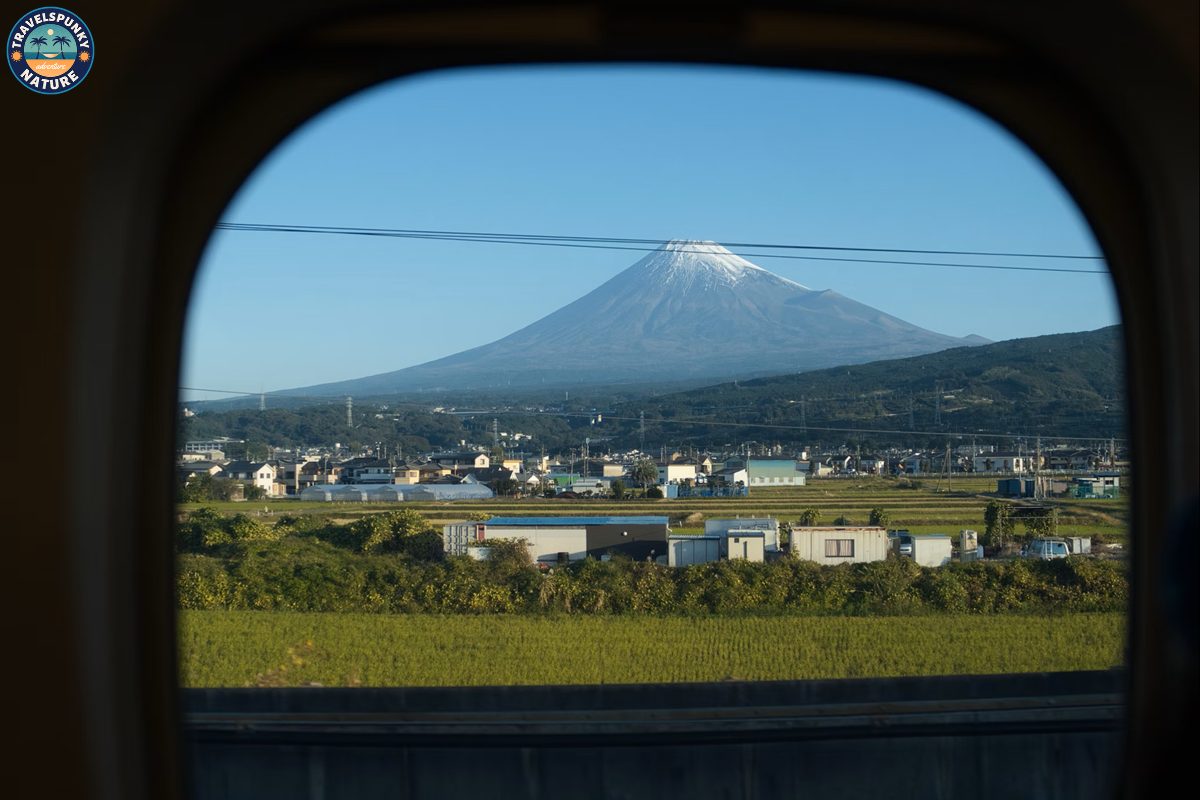
How to reach it: For views, travel to Kawaguchiko in the Fuji Five Lakes, about two hours from Tokyo by direct bus or train, or to Hakone. To climb, most people start from the Fuji Subaru Line 5th Station, reached by bus from Kawaguchiko and from Shinjuku in Tokyo during the season.
Best months: For clear views, the cold mornings from November to February give the sharpest air. The climbing season runs only from early July to about 10 September, and the trails are closed outside it.
Good to know: Climbing now costs about ¥4,000 per person on every trail, with registration done online or at the trailhead on the day. Trailhead gates close from 2 PM to 3 AM to anyone without a mountain hut booking, and the busy Yoshida trail has a daily cap of about 4,000 climbers. The rules changed in both 2025 and 2026, so check the official climbing site before planning a climb.
The honest catch: Fuji hides behind cloud for much of the year, and summer, the only climbing season, is the cloudiest time of all. A summer viewing trip can easily end with no view at all.
2. Fushimi Inari Taisha, Kyoto
Fushimi Inari is the head shrine of Inari, the god of rice and business, and it is famous for the thousands of bright red torii gates that form tunnels up Mount Inari. About 10,000 gates stand on the mountain, most of them donated by companies and families whose names are carved on the posts. Fox statues guard the shrine, because the fox is Inari’s messenger.
How to reach it: The shrine entrance stands right in front of Inari Station on the JR Nara Line, about five minutes by train from Kyoto Station. The Keihan line station, also called Fushimi-Inari, is a short walk away.
Best months: Any month works, because the gates look the same in every season. Early morning and evening are the calm times to walk.
Good to know: Entry is free and the grounds stay open around the clock. The full loop over the mountain takes about two to three hours, and the crowds thin out sharply once you pass the first gate tunnels and the viewpoint halfway up.
The honest catch: The lower tunnels are packed for most of the day, and a photo without strangers in it takes patience. The upper mountain is a real hike, with long flights of stone steps.
3. Kinkaku-ji, Kyoto
Kinkaku-ji, the Golden Pavilion, is a Zen temple whose top two floors are covered in gold leaf and reflected in the still Mirror Pond below. It began as the retirement villa of the shogun Ashikaga Yoshimitsu in the 14th century and became a temple after his death. It is one of the seventeen sites in the UNESCO listing for historic Kyoto.
How to reach it: City buses from Kyoto Station and central Kyoto stop at Kinkakuji-michi, a short walk from the gate. Allow the best part of an hour by bus from the station in traffic.
Best months: Late November, when red maples set off the gold, and any crisp winter morning. The pavilion also glows in bright spring sunshine.
Good to know: Entry costs about ¥500 for adults, and the temple opens from about 9 AM to 5 PM every day. Visitors follow a fixed one way path around the pond, and nobody can go inside the pavilion itself, on any ticket.
The honest catch: The visit is short, often under an hour, and the one way path leaves no room to linger. Kinkaku-ji is one perfect view, beautifully kept, not a place you explore.
4. Arashiyama Bamboo Grove, Kyoto
The Arashiyama Bamboo Grove is a short path through towering bamboo on the western edge of Kyoto, beside the Katsura River. The stalks crowd out the sky, and the sound of them knocking in the wind is protected by the government as one of the soundscapes of Japan. The UNESCO listed temple of Tenryu-ji stands at one end of the path.
How to reach it: Take the JR Sagano Line to Saga-Arashiyama Station, or the Randen tram to Arashiyama Station. The grove starts a short walk from either station.
Best months: Any season, because the bamboo stays green all year. Weekday mornings are the calmest time by far.
Good to know: The grove is a public path and free to walk at any hour. Tenryu-ji next door charges its own entry fee, and its garden is the quieter and more rewarding half of a visit.
The honest catch: The famous stretch of path is only a few hundred metres long and fills with tour groups by mid morning. At dawn it feels like the photographs, at noon it feels like a queue.
5. Senso-ji, Tokyo
Senso-ji is Tokyo’s oldest temple, founded in the seventh century and rebuilt after wartime bombing. Visitors enter under the giant red lantern of the Kaminarimon gate and walk the Nakamise shopping street, lined with snack and souvenir stalls, up to the main hall. The five storey pagoda beside the hall is one of the classic views of old Tokyo.
How to reach it: Asakusa Station, served by the Ginza and Asakusa subway lines and the Tobu railway, is a few minutes on foot from the Kaminarimon gate.
Best months: Any month works. Evenings are calmer, the crowds thin out and the temple buildings are lit after dark.
Good to know: The grounds are free, and the streets around the temple stay lively into the evening. The tourist information centre across the road from the gate has a free viewing terrace on its top floor, facing the temple and the Tokyo Skytree.
The honest catch: Nakamise street is shoulder to shoulder at midday, and many stalls sell the same souvenirs at tourist prices. The side streets of Asakusa hold the older and quieter charm.
6. Nikko Toshogu
Nikko Toshogu is the shrine and mausoleum of Tokugawa Ieyasu, the warlord who united Japan and founded the shogunate that ruled for more than 250 years. Where most shrines are plain wood, Toshogu is covered in gold leaf and carving, including the famous three wise monkeys and a tiny sleeping cat above a doorway. It is the centre of the UNESCO listed shrines and temples of Nikko.
How to reach it: Nikko is about two hours from Tokyo, by Tobu trains from Asakusa or by JR trains through Utsunomiya. From Nikko’s stations, a bus or a half hour uphill walk reaches the shrine.
Best months: Late October and November for autumn colour in the cedar forest, and spring for milder weather. Winter is cold but far quieter.
Good to know: Entry costs about ¥1,600 for adults. The shrine opens from about 9 AM, closing at 5 PM from April to October and at 4 PM in the winter months, with last entry half an hour before closing.
The honest catch: Nikko is a long day trip, and the shrine grounds are built on slopes with many steps. Autumn weekends bring heavy crowds up from Tokyo.
7. Todai-ji and the Great Buddha, Nara
Todai-ji holds the Great Buddha of Nara, a bronze statue about 15 m tall cast in the eighth century, when Nara was Japan’s capital. The hall that shelters it is one of the largest wooden buildings in the world, and it is still only about two thirds of the size of the original. Outside, the deer of Nara Park wander freely and are protected as messengers of the gods.
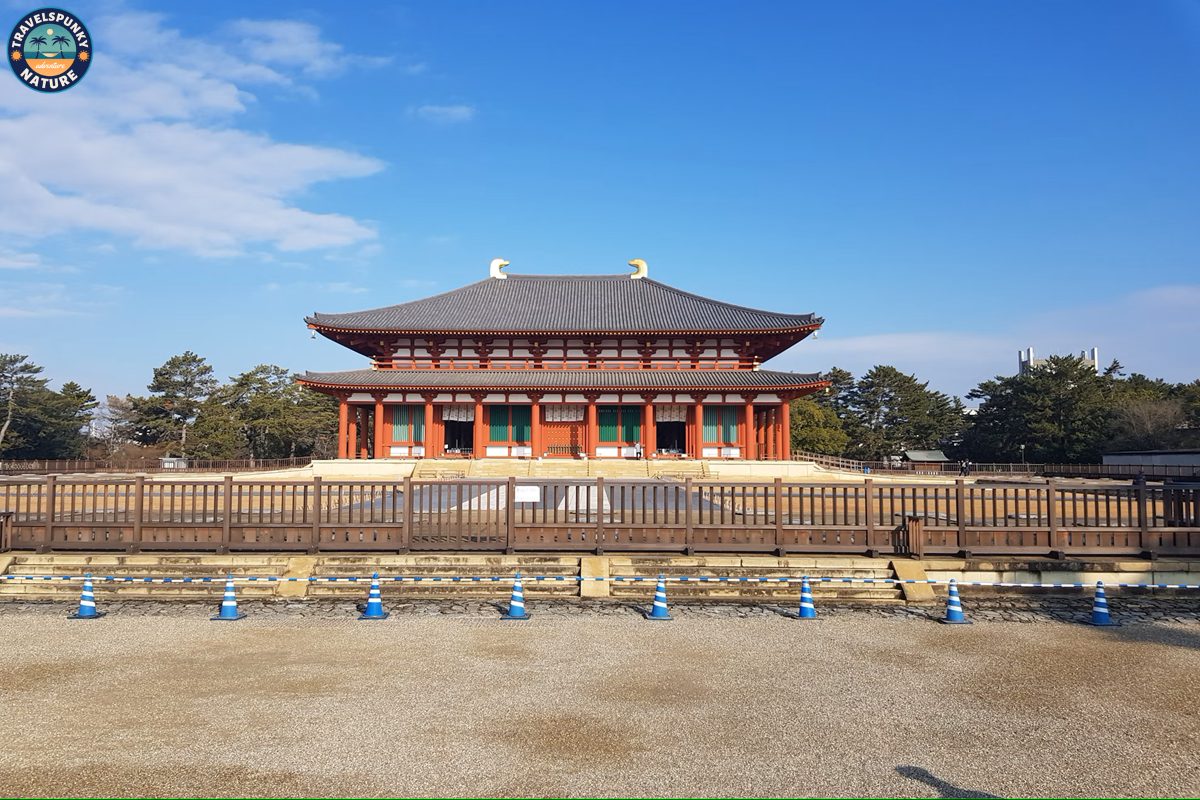
How to reach it: Trains from Kyoto and Osaka reach Nara in about 40 minutes. Kintetsu Nara Station is the closer of the two stations, and the temple is about a 20 minute walk from it through the deer park.
Best months: Spring and autumn suit the park best. The hall and the deer are there all year round.
Good to know: Entry to the Great Buddha Hall costs about ¥800 for adults, while Nara Park and its deer are free. Vendors sell special deer crackers, and many deer have learned to bow to visitors who hold them.
The honest catch: The deer are wild animals, and they can nip, push and surround anyone carrying crackers. Keep food hidden until you are ready to feed them, and watch small children closely.
8. Himeji Castle
Himeji Castle is Japan’s best preserved feudal castle, with an original main keep from the early 1600s that survived earthquakes, fires and the bombing of the Second World War. Its white plastered walls earned it the name White Heron Castle, and it was one of the first places in Japan listed by UNESCO, in 1993. Unlike most famous Japanese castles, it is not a concrete rebuild.
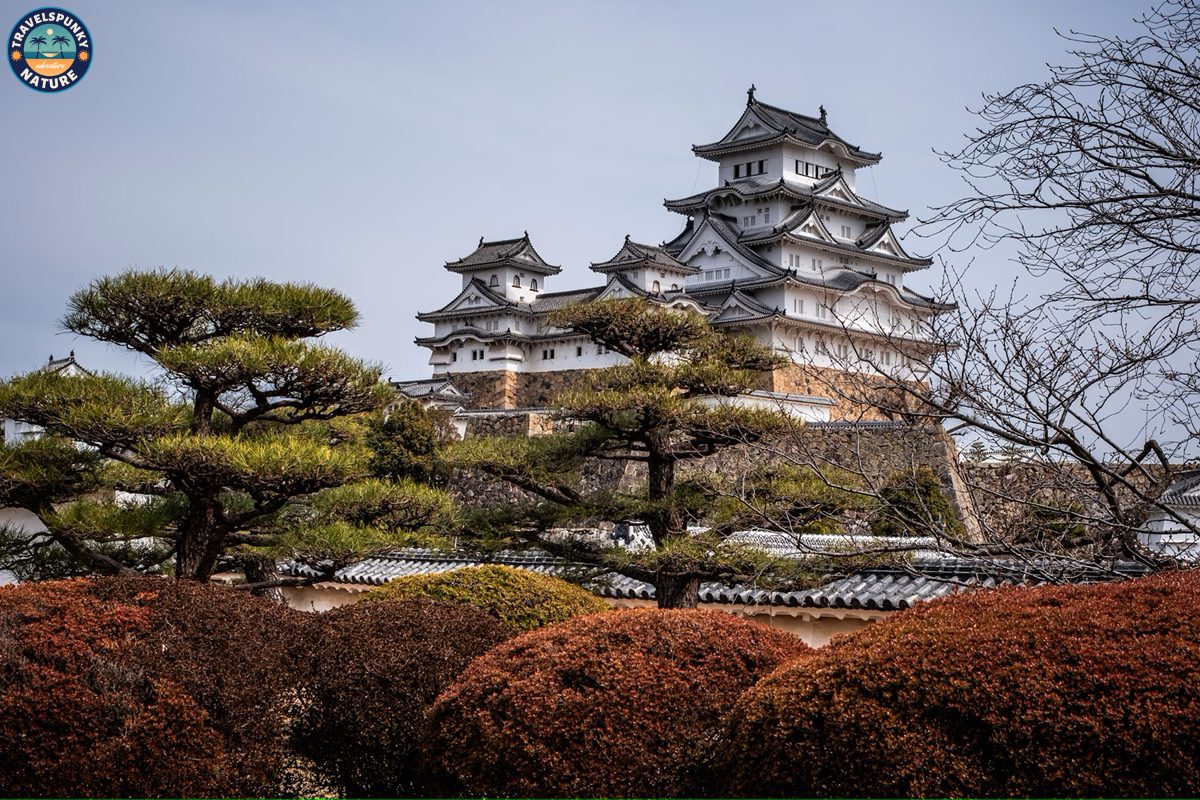
How to reach it: Himeji is a short shinkansen ride from Osaka or Kyoto. From Himeji Station, the castle stands at the end of the main street, about a 15 to 20 minute walk away, and you can see it from the station plaza.
Best months: Early April, when cherry blossom fills the castle grounds, and the clear days of autumn. Weekdays are calmer than weekends.
Good to know: Entry rose in March 2026 to about ¥2,500 for adults who do not live in Himeji, while city residents pay less and everyone under 18 now enters free. Older guides still print the old ¥1,000 fee, so budget for the new price.
The honest catch: Conservation work runs into 2027 on the turrets and gates around the keep, so scaffolding stands in some close views, though the main keep itself stays open and uncovered. Inside, the keep is bare wood with ladder steep stairs, and queues form at busy times.
9. Hiroshima Peace Memorial
The Hiroshima Peace Memorial Park stands where the first atomic bomb used in war exploded on 6 August 1945. The Atomic Bomb Dome, the ruined shell of the city’s industry promotion hall, is kept exactly as the blast left it and is listed by UNESCO. The Peace Memorial Museum in the park tells the story of that day through the belongings and accounts of the people who lived it.
How to reach it: Trams from Hiroshima Station run to the stop in front of the Dome in about 15 minutes. The park sits in the centre of the city, between two rivers.
Best months: Any month works. The anniversary ceremony on 6 August is deeply moving and draws very large crowds, so plan around it either way.
Good to know: The park and the Dome are free at all hours, and the museum costs about ¥200 for adults. The museum opens at 7:30 AM, and closing times change with the season, so an early visit is both quieter and easier to fit in.
The honest catch: The museum is harrowing, and no honest guide should pretend otherwise. Give it proper time and a quiet hour afterwards, and think carefully before taking young children into the main exhibition.
10. Itsukushima Shrine, Miyajima
Itsukushima Shrine stands on stilts over the sea on Miyajima, an island where gods were worshipped and ordinary people were long kept from living. Its great torii gate rises out of the water offshore, and at high tide the whole shrine seems to float. The long renovation of the gate finished in 2022, and it now stands clear of scaffolding again.
How to reach it: Trains from Hiroshima reach Miyajimaguchi in about 30 minutes, and a ferry of about ten minutes crosses to the island. The JR ferry costs about ¥200 each way, and the shrine is a short walk from the island pier.
Best months: November, when the maples on Mount Misen turn red, and any month if you time the visit with high tide. Staying a night on the island is the calmest way to see it.
Good to know: Shrine entry costs about ¥300 for adults, and every visitor also pays a ¥100 Miyajima visitor tax, collected with the ferry fare on the way over. Rail passes can cover the JR ferry fare, but they never cover the tax.
The honest catch: At low tide the floating view turns into a walk across the mud out to the gate, which many visitors love and some find a letdown. Check the tide times before you fix the day.
11. Matsumoto Castle
Matsumoto Castle is the black counterpart to white Himeji, a five storey keep from the late 1500s and one of the oldest castle keeps in Japan still standing in its original form. Its dark walls earned it the name Crow Castle, and on clear days the Japan Alps fill the background behind it. The keep was built for war, with steep stairs and openings for guns and arrows.
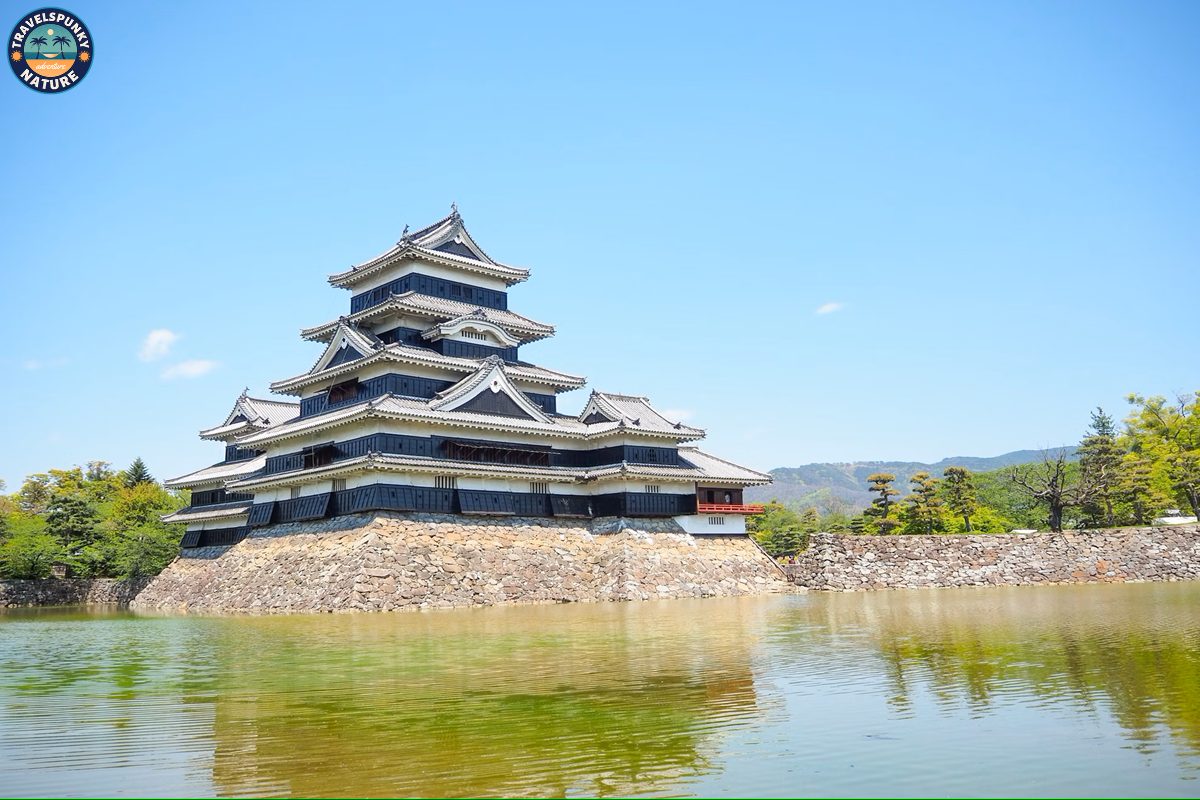
How to reach it: Limited express trains from Shinjuku in Tokyo reach Matsumoto in about three hours. The castle is about a 15 minute walk from Matsumoto Station.
Best months: Mid April for cherry blossom along the moat, and October and November for autumn colour with mountain views. Winter is cold, snowy and quiet.
Good to know: Entry costs about ¥1,200 with an online ticket or about ¥1,300 with a paper ticket, and timed entry runs at busy periods. The castle opens from about 8:30 AM.
The honest catch: The stairs inside are more like ladders, steep, narrow and slow when a queue forms on them. The famous view of the keep across the moat costs nothing, and for many visitors it is enough.
12. Shirakawa-go
Shirakawa-go is a mountain village in Gifu whose farmhouses are built in the gassho-zukuri style, with steep thatched roofs shaped like hands joined in prayer. The roofs are pitched that steeply to shed the region’s heavy snow, which can pile metres deep. The village of Ogimachi, the largest in the valley, is listed by UNESCO together with neighbouring Gokayama, and several farmhouses now open as museums.
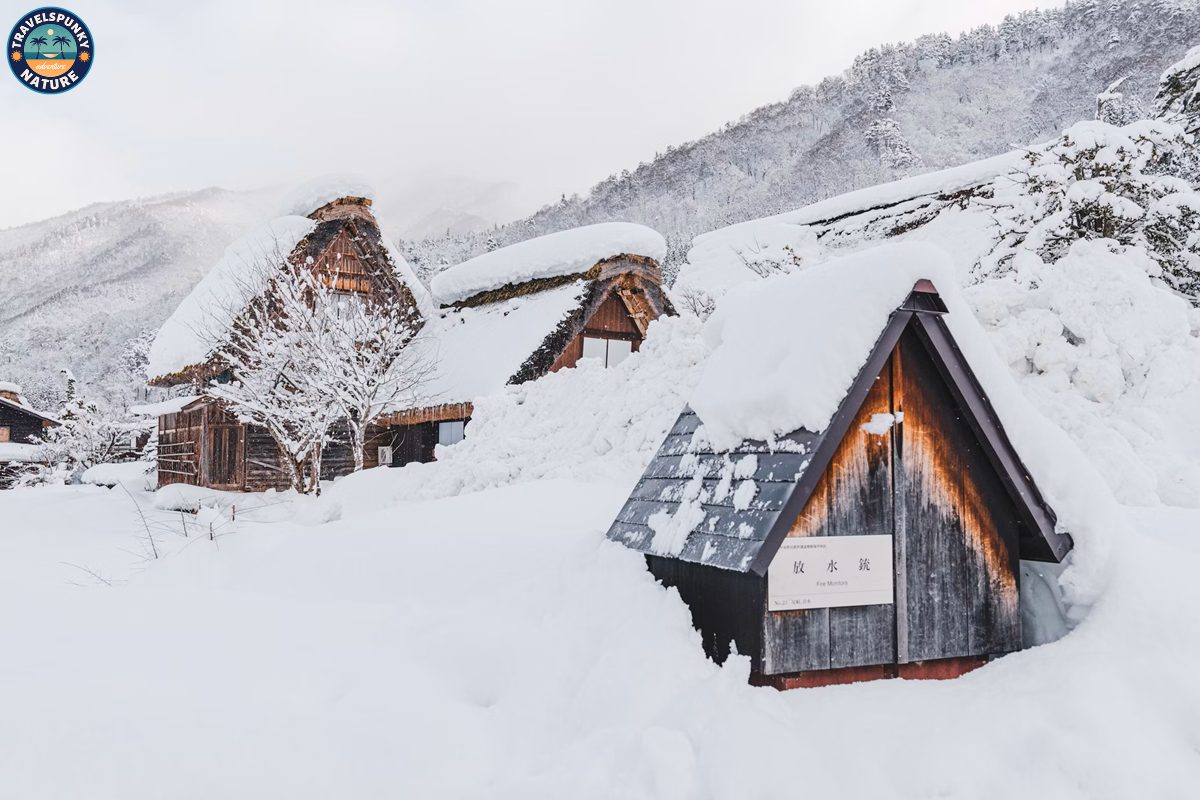
How to reach it: There is no railway to Shirakawa-go. Highway buses from Takayama, about 50 minutes away, and from Kanazawa and Toyama serve the village, and seats on them must be reserved in advance.
Best months: January and February for deep snow and the famous winter light up evenings. Late spring brings green rice fields, and autumn brings colour to the hillsides.
Good to know: The village itself is free to walk around, and open houses such as the Wada House, the largest of them, charge about ¥400. The winter light up runs on only a few evenings each year and is fully reservation based, with no tickets on the day. Village parking now costs about ¥2,000.
The honest catch: People still live and farm in Shirakawa-go, so its lanes and fields are homes, not a film set. Day trip buses arrive and leave at the same hours, which makes the middle of the day the busiest time of all.
Best time to visit Japan
Spring and autumn are the easy seasons for this list. Cherry blossom reaches Kyoto and Tokyo in late March and early April, and the autumn colours follow in November, later in the mountains. Both seasons are busy and cost more, and both are worth it.
June and early July bring the rainy season to most of the country, and the weeks after it are hot and humid, with a typhoon risk in late summer. Winter is cold but clear, which makes it the best season for Mount Fuji views and for snow at Shirakawa-go and Matsumoto. Golden Week, the string of holidays in late April and early May, is the busiest domestic travel period of the year, so book trains and hotels well ahead or avoid it.
How to reach Japan and getting around
Most visitors land at Tokyo’s Haneda or Narita airports, or at Kansai Airport for Kyoto and Osaka. From those gateways, the shinkansen bullet trains link nearly every landmark in this guide, and the run from Tokyo to Kyoto takes a little over two hours.
The Japan Rail Pass: The nationwide pass now costs about ¥50,000 for seven days when bought on the official site, and about ¥53,000 through overseas agents since October 2026. At those prices it only pays off if you take several long shinkansen rides inside one week. Many trips are cheaper with single tickets, and regional passes often beat it.
City travel: A rechargeable IC card such as Suica or Icoca covers trains, subways and buses in almost every city and saves buying ticket after ticket. Temple and shrine gates still often take cash, so carry small notes and coins.
Good manners in Kyoto: In the Gion geisha district, the narrow private lanes off Hanamikoji Street are closed to visitors, and signs at their mouths warn of a ¥10,000 charge. Stay on the public streets, and never chase or block geiko and maiko for a photograph. Kyoto also raised its accommodation tax in March 2026, so check the full total when you book a room.
FAQs
1. How many days do you need to see these landmarks?
Seven to ten days covers the main route well, with Tokyo, Nikko, Kyoto, Nara and Hiroshima with Miyajima, plus a Fuji view if the weather plays along. Two weeks lets you add Matsumoto and Shirakawa-go without rushing.
2. What is the best month to see Mount Fuji?
For views, the clear cold mornings from November to February are the most reliable. For climbing, the only window is the official season from early July to about 10 September, when the weather is cloudier and the view is a gamble.
3. Is the Japan Rail Pass worth it in 2026?
Only for fast moving trips. A seven day pass costs about ¥50,000 on the official site, and a simple Tokyo to Kyoto return with a side trip to Hiroshima can beat that, while a Tokyo and Kyoto only trip cannot. Add up your long rides before you buy.
4. How much should you budget for entry fees?
Less than most visitors expect. Big temples charge about ¥500 to ¥800, Nikko Toshogu about ¥1,600, and Himeji Castle about ¥2,500 since its March 2026 rise. Shrines and famous viewpoints such as Fushimi Inari and the Arashiyama grove are free, and gates often take cash only.
5. Can you visit Hiroshima and Miyajima in one day?
Yes, with an early start. Do the museum in the morning, cross to Miyajima for the afternoon, and check the tide times first, because the shrine looks its best near high tide. One night in Hiroshima makes the day far more comfortable.
6. Is Shirakawa-go worth visiting in winter?
Yes, deep snow is when the village looks most itself, and the light up evenings are beautiful. But the light up is reservation only, the buses must be booked, and the cold is serious, so winter there rewards planning and punishes turning up on the day.
Researched and verified: November 2026. This guide is research-based, compiled from official visitor information, maps and traveller reports. Prices, hours and rules change, so confirm them locally before travelling.